
The standard convection oven is the best choice for most home kitchens because it offers versatility for roasting and baking, while a steam oven is the superior tool only if you prioritize moisture retention for delicate foods like fish or vegetables. Choosing between an oven vs steam oven depends on whether you want a dry environment for crisping or a humid one for gentle cooking. If you need browning, the standard oven wins; if you need to keep food from drying out, the steam oven is your best bet.
Comparing home cooking technologies
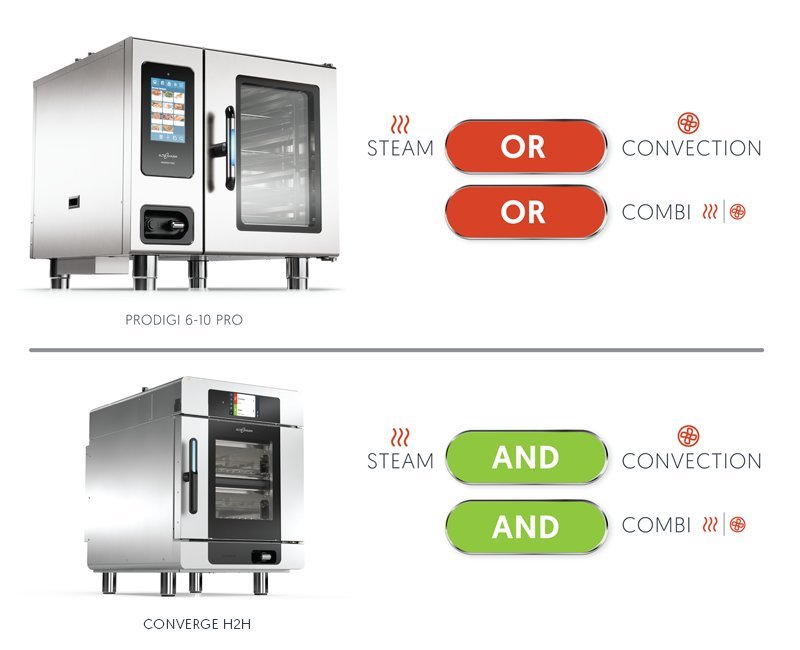
Many users find that the primary difference between these units is how they manage moisture and heat transfer. While a standard convection oven moves hot air, a steam oven uses moisture to cook, which changes the texture of the finished meal.
| Method | How long | Effort | Cost | Best for |
|---|---|---|---|---|
| Standard Oven | Moderate | Low | Low | Roasting, baking, crisping |
| Steam Oven | Fast | Medium | High | Reheating, vegetables, fish |
| Combination Oven | Variable | High | High | Professional results |
Standard ovens rely on dry heat, which triggers the Maillard reaction. This is essential for browning crusts on bread or searing meats. If your dish requires a crunchy exterior, avoid steam settings entirely.
Steam ovens excel at heat conductivity. Water molecules transfer heat to food faster than air, often cutting cooking times by 20 percent. Use steam for delicate proteins like white fish to prevent them from drying out.
The mistake most buyers make is ignoring the maintenance cost of water filtration. Always budget for descaling tablets.
If you cook for more than four people, a compact steam oven will frustrate you; you can’t fit a standard roasting pan inside. Stick to full-sized combination units if your primary goal is hosting large dinners.
Dry heat convection cooking
A standard convection oven works by using a fan to circulate hot, dry air around your food. This constant movement of air creates a dry surface on proteins and doughs, which is essential for the Maillard reaction that browns meat and creates a crust on bread.
Preheat your oven to the desired temperature, usually 350°F to 425°F for most baking tasks. Place your food on the center rack, leaving at least 2 inches of space between items for proper airflow.
The most common mistake is overcrowding the pan. When items touch, they trap moisture, effectively steaming the food rather than roasting it. If you can’t fit your items with 2 inches of clearance, use two separate racks and rotate them halfway through the cooking time.
Use a food thermometer to ensure you reach the safe internal temperature of 165°F for poultry or 145°F for whole cuts of meat. Remove the food immediately once the target temperature is reached to prevent overcooking.
This method is excellent for roasting chickens, baking cookies, and crisping potatoes. The main weakness is that the dry heat can quickly turn delicate foods like lean fish or thin vegetables into rubbery or shriveled versions of themselves. If you’re roasting vegetables with high water content, such as zucchini, increase the heat to 450°F to sear the exterior before the interior loses its structural integrity. If the food is thin, convection may dry it out too fast; stick to conventional settings for those.
Precision steam cooking
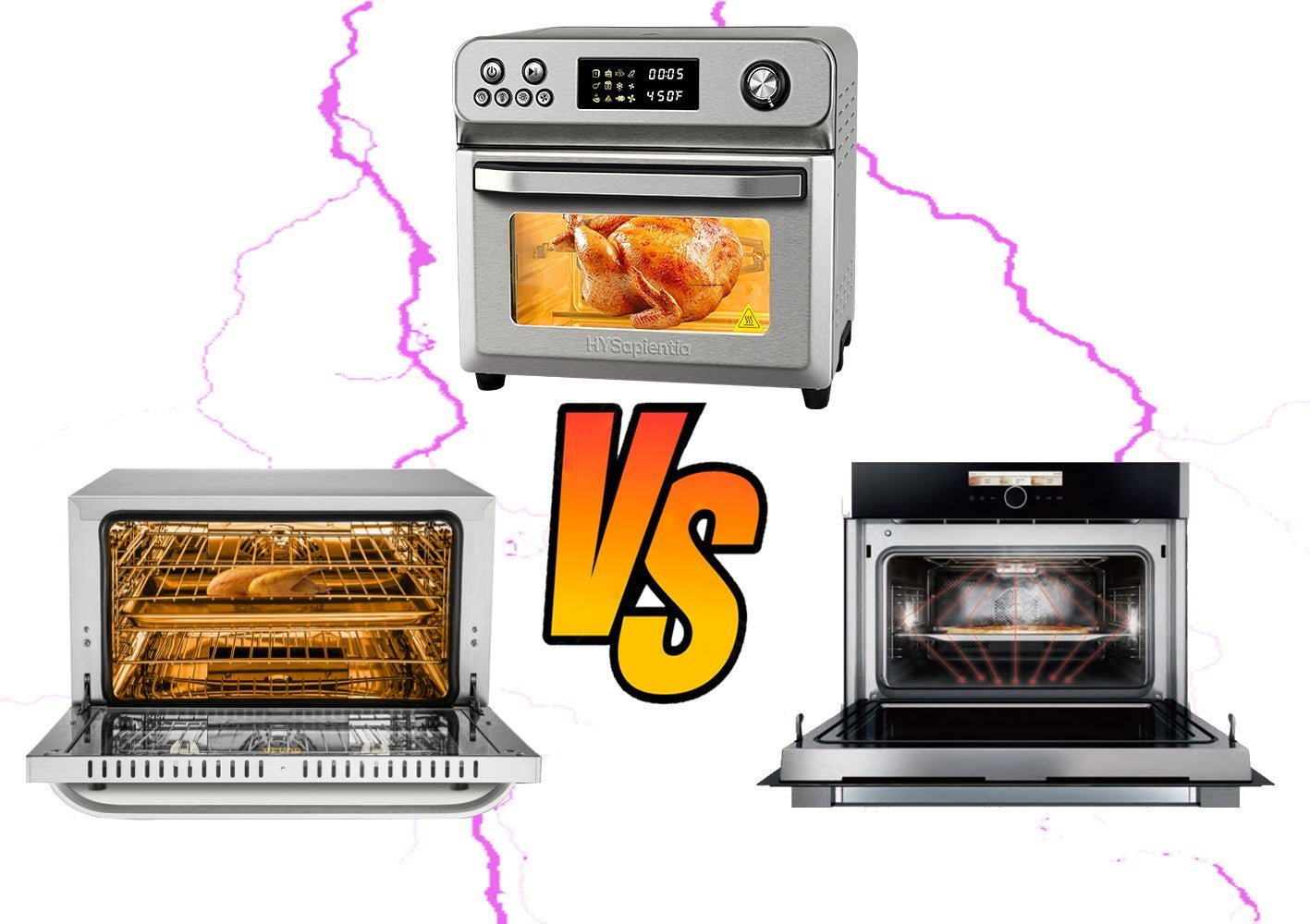
Steam ovens inject water vapor into the cooking chamber, which creates a highly efficient heat transfer medium. Because the air is saturated with water, the surface of the food doesn’t dry out, allowing for very even cooking throughout.
- Fill the integrated water reservoir with filtered water, ensuring it reaches the “max” fill line.
- Select the steam setting and set the temperature; most steam cooking occurs between 180°F and 212°F. If you’re poaching delicate proteins, keep the heat at 180°F to prevent the proteins from tightening and becoming rubbery.
- Place your items on a perforated tray to allow steam to circulate around the entire surface of the food. Solid trays trap condensation, which leads to soggy bottoms on breads or uneven vegetable textures.
- Cook until the food reaches your desired texture, checking for doneness by the appearance of the food, such as opaque flesh for fish.
This style of cooking is perfect for keeping bread soft, steaming vegetables until crisp-tender, and reheating leftovers so they don’t taste like they came out of a microwave. A significant trade-off is the maintenance; you must descale the system regularly. If your display prompts a cleaning cycle, don’t ignore it. Neglecting this step causes mineral buildup that permanently damages the internal plumbing, often resulting in a costly repair.
Advanced combination moisture control
Combination ovens allow you to switch between convection heat and steam, or use both at the same time. This is the most flexible approach for a home kitchen, as it lets you start a loaf of bread with steam to help the rise, then switch to dry heat to finish the crust.
- Configure the oven settings to the specific ratio of steam to convection heat recommended for your recipe.
- Add your food to the oven and initiate the cycle, monitoring the water reservoir levels during long roasts.
- Check the food halfway through the cooking time to ensure the moisture level isn’t causing excessive condensation on the glass.
- Remove the food once it reaches the proper doneness, using the appropriate temperature check for the specific protein.
This method provides the best of both worlds, offering professional results for complex dishes that require specific textures. However, this isn’t for someone who wants a simple, set-and-forget appliance, as the learning curve is steep. If you don’t want to manage settings for every single meal, this complexity may lead to frustration rather than better food.
Choosing the right heat source
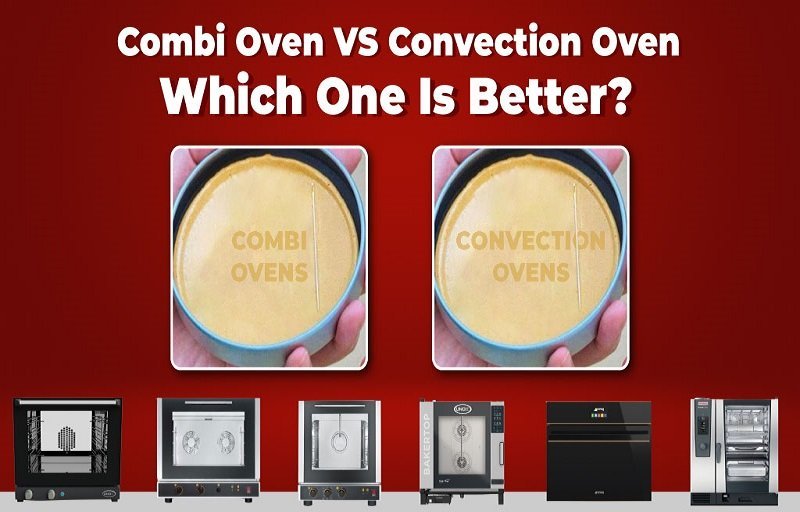
When you’re in a hurry, a standard convection oven is the best choice because it’s familiar and requires no special setup or water management. For someone doing this for the first time, the standard oven is also better because recipes are almost universally written for its specific heat profile. If you want the best possible result regardless of the effort or cost, a combination oven is the winner, as it provides the most control over the texture of your food.
The trade-off is always between convenience and control. A standard oven is reliable and easy to maintain, but it lacks the finesse of steam. A steam oven offers superior texture for specific ingredients, but it demands more attention from the cook. If you’re replacing an existing unit, consider how often you actually cook delicate items like fish or steamed dumplings versus how often you roast meats or bake pastries. If your cooking is mostly roasting, the cost of a steam oven will likely not provide enough benefit to justify the investment.
Requirements for every oven type
Regardless of the method you choose, you must keep the interior clean to prevent smoke and potential fire hazards. Always wipe down the interior once the unit is cool, as grease buildup can affect the efficiency of both convection and steam systems. If you’re installing a built-in steam oven, ensure that a qualified professional handles the plumbing connections, as improper installation can void your warranty or lead to water leaks in your cabinetry.
Always consult your manufacturer’s manual for specific cleaning instructions, especially for steam units that require a descaling cycle. Never attempt to service the electrical components or the internal heating elements yourself. A capacitor can hold a lethal charge even after the unit is unplugged, so leave all internal repairs to a certified technician. Finally, follow the manufacturer’s guidelines for the type of water allowed in your steam oven, as using hard tap water can shorten the lifespan of the heating element significantly.
Can I use a steam oven for baking bread?
Yes, a steam oven is excellent for baking bread because the added humidity prevents the crust from setting too early, which allows for a larger rise. You get a better oven spring and a thinner, crispier crust compared to a standard oven. Just be sure to switch to a dry heat setting during the final ten minutes of baking to ensure the crust develops the right texture and color.
Is it safe to cook fish in a steam oven?
Yes, it’s very safe and often preferred because the gentle heat prevents the fish from drying out or falling apart during the cooking process. You should cook fish until the flesh is opaque and flakes easily with a fork. Cook fish to an internal temperature of 145°F as recommended by the FDA.
How often should I descale my steam oven?
You should descale your steam oven every three to six months depending on the hardness of your local water supply. Most modern ovens feature a light or a screen alert that tells you exactly when the system requires a cleaning cycle. Using the manufacturer’s recommended descaling solution is vital to prevent internal damage to the boiler or steam generator.
What happens if I use tap water in a steam oven?
If you use hard tap water in a steam oven, you’ll quickly build up mineral deposits inside the boiler and piping. This buildup reduces the efficiency of the steam production and can eventually cause the heating element to fail entirely. Always check your manual to see if you should use distilled or filtered water to protect your appliance’s internal components.
How long does a steam oven last?
A steam oven will typically last for many years with proper maintenance and regular descaling. The lifespan is largely dictated by how well you keep the internal components free of mineral scale and grease. If you neglect the cleaning cycles, you may find that the steam generator fails significantly sooner than the rest of the unit.
Is a steam oven faster than a regular oven?
No, a steam oven isn’t necessarily faster, but it’s often more efficient at transferring heat to food. While the total cooking time might be similar to a convection oven, you’ll often find that you can cook at lower temperatures, which saves energy. The main advantage is the quality of the food, not the speed of the cooking process.
The right choice depends on your daily cooking habits and the types of food you prioritize. If you’re a baker or a meat roaster, the convection oven is the gold standard for your kitchen. If you love steamed vegetables, perfectly flaky fish, or reheating food without making it tough, a steam oven offers a unique advantage that a dry oven simply can’t match.
Related guides