
Have you ever wondered what happens when your water flow sensor stops detecting any flow? A “No Water Flow Flow Sensor” can be a real game-changer for your system’s safety and efficiency.
If you rely on water flow sensors to protect your appliances or manage water usage, understanding why no flow is detected and how to handle it is crucial. Keep reading to uncover the key signs, causes, and solutions that will help you protect your equipment and avoid costly damage.
This guide is made just for you to stay ahead and keep your water systems running smoothly.

Credit: www.youtube.com
Common Causes Of No Water Flow
No water flow from a flow sensor can disrupt many systems. Understanding common causes helps in quick troubleshooting. This section covers key reasons why the sensor may fail to detect water flow.
Clogged Or Blocked Pipes
Debris and sediment can build up inside pipes. This buildup stops water from flowing freely. Blocked pipes prevent the sensor from detecting any movement. Regular cleaning keeps pipes clear and sensors working well.
Faulty Sensor Installation
Incorrect installation can cause no water flow readings. Sensors must align properly with the pipe. Wrong placement or loose fittings lead to errors. Follow the manufacturer’s guide to ensure correct setup.
Electrical Connection Issues
Flow sensors rely on stable electrical connections. Loose wires or damaged cables cut off signals. Power failures also stop the sensor from working. Check all connections and power sources for faults.
Damaged Sensor Components
Physical damage affects sensor parts like the paddle or circuit board. Wear and tear reduce sensor accuracy. Replace broken components to restore proper function. Handle sensors carefully during maintenance.
Diagnosing The Problem
Diagnosing a no water flow sensor problem requires careful steps. This helps find the exact issue quickly. The sensor might not detect water flow due to several reasons. Checking the sensor and related parts is key to fix the problem. Follow these simple methods to diagnose the problem effectively.
Visual Inspection Techniques
Start by looking closely at the sensor and pipes. Check for cracks, dirt, or blockages. Make sure all connections are tight and clean. Look for signs of corrosion or water damage. A damaged sensor housing can stop the sensor from working. Clear any debris around the sensor that may block water flow.
Using A Multimeter For Testing
Use a multimeter to check the sensor’s electrical parts. Set the multimeter to measure resistance or continuity. Connect the probes to the sensor terminals carefully. A reading outside the normal range means the sensor might be faulty. No reading or infinite resistance usually shows a broken sensor. This test confirms if the sensor needs replacement.
Checking Water Pressure Levels
Measure the water pressure with a pressure gauge. Low water pressure can cause no flow detection. Normal pressure varies by system type but usually stays steady. Sudden drops or very low pressure affect sensor readings. Fix any pressure issues in your plumbing system. Proper pressure ensures the sensor works correctly.
Verifying Sensor Calibration
Check if the sensor calibration matches your water system. Sensors must be set to the right flow rate. Calibration errors lead to wrong or no signal output. Use the manufacturer’s guide for calibration steps. Adjust the settings as needed for accurate detection. Correct calibration helps the sensor perform well.
Quick Fixes For No Flow Issues
No water flow in a flow sensor can stop your system from working properly. Quick fixes can help restore flow fast. These fixes are easy and often don’t require special tools. Follow simple steps to get your sensor running again.
Cleaning And Clearing Blockages
Dirt and debris can block the sensor. Turn off the water supply first. Remove the sensor carefully. Use a soft brush to clean inside. Clear any visible dirt or buildup. Rinse the sensor with clean water. Dry it completely before reinstalling. This can improve flow and sensor accuracy.
Reconnecting Loose Wires
Loose wires can cause no flow signals. Check the wires connected to the sensor. Make sure each wire is tightly attached. Look for any broken or frayed wires. Secure or replace wires as needed. Proper connections help the sensor send correct data.
Resetting The Sensor System
Resetting the sensor can fix glitches. Turn off the power to the sensor. Wait for about 30 seconds. Turn the power back on. This refreshes the system and clears errors. The sensor may start detecting flow correctly again.
Replacing Damaged Parts
Some parts may wear out or break. Inspect the sensor for cracks or damage. Replace broken parts with exact matches. Use manufacturer-approved components for best results. New parts help the sensor work smoothly. Keep spare parts ready for quick repairs.
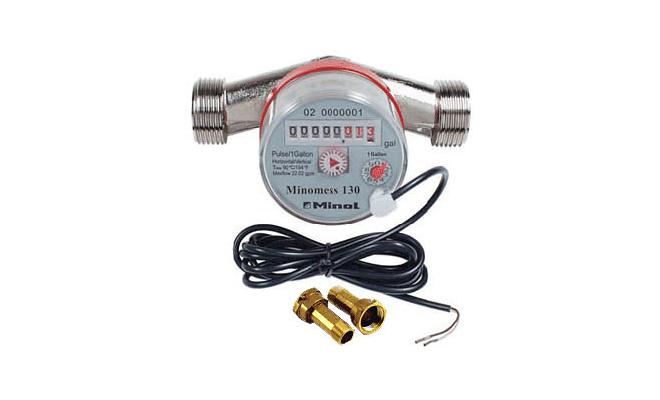
Credit: www.onsetcomp.com
Preventive Maintenance Tips
Preventive maintenance keeps your no water flow flow sensor working well. It helps avoid costly repairs and ensures accurate readings. Simple steps can extend the sensor’s life and performance.
Regular Cleaning Schedule
Clean the sensor regularly to remove dirt and debris. Use a soft cloth and mild cleaner. Avoid harsh chemicals that can damage the sensor surface. Cleaning prevents blockages and false readings.
Proper Sensor Installation Guidelines
Install the sensor according to the manufacturer’s instructions. Ensure correct positioning in the water flow path. Secure the sensor firmly to prevent movement. Proper installation improves accuracy and sensor lifespan.
Monitoring Water Quality
Check the water for contaminants and particles. Poor water quality can clog or damage the sensor. Use filters if needed to keep water clean. Good water quality helps the sensor work smoothly.
Routine System Inspections
Inspect the entire flow system regularly. Look for leaks, loose connections, or signs of wear. Test the sensor output to verify accuracy. Early detection of issues saves time and money.
When To Call A Professional
Knowing when to call a professional for a no water flow sensor issue saves time and prevents damage. Some problems need expert skills beyond basic fixes. Recognizing these moments helps keep your system running smoothly and safely.
Complex Electrical Problems
Flow sensors often connect to electrical systems. If wiring looks damaged or connections seem loose, avoid guessing. Complex electrical faults can cause bigger issues or shocks. Professionals have tools and knowledge to handle electrical problems safely.
Persistent Flow Sensor Failures
Repeated sensor failures suggest deeper problems. Simple resets or cleaning won’t fix all issues. A professional can test the sensor and related parts thoroughly. They find hidden faults that cause ongoing failures.
Systematic Diagnostic Approaches
Experts use step-by-step methods to diagnose flow sensor problems. They check the whole system, not just the sensor. This approach helps pinpoint the exact cause. Proper diagnosis prevents unnecessary repairs and saves money.
Ensuring Safety And Compliance
Water flow systems must follow safety rules. Professionals understand local codes and standards. They make sure repairs meet all requirements. This protects your home and avoids legal troubles.

Credit: www.hayward.com
Frequently Asked Questions
What Causes No Water Flow In A Flow Sensor?
No water flow can happen due to blockages, damaged sensors, or broken wiring. Dirt or air bubbles also stop the sensor from working properly.
How Do I Check If My Flow Sensor Is Working?
Look for a signal or reading from the sensor when water flows. If no reading appears, the sensor may be faulty or disconnected.
Can A Clogged Flow Sensor Cause No Water Flow Reading?
Yes, dirt and debris can clog the sensor, stopping water from passing through. Cleaning the sensor often fixes this problem quickly.
How To Fix A No Water Flow Issue In Sensors?
Start by cleaning the sensor and checking all connections. Replace damaged parts if cleaning and checks don’t restore flow readings.
Does Air In Pipes Affect Flow Sensor Readings?
Air bubbles can interrupt water flow and cause false no flow signals. Bleeding the system helps remove trapped air and restore correct readings.
Can Water Pressure Impact Flow Sensor Performance?
Low water pressure may cause weak or no flow signals from the sensor. Ensure the water pressure is within the sensor’s operating range.
How Often Should Flow Sensors Be Maintained?
Regular maintenance every few months keeps flow sensors clean and working well. This reduces errors and prevents no water flow issues.
Conclusion
A no water flow sensor helps detect when water stops moving. It protects pipes and machines from damage. This sensor saves water and energy by alerting users early. Simple to install and use, it suits many systems. Choosing the right sensor ensures better safety and control.
Keeping water flowing smoothly means fewer problems later. A small device can make a big difference in water management. Consider adding one to your setup for peace of mind.