
Wondering if that roll of toilet paper you just bought is safe for your septic system? You’re not alone!
Many homeowners worry about what goes down the drain, and for good reason. A clogged or damaged septic system can lead to a messy and expensive problem. So, what’s the real deal with toilet paper and septic tanks? Does “septic safe” really mean all toilet paper?
Keep reading to find out exactly what you need to know to protect your plumbing and your wallet.
Credit: www.scottbrand.com
Septic Systems Explained
Understanding septic systems is key. Many homes rely on them. These systems manage wastewater. They are not city sewers. Septic systems are private. They need proper care. Knowing how they work helps.
How Septic Tanks Work
A septic tank is a large container. Wastewater flows into it. Solids settle at the bottom. Grease and oils float up. Liquid wastewater stays in the middle. This separation is important. The liquid then moves on.
The Role Of Bacteria
Bacteria are tiny helpers. They live in the septic tank. These bacteria break down waste. They consume solid material. This process reduces sludge. Good bacteria are essential. They keep the system working. Harsh chemicals kill them.
Common Septic System Issues
Septic systems can have problems. Blockages are a common issue. Too much solid waste causes this. Slow drains signal trouble. Foul odors are another sign. System backups are serious. They can flood your yard. These issues need quick attention.
Toilet Paper’s Septic Journey
Toilet paper has a special trip. It goes from your toilet bowl. It travels into your septic system. This journey is important. It affects your system’s health. Not all paper makes this trip well. Understanding this journey is key. It helps keep your system working.What Happens When It Flushes?
You flush. The toilet uses water. Water pushes waste away. Paper goes with the waste. It enters the septic tank. The tank holds everything. Solids sink to the bottom. Scum floats on top. Liquid stays in the middle. Bacteria start to work. They break down waste.Breakdown Factors
Several things affect breakdown. Paper type matters greatly. Some papers break apart easily. Others stay in clumps. Water amount is also vital. Too little water causes problems. Bacteria need water to thrive. The septic system’s health is crucial. A healthy system works better.The Speed Of Dissolution
How fast does paper dissolve? This is called dissolution. It varies by paper type. Thin, single-ply papers dissolve fastest. They break down quickly. Thicker, multi-ply papers take longer. Some papers simply do not break down. They can cause clogs. This is a serious issue. Fast dissolution is best. It helps prevent septic problems.Septic-safe Vs. Not-so-safe
Choosing the right toilet paper is important for septic systems. Some papers work well. Others cause big problems. Understanding the difference protects your system.
The ‘septic Safe’ Label
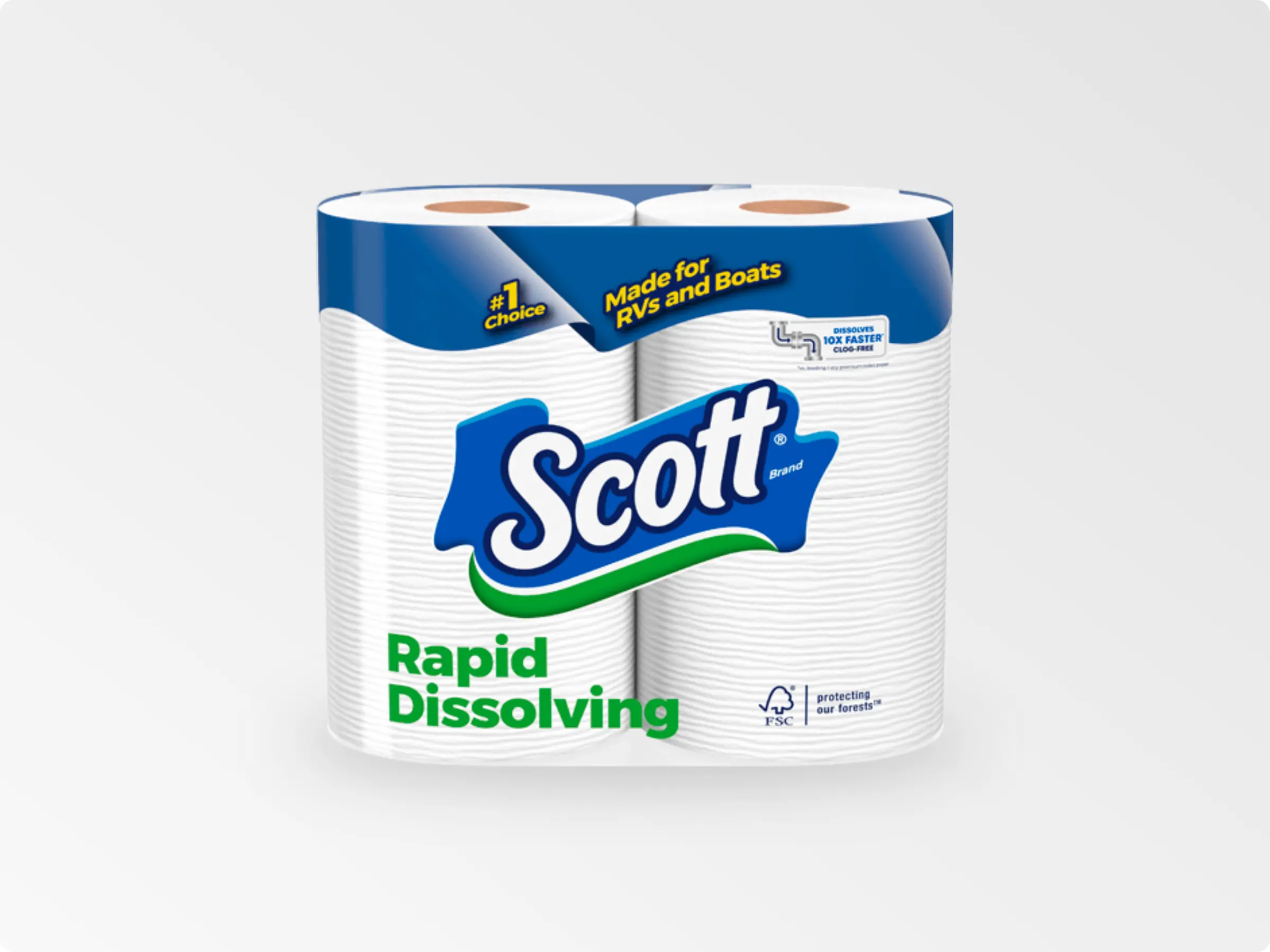
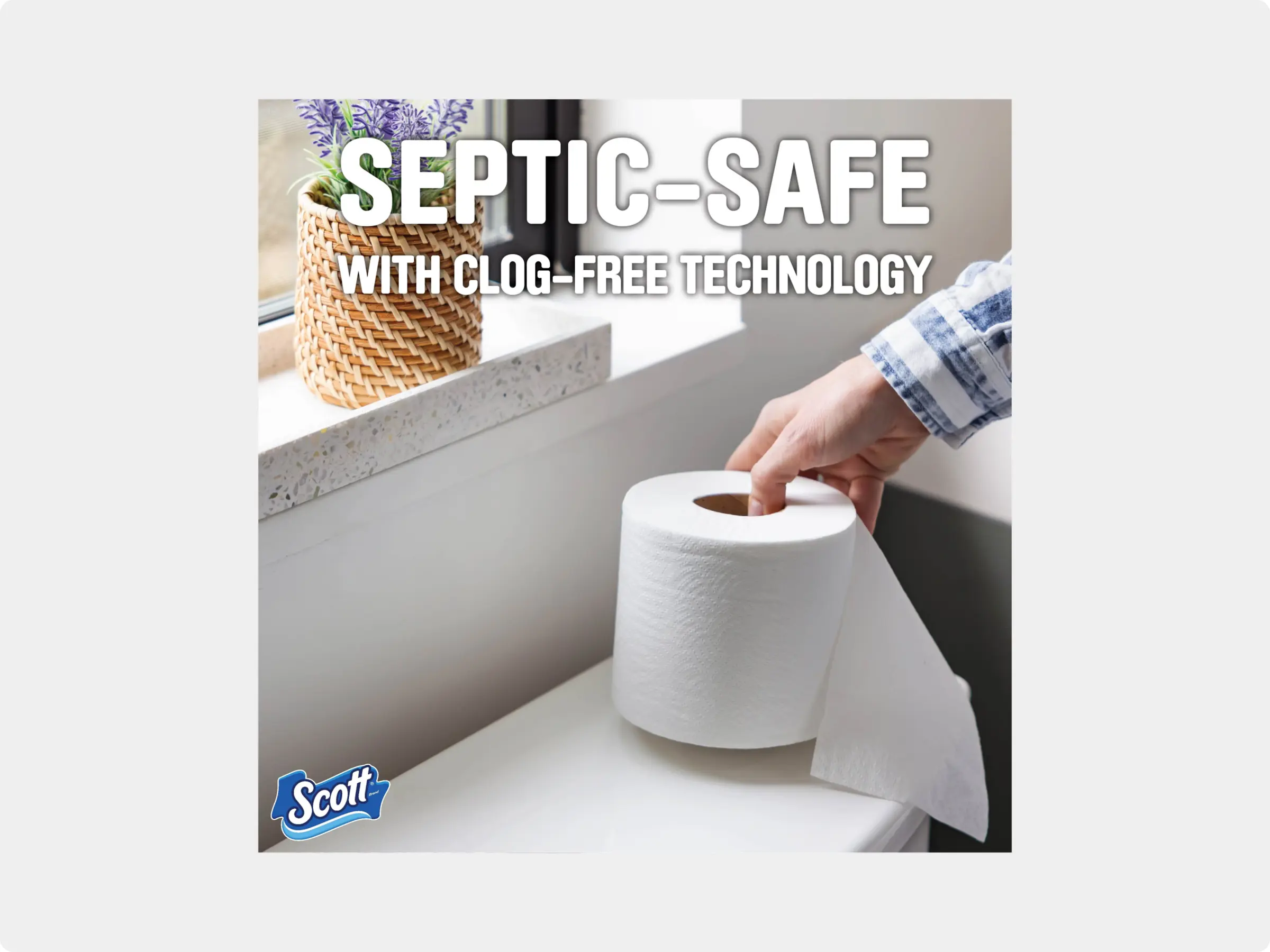
Look for this label. It means the paper breaks down easily. This helps prevent clogs. Septic-safe paper dissolves quickly in water. It will not build up in your tank. This is good for your system’s health.
Common Culprits: What To Avoid
Some toilet papers are not good. Avoid thick, plush varieties. These are often too strong. They do not break apart well. Wipes are a major problem. Never flush them. They do not dissolve at all. Paper towels are also bad. They hold their shape. They will clog your pipes.
Material Matters: The Differences
Paper type makes a difference. Single-ply is usually best. It is thinner. It breaks down faster. Multi-ply papers are thicker. They can cause issues. Recycled papers can vary. Check the packaging carefully. Look for “septic safe” claims.
Credit: www.scottbrand.com
Beyond The Roll: Other Factors
The toilet paper roll is not the only thing that matters. Many other items go down the drain. These can cause big problems for your septic system. Let’s explore these other factors. They are vital for septic system health. Understanding them protects your investment.
Flushable Wipes: A Myth?
Are flushable wipes really flushable? Most are not. They do not break down. They are made of plastic fibers. These fibers clog pipes. They can damage your septic tank. Avoid flushing any wipes. Even those marked “flushable.” Put them in the trash instead. This is a simple rule.
Other Household Items To Avoid
Many things should not go down the toilet. Paper towels are a prime example. They are too strong. They do not dissolve easily. Feminine hygiene products are also bad. Tampons and pads swell up. They will create blockages. Cat litter is another no-no. It clumps and hardens. Grease and oils are also harmful. They coat the pipes. They prevent proper flow. Coffee grounds can do damage. They accumulate in the tank. Dispose of these items properly. Use a trash can.
Water Usage And Its Impact
How much water you use matters. Too much water is a problem. It can overwhelm the system. Heavy water use washes solids. These solids reach the drain field. The drain field can become saturated. This leads to system failure. Fix leaky faucets quickly. Install low-flow fixtures. Run washing machines only when full. Take shorter showers. Conserve water whenever possible. This helps your septic system.
Choosing The Right Toilet Paper
Not all toilet paper works with septic systems. Some types break down poorly. Choose paper specifically marked septic safe.
Selecting the correct toilet paper matters for your septic system. Not all paper is created equal. Using the wrong kind can cause serious problems. It can clog your pipes. It can damage your tank. This section helps you make smart choices. We will look at what to check. We will compare different types. We will explore greener options. Your septic system will thank you.Reading The Labels
Single-ply Vs. Multi-ply
Eco-friendly Options
Credit: www.scottbrand.com
Signs Your Toilet Paper Isn’t Septic Safe
Not all toilet paper works well with septic systems. Some types cause big problems. Your septic tank needs special care. Watch for warning signs. These signs tell you your toilet paper is not safe. It can damage your system. It can cost you money. Pay attention to your plumbing. It will tell you what is wrong.
Slow Drains and Gurgling
Your drains move slowly. Water takes a long time to go down. You hear gurgling sounds. This means something is blocking the pipes. The toilet paper might be the cause. It is not breaking down. It builds up in the tank. This stops water flow.
Foul Odors
A bad smell is a warning. It comes from your drains. It can smell like sewage. This happens when waste is not moving. The toilet paper is not dissolving. It traps gases. These gases escape through your pipes. Septic-safe paper breaks down easily. It prevents these odors.
Backups and Flooding
Worst sign? Backups. Waste comes back up. It can flood your bathroom. This is a serious issue. It means your septic system is full. The toilet paper is not working. It is causing a blockage. This is very messy. It is also unhealthy. Septic-safe paper prevents this disaster.
Maintaining Your Septic System
Maintaining your septic system is crucial. It keeps your home running smoothly. It prevents costly repairs. A healthy system protects your environment.
Regular Pumping
Septic tanks need regular pumping. This removes accumulated solids. Solids can clog the system. Pumping prevents backups. It extends your system’s life. Aim for pumping every 3-5 years. This depends on tank size. It also depends on household size.
What To Flush, What Not To Flush
Not all paper is septic safe. This includes toilet paper. Only flush what is necessary. Avoid flushing wipes. Wipes do not break down. They clog pipes and pumps. Grease and oil are bad. Coffee grounds cause problems. Diapers are a big no. Feminine hygiene products too. They all harm your septic system.
Professional Inspections
Schedule regular professional inspections. Experts check for leaks. They look for damage. They can spot potential issues. Early detection saves money. It prevents major failures. Professionals know what to look for. They ensure your system works well.
Frequently Asked Questions
What Toilet Paper Is Septic Safe?
Look for toilet paper labeled “septic safe. ” These papers break down easily. They won’t clog your system.
Does Septic Safe Toilet Paper Exist?
Yes, septic safe toilet paper does exist. It’s made to dissolve quickly. This prevents septic tank problems.
What Happens If You Use Wrong Toilet Paper?
Using the wrong paper can cause clogs. It might damage your septic system. This leads to costly repairs.
Which Toilet Paper Brands Are Septic Safe?
Many brands offer septic safe options. Check the packaging for labels. Scott and Charmin have good choices.
How Much Toilet Paper Can A Septic System Handle?
Use toilet paper sparingly. Avoid flushing excessive amounts. One or two squares at a time is best.
Can One-ply Toilet Paper Harm A Septic System?
One-ply paper often breaks down well. It’s usually a safe choice. It dissolves much faster than thick paper.
Is Recycled Toilet Paper Safe For Septic Tanks?
Recycled paper can be septic safe. Check the product description. Some types are designed to dissolve.
Conclusion
Not all toilet paper works for septic systems. Choose brands specifically labeled septic safe. These break down quickly. Avoid thicker, scented rolls. They can cause clogs. Protect your septic system. Make smart paper choices. It’s a simple step. Your system will thank you.