
Is your Richmond water heater not working like it used to? Maybe it’s not heating water properly or it’s making strange noises.
Don’t worry—you can fix many common problems by simply resetting your water heater. Knowing how to reset your Richmond water heater can save you time, money, and the hassle of calling a professional. In this guide, you’ll find easy, step-by-step instructions that anyone can follow.
Keep reading to get your hot water flowing again quickly and safely.

Credit: www.reddit.com
Signs Your Richmond Water Heater Needs A Reset
Knowing when to reset your Richmond water heater can save time and prevent damage. Certain signs show the heater needs a reset. Watch for these symptoms to keep your water heater running smoothly.
No Hot Water
No hot water is the most obvious sign. The heater may stop heating due to a reset need. Water stays cold even after waiting. Resetting can often fix this issue fast.
Error Codes Displayed
Many Richmond models show error codes on the display. These codes indicate specific problems inside the unit. A reset can clear temporary faults and restore normal function. Check the manual for code meanings.
Unusual Noises
Strange sounds like banging or popping can mean trouble. Sediment buildup or overheating might cause these noises. Resetting the water heater can sometimes stop the noise. It helps the system cool and restart safely.
Credit: megaprojects.com
Safety Precautions Before Resetting
Resetting a Richmond water heater requires care and attention. Safety must come first to avoid accidents or damage. Following key safety steps makes the process safer and easier. Read these precautions before starting your reset.
Turn Off Power Supply
Always switch off the power before touching your water heater. Locate the circuit breaker and turn it off. This stops electricity flow and prevents shocks. Never reset the heater while it is powered on.
Check For Gas Leaks
For gas water heaters, check for gas leaks before resetting. Smell near the heater for any gas odor. Use soapy water on connections to see bubbles. If you detect gas, do not reset. Call a professional to fix the leak first.
Wear Protective Gear
Wear gloves and safety glasses to protect yourself. Gloves stop burns from hot surfaces. Glasses keep dust and debris out of your eyes. Dress in long sleeves to avoid skin contact with hot parts.
Locating The Reset Button
Finding the reset button on your Richmond water heater is the first step in fixing many common issues. The reset button helps to restart the heater safely. Knowing where it is saves time and effort. This section will guide you through locating the reset button quickly and easily.
Typical Button Placement
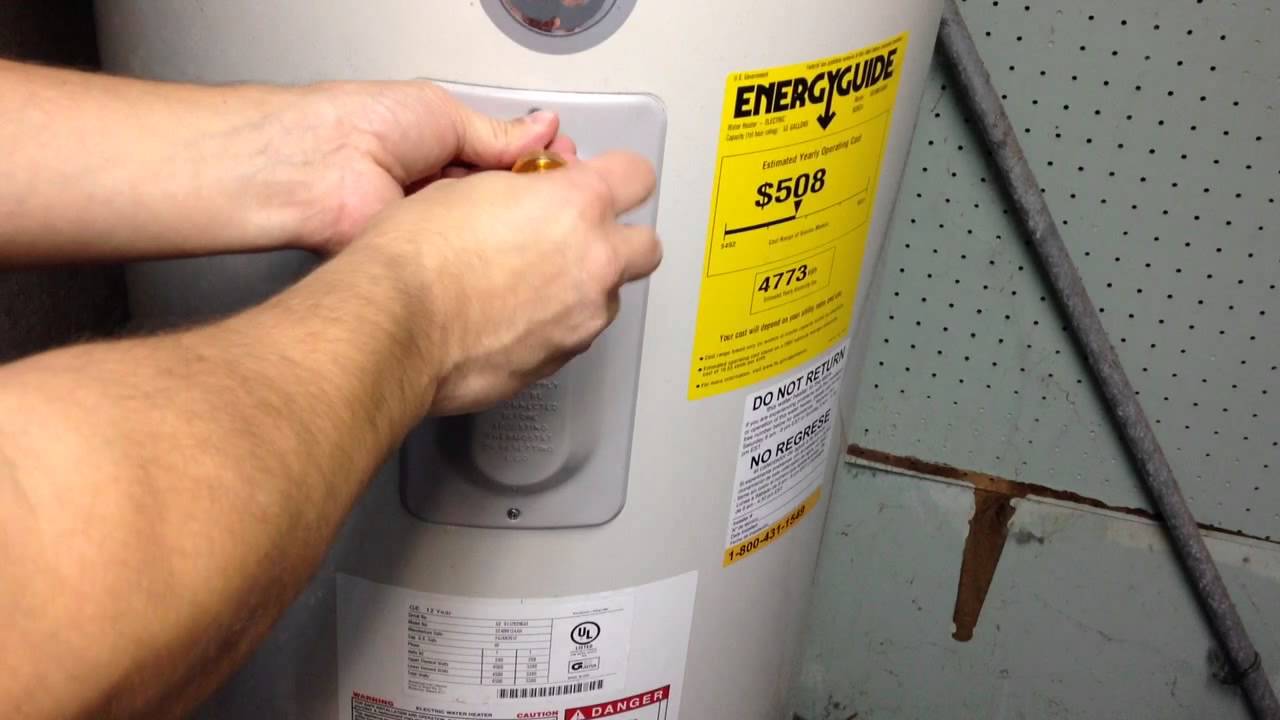
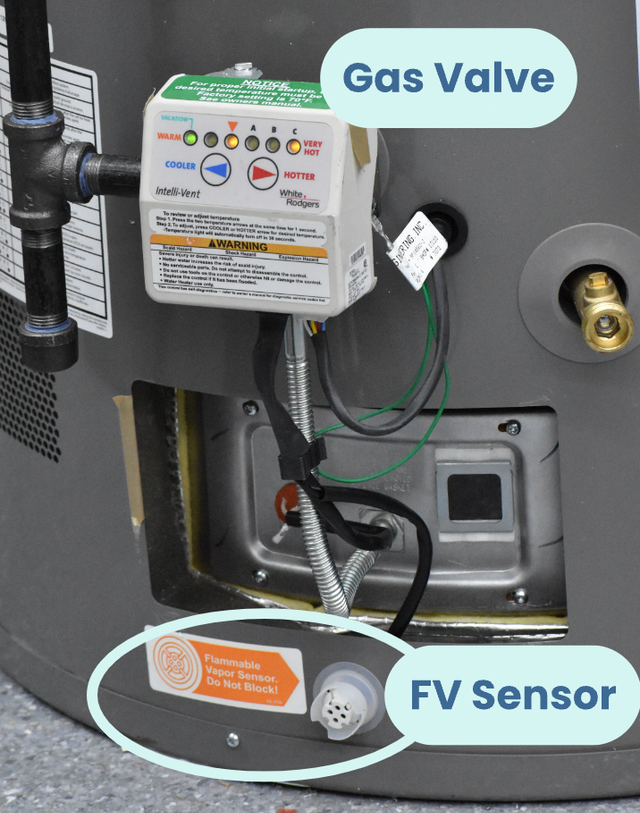
The reset button is usually behind a small panel on the water heater. This panel is often near the bottom or front of the unit. You might need to remove a few screws or a cover to see it. Look for a red or black button. It is often labeled “Reset” or “Thermal Cut Off.”
On some models, the button sits near the thermostat. It blends into the metal or plastic surface. Use a flashlight if the area is dark. Never force anything open. The reset button is designed to be accessible but safe.
Identifying The Reset Button
The reset button is usually small and round. It often sticks out slightly from the surface. It might be red, but some buttons are black or white. The button is different from other controls like temperature dials or power switches.
Look for a label near the button. It will say “Reset” or “High Limit Reset.” If unsure, check your water heater’s manual. The button is a safety feature that stops the heater from overheating. Pressing it resets the system and can restore normal function.
Credit: anniesdeli.com
Step-by-step Reset Process
Resetting your Richmond water heater is a simple task. It helps fix common heating problems quickly. Follow these clear steps to reset your unit safely and effectively. Each step guides you through the process in an easy way.
Shut Off The Heater
Start by turning off the water heater. Find the power switch or circuit breaker. Switch it off to cut the electricity. This step keeps you safe while working. Wait a few minutes before moving on. This allows the heater to cool down.
Press And Hold The Reset Button
Locate the reset button on your heater. It is usually red and easy to spot. Press and hold the button for about 10 seconds. You may hear a click sound. This means the heater has reset. Release the button carefully after pressing.
Restore Power And Test
Turn the power back on using the switch or breaker. Wait a few minutes for the heater to warm up. Check if the water heats properly now. Run hot water from a faucet to test. If the heater works, you are done.
Troubleshooting After Reset
After resetting your Richmond water heater, some issues might still occur. Troubleshooting helps find the root cause. It saves time and avoids extra costs. Follow these simple steps to check what’s wrong.
Heater Still Not Working
Check the power supply first. Make sure the heater is plugged in and the circuit breaker is on. Look for any visible damage on wires or connections. Sometimes, the thermostat may be faulty. Try adjusting the temperature setting. If nothing changes, the heating element might need replacement.
Repeated Need For Reset
Frequent resets often mean a bigger problem. It can be due to overheating or a faulty thermostat. Sediment buildup inside the tank can cause overheating. Flush the tank to remove sediment. If the problem continues, the reset button or internal parts may be defective. Avoid resetting multiple times without fixing the issue.
When To Call A Professional
Call a professional if you see leaks or hear strange noises. Also, if the heater does not heat water after several resets, get expert help. Electrical issues should always be handled by a technician. Professionals can safely diagnose and fix complicated problems. This prevents damage and ensures your safety.
Preventive Maintenance Tips
Proper care helps your Richmond water heater last longer. Small steps prevent big problems. Regular maintenance keeps the heater efficient and safe. Follow simple tips to avoid costly repairs and improve performance.
Regular Flushing
Flushing removes sediment that builds up inside the tank. Sediment lowers heating efficiency and may cause damage. Drain the tank at least once a year. Use a hose to flush out debris until the water runs clear. This keeps your water heater working well and saves energy.
Inspecting The Anode Rod
The anode rod prevents rust inside the tank. Check it every one to two years. Remove the rod and look for heavy corrosion or wear. Replace it if it is mostly corroded. A good anode rod protects your tank and extends its life.
Maintaining Proper Temperature Settings
Set the thermostat to 120 degrees Fahrenheit. This temperature is safe and energy efficient. Too high heat wastes energy and risks burns. Too low temperature may cause bacteria growth. Proper settings keep water hot and your family safe.
Frequently Asked Questions
How Do I Reset A Richmond Water Heater Safely?
Turn off the power supply first. Locate the reset button on the heater. Press it gently until you hear a click.
Where Is The Reset Button On Richmond Water Heaters?
The reset button is usually red and found near the thermostat. Check behind the access panel. It’s easy to spot once the panel is removed.
Why Won’t My Richmond Water Heater Reset?
The heater might be overheated or faulty. Check for power issues or tripped breakers. Sometimes, the thermostat or heating element needs repair.
How Often Should I Reset My Richmond Water Heater?
Resetting should be rare. Only reset if the heater stops working or overheats. Frequent resets can signal a bigger problem.
Can Resetting Fix Richmond Water Heater Temperature Problems?
Resetting can fix minor glitches causing temperature issues. For consistent problems, check the thermostat or call a technician. Don’t ignore repeated issues.
Conclusion
Resetting your Richmond water heater is simple and quick. Follow the steps carefully to avoid any mistakes. Always turn off the power before you start. Check the reset button and press it firmly. If the heater still does not work, it may need professional help.
Regular maintenance helps keep your water heater running smoothly. A properly working heater saves energy and money. Remember, safety first. Now you can enjoy warm water without worry.