
Choosing between a mini pebble and Pebble Tec finish often feels like navigating a maze of textures, prices, and long-term durability claims. Homeowners frequently search for “mini pebble vs pebble tec” to understand which option best suits their pool’s aesthetic and budget without compromising on quality. While both finishes offer superior longevity compared to traditional plaster, the decision largely hinges on specific aggregate sizes, installation costs, and desired surface feel. Generally, you can expect to pay between $6,500 and $9,500 for a standard mini pebble installation, whereas Pebble Tec typically ranges from $8,000 to $12,000 for similar pool dimensions. These figures vary significantly based on regional labor rates, pool complexity, and the specific brand tier selected. Understanding these nuances ensures your investment aligns with your vision for a beautiful, enduring swimming environment.
Key Takeaways
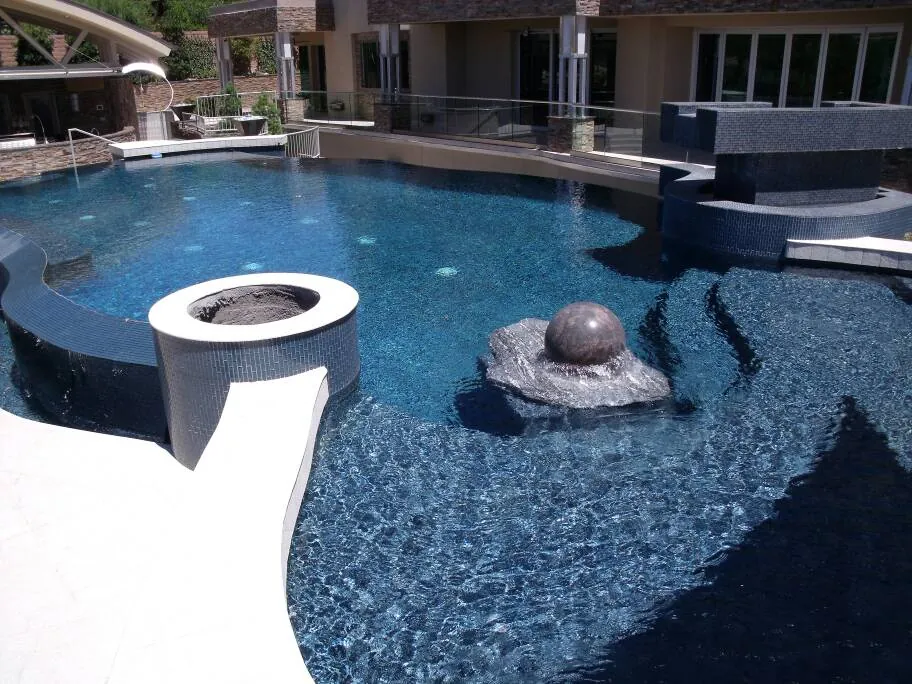
- Mini pebble aggregates are smaller than standard Pebble Tec stones, offering a smoother texture underfoot while maintaining natural appeal.
- Installation costs for Pebble Tec usually run 15-25% higher than generic or branded mini pebble options due to premium material fees.
- Both finishes provide a lifespan of 15 to 25 years, far exceeding the 7-to-10-year life of standard white plaster.
- Surface roughness is a critical factor; larger Pebble Tec stones may feel abrasive to bare feet compared to finer mini pebbles.
- Water chemistry maintenance requires stricter pH control for any exposed aggregate finish to prevent etching or scaling issues.
- Custom color blends are more readily available in mini pebble markets, allowing for unique aesthetic matches to surrounding hardscapes.
What Are The Main Differences?
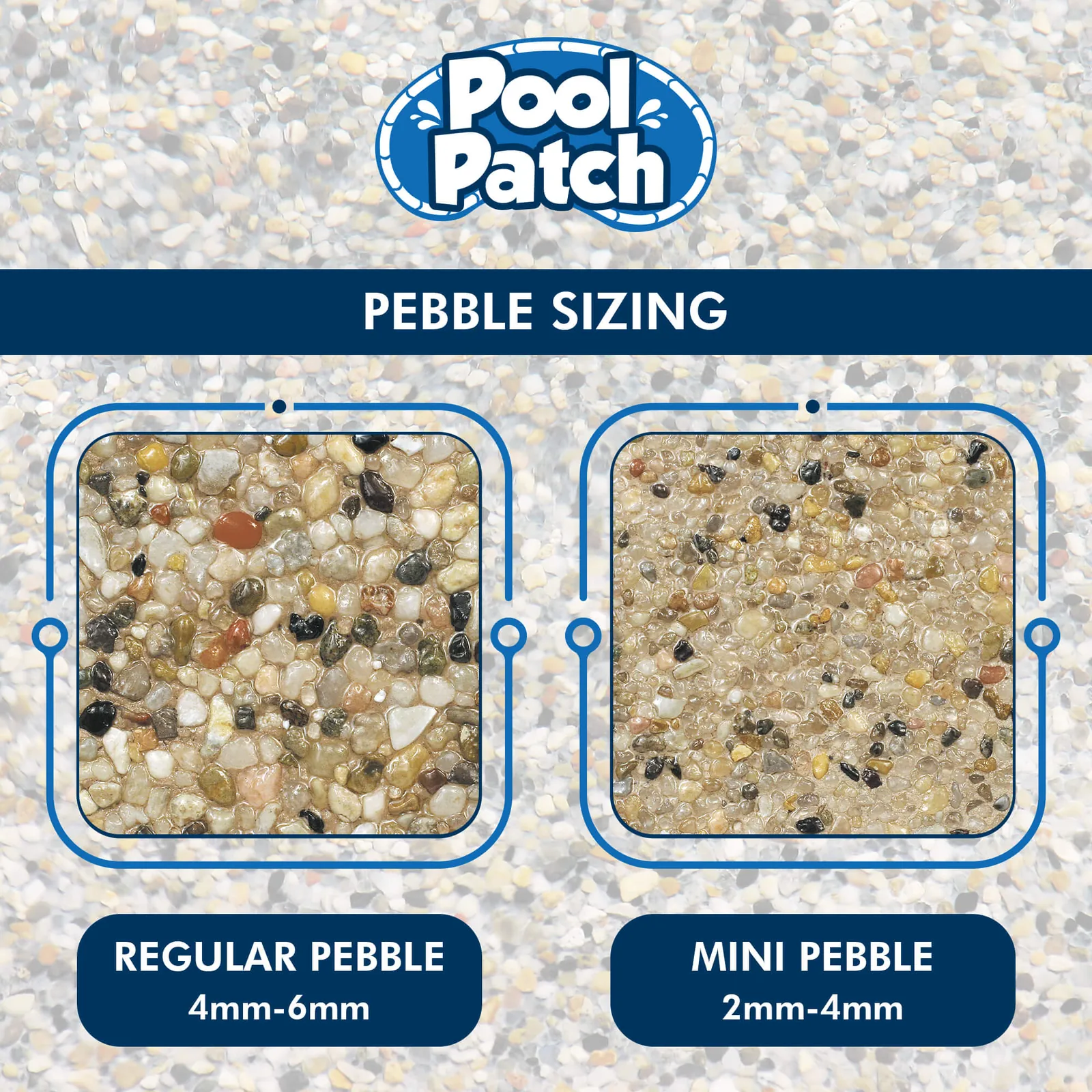
The primary distinction lies in the size of the aggregate stones embedded within the cementitious matrix. Mini pebble finishes utilize smaller river rocks, typically ranging from 3mm to 6mm in diameter. This creates a surface that feels closer to smooth plaster but retains the visual depth of natural stone.
In contrast, Pebble Tec as a specific brand often features larger stones, generally between 6mm and 12mm, resulting in a more pronounced, rugged texture. While Pebble Tec is a proprietary brand name, “mini pebble” has become a generic term used by many manufacturers to describe this finer grade of exposed aggregate.
Aggregate Size And Texture Feel
The tactile experience is the most immediate difference swimmers notice upon entering the water. Smaller stones in a mini pebble finish reduce the risk of abrasion on sensitive skin, making them ideal for families with young children or elderly swimmers.
The larger stones found in standard Pebble Tec applications create a distinct “grip” sensation, which some users prefer for safety against slipping on wet surfaces. However, this same texture can be uncomfortable for those who enjoy lounging directly on the pool floor.
Visual Depth And Color Options
Both finishes offer exceptional visual depth because light refracts differently through water and over varied stone surfaces. Mini pebble finishes tend to present a more uniform, sandy appearance due to the tighter packing of small stones.
Pebble Tec, with its larger, irregular stones, creates a more dramatic, multi-tonal effect that mimics a natural lagoon bed. Many installers offer custom color palettes for mini pebble mixes, whereas Pebble Tec colors are often restricted to their established catalog to ensure consistency across batches.
How Do Costs Compare?
Budget considerations often drive the final decision between these two popular finishes. While both are premium upgrades over standard plaster, the price gap reflects material costs and brand premiums. Generic mini pebble options are frequently priced lower because they don’t carry the licensing fees associated with major brands like Pebble Tec. Additionally, the labor time required to trowel and expose the smaller stones can sometimes be slightly less intensive than working with larger, heavier aggregates.
| Feature | Mini Pebble (Generic) | Pebble Tec (Brand Name) |
|---|---|---|
| Material Cost | Lower per square foot | Higher due to brand premium |
| Installation Labor | Moderate complexity | High complexity, specialized training |
| Total Project Range | $6,500 – $9,500 | $8,000 – $12,000 |
| Warranty Coverage | Varies by installer | Comprehensive manufacturer warranty |
| Color Consistency | Batch dependent | Strictly controlled factory mix |
Long-Term Value Proposition
When analyzing cost, it’s vital to consider the total cost of ownership rather than just the initial outlay. Both finishes offer similar durability, meaning replacement cycles are comparable. However, the robust nature of Pebble Tec often comes with a stronger transferable warranty, which can add resale value to the home.
Conversely, a high-quality mini pebble finish installed by a certified professional can match the longevity at a lower entry price, offering excellent value for budget-conscious homeowners who still desire a luxury look.
Which Finish Lasts Longer?
Durability is the cornerstone of the argument for choosing exposed aggregate over traditional plaster. Both mini pebble and Pebble Tec finishes are engineered to withstand the harsh chemical environment of chlorinated pools for decades. The cement binder holds the stones firmly in place, preventing the delamination and flaking common in older plaster jobs. Under normal conditions, you can expect either finish to last between 15 and 25 years before requiring a resurface.
Resistance To Chemical Damage
The density of the stone aggregate provides a protective shield against acidic water and chlorine degradation. Because the stones themselves are inert, they don’t react chemically with pool sanitizers. The primary vulnerability in both systems is the cement paste surrounding the stones. If water chemistry is neglected, the paste can erode, leading to “etching” where the surface becomes rough or pitted. Proper maintenance is therefore equally critical for both types to achieve maximum lifespan.
Structural Integrity Over Time
Over years of use, the structural integrity of the finish depends heavily on the quality of the initial installation. A well-applied Pebble Tec finish is renowned for its resistance to impact damage from dropped toys or pool equipment.
Similarly, mini pebble finishes, when mixed with the correct polymer additives, exhibit high tensile strength. The key differentiator here is often the installer’s expertise rather than the material itself; a poorly installed premium brand will fail faster than a perfectly installed generic option.
Pro Tip: Always verify the installer’s certification with the specific manufacturer if you choose a branded product like Pebble Tec, as warranties are often voided if non-certified technicians perform the work.
Is Maintenance Different?
Maintaining a pool with an exposed aggregate finish requires a slightly different approach than maintaining standard plaster. The porous nature of the cement matrix means that mineral deposits and algae can cling more easily if water balance is off. However, the stone surface itself doesn’t stain as easily as white plaster, which tends to show dirt and organic debris immediately. Regular brushing remains essential to prevent biofilm buildup in the crevices between stones.
Water Chemistry Requirements
pH levels must be kept strictly between 7.4 and 7.6 to protect the cement bond. High pH levels can cause calcium scaling to form on the rougher surfaces of Pebble Tec, creating a chalky white film that’s difficult to remove. Mini pebble finishes, with their smoother profile, may accumulate scale slightly slower but still require vigilant monitoring. Total alkalinity should also be maintained between 80 and 120 ppm to buffer pH fluctuations effectively.
Cleaning Techniques And Tools
Automated pool cleaners work well with both finishes, but the type of cleaner matters. Suction-side cleaners are generally safe, but pressure-side models with aggressive brushes might wear down the cement paste over time if not adjusted correctly.
Manual brushing should be done with a nylon bristle brush rather than a stiff wire brush, which could dislodge stones. For stubborn stains, a diluted acid wash may be necessary, but this should only be performed by professionals to avoid damaging the aggregate exposure.
Can You Customize Colors?
Aesthetics play a massive role in the decision-making process for pool owners. The ability to customize the look of the pool to match the surrounding landscape or architectural style is a significant advantage of modern aggregate finishes. Mini pebble markets often allow for greater flexibility in blending local stones with colored glass or pigments to achieve unique hues. Pebble Tec offers a curated selection of pre-mixed colors designed to evoke specific environments, such as tropical lagoons or arid deserts.
Blending Local Materials
Some installers specialize in using locally sourced river rocks for mini pebble finishes, creating a truly one-of-a-kind appearance that can’t be replicated elsewhere. This approach allows for subtle variations in tone and texture that reflect the regional geology. It’s an excellent option for homeowners seeking a natural, organic look that blends seamlessly with outdoor living spaces. However, consistency in color can be harder to guarantee with local sourcing compared to factory-controlled mixes.
Pre-Mixed Brand Palettes
Branded products like Pebble Tec provide a guarantee of color consistency across the entire pool surface. Their mixing facilities ensure that every bag of material contains the exact ratio of stones and pigments specified. This eliminates the risk of patchy coloration that can occur if different batches of a custom blend aren’t mixed thoroughly on-site. The trade-off is a limited palette, though their range covers most popular design trends from deep blues to warm earth tones.
What About Slip Resistance?
Safety is a paramount concern, particularly for pools used by children or individuals with mobility challenges. The texture of the pool floor directly impacts slip resistance, especially when the surface is wet. Larger aggregate stones naturally provide more traction than smooth surfaces, but there’s a balance to strike between grip and comfort.
Traction Levels Explained
Pebble Tec’s larger stones create a highly textured surface that offers excellent slip resistance, making it a top choice for steep entry steps and deep ends. However, this same texture can feel rough on bare feet, potentially causing discomfort during extended periods of sitting or lying on the pool bottom. Mini pebble finishes offer a middle ground, providing sufficient traction for safety while remaining gentle enough for comfortable lounging.
Selecting The Right Finish For Your Needs
If your pool is primarily for lap swimming or active play, the extra grip of a standard Pebble Tec finish might be preferable. For resort-style pools designed for relaxation and socializing, the smoother feel of a mini pebble finish often enhances the user experience. Consider the age of your primary users and how the pool will be utilized before making a final decision on texture.
Warning: Avoid installing large aggregate finishes in areas with frequent barefoot traffic if you have family members with sensitive skin or foot conditions, as the rough texture can cause irritation.
Frequently Asked Questions
Which finish is better for cold climates?
Both finishes perform well in freezing temperatures if the pool is properly winterized. The aggregate doesn’t expand or contract significantly with temperature changes, but the cement matrix can crack if water freezes inside it. Proper drainage and air blowing during winterization are more critical than the finish type itself.
Can I convert my old plaster pool to mini pebble?
Yes, converting an existing plaster pool to mini pebble is a common renovation project. The old plaster is usually removed via sandblasting or chipping before the new aggregate mix is applied. This process adds to the total cost but extends the pool’s life significantly.
Does Pebble Tec fade over time?
All pool finishes experience some degree of fading after years of sun exposure, but high-quality aggregates resist UV degradation well. Pigments are often added to the stones themselves rather than just the cement, helping to maintain color vibrancy longer than standard plaster.
How often should I acid wash a pebble pool?
Acid washing should be avoided unless absolutely necessary, as it can strip the cement paste and expose stones prematurely. Routine cleaning with mild detergents and proper water chemistry usually prevents the need for aggressive acid treatments.
Is mini pebble easier to clean than plaster?
Mini pebble is generally easier to keep clean regarding staining, as dirt doesn’t penetrate the stones. However, the textured surface can trap fine debris more easily than smooth plaster, requiring more frequent vacuuming to maintain clarity.
What is the typical warranty period?
Most manufacturers offer a 10-to-15-year warranty on materials and workmanship for premium aggregate finishes. Some brands extend coverage up to 20 years for specific components, provided the pool owner adheres to strict maintenance guidelines.
Conclusion
The right choice ultimately depends on your specific priorities regarding texture, budget, and aesthetic preference. If you value a smoother feel and lower cost, mini pebble is likely your best bet, while Pebble Tec offers a premium brand assurance and rugged texture. Contact a local certified installer today to get a detailed quote and see physical samples of both finishes in person to make the most informed decision for your home.