
The primary result from burning hydrogen is water vapor, though trace amounts of nitrogen oxides can form depending on the specific combustion environment. Because the chemical reaction between pure hydrogen and oxygen produces only water, the emissions from burning hydrogen in a controlled engine or burner often surprise people who expect carbon-based pollutants. If you burn hydrogen in air rather than pure oxygen, the high temperatures involved cause nitrogen from the atmosphere to react, creating small quantities of NOx gases.
Types of hydrogen combustion emissions
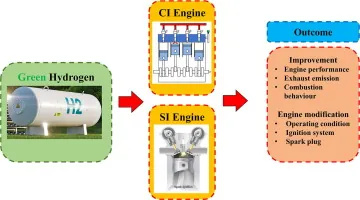
| Emission type | Source | Environmental effect |
|---|---|---|
| Water vapor | Primary reaction | Atmospheric byproduct |
| Nitrogen oxides | Atmospheric reaction | Smog formation |
| Carbon dioxide | Oil contamination | Climate change |
Water vapor
Water vapor is the main byproduct of the hydrogen oxidation process. When hydrogen molecules react with oxygen, they release energy and form H2O as the only major chemical output. This vapor is released as a gas at high temperatures and eventually condenses into liquid water.
While water vapor is a greenhouse gas, its residence time in the atmosphere is short compared to carbon dioxide. The concentration of water vapor from hydrogen combustion typically remains localized and doesn’t lead to long-term global warming in the way that fossil fuel carbon emissions do.
Nitrogen oxides
Nitrogen oxides, often referred to as NOx, form when combustion temperatures exceed approximately 1,600 degrees Celsius in the presence of atmospheric nitrogen. These compounds are a byproduct of the heat and not the hydrogen fuel itself.
If your burner operates at lower temperatures, NOx production stays at minimal levels; if the temperature climbs higher, you must use emission control systems to capture these gases. These pollutants contribute to the creation of ground-level ozone and acid rain, which is why modern hydrogen engines utilize precise air-fuel ratios to manage these levels.
Operators often mistake high-temperature efficiency for total system performance. Pushing for higher thermal efficiency frequently triggers a sharp spike in NOx emissions that necessitates expensive selective catalytic reduction hardware.
Carbon-based trace emissions
Carbon dioxide and carbon monoxide may appear in the exhaust if the hydrogen fuel contains impurities or if the combustion chamber uses lubricating oils that burn during the process. High-purity hydrogen reduces this risk significantly, as the fuel itself contains no carbon atoms.
If you use industrial-grade hydrogen, you might see trace carbon levels resulting from residual hydrocarbons in the storage tanks. For most stationary power applications, using high-purity hydrogen fuel ensures that carbon-based pollutants remain near zero throughout the operational cycle.
If you detect carbon in your exhaust, check your lubricating oil first. Synthetic oils often contain organic compounds that vaporize during high-load cycles. Switching to a dry-sump lubrication system or a high-temperature ceramic coating on cylinder walls can prevent these oils from entering the combustion chamber and creating unintended carbon emissions.
Particulate matter
Particulate matter is virtually nonexistent when burning pure hydrogen because there’s no soot or ash produced during the reaction. Unlike diesel or coal, which release solid carbon particles that damage lung tissue, hydrogen exhaust is clean of fine dust or soot.
This makes hydrogen an attractive option for urban transport where air quality is a primary concern. The lack of solid particulates means that exhaust filters, which are standard on traditional combustion vehicles, aren’t required for managing solid waste from hydrogen flames.
Remaining combustion byproducts

Trace ammonia forms when nitrogen enters the combustion chamber and the fuel-to-air ratio drifts from the stoichiometric ideal. If your exhaust gas analyzer detects ammonia levels exceeding 5 parts per million, check your burner’s primary air intake for leaks. Excess nitrogen often signals a faulty seal rather than a fuel issue.
Unburned hydrogen indicates incomplete combustion, usually caused by a flame temperature that drops below the auto-ignition threshold. This happens most frequently during rapid startup cycles.
Thermal radiation acts as a parasitic energy loss that degrades surrounding structural components.
Choosing your combustion method
You should choose your combustion method based on the required heat output and the available air supply. If you require high-intensity heat for industrial processing, you’ll likely use a high-temperature burner, which requires advanced NOx abatement technology to stay within safety limits.
If you’re using hydrogen for small-scale heating or domestic applications, lower-temperature catalytic systems are usually sufficient to prevent nitrogen oxide formation entirely. These two paths represent a clear trade-off: higher power density necessitates more complex exhaust management, while lower power density allows for simpler, cleaner hardware.
If your process requires temperatures exceeding 1,200 degrees Celsius, prioritize thermal NOx control to comply with local environmental regulations.
When choosing, examine your fuel-to-air ratio. If you operate at a lean burn, you can often bypass expensive abatement equipment. If you must run rich for stability, budget for selective catalytic reduction hardware immediately.
Related guides
Frequently asked questions
Is hydrogen combustion safe for indoor use?
No, hydrogen combustion shouldn’t be used indoors without professional-grade ventilation systems designed for hydrogen gas. Hydrogen is highly flammable and creates water vapor that can lead to mold if not vented outside. Always consult a certified HVAC technician to ensure your specific setup meets local building codes and safety standards for gas combustion appliances.
Does burning hydrogen create carbon dioxide?
No, burning pure hydrogen creates zero carbon dioxide because the fuel contains no carbon atoms. If you detect carbon dioxide in the exhaust, it indicates that your system is burning lubricating oils or that the hydrogen fuel has been contaminated with carbon-based impurities during the storage or delivery process.
How much water vapor does a hydrogen engine produce?
A hydrogen engine produces approximately 9 kilograms of water for every 1 kilogram of hydrogen burned. This ratio is determined by the molecular weight of the reactants and is fixed by the laws of chemistry. You must account for this moisture in your exhaust design to prevent condensation buildup inside your equipment.
Are nitrogen oxides toxic?
Yes, nitrogen oxides are respiratory irritants that can cause lung inflammation and exacerbate asthma when inhaled in high concentrations. They’re regulated by environmental agencies because they react with sunlight to form ground-level ozone. If your hydrogen burner runs at high temperatures, you must use an exhaust treatment system to neutralize these gases.
Does hydrogen combustion produce smoke?
No, hydrogen combustion doesn’t produce smoke because there’s no solid carbon or ash in the fuel. Smoke is a result of incomplete combustion of hydrocarbons, which are absent in pure hydrogen. If you see smoke coming from a hydrogen burner, it’s a sign of a mechanical failure or oil leak.
How often do I need to clean a hydrogen burner?
You should inspect your hydrogen burner for scale or corrosion based on your usage levels, as the manufacturer’s maintenance manual is the final authority on the service schedule. Because hydrogen burns very cleanly, the burner itself requires less cleaning than a natural gas or oil burner. Always check the service log on your specific unit to determine the exact schedule for your model.
Is hydrogen exhaust hot enough to burn me?
Yes, the exhaust gas from hydrogen combustion is extremely hot and can cause severe thermal burns upon contact. Even though the chemical emissions are clean, the physical heat remains a significant safety hazard. Always ensure your exhaust pipes are properly insulated and located away from areas where people or flammable materials might pass by.
Conclusion
Start by inspecting your fuel lines for leaks and ensuring your ventilation system is rated for high-moisture exhaust. You should expect the system to run quietly with clear exhaust gas; the appearance of any dark smoke or soot is the primary sign that you must shut down immediately and call a qualified technician to check for oil leaks or fuel impurities.

1 thought on “What Are the Emissions From Burning Hydrogen Explained”