
Methane capture technology works by trapping gas at its source before it enters the atmosphere, typically using pipes or specialized covers to direct the flow into processing equipment. This process reduces global warming by converting the potent greenhouse gas into usable fuel or destroying it safely. By containing gas within closed systems, these methods prevent leaks from landfills, coal mines, and oil fields.
How methane capture technology components function
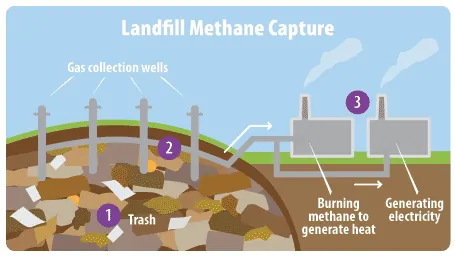
Systems used to collect gas vary depending on the site, but they all rely on specific parts to move and manage the pressure. If you’re checking a site for efficiency, look for these common elements to see if the system is operating as intended.
| Part or input | What it does | What you notice when it goes wrong |
|---|---|---|
| Gas wells | Extract gas underground | Low flow or high oxygen levels |
| Collection pipes | Move gas to plants | Blockages or visible pipe leaks |
| Vacuum pumps | Pull gas from source | Unstable pressure or system alarms |
| Gas flare | Burns excess methane | Visible smoke or missing flame |
| Scrubbers | Remove impurities | Corrosion or foul odors nearby |
When evaluating well performance, check the oxygen concentration. If levels exceed 5 percent, you’re likely pulling in ambient air through surface cracks rather than collecting landfill gas. This dilution reduces the BTU value of your fuel and risks an underground fire.
If you find a blockage, don’t assume it’s debris. Often, the culprit is condensate buildup in low-lying pipe sections. You must install a knock-out pot at these low points to drain the liquid.
Finally, never ignore a flickering flare. If the flame is yellow or produces black smoke, the air-to-fuel ratio is incorrect. Adjust the intake valves immediately to ensure complete combustion and regulatory compliance.
Steps for capturing landfill methane
Capturing methane at a landfill involves a series of steps to ensure the gas reaches the processing plant without leaking into the air. This cycle runs continuously once the system is installed and the vacuum is active.
- Drilling vertical wells into the waste mass occurs first, usually spaced 100 to 200 feet apart depending on the depth of the trash.
- Connecting these wells to a network of horizontal pipes follows, which creates a vacuum seal across the entire surface of the landfill area.
- Activating the central vacuum blower pulls the methane through the pipes, maintaining constant negative pressure to keep gas moving toward the collection point.
- Filtering the gas happens next, where moisture and debris are removed to protect the downstream equipment from damage or clogs.
- Testing the gas quality occurs to determine if the methane concentration is high enough for energy use or if it must be sent to the flare.
- Burning the gas in a flare or sending it to a turbine happens last, which turns the methane into carbon dioxide and water vapor.
Managing system pressure and flow
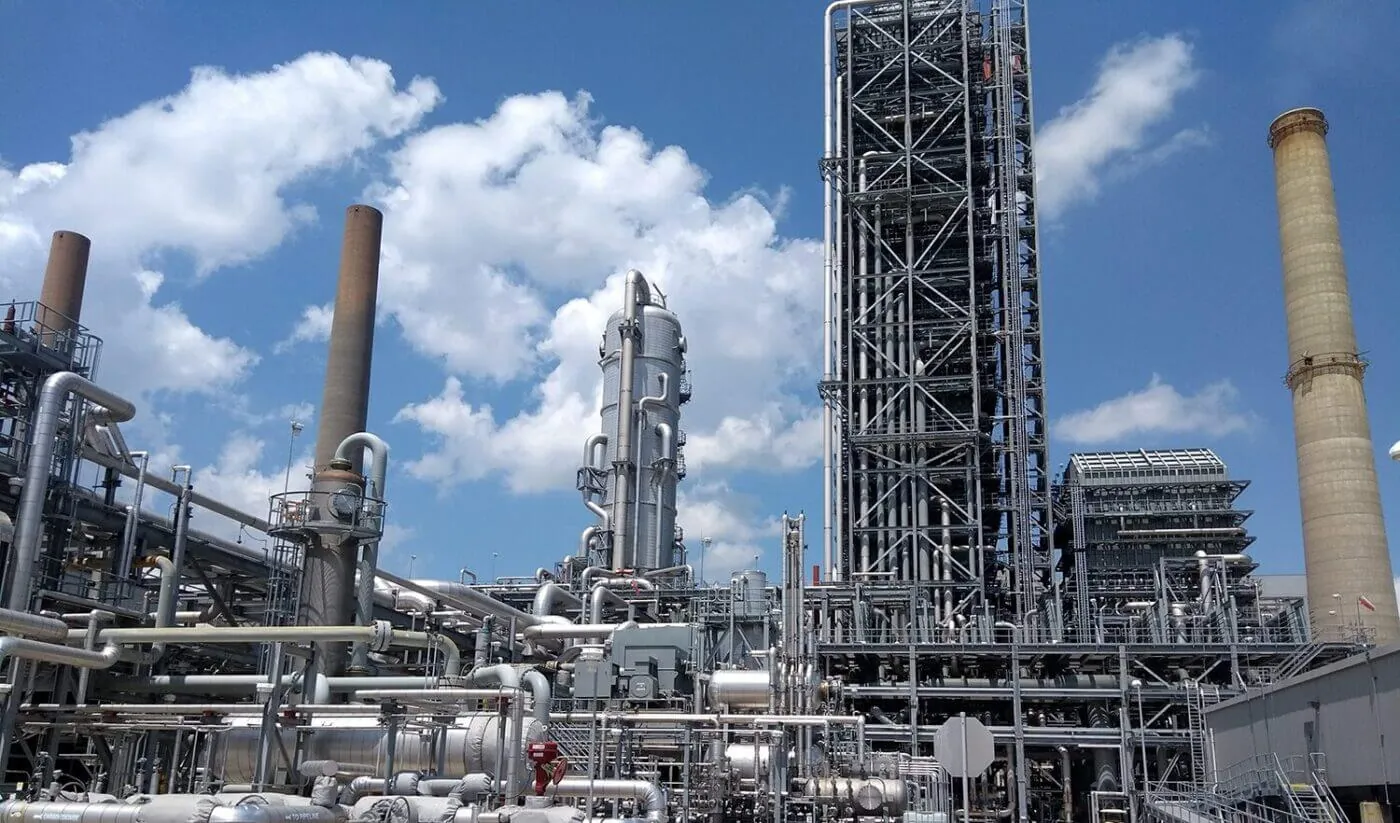
The connection between the vacuum pressure and the gas source is the most critical part of this technology. If the vacuum pressure is too high, the system will pull in too much oxygen from the surface, which creates a fire hazard inside the pipes.
If the pressure is too low, methane will escape through the soil or the landfill cover into the air. Operators must balance these forces to keep the methane flowing toward the processing plant rather than venting into the environment.
A failure in the pipe network often points to a specific issue with the vacuum pump or a physical break in the line. When a leak occurs, the vacuum pressure drops, and the composition of the gas changes quickly.
If you notice a high oxygen reading at a collection well, it’s almost always a sign that the vacuum is pulling air through a crack in the landfill cover or a hole in the pipe. Ignoring these signs leads to lower capture rates and higher emissions. Proper maintenance requires checking the pressure gauges daily to ensure the system is pulling gas correctly.
Controls for system operators
What you can control
- Vacuum pump speed settings.
- Flow rates at individual wells.
- Flare temperature and duration.
- Maintenance schedules for scrubbers.
What is fixed by design
- Well depth and placement.
- Pipe diameter and material.
- Geology of the site area.
Safety is the priority here; if you see a damaged pipe or smell gas, don’t attempt to fix it yourself. These systems operate under pressure and involve flammable materials, so they require professional technicians with specific certifications to handle repairs safely. Contact your site supervisor or the environmental safety office immediately if you detect a major leak or a drop in system performance.
Habits for better capture performance
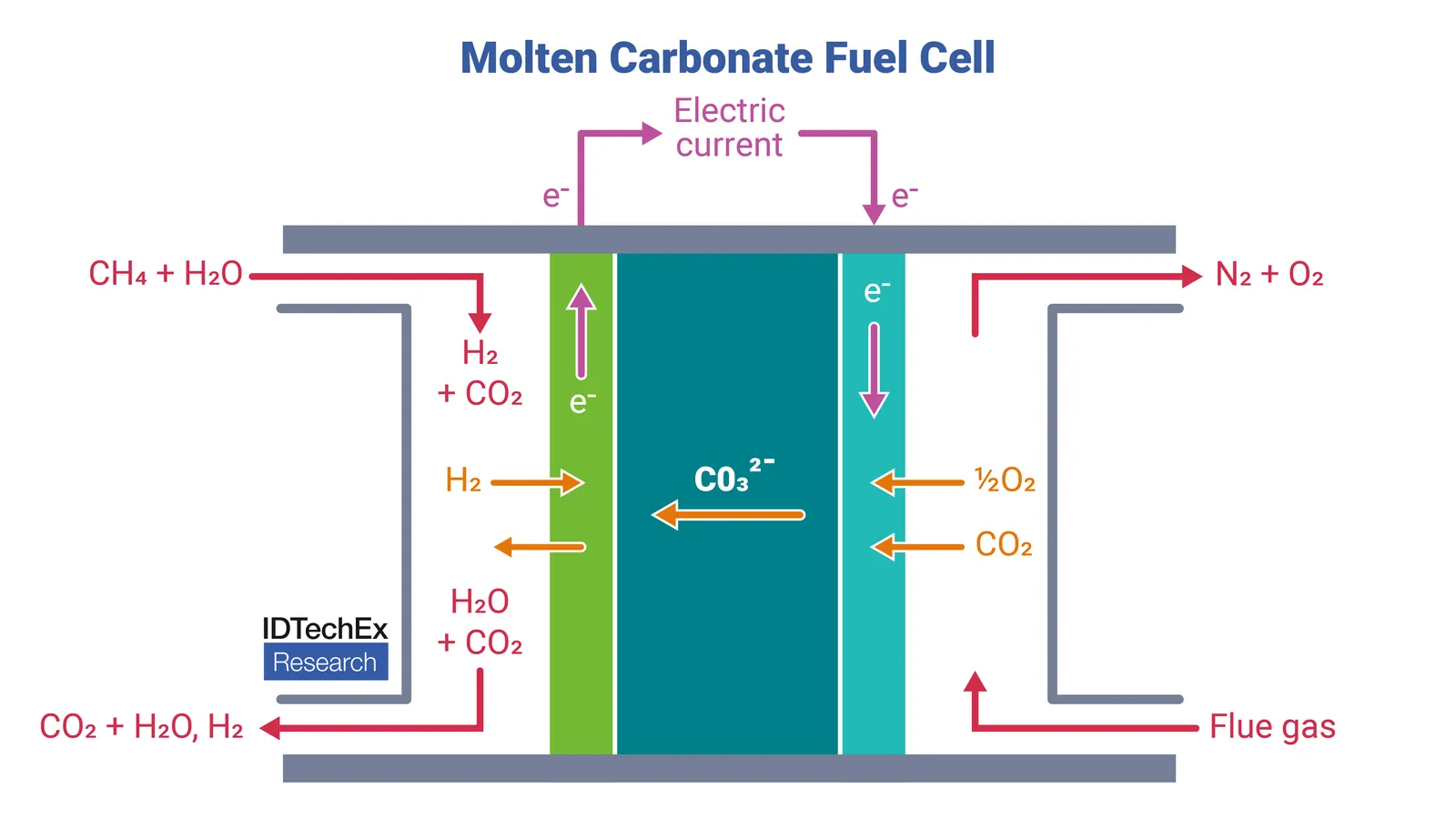
Consistent monitoring of the vacuum levels is the most effective way to keep the system running at its best. If you check the pressure gauges at each wellhead once a day, you can spot a small leak before it becomes a major failure. Recording these numbers in a logbook helps you notice trends over time, such as a steady decline in pressure that might indicate a clogged pipe.
A common mistake is tightening valves to the maximum setting during a drop in flow. This often triggers a vacuum spike that pulls oxygen into the system, risking subsurface fires. If your oxygen levels rise above 5%, stop adjusting the valves and check for surface cracks instead.
Keep the ground around the wells clear of debris, as heavy equipment or shifting soil can crush the pipes underneath.
Small, frequent adjustments to the wellhead valves are better than large, sudden changes. Always verify your site-specific manual for the exact pressure range, as this varies based on the age of the landfill and the moisture levels in the waste.
Frequently asked questions
How much methane is captured?
Capture rates typically range from 60% to 90% at well-managed sites, but this depends entirely on the age of the waste and the type of cover used. You can check the specific capture efficiency for your location by reviewing the annual emissions report filed with your local environmental agency.
Why does the system smell like rotten eggs?
The smell is usually hydrogen sulfide, a gas often found alongside methane in decaying waste. If you smell this, it often means the gas is venting through a small crack in the soil or a loose pipe connection rather than going through the capture system.
Is it safe to be near a methane capture site?
It’s safe if you stay on marked paths and follow all site security rules, as the system is designed to keep gas contained and away from workers. Avoid smoking or using open flames near any collection equipment, as methane is highly flammable and can ignite if a leak is present.
How long does a capture system last?
Components like vacuum pumps and turbines typically last for a significant period with regular maintenance, while the underground pipe network can last much longer. The lifespan varies based on the corrosive nature of the landfill gas and the quality of the materials installed at the start.
What happens if the power goes out?
The vacuum pumps will stop, and the methane will start to build up pressure inside the landfill until the power returns. Most sites have backup generators to keep the blowers running, as a total loss of vacuum can lead to dangerous pressure buildup and gas migration into nearby soil.
Does it matter if the weather is rainy?
Rain can increase the moisture in the gas, which makes the scrubbing process work harder to keep the equipment clean. If you see higher water levels in the collection pipes, it means the drainage system needs a check to prevent the gas flow from being blocked by liquid.
Conclusion
Technology that captures methane is an essential tool for managing waste and protecting the air. By keeping the vacuum systems running and the pipes clear, operators can turn a harmful waste product into a valuable energy source while preventing significant climate impact. Consistent attention to these systems ensures they remain effective for their entire design life.
