
Local sports stores, consignment shops, and online marketplace platforms are the most reliable used exercise equipment buyers for people looking to sell their gear. These entities provide a way to turn unused machines into cash or store credit, depending on the business model they operate. While some shops buy inventory directly for cash, others act as intermediaries that connect you with local buyers who handle the transportation themselves. The main difference between these options is whether you prioritize a fast, guaranteed sale or the potential for a higher profit margin.
Selling Options At A Glance
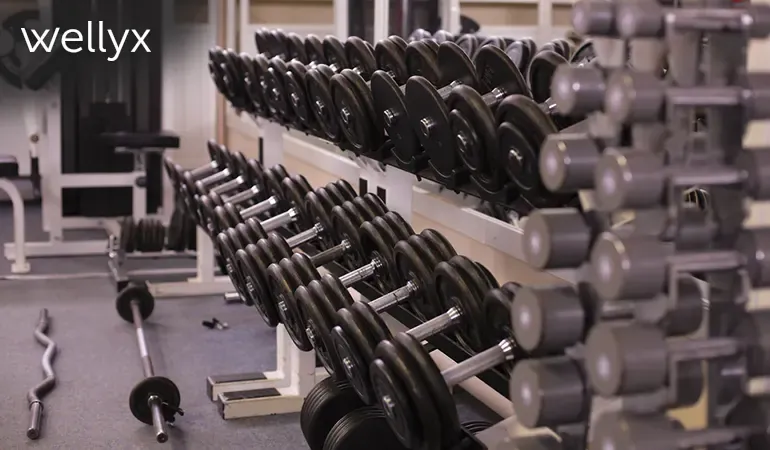
You can determine the right partner by considering your equipment type and the speed at which you need the sale completed. Most local shops focus on standard cardio gear, while online platforms allow for a wider reach for specialty items.
| Business Type | Best For | Concrete Example |
|---|---|---|
| Sports Consignment | High-quality cardio machines | Play It Again Sports |
| Online Marketplaces | Maximum profit potential | Facebook Marketplace |
| Specialty Gym Dealers | Commercial-grade equipment | Local fitness equipment retailers |
| Pawn Shops | Immediate cash liquidation | Neighborhood pawn brokerage |
| Fitness Recycling | Broken or obsolete gear | Local scrap metal collectors |
If your item weighs over 150 pounds, prioritize local dealers who offer pickup services. Attempting to ship a heavy treadmill via standard parcel services often costs more than the machine’s resale value.
Check the model number against current listings before choosing a venue. If you see ten identical units listed in your area, avoid online marketplaces where price wars are inevitable. Instead, approach a specialty dealer who can bundle your unit with a service contract.
Many sellers mistake “asking price” for “market value.” Holding out for a higher offer usually results in the equipment losing further value as newer models hit the market.
Sports Consignment Shops
These stores act as a middleman between you and the customer, taking a percentage of the final sale price. This route suits owners who have functional, clean equipment but lack the time to manage inquiries or meet strangers at their homes.
They handle the marketing, display, and final transaction with the end user. The shop provides a professional setting, which increases the likelihood of a quick sale. You avoid the risk of inviting unknown people into your private residence. Most stores charge a commission fee between 30% and 50% of the sale price.
If you have a treadmill in good working order, take it to a local consignment shop for an appraisal. They will inspect the belt condition and motor noise before agreeing to put it on their sales floor. If the item doesn’t sell within 60 days, you’re usually responsible for picking it up or agreeing to a price reduction.
Avoid the mistake of dropping off gear without a signed inventory sheet. Without this document, you have no legal proof of ownership if the item vanishes from the floor. Always ask for a copy that lists the item’s condition and the agreed-upon floor price.
If your item is of low value, skip consignment entirely. The commission split rarely justifies the effort, and you’re better off donating it for a tax deduction.
Online Marketplaces
Online platforms are ideal if you want to keep 100% of the sale price and have the time to manage communication. This method suits sellers who are comfortable negotiating prices and can safely manage the pickup of heavy items like power racks or rowing machines.
- You control the listing price and can adjust it based on immediate market interest.
- Direct communication allows you to vet potential buyers before providing your address.
- You reach a much larger pool of local buyers than a physical shop can offer.
- Platforms like Facebook Marketplace allow you to see a buyer’s profile, which helps verify their identity.
When listing, always include clear photos of the equipment from multiple angles. If you’re selling an adjustable dumbbell set, list the exact weight range to avoid repetitive questions. If the buyer doesn’t have a truck, you must clearly state that they’re responsible for all moving arrangements to avoid liability during the transport process.
Specialty Gym Dealers
Specialty fitness retailers occasionally purchase high-end commercial equipment from private owners to refurbish and resell. This is the best route for owners of premium brands like Life Fitness or Precor machines that hold value over time.
- These buyers have the technical knowledge to assess the true condition of complex electronics.
- They often provide professional pickup services, saving you the labor of moving heavy items.
- They pay based on the current market value for refurbished commercial units.
- This isn’t for entry-level home equipment, as the margins are often too thin for them to justify the labor.
If you have a commercial-grade machine, check the serial number and model year before calling. Dealers typically request this info to determine if parts are still available for repair. If you’re selling an older unit, be prepared for them to reject it if the manufacturer no longer supports that model. The Consumer Product Safety Commission maintains a list of recalled items that these dealers will refuse to buy for liability reasons.
Pawn Shops
Pawn shops offer the fastest path to cash for those who need to clear space immediately. This option is for sellers who value speed over the final amount received, as these shops must resell the item for a profit.
- You receive cash or a check the moment they agree to the buy.
- There’s no waiting period for a customer to show up or express interest.
- The process is simple: you bring the item in, they test it, and offer a price.
- They generally avoid large, bulky machines like elliptical trainers due to limited floor space.
If your item is smaller, such as a set of kettlebells or a weighted vest, a pawn shop will likely offer you about 30% to 50% of the current resale value. Always call ahead to ask if they’re currently accepting fitness gear, as their inventory needs change weekly based on local demand.
Most sellers make the mistake of bringing items in without cleaning them first. A dusty or rusted weight plate signals neglect, which gives the appraiser a reason to lowball your offer. Spend ten minutes wiping down your gear to secure a higher price. If the shop offers you less than 30% of the resale value, walk away. You’re likely dealing with a store that’s overstocked on that specific category.
Other Buying Channels
Fitness Equipment Liquidators buy large quantities of gear from closing gyms. If you have a full room of equipment, contact a liquidator who handles bulk acquisitions. Expect to receive 30% to 50% of the current market value, as these companies must account for their own transport, storage, and refurbishment costs before reselling.
University Surplus Departments often buy used weight sets or benches for student centers. Reach out to the athletic department head if you’re selling high-durability, professional-grade strength training gear. These departments prioritize items that meet current safety certifications, so keep your original manuals and maintenance logs handy to speed up the procurement process.
Local Athletic Clubs sometimes look for extra equipment for personal training areas. If your gear is commercial quality, ask the manager if they’re expanding their current training floor. If the equipment is residential grade, don’t bother; they will decline it to avoid liability issues and the higher maintenance demands of non-commercial components.
How To Choose Used Exercise Equipment Buyers
Your choice depends on three factors: the weight of the item, your timeline, and the equipment quality. If you have a small, portable item and need cash within the hour, choose a pawn shop. These shops prioritize immediate liquidity over market value, often paying only 30% to 50% of the resale price.
If you have a large treadmill or heavy rack and want the highest return, use an online marketplace. Expect to spend at least three hours coordinating logistics and answering messages from potential buyers. If your gear is professional-grade and you want a hands-off experience, contact a specialty dealer. They will handle the marketing and transport, though they typically take a 20% to 40% commission.
Most people fail by attempting two paths at once. You can’t list an item online while a consignment shop holds it, as double-selling leads to broken contracts and lost reputation. If you need the money by Friday, skip the dealer.
Related guides
- 6 Types of Testing Equipment Used in Electrical Engineering
- What Is Nomex Honeycomb and What Is It Used For
- How Glulam Is Made and Used in Structural Applications
Frequently asked questions
How do I know what my used machine is worth?
You can find the value by checking current listings for the same model on local marketplaces. Look at the price of items that have been listed for more than two weeks, as these are likely overpriced.
Is it safe to sell to strangers online?
It’s safe if you follow standard security steps like meeting in a public place or having a friend present. Never share your home address until you have verified the buyer is serious. If you feel uncomfortable during the process, trust your instincts and end the conversation immediately.
What happens if the buyer breaks the machine during transport?
The responsibility for damage during transport lies with the buyer once the item leaves your possession. Always take photos of the equipment in working condition right before they load it. This documentation protects you if a buyer tries to claim the machine was already broken after they move it.
Do I need to clean the equipment before selling it?
Use a damp cloth and mild soap to wipe down all surfaces. A clean, dust-free machine suggests that you took good care of the internal parts as well.
Can I sell broken equipment for parts?
You can sell broken items, but you must clearly label them as “for parts only” in your listing. Many buyers look for specific motors or consoles to fix their own machines. Be honest about exactly which component is failing so the buyer knows if the purchase is worth the effort.
How do I handle heavy equipment pickup?
You should require the buyer to provide the labor and equipment for moving heavy items. Don’t attempt to help move a 300-pound treadmill unless you have the proper lifting gear and help. If the buyer can’t move it safely, it’s safer to cancel the sale than to risk injury.
Conclusion
Start by researching the current resale prices for your specific model online to set a realistic expectation. You should expect to receive roughly 40% to 60% of the original retail price for equipment in good condition. If you notice structural cracks in the frame or frayed wiring, it’s time to stop and contact a professional recycler, as selling damaged gear poses a significant safety risk to any future user.
