
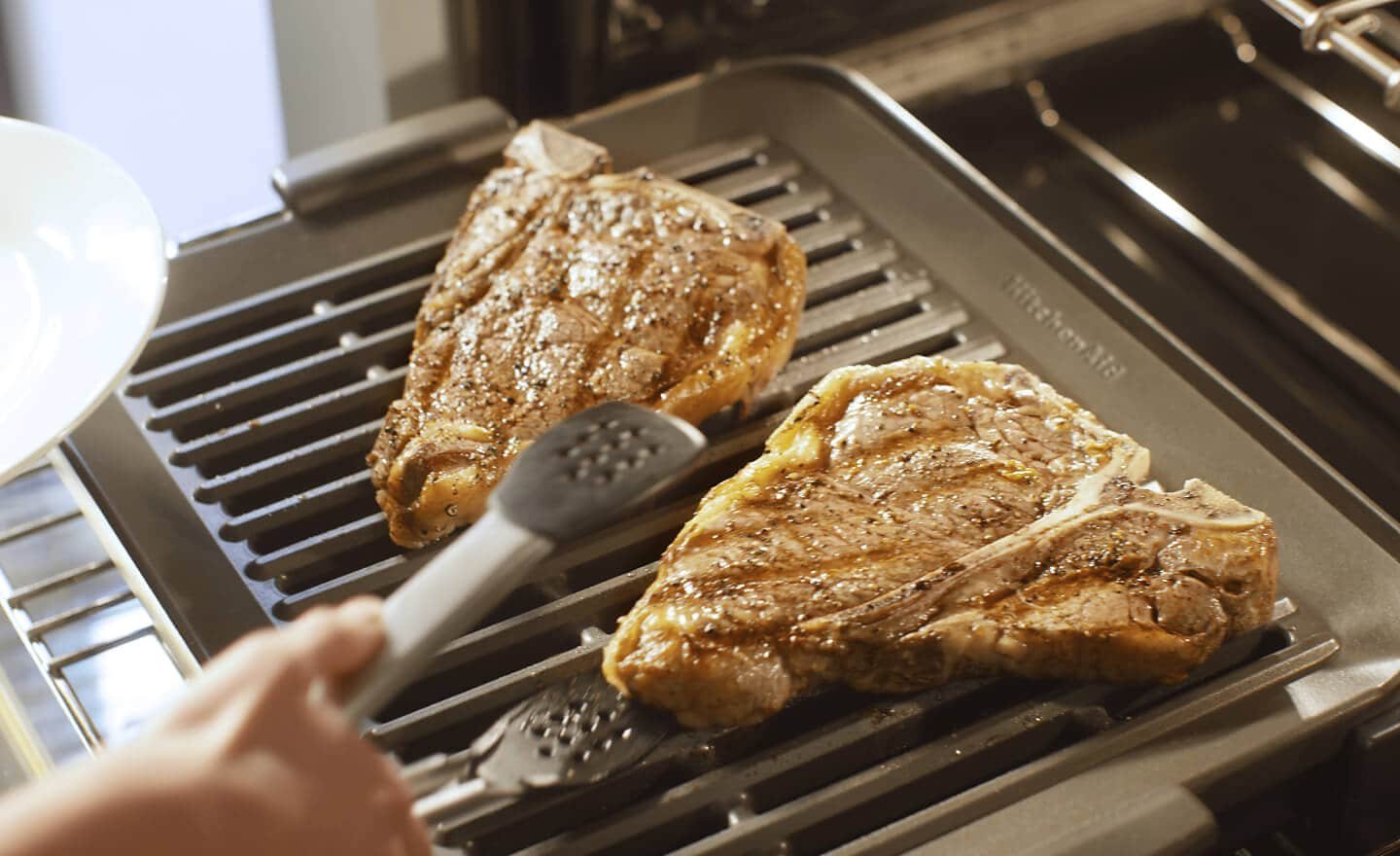
You can grill in an oven by using the broiler setting, which exposes food to direct, intense radiant heat from the top element. This method mimics a grill by quickly searing the surface of your ingredients. To achieve the best results, position your rack near the top and monitor the food closely, as the heat can burn items in minutes.
Understanding the Broiler Function
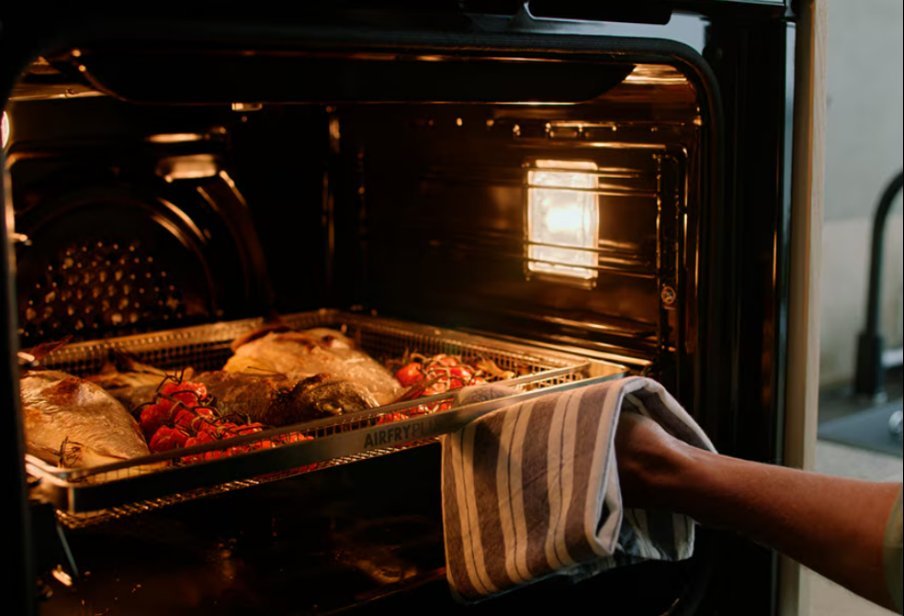
The broiler is a specialized heating element located at the top of your oven interior. Unlike standard baking, which uses ambient heat to cook the entire item evenly, the broiler provides intense, concentrated thermal radiation. It’s designed for foods that cook quickly and benefit from a charred or browned exterior, such as steaks, fish fillets, vegetable slices, and open-faced sandwiches.
Most people mistakenly believe that the broiler is just a “high heat” setting for baking, but it’s a distinct cooking mode that requires active supervision. Because the element stays on continuously rather than cycling on and off like a standard bake setting, the temperature can climb rapidly. This makes it an ideal tool for finishing dishes or creating a crisp crust, but it isn’t suitable for thick roasts or large whole birds that need to cook through to the center without burning the outside.
The most common error is leaving the oven door fully closed during broiling. This traps moisture and causes the food to steam rather than sear. Always follow your manufacturer’s instructions regarding door position; most modern ovens are designed to be used with the door fully closed. This simple adjustment ensures the heat remains dry, which is the only way to achieve a true Maillard reaction.
Use the rack position as your primary variable for heat control. If the food is thicker than one inch, move the rack to the middle position. If you’re melting cheese or browning a thin topping, place the rack within four inches of the element. If you see smoke, the fat is rendering too fast; move the rack down one level immediately.
If your oven has a “High” and “Low” broil setting, use the decision rule of density. Use “High” for thin items like shrimp or bread. Use “Low” for thicker cuts of meat that require a slower sear to prevent the surface from becoming carbonized before the interior reaches a safe temperature.
How to Broil Food Safely
- Move the oven rack to the highest or second-highest position. Ensure the rack is at least 3 to 4 inches away from the heating element to prevent accidental flare-ups.
- Preheat the broiler for 5 to 10 minutes. This ensures the element is glowing and ready to provide consistent, high-intensity heat.
- Place your food on a broiling pan or a heavy-duty rimmed baking sheet. If you use a standard sheet, line it with foil for easy cleanup, but be aware that high heat can make thin foil brittle.
- Set the oven to the “Broil” setting. If your oven has “High” and “Low” options, start with “High” for meats and “Low” for delicate items like fish or vegetables.
- Place the pan in the oven and leave the door slightly ajar if your manufacturer’s manual recommends it. This allows moisture to escape, which encourages browning rather than steaming.
- Check the food frequently. Because the heat is so intense, it’s common for the surface to change from golden to burnt in under 60 seconds.
- Use a digital thermometer to verify doneness. According to FoodSafety.gov’s safe minimum internal temperatures, you must cook whole cuts of meat to 145°F and ground meats to 160°F.
The most important judgement call is distance. If the food is too close, the outside burns before the inside is ready; if it’s too far, you lose the searing effect.
Essential Broiling Settings and Times
This table assumes the use of a standard electric or gas oven. If you have a convection broiler, the added airflow will speed up the cooking process by about 20%; start checking your food early to prevent overcooking.
| Situation | What to use | How long | What to watch for |
|---|---|---|---|
| Thin Steaks | High setting | 4-6 min/side | Deep brown crust |
| Fish Fillets | Low setting | 3-5 min total | Flesh is opaque |
| Vegetable Slices | High setting | 5-8 min total | Charred edges |
| Chicken Pieces | Low setting | 10-15 min total | Clear juices |
| Toast/Cheese | High setting | 1-2 min total | Golden bubbling |
Distance from the heat source is the most common mistake home cooks make. If your broiler rack is adjustable, place it four inches from the element for high-heat searing. Move it to six or eight inches for items like chicken that require internal doneness without burning the exterior.
Use the “High” setting exclusively for items that benefit from a Maillard reaction, such as steaks or peppers. If you’re preparing delicate items like flaky white fish or thick-cut vegetables, switch to “Low.” This prevents the outer layer from turning bitter before the center reaches the proper temperature.
When broiling, the decision rule is simple: if the food has a high fat or sugar content, watch it constantly. Cheese and bread can transition from perfectly golden to carbonized in under sixty seconds. If you see smoke, remove the pan from the oven immediately.
Finally, always preheat your broiler for at least five minutes. A cold element produces uneven results and forces you to leave the oven door open longer, which disrupts the consistent heat required for a professional-grade char.
Mastering the Results
Success with the broiler comes down to moisture management and preparation. Experienced cooks always pat their food completely dry with paper towels before placing it in the oven. Moisture on the surface creates steam, which prevents the Maillard reaction—the chemical process that creates the savory, brown crust associated with great grilling. If you skip this step, your meat will look grey and limp instead of charred and appetizing.
Another detail is the order of operations. Never add sauces or marinades containing sugar, honey, or maple syrup at the beginning of the process. Sugars burn almost instantly under the direct heat of a broiler. Instead, apply these glazes during the final two minutes of cooking. This allows the sauce to caramelize and stick to the food without turning into bitter, black carbon. Always leave the oven door in the position recommended by your user manual; some modern ovens are designed to stay closed, while older models require a crack to keep the thermostat from shutting the element off.
Common Broiling Issues
| What you notice | What it usually means | What to do first |
|---|---|---|
| Smoke pouring out | Fat dripping or sugar burning | Remove pan, lower rack |
| Surface is burnt | Too close to element | Move rack down one level |
| Meat is grey | Food was wet or too far | Pat dry, move rack up |
| Uneven cooking | Pan is off-center | Rotate pan 180 degrees |
Smoke often signals that your broiler pan is too shallow. If you see thick, white clouds, the fat has reached its smoke point. Move the rack down at least three inches to stop the flare-up. If the smoke is black, check for food debris on the heating element. A dirty element costs you flavor and creates acrid, bitter notes.
Surface burning happens when the food is within two inches of the element. This creates a carbonized crust before the center reaches a safe temperature. If the surface is burning, remove the food from the oven to prevent further charring.
Grey meat is the most common failure. It occurs when moisture creates steam instead of a Maillard reaction. Always pat your proteins dry with a paper towel before adding oil. If the meat remains grey after five minutes, move the rack up one level to increase the heat intensity.
Uneven cooking is usually a result of hot spots in the oven cavity. Most home broilers don’t heat the entire width of the rack equally. If your pan is large, rotate it 180 degrees halfway through the cooking time. If you notice one side browning faster than the other, shift the pan toward the cooler side of the oven. This simple adjustment ensures an even finish across the entire surface.
Safety and Equipment Rules
You must never use glass or ceramic bakeware under the broiler. According to the safety guidelines provided by major appliance manufacturers, these materials aren’t designed to withstand direct radiant heat and may shatter. Always use heavy-duty metal pans, such as cast iron or stainless steel, which can handle the extreme temperatures without warping or breaking.
If you’re using a dedicated broiling pan, ensure the slotted top piece is clean. Old grease left in the bottom tray will smoke and eventually catch fire when exposed to the high heat of the broiler. If you don’t have a dedicated pan, a heavy-duty rimmed baking sheet is a safe alternative. Never line your broiler pan with parchment paper, as it will catch fire; use aluminum foil only if it’s tucked tightly around the edges to avoid catching the draft of the heating element. If you ever experience a fire inside the oven, keep the door closed and turn the heat off immediately. Never attempt to open the door to move the food, as the sudden rush of oxygen can cause a flare-up.
Maintaining Your Oven
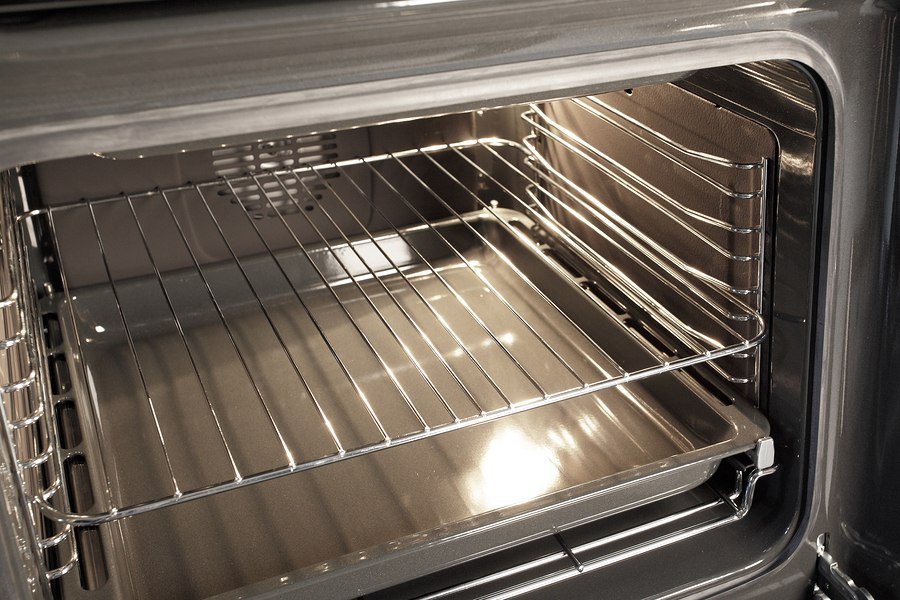
Keeping your oven clean is essential for safe broiling. Accumulated grease and food spills on the walls or the floor of the oven will smoke every time you turn on the broiler. If your oven has a self-cleaning feature, use it according to the manufacturer’s instructions, but remove all racks first, as high heat can warp the metal finish.
For routine maintenance, wipe down the interior with a damp cloth after the oven has cooled completely. Avoid using harsh chemical sprays near the heating elements, as residue can cause odors or smoke during future use. If you notice the heating element is sagging or has visible cracks, don’t use the broiler. A damaged element can cause uneven heating or electrical shorts. This is a technician-only repair; because an oven contains high-voltage components that can hold a charge even when unplugged, you should contact a professional service provider to inspect and replace the part.
Most homeowners make the mistake of using steel wool or abrasive pads on the oven floor. This ruins the protective enamel coating, which invites future rust and makes grease stick more aggressively. If you see deep scratches on the bottom, stop scrubbing immediately. Use a gentle degreaser and a microfiber cloth instead to preserve the finish.
The decision rule for deep cleaning is simple: if the buildup is under a quarter-inch thick, a paste of baking soda and water works best. If the carbonized grease exceeds that depth, you must use a commercial oven cleaner. Apply the cleaner only to the walls, never the heating elements or the convection fan.
If your oven produces a persistent, acrid smell despite a clean interior, check the door gasket. Run your hand carefully around the seal while the oven is warm. If you feel a draft, the heat is escaping, which forces the thermostat to overwork. If the seal is brittle or torn, replace it immediately to prevent internal component overheating.
When to Avoid Broiling
Broiling is a poor choice for thick, bone-in cuts of meat. Because the heat is so intense, the outside will become charred and bitter long before the heat reaches the bone. For these cuts, use a standard roasting method or a slow-cooker instead.
As a rule of thumb, avoid broiling any protein thicker than one inch. If you use the broiler on a two-inch ribeye, the exterior will reach a carbonized state before the center even registers as rare. You lose the ability to control the internal temperature, often resulting in a grey band of overcooked meat surrounding a cold, raw core.
Similarly, don’t use the broiler for delicate items that require a gentle, consistent temperature to rise, such as soufflés or sponge cakes. These items need the ambient heat of a standard bake setting to set their structure. If you try to broil them, the top will set and burn while the center remains raw liquid.
A common mistake is attempting to use the broiler to “finish” a baked good that has failed to brown. This error often costs you the entire dish, as the intense infrared radiation can incinerate surface sugars in under sixty seconds. If your recipe calls for a golden top but the center is still soft, use a tent of aluminum foil to cover the item while it finishes baking in the oven.
If you’re unsure if your food can handle the heat, check the distance between the rack and the element. If the food sits closer than four inches to the heating element, the risk of localized burning outweighs the benefit of surface browning. In those cases, rely on the oven’s convection setting to achieve a uniform, golden crust without sacrificing the integrity of the center.
Frequently asked questions
Can I use a glass pan under the broiler?
No, you can’t use glass or ceramic pans under the broiler. These materials aren’t rated for intense radiant heat and can shatter. Always use heavy-duty metal bakeware, such as stainless steel or cast iron, which can withstand extreme temperatures.
How do I know if my meat is done?
You must use a digital food thermometer to ensure meat reaches a safe internal temperature. Whole cuts should reach 145°F, while ground meats require 160°F. Visual cues aren’t reliable indicators of safety, as the surface may appear cooked while the interior remains raw.
Why is my oven smoking when I broil?
Smoke is usually caused by fat or food residue burning on the pan or oven floor. To prevent this, ensure your pan is clean before cooking.
How far should the food be from the element?
You should keep your food 3 to 4 inches away from the broiler element. If the food is too close, the intense radiation will cause the surface to burn before the interior cooks through. Use the top or second-highest rack position for most items.
Is it safe to leave the oven door open?
It depends on your specific oven model. Many manufacturers recommend leaving the door cracked open to allow moisture to escape, though some modern ovens require the door to remain closed. Always check your manufacturer’s manual for your specific appliance’s requirements.
Grill oven, in short
Keep a close eye on your food while it cooks, as that intense heat works fast. Once you’re comfortable with the settings, try broiling marinated chicken thighs or a thick piece of salmon for a delicious, charred finish. You’ll find it’s a simple way to bring restaurant-quality flavor to your kitchen.