
Have you ever wondered what happens inside your bagless vacuum cleaner when you turn it on? Understanding how this handy device works can change the way you clean your home.
When you know the secrets behind its powerful suction and dirt collection, you’ll feel more confident using it and keeping it in top shape. You’ll discover the simple science that makes bagless vacuum cleaners so effective and why they might be the perfect choice for your cleaning needs.
Keep reading to unlock the mystery and make your cleaning routine easier and smarter.
Bagless Vacuum Basics
Bagless vacuum cleaners offer a modern way to keep homes clean. They do not use disposable bags to collect dust and dirt. Instead, they rely on built-in containers that are easy to empty and reuse. This design saves money on bags and makes it simple to see when the vacuum needs emptying. Understanding how these vacuums work helps users appreciate their convenience and power.
Key Components
Bagless vacuums have several important parts. A motor creates the power needed for suction. A dustbin or canister collects the dirt and debris. Filters trap fine dust to keep air clean. Brushes or rollers help loosen dirt from floors. Each part works together for effective cleaning.
How Suction Is Created
The motor inside the vacuum spins fast. It moves air through the machine, creating a vacuum. This vacuum pulls dirt and dust from floors into the dustbin. Strong suction is key to picking up even small particles. The airflow must be steady to keep the vacuum working well.
Role Of Cyclonic Technology
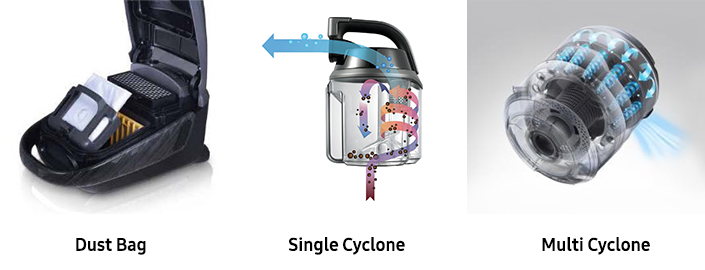
Cyclonic technology separates dust from the air. Air spins in a cyclone shape inside the dustbin. Centrifugal force pushes dirt to the sides and bottom. Clean air escapes through the filters. This method keeps suction strong and prevents clogs. It also reduces the need to replace filters often.

Credit: www.explainthatstuff.com
Cyclonic Separation Explained
Cyclonic separation is the key technology behind bagless vacuum cleaners. It uses a spinning motion to separate dust and dirt from the air. This method keeps the vacuum working efficiently without needing bags. Understanding how cyclonic separation works helps explain the benefits of bagless models.
Here is a closer look at the process and why it matters.
Airflow Patterns
Air enters the vacuum at high speed. It moves in a circular path inside a cylindrical chamber. This spinning air creates a strong force called centrifugal force. The force pushes dust and debris outward, away from the air stream. Clean air then moves up and out of the vacuum.
Dust And Debris Separation
The spinning air causes heavier particles to move to the chamber’s edge. These particles lose speed and fall into a collection bin. Lighter air and tiny dust particles rise and exit through a filter. This process reduces clogging and keeps suction power steady.
Advantages Over Traditional Bags
Without bags, there is no loss of suction from blockages. The bin is easy to empty and clean. Cyclonic separation also saves money by eliminating the need for replacement bags. It helps maintain strong suction longer than bagged vacuums.
Filtration Systems In Bagless Models
Bagless vacuum cleaners rely on advanced filtration systems to keep dust and allergens trapped. These systems help clean the air that comes out of the vacuum. They protect your home and improve indoor air quality.
Filtration systems in bagless models are designed to capture tiny particles. These particles can include dust, pollen, pet dander, and other allergens. A strong filtration system is essential for people with allergies or asthma.
Hepa Filters And Their Importance
HEPA filters are a key part of many bagless vacuum cleaners. They capture 99.97% of particles as small as 0.3 microns. This includes many allergens and dust mites. HEPA filters help prevent these particles from escaping back into the air. This keeps your home cleaner and healthier.
Multi-stage Filtration
Multi-stage filtration uses several layers to trap dirt and dust. The first stage catches larger debris. The next stages trap smaller particles. This system protects the motor and improves vacuum performance. It also helps the HEPA filter last longer by reducing its load.
Filter Maintenance Tips
Regular cleaning of filters keeps your vacuum working well. Wash or tap out filters gently to remove dust. Replace filters as recommended by the manufacturer. Dirty filters reduce suction and air quality. Proper maintenance extends the life of your vacuum.

Credit: www.youtube.com
Benefits Of Bagless Vacuums
Bagless vacuum cleaners offer several benefits that make cleaning easier and more practical. They eliminate the need for replacement bags, saving money and reducing waste. Their design allows for quick dirt disposal and simple maintenance. Many people find bagless models more convenient for everyday use.
Cost Savings
Bagless vacuums do not require buying bags regularly. This cuts down ongoing expenses. The initial price may be similar to bagged models, but savings grow over time. Users avoid the hassle of searching for the correct bag size. This helps keep cleaning costs low.
Environmental Impact
Bagless vacuums reduce waste by not using disposable bags. This lowers the amount of trash sent to landfills. Many models have reusable filters that last long. Using less plastic helps protect the environment. Choosing bagless options supports greener cleaning habits.
Ease Of Use And Maintenance
Emptying a bagless vacuum is quick and simple. The clear dirt container lets users see when it is full. No bags mean no risk of running out during cleaning. Filters are easy to access and clean. Regular maintenance keeps the vacuum working well without extra costs.
Common Challenges And Solutions
Bagless vacuum cleaners offer many benefits but come with their own challenges. Understanding these issues helps in using the vacuum efficiently and extending its life. Below are common problems and practical solutions.
Dust Disposal Without A Bag
Emptying dust containers can be messy without a bag. Dust may scatter if not handled carefully. To avoid this, empty the container outdoors or over a trash bin. Use a small brush to clean the edges. Regular disposal prevents dust buildup and keeps the vacuum working well.
Filter Clogging Issues
Filters trap fine dust and dirt but can clog fast. A clogged filter reduces airflow and suction. Clean filters by tapping them gently or rinsing with water if washable. Let the filter dry completely before reinserting. Replace filters as recommended to maintain vacuum performance.
Maintaining Suction Power
Loss of suction is a common complaint. Blocked hoses or full dust containers often cause this. Check hoses for clogs and clear any blockages. Empty the dust container regularly. Clean or replace filters to keep airflow smooth. Proper care ensures strong suction every time.
Choosing The Right Bagless Vacuum
Choosing the right bagless vacuum cleaner is important for a clean home. Each model offers different benefits. Understanding what to look for helps you pick the best one for your needs. Focus on power, size, and special features to find a vacuum that works well for you.
Power And Performance
Strong suction is key for effective cleaning. A vacuum with high power removes dirt and dust from carpets and floors. Check the motor wattage or air watts to compare models. Some vacuums have adjustable power settings for different surfaces. This makes cleaning easier and more efficient.
Capacity And Size
Bagless vacuums come with various dustbin sizes. Larger bins hold more dirt and require less emptying. Small bins are lighter and easier to carry but fill up fast. Choose a size that matches your cleaning habits. Think about where you will store the vacuum as well. Compact models fit smaller spaces better.
Additional Features To Consider
Extra tools can improve your cleaning experience. Look for attachments like crevice tools and dusting brushes. HEPA filters help trap allergens, good for allergy sufferers. Some vacuums have swivel heads for better maneuvering. Cord length and cordless options affect mobility. Choose features that suit your home and lifestyle.
Tips For Maximizing Efficiency
Maximizing the efficiency of your bagless vacuum cleaner keeps your home cleaner and your machine running longer. Simple steps can improve suction power and save energy. Taking care of your vacuum regularly helps avoid costly repairs and keeps it working well.
Regular Cleaning And Filter Care
Empty the dust container after every use. A full container reduces suction. Wash filters regularly with water and let them dry completely before reinstalling. Dirty filters block airflow and reduce cleaning power. Check the manufacturer’s guide for filter cleaning times.
Proper Usage Techniques
Use the vacuum slowly and steadily for better dirt pickup. Avoid pushing too fast over carpets or hard floors. Use the right setting for each surface. Switch to brush mode on carpets and bare floor mode for hard surfaces. Move the vacuum in overlapping lines for full coverage.
When To Replace Parts
Replace filters every few months or as advised by the manual. Worn brushes and belts lower vacuum performance. Check for cracks or damage on parts regularly. Replacing worn parts keeps suction strong and prevents motor strain. Keep spare parts handy for quick swaps.
Credit: news.samsung.com
Frequently Asked Questions
What Is A Bagless Vacuum Cleaner?
A bagless vacuum cleaner collects dirt in a clear container. This container is easy to empty and clean. It removes the need for replacement bags.
How Does A Bagless Vacuum Cleaner Work?
It uses suction to pull dirt into a cyclone chamber. The cyclone spins dirt away from the air. Dust and debris settle in the container.
What Are The Benefits Of A Bagless Vacuum?
Bagless vacuums save money by not needing bags. They show when the container is full. This helps maintain strong suction power.
How Do You Empty A Bagless Vacuum Cleaner?
Simply remove the container and open the bottom lid. Dirt falls out into the trash easily. No need to touch the dust.
Does A Bagless Vacuum Cleaner Lose Suction?
Suction loss can happen if the container is full. Cleaning filters regularly helps keep suction strong. Always empty the container when needed.
Are Bagless Vacuum Cleaners Good For Allergies?
They often have HEPA filters to trap small particles. This helps reduce allergens in the air. Proper filter care improves air quality.
How Often Should You Clean A Bagless Vacuum?
Empty the container after each use for best results. Wash filters every 1-3 months depending on use. Regular cleaning keeps the vacuum working well.
Conclusion
Bagless vacuum cleaners use suction and filters to clean your home. Dirt and dust go into a clear container, so you see when it’s full. You empty the container easily without buying bags. This makes cleaning faster and cheaper. Regular filter cleaning keeps the vacuum working well.
Choosing the right model helps with different floor types. Knowing how they work helps you keep your home clean and fresh. Simple, smart, and easy to use.