
There are no known long-term biological or chemical heating food in microwave side effects when the process is used correctly with food-safe containers. Microwaves work by causing water molecules in food to vibrate, which generates heat through friction, and this process doesn’t make food radioactive or inherently toxic.
The primary risks associated with this method involve physical burns, uneven heating that may allow bacteria to survive, and the leaching of chemicals from improper plastic containers.
Potential side effects of heating food
Most people using a microwave are busy home cooks or office workers who need to warm up meals quickly. You likely have a variety of containers in your cupboard, ranging from glass and ceramic to thin, single-use plastic tubs. You need to know which of these can safely handle high heat and how to ensure your meal reaches a safe temperature without creating cold spots where bacteria can hide.
Always check the bottom of plastic containers for a “microwave safe” icon or a recycling code. If a container lacks these marks, assume it isn’t safe. Plastic that isn’t rated for high heat can leach chemicals into your food when it reaches its melting point. A common mistake is reheating food in takeout containers designed for transport, not thermal stress. This can cause the plastic to warp or melt into your meal, ruining the food and potentially releasing toxins.
To avoid cold spots, stir your food halfway through the heating cycle. If your dish lacks a turntable, rotate the container manually. Cold spots are dangerous because they allow bacteria like Salmonella or Listeria to survive. Use a food thermometer to ensure the center of your dish reaches 165°F. If your meal is dense, such as a casserole or a thick stew, add two tablespoons of water and cover the dish to create steam. This distributes heat more evenly.
This page provides guidance on how to avoid physical injury and foodborne illness. It assumes you’re using an appliance that’s in good working order with an intact door seal. If you’re looking for information on the structural integrity of your microwave or how to repair internal components, you should consult a certified technician instead, as internal parts can hold a lethal electrical charge even when the unit is unplugged.
What Decides the Outcome
The most important factor is the material of your container. If you use plastic that isn’t labeled “microwave-safe,” chemicals like bisphenol A (BPA) or phthalates can migrate into your food under high heat. Glass and ceramic are generally the safest choices, but you must ensure they don’t have metallic paint or rims, which can cause arcing and sparks.
The power level of your microwave significantly changes how evenly food heats. A 1,000-watt microwave will heat food faster than a 700-watt model, but higher power can also lead to more intense hot spots.
Stirring and resting time are the most common mistakes people make. Microwaves don’t heat from the inside out; they heat the outer 1–2 cm of food first. If you don’t stir, the center remains cold and potentially unsafe. Letting the food sit for two minutes after the timer stops allows the heat to distribute evenly throughout the dish.
The moisture content of your food acts as a buffer. Drier foods, like bread or dense proteins, heat much faster than soups or stews. If you don’t cover your container with a microwave-safe lid or paper towel, you may find your food becomes rubbery or tough because the moisture evaporates too quickly.
How to Safely Reheat Meals
- Transfer your food into a microwave-safe glass or ceramic dish.
- Add one tablespoon of water to dry foods to help maintain moisture.
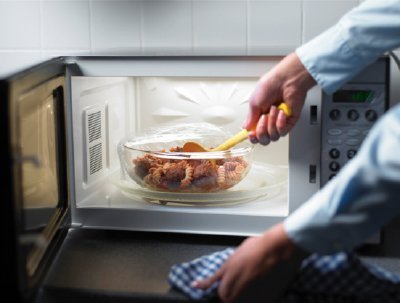
- Cover the dish with a vented lid or a paper towel to trap steam and prevent splatters.
- Set the microwave to the recommended power level for your specific meal.
- Heat for one minute, then stop to stir the food thoroughly.
- Continue heating in 30-second intervals until the meal reaches an internal temperature of 165°F for leftovers, as confirmed by FoodSafety.gov’s safe internal temperatures.
- Allow the dish to rest inside the microwave for two minutes before removing it.
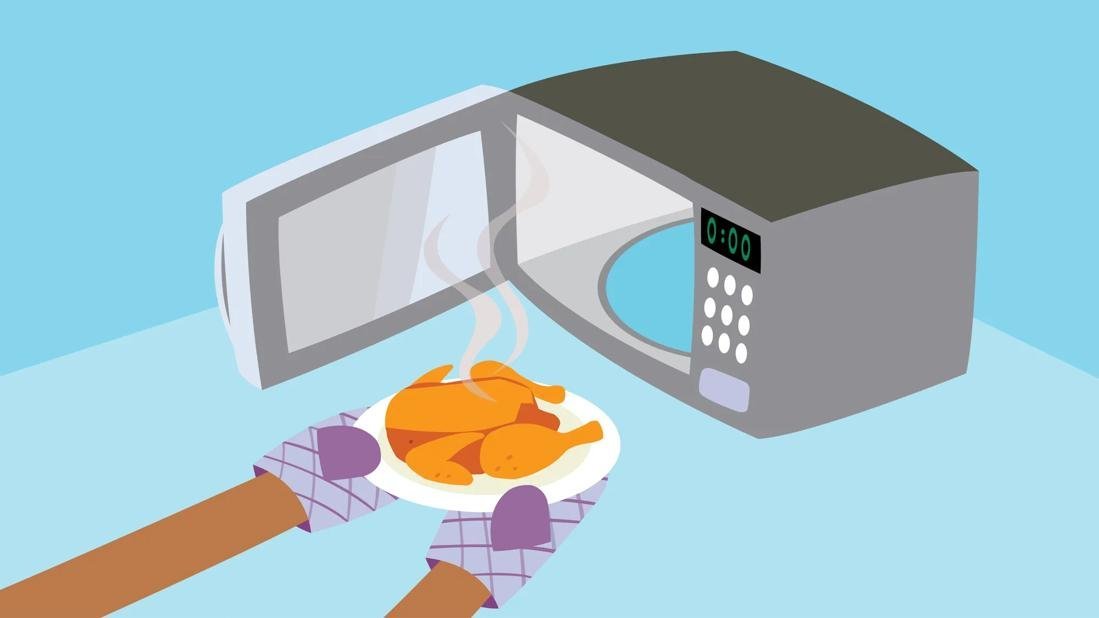
- Use oven mitts to remove the dish, as the container can become extremely hot from the food’s heat.
The final judgment call is the texture and temperature check; if the center is still cool or the consistency seems uneven, you must continue the process. A job done properly results in a dish that’s steaming hot throughout, with no cold pockets left behind.
Heat Application Variations
For soups and stews, the goal is uniform heat distribution. If you skip stirring, the edges boil while the center remains cold. This leads to dangerous steam pockets that can erupt when you finally insert a spoon.
When reheating dense meats like steak or pork, use 50% power. High heat forces moisture out of the muscle fibers, turning a tender cut into leather. If the meat feels firm to the touch before the time is up, stop immediately.
Bread products lose moisture rapidly. A damp paper towel creates a steam barrier, preventing the crust from turning into a rubbery, inedible mess. If you’re heating more than two rolls, add an extra ten seconds but check them halfway through.
Frozen meals often have varying density levels. If the box instructions suggest a pause to stir, don’t skip it. That break allows heat to conduct into the center of the meal. If you find cold spots, rotate the tray 180 degrees rather than just adding more time.
Pasta dehydrates during storage. Adding a tablespoon of water or sauce creates steam that softens the starch. Without this moisture, the pasta will clump together and develop a brittle, chalky exterior. If the pasta is already dry, add the liquid before heating to prevent burning.
Signs of Proper Use
Container Integrity
Experienced users always check the bottom of their containers for a microwave-safe symbol or manufacturer stamp. If a container shows signs of pitting, warping, or melting after a heating cycle, it’s no longer safe for use and should be discarded. Never rely on the appearance of a container alone; if it feels soft or looks distorted after you take it out, the heat has compromised the plastic structure.
Temperature Consistency
A proper result means the food is steaming hot throughout, which is the only way to ensure any bacteria present in leftovers are destroyed. If you find the outer edges are boiling while the center is cold, you have heated it too quickly or forgotten to stir. Always use a food thermometer to verify the center has reached 165°F, as visual cues like steam aren’t enough to confirm safety.
Common Microwave Issues
| What you notice | What it usually means | What to do first | How to stop it |
|---|---|---|---|
| Sparks inside | Metal in unit | Stop immediately | Use only glass/ceramic |
| Food stays cold | Uneven distribution | Stir and reheat | Use lower power |
| Plastic melts | Non-safe material | Discard food | Check label first |
| Rubber texture | Moisture loss | Add water | Cover the dish |
| Uneven cooking | Power too high | Use 50% power | Use short intervals |
Sparks often occur because of hidden metal, such as gold-rimmed china or twist ties. If you see arcing, stop the unit instantly to prevent permanent damage to the magnetron. A magnetron replacement often costs more than a new appliance.
Cold centers in heated food usually mean the density is too high for the waves to penetrate. If your dish is thick, like a lasagna, stir it halfway through the cycle. If the center remains frozen, your power setting is likely too high, causing the exterior to cook before heat reaches the core.
When plastic melts, you have likely used a container meant for storage rather than heating. Look for the microwave-safe symbol on the base. If you can’t find one, assume it’s unsafe. Consuming food touched by melted plastic risks chemical leaching.
Rubber-like textures happen when steam escapes too quickly. Always add a tablespoon of water to the bowl and use a vented lid. This creates a moist environment that keeps proteins tender. If you lack a lid, a damp paper towel acts as an effective substitute to trap essential moisture.
Safety and Operational Rules
The primary rules for microwave safety are governed by the manufacturer’s user manual and general food safety standards. Never attempt to bypass the door interlock switches or disassemble the outer casing of the unit, as the high-voltage capacitor can store a lethal charge even when the plug is disconnected. If your microwave door seal is damaged or the latch doesn’t click shut, stop using the appliance and contact the manufacturer or a qualified service professional.
Food safety standards also mandate that you never leave food in the “danger zone”—between 40°F and 140°F—for more than two hours. If food has been sitting out, reheating it in a microwave won’t necessarily make it safe, as the heat may not destroy toxins already produced by bacteria. Always keep your microwave interior clean, as food debris can char and create smoke, which can affect the taste of your meals and potentially damage the waveguide cover.
The Cost of Convenience
The real cost of using a microwave is measured in the quality of your food and the time you invest in proper preparation. While it’s the fastest way to heat meals, you pay for that speed with potential texture changes, such as the loss of crispiness in baked goods or the toughening of proteins. These costs are relatively low compared to the time saved, but they vary depending on the quality of your appliance.
A high-end microwave with sensor technology will cost more upfront but often provides more consistent results by adjusting power automatically based on the steam detected in the cavity. You should check the current pricing on the manufacturer’s website to compare these features. The biggest hidden cost is the potential waste of food that becomes inedible due to overheating, which you can avoid by using shorter intervals and checking the center temperature more frequently.
Maintaining Your Appliance
To keep your microwave working correctly, wipe the interior walls and the glass turntable after every use to prevent the buildup of food particles. These remnants act as localized heat sinks, which can cause uneven cooking or even burn through the interior finish over time. If you notice a persistent odor, place a bowl of water with a slice of lemon inside and heat it for three minutes to steam-clean the cavity.
Check the vent filters periodically, as these can become clogged with grease and reduce the efficiency of the unit. If you can’t see light through the mesh when holding it up to a bulb, it’s time for a degreasing soak in hot, soapy water.
This often indicates a failing magnetron. If you hear unusual grinding noises or notice the turntable isn’t rotating, verify that the rollers are clean and correctly seated.
A common mistake is ignoring small sparks caused by metal debris. This damage is often permanent and leads to arcing that ruins the waveguide cover. If the issue persists, don’t attempt to open the housing yourself. High-voltage capacitors can hold a lethal charge even when the unit is unplugged. Contact the manufacturer for repair guidance or replacement parts instead.
Situations for Alternative Heating
If you’re trying to reheat bread or pizza, the microwave is often the wrong choice because it makes the crust soft and chewy. Use a conventional oven at 350°F for five to ten minutes instead to restore the desired texture. If you’re in a rush, a toaster oven set to the same temperature works just as well and uses significantly less electricity.
For delicate sauces that might separate or curdle at high heat, a saucepan on the stovetop allows for better control and constant whisking. If the sauce contains dairy, keep the heat on low and remove the pan from the burner before the liquid begins to simmer. This prevents the proteins from tightening and turning the sauce grainy.
If you’re dealing with large, thick cuts of meat, the microwave will likely leave the center cold while overcooking the exterior. A slow oven or a steamer is much more effective at heating the meat through without ruining the quality of the protein.
A common mistake is reheating leftovers at the highest setting to save time. This often results in uneven heat distribution and dry, rubbery edges. If your food has a high water content, use a lower power setting for a longer duration to avoid “hot spots.” When you have any doubt about the safety of the food or the functionality of your appliance, it’s always safer to use the stovetop or oven. These methods provide the steady, ambient heat necessary for consistent results.
Frequently asked questions
Can I use aluminum foil in the microwave?
No, you should avoid using aluminum foil because it can cause arcing and potential damage to the appliance. While some manufacturers provide specific guidance on using small strips of foil to shield edges, it’s safest to use glass or ceramic covers to prevent splatters and ensure even heating.
Why does my food taste different after microwaving?
The taste difference occurs because microwaves primarily heat through water vibration, which can lead to moisture loss and a lack of the Maillard reaction. You can’t achieve browning or crust formation in a microwave, so the food will retain a steamed texture rather than a roasted or fried one.
Is it safe to reheat food more than once?
No, you should only reheat leftovers one time to minimize the risk of bacterial growth. Each time you cool and reheat food, you provide more opportunities for bacteria to multiply, so portion your meals before heating to ensure you only warm what you intend to eat.
How long should I let food rest?
You should let food rest for about two minutes after the timer stops to allow the heat to distribute evenly. This resting period is critical for safety, as it prevents cold spots where bacteria could survive and ensures the entire dish reaches the required temperature.
Does the microwave destroy nutrients?
No, the microwave is actually one of the best ways to preserve nutrients because it cooks food quickly with little or no added water. Because vitamins like C and B are water-soluble and heat-sensitive, the short cooking time of a microwave often retains more nutrients than boiling or prolonged roasting.
What happens if I use the wrong plastic?
Using the wrong plastic can cause chemicals to leach into your food if the material reaches its melting point. Always look for the “microwave-safe” label on the bottom of the container, and if you’re ever unsure, transfer the food to a glass or ceramic bowl before heating.
Heating food, in short
To ensure your meals are safe and enjoyable, always prioritize using glass or ceramic containers and follow the recommended internal temperature of 165°F for all leftovers. If you notice any unusual smells, sparks, or if the appliance fails to heat food consistently, stop using it immediately and consult the manufacturer’s service manual. For any persistent mechanical issues, reach out to a professional technician to avoid the risks associated with high-voltage internal components.
Related guides