
Finding the best bathroom soap dispensers depends on your specific needs, such as whether you prioritize hygiene, aesthetic appeal, or long-term durability. Prices for these items vary significantly based on material and technology, typically ranging from $8 to $85 depending on whether you opt for a simple plastic pump or a sophisticated touchless electronic unit. By identifying the right mechanism and material for your vanity, you can reduce waste and maintain a cleaner environment.
Key Takeaways
- Touchless dispensers are the most effective way to prevent cross-contamination in shared households.
- Stainless steel or high-grade ceramic units offer better longevity than thin plastic alternatives.
- Capacity matters; larger reservoirs require less frequent refilling but take up more counter space.
- Consistency is key; ensure your soap viscosity matches the pump mechanism to avoid clogs.
- Mounting options like wall-mounted units save precious vanity space in smaller bathrooms.
Choosing the Right Dispenser Mechanism
When selecting a dispenser, the primary decision involves how you interact with the device. Manual pumps are reliable and affordable, while automated sensors offer a “hands-free” experience that keeps the unit cleaner.
Manual Pump Options
Manual dispensers require you to press a nozzle or lever. These are generally more durable because they lack complex electronics.
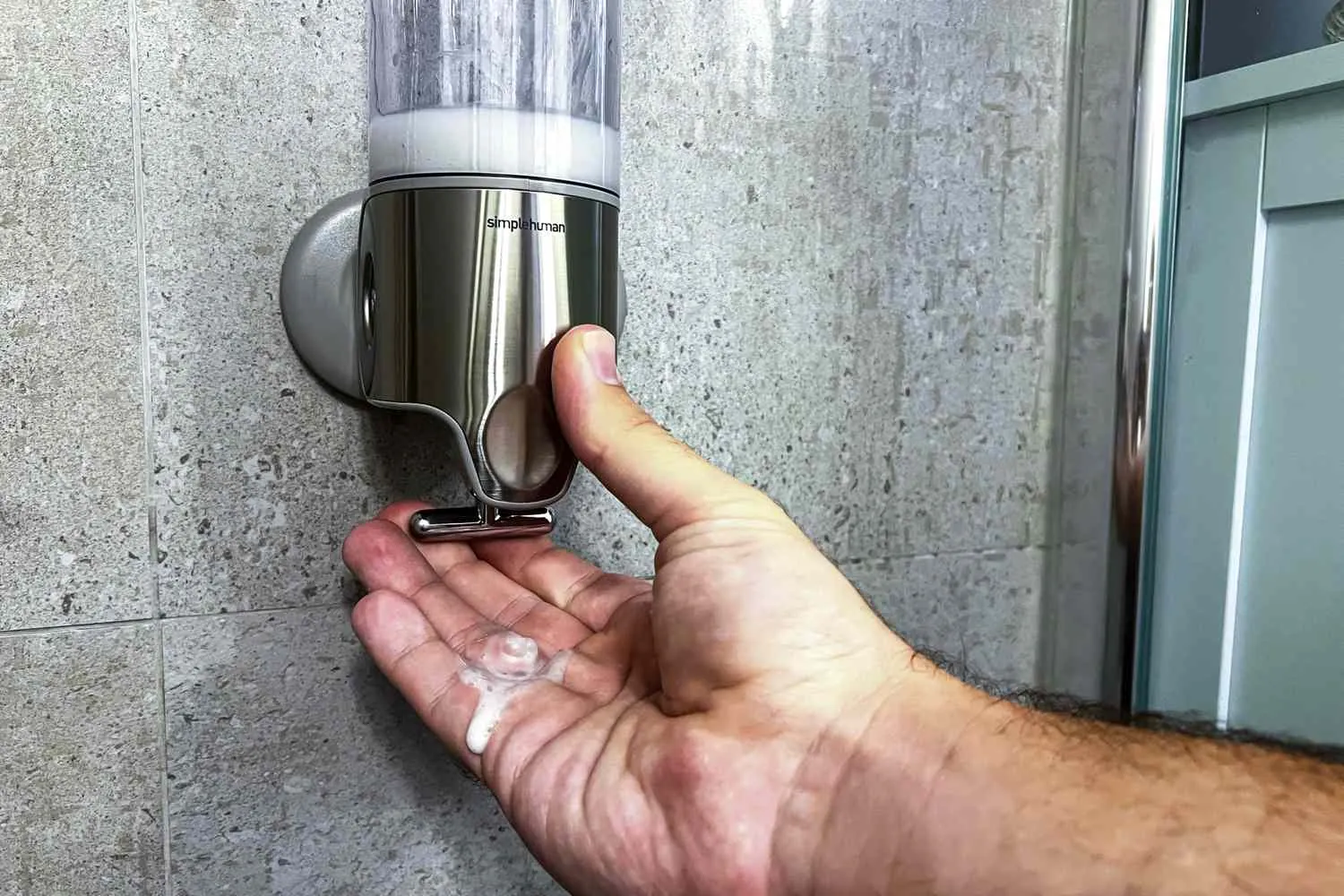
- Simplehuman manual wall-mount dispensers are known for their sturdy construction and ease of installation.
- InterDesign offers various ceramic and glass manual options that suit a wide range of bathroom decors.
- Kohler manufactures high-end manual dispensers that often match their line of bathroom faucets and accessories.
Automated Sensor Dispensers
Touchless dispensers use infrared technology to detect your hand and dispense a set amount of soap. This is ideal for minimizing the spread of germs.
- Simplehuman sensor pumps are industry leaders, featuring high-speed dispensing and rechargeable batteries.
- Umbra provides sleek, modern designs that look great in minimalist bathrooms.
- Secura offers affordable, high-capacity automatic dispensers that are popular for high-traffic guest bathrooms.
Materials for Longevity and Style
The material of your dispenser dictates how well it stands up to the humid environment of a bathroom. Constant exposure to water and soap can corrode low-quality metals or cause plastic to crack over time.
| Material | Durability | Aesthetic | Maintenance |
|---|---|---|---|
| Stainless Steel | High | Modern/Sleek | Wipe to prevent spots |
| Ceramic | Medium | Classic/Decor | Fragile if dropped |
| Glass | Medium | Elegant/Clear | Shows soap levels |
| ABS Plastic | Low/Medium | Versatile/Cheap | Prone to yellowing |
Pro Tip: Look for “fingerprint-proof” stainless steel coatings if you have children or frequent guests, as this significantly reduces the frequency of necessary cleaning.
Why Consider Wall-Mounted Dispensers?
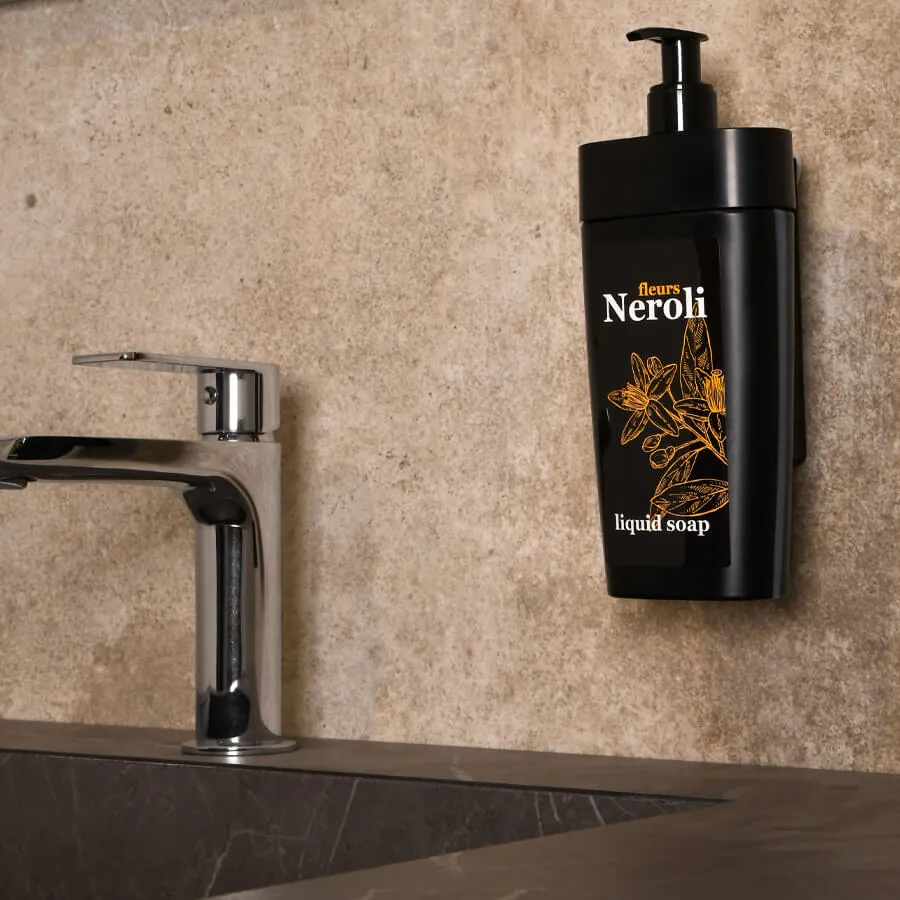
If your vanity is cluttered with toothbrushes, makeup, and other toiletries, a wall-mounted dispenser is a game changer. These units free up counter space and are generally more stable than free-standing models.
Installation Methods
Most wall-mounted units come with two installation choices:
- Adhesive Strips: Ideal for renters or those who don’t want to drill holes in tile.
- Screw Mounting: Offers a permanent, secure hold that can support heavier glass or metal dispensers.
Maintenance and Troubleshooting
Even the best bathroom soap dispensers require periodic care to function correctly. Soap residue can harden inside the pump mechanism, leading to clogs or inconsistent dispensing.
Common Issues
- Clogged Pumps: If the soap stops flowing, soak the pump nozzle in warm water for 15 minutes to dissolve dried residue.
- Battery Corrosion: In sensor models, ensure the battery compartment is sealed properly to prevent moisture from entering.
- Thin Soap Issues: If your dispenser is designed for foam soap, using liquid soap will cause a malfunction. Always check the manufacturer’s guidelines for hand hygiene to understand the importance of using appropriate soap types for your specific dispenser.
Comparing the Best Bathroom Soap Dispensers
When shopping, stick to brands that have established reputations for quality parts and replacement components.
- Simplehuman: Best for high-end features and long-lasting sensor technology.
- Kohler: Best for matching existing bathroom hardware finishes.
- Umbra: Best for unique, artistic, and modern visual designs.
- Delta Faucet: Best for integrated soap dispensers that mount directly into the vanity or sink.
Is a Foam or Liquid Dispenser Better?
The debate between foam and liquid soap dispensers often comes down to personal preference and long-term cost. Foam dispensers mix liquid soap with air to create a lather, which uses less soap per wash. Liquid dispensers provide a concentrated dose that many feel is more effective for heavy-duty cleaning.
Liquid Dispenser Benefits
- Better for heavy-duty, grease-cutting soaps.
- Generally easier to find compatible soap refills.
- Pumps are often simpler to repair if they fail.
Foam Dispenser Benefits
- Reduces overall soap consumption by up to 50%.
- Provides a luxurious, ready-to-use lather.
- Less prone to creating large, messy drips on the counter.
How to Clean Your Dispenser
Regular cleaning is essential to prevent the buildup of bacteria. Every two weeks, you should wipe down the exterior with a damp microfiber cloth. Once a month, flush the pump mechanism by running warm water through it. Never submerge an electronic sensor pump in water, as this will destroy the internal motherboard.
What is the Best Way to Refill?
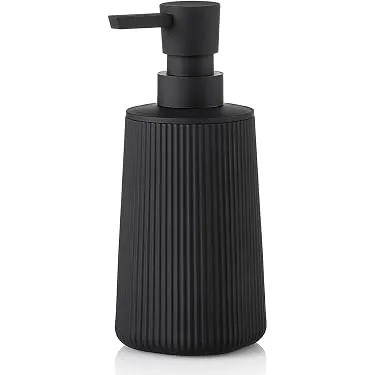
Refilling your dispenser should be a spill-free process. If you’re using a large refill jug, consider using a small funnel to avoid getting soap on the outside of the container.
Warning: Don’t mix different types of soap in the same reservoir, as the chemical reactions between different surfactants can sometimes cause the soap to clump or turn into a thick, unusable gel.
Related guides
- 10 Best Rated Toilet Seats for Your Bathroom Upgrade in 2026
- 10 Best Bidet Toilet Seats Under 200 for Your Bathroom in 2026
- 10 Best Wood to Use for Bathroom Shelving: Expert Picks in 2026
Frequently Asked Questions
Can I use any soap in a sensor dispenser?
Most sensor dispensers are designed for a specific consistency. If you use a soap that’s too thick, it will clog the pump; if it’s too thin, it may leak. Always check if your device is labeled for “foam” or “liquid” soap. Some high-end models have adjustable settings to accommodate a wider range of viscosities.
How do I stop my dispenser from leaking?
Leaking usually occurs due to soap buildup around the nozzle or a loose pump head. Wipe the nozzle clean with a warm, damp cloth to ensure no dried soap is holding the valve open. If the leak persists, check the seal where the pump meets the bottle; tightening it or ensuring the O-ring is properly seated often solves the problem.
Are touchless dispensers worth the price?
For households concerned about hygiene, touchless dispensers are worth the investment. They prevent the transfer of germs from dirty hands to the soap bottle, which is a common point of contamination in bathrooms. While they cost more initially and require battery maintenance, the benefits for health and the reduction in messy soap drips on the counter make them a popular choice.
How often should I replace my dispenser?
A high-quality metal or ceramic dispenser can last five to ten years with proper care. Plastic dispensers may show signs of wear, such as yellowing or pump fatigue, within two to three years. If the pump mechanism fails and can’t be cleaned, it’s usually more cost-effective to replace the pump head rather than the entire vessel.
Can I mount a dispenser on a mirror?
Yes, you can mount a lightweight dispenser on a mirror using heavy-duty double-sided mounting tape. Ensure the surface is thoroughly cleaned with isopropyl alcohol before application to guarantee a strong bond. Avoid mounting heavy glass or ceramic dispensers on mirrors, as the weight may cause the adhesive to fail over time, potentially breaking the dispenser or the glass.
Conclusion
Keeping your bathroom organized and hygienic is a simple process once you have the right equipment in place. Start by evaluating your current counter space and identifying whether a wall-mounted or free-standing unit best fits your needs, then select a material that complements your existing fixtures to ensure a cohesive look that will last for years to come.