
When it comes to welding, choosing the right method can make all the difference in your project’s success. If you’re trying to decide between Flux Core and MIG welding, you might be feeling a bit overwhelmed.
Both have their strengths, but which one fits your needs best? You’ll discover the key differences that affect your work, from ease of use to the quality of the welds. By the end, you’ll have a clear idea of which welding style will help you achieve better results, faster and with less hassle.
Keep reading to find out how to make the best choice for your welding projects.
Flux Core Welding Basics
Flux core welding is a popular method for joining metals. It uses a special wire that helps protect the weld. This method is useful in many settings and offers unique advantages. Understanding how flux core welding works helps you choose the right welding process.
It is often compared to MIG welding because both use wire feeding systems. However, flux core welding does not always need an external gas shield. This makes it handy for outdoor and windy conditions.
How Flux Core Works
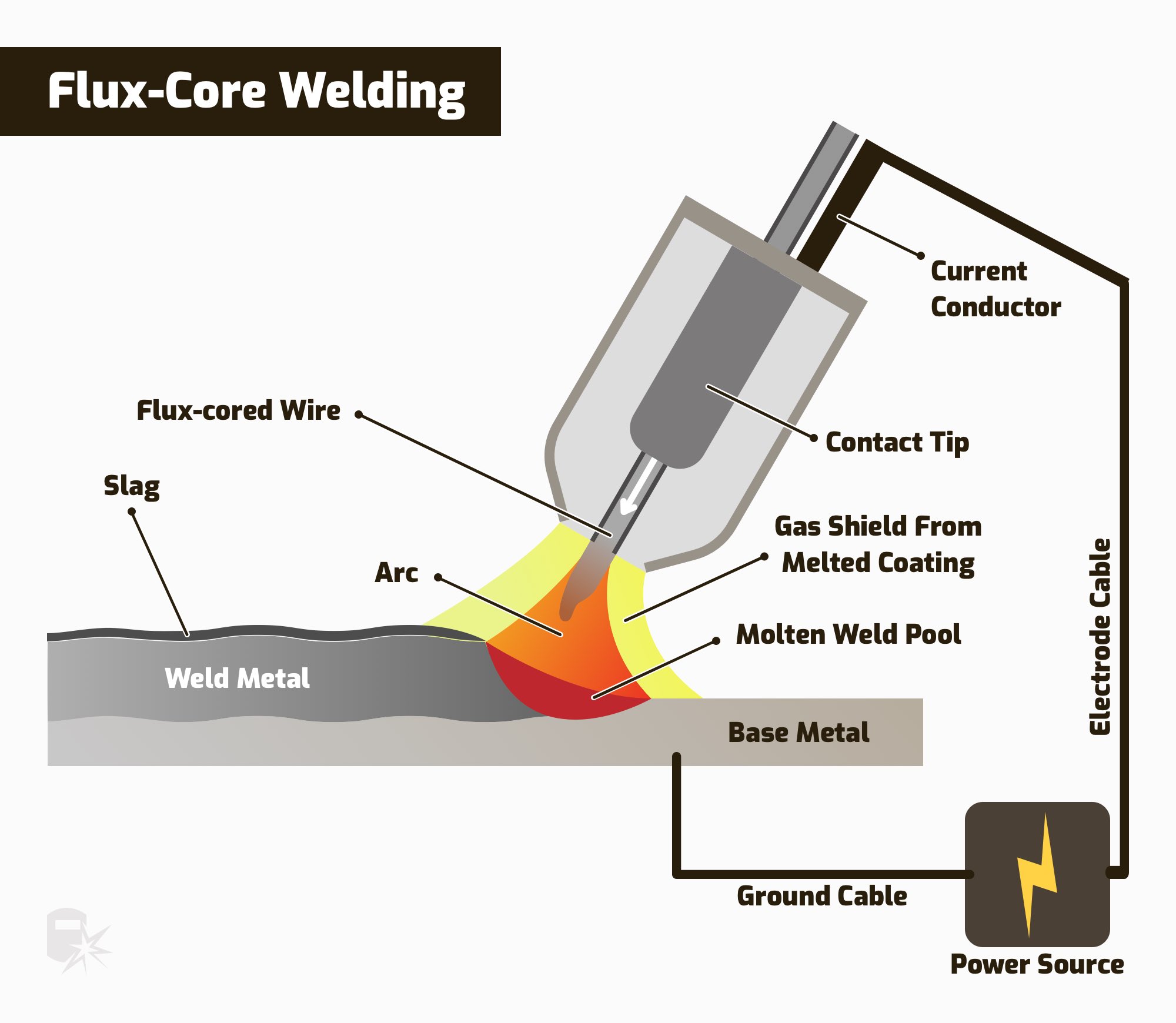
Flux core welding uses a hollow wire filled with flux. When the wire melts, the flux creates a gas shield. This shield protects the weld from air and contamination. The wire also provides filler material to join the metals. The process produces a strong, clean weld with fewer stops.
Key Benefits
Flux core welding works well outdoors, even in windy areas. It allows for faster welding speeds and deeper penetration. The process needs less cleanup after welding. It is easier to use on thicker materials. Also, the equipment can be simpler and more portable.
Common Applications
Flux core welding is common in construction and heavy equipment repair. It is great for welding steel and other ferrous metals. Many use it for farm equipment and pipelines. This method suits projects needing strong, durable welds. It is also popular for shipbuilding and structural work.
Mig Welding Essentials
MIG welding is a popular method for joining metal. It uses a wire electrode and a shielding gas. This method is known for its ease and speed. Beginners and professionals both often choose MIG welding.
Understanding the basics of MIG welding helps you decide if it suits your project. Here are the essentials to know about the MIG welding process, its benefits, and common uses.
Mig Welding Process
MIG stands for Metal Inert Gas welding. It uses a continuous wire fed through a welding gun. The wire melts to join metals together. A gas shield protects the weld from air and contamination. This keeps the weld clean and strong.
The process is fast and produces less smoke. It works well on thin to medium metal thickness. You can weld steel, aluminum, and other metals with MIG.
Advantages Of Mig
MIG welding is easy to learn. It offers good control over the weld bead. The continuous wire feed means fewer stops and starts. This speeds up the work and improves weld quality.
The gas shield reduces spatter and cleanup time. MIG welds have a smooth finish. This reduces the need for extra grinding or polishing.
Typical Uses
MIG welding suits automotive repairs and home projects. It is common in manufacturing and construction. Metal furniture and bike frames often use MIG welds. It works well for both thin sheet metal and thicker parts.
The method is also popular in hobby welding. Many DIY welders choose MIG for its ease and speed.
Equipment And Setup
Choosing the right equipment and setup is key for successful welding. Flux core and MIG welding need different tools and arrangements. Knowing these differences helps you prepare better. This section explains the gear and setup for both methods.
Tools Needed For Flux Core
Flux core welding uses a special wire with flux inside. You need a flux core wire spool. A welding gun is essential to feed the wire and create the arc. A welding power source controls the current. Protective gear like gloves and a helmet protect from sparks and UV light. No gas cylinder is required, making the setup simpler and more portable.
Mig Welding Gear
MIG welding requires a wire spool made of solid wire without flux. A welding gun feeds the wire and forms the arc. A gas cylinder supplies shielding gas, usually argon or a mix. The power source adjusts voltage and wire speed. Protective equipment includes gloves, helmet, and sometimes a jacket. Gas hoses and a regulator connect the cylinder to the welder.
Setup Differences
Flux core setup is easier and faster. There is no need to connect or monitor a gas cylinder. This makes it ideal for outdoor or windy jobs. MIG welding setup is more complex due to the gas system. It needs careful handling of gas hoses and regulators. MIG provides cleaner welds but requires more space and care in setup. Flux core is more mobile and user-friendly for beginners.
Credit: www.youtube.com
Weld Quality And Strength
Weld quality and strength are crucial for any welding project. They determine how well the welded parts will hold together under stress. Both flux core and MIG welding offer strong bonds, but there are differences in their results. Understanding these differences helps in choosing the right method for your needs.
Appearance Of Welds
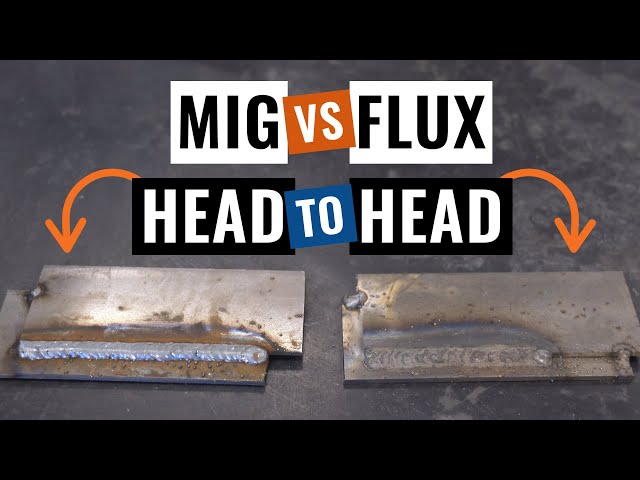
MIG welding produces smooth and clean welds with minimal spatter. The weld bead looks neat and uniform. Flux core welding often leaves more spatter and a rougher bead. It can look messy, especially to an untrained eye. The appearance depends on the skill level and settings used.
Durability Comparison
MIG welds are known for their high strength and consistent quality. They work well on thin to medium metals. Flux core welds also create strong bonds, especially on thicker metals. Flux core is better for outdoor jobs due to its ability to handle wind and dirt. Both methods produce durable welds when done correctly.
Common Defects
MIG welding can suffer from porosity if shielding gas is not adequate. Lack of gas causes weak spots in the weld. Flux core welding may have slag inclusions, which require cleaning after welding. Both methods can create cracks or undercuts if done too fast or with wrong settings. Careful technique reduces these defects.
Ease Of Use And Skill Level
Choosing between Flux Core and MIG welding depends a lot on how easy each is to use and the skill they require. Both methods have unique features that affect beginners and experienced welders differently. Understanding these differences helps you pick the best option for your project and skill level.
Learning Curve
Flux Core welding is easier to start with. It needs less setup and fewer adjustments. The wire feeds automatically, and no gas is required. This makes it simpler for new welders to practice. MIG welding has a steeper learning curve. It requires more knowledge about gas flow and settings. Beginners may find it tricky to balance the gas and wire feed.
Control And Precision
MIG welding offers better control and precision. The shielding gas creates a cleaner weld, allowing detailed work. It suits projects needing neat, strong welds. Flux Core welding is less precise. The flux produces slag, which needs cleaning after welding. This method works well for rougher jobs where speed matters more than fine detail.
Suitability For Beginners
Flux Core welding is more beginner-friendly. It works outdoors and in windy conditions without gas. This flexibility helps new welders practice in many environments. MIG welding suits beginners with some practice and guidance. It performs best indoors or where wind won’t disturb the gas. Beginners ready to learn the gas setup can do well with MIG.
Cost And Maintenance
Cost and maintenance play a big role in choosing between Flux Core and MIG welding. Understanding these factors helps you pick the right welding method. Both types have different costs for tools and upkeep. Knowing these details saves money and avoids surprises later.
Initial Investment
Flux Core welding machines usually cost less to buy. They need fewer extra parts to start working. MIG welders often come with more features, so they cost more upfront. The price difference matters for hobbyists and small shops. Think about your budget and how often you will weld.
Consumable Expenses
Flux Core uses special wire that acts as filler and shield gas. This wire costs a bit more than MIG wire. MIG welding needs separate gas bottles for shielding. Gas adds to the ongoing cost. Flux Core saves money by not needing gas but uses more wire. Your choice depends on how much you weld and what materials you use.
Upkeep And Repairs
Flux Core welders are simpler machines with fewer parts. They need less frequent repairs and are easier to fix. MIG welders have more components, which can break or wear out. Regular cleaning and gas checks keep MIG machines running well. Both types need basic care to last long. Keep your welder clean and replace worn parts quickly.
Outdoor Vs Indoor Welding
Choosing between flux core and MIG welding depends a lot on the work setting. Outdoor and indoor welding have different challenges that affect weld quality. Understanding these differences helps pick the right method for each job.
Performance In Wind
Wind affects welding by blowing away shielding gas. MIG welding uses gas to protect the weld pool. Wind can scatter this gas, causing poor welds. Flux core welding produces its own shielding gas from the wire. It works better outdoors because it handles wind without losing protection.
Shielding Gas Needs
MIG welding needs an external gas supply, like argon or CO2. This gas shields the weld from air contamination. Outdoors, this gas can blow away easily. Flux core welding uses a flux core wire that creates gas when heated. It does not need extra gas tanks, making it easier to use outside or in windy places.
Weather Considerations
Weather plays a big role in welding success. Rain or moisture can harm MIG welding gas flow and weld quality. Flux core welding tolerates damp conditions better because of its self-shielding nature. Cold weather can affect gas pressure in MIG setups. Flux core wires remain more stable in different weather, making them ideal for outdoor work.
Credit: weldguru.com
Safety Considerations
Safety is key in welding. Both Flux Core and MIG welding have risks. Knowing these risks helps protect you. This section explains safety points for each method.
Fume And Smoke Levels
Flux Core welding creates more fumes than MIG welding. These fumes can irritate your eyes and lungs. Always weld in a well-ventilated area. Use fans or exhaust systems to reduce smoke. MIG welding produces fewer harmful gases. Still, it is important to keep fresh air flowing.
Protective Gear
Wear safety gear for both types of welding. Use a welding helmet with a proper shade lens. Wear fire-resistant gloves and a long-sleeve jacket. Protect your skin from sparks and heat. Use ear protection if noise levels are high. Proper gear lowers the chance of burns and injuries.
Common Hazards
Electric shock is a risk with all welding machines. Make sure your equipment is grounded properly. Sparks and hot metal can cause fires. Keep flammable materials away from your work area. Burns from hot metal are common. Always handle materials with care and use tools when needed.
Choosing The Right Method
Choosing the right welding method is important for a successful project. Both flux core and MIG welding have strengths and limits. Understanding these can help you pick the best option for your needs.
Project Requirements
Consider the size and type of your project first. Flux core welding works well for heavy, thick metals and outdoor jobs. MIG welding is great for thinner metals and indoor work. Think about how precise the weld needs to be. MIG offers cleaner, smoother welds. Flux core can handle rougher conditions but may leave slag to clean up.
Material Types
Know the metals you will weld. MIG welding is ideal for steel, aluminum, and stainless steel. Flux core is best for thicker steel and rusty or dirty metals. It can weld through surface rust better than MIG. Match the welding wire and method to your metal for stronger joints.
Welding Environment
The environment affects welding choice. MIG welding uses shielding gas that needs calm conditions. Wind can blow away the gas and weaken the weld. Flux core welding does not need shielding gas, so it works well outdoors and in windy places. Choose based on where you plan to weld most often.

Credit: ssmalloys.com
Frequently Asked Questions
What Is The Main Difference Between Flux Core And Mig Welding?
Flux core welding uses a special wire with flux inside, while MIG welding uses a solid wire with shielding gas. Flux core works better outside, and MIG works best indoors.
Which Welding Method Is Easier For Beginners?
Flux core welding is often easier for beginners because it needs less equipment and setup. MIG welding requires gas and more careful control.
Can Flux Core Welding Be Used Outdoors?
Yes, flux core welding works well outdoors since it does not rely on external shielding gas. It handles wind and weather better than MIG welding.
Is Mig Welding Cleaner Than Flux Core Welding?
MIG welding produces less smoke and slag, making it cleaner and easier to finish. Flux core welding creates more slag that needs cleaning.
Which Welding Type Is Faster For Metal Joining?
Flux core welding is generally faster because it can weld thicker metals with fewer passes. MIG welding is slower but offers smoother welds.
What Metals Can Be Welded With Flux Core And Mig?
Both methods can weld steel and stainless steel well. MIG welding can also weld aluminum with special wire and gas.
Which Welding Method Is More Cost-effective?
Flux core welding is usually cheaper because it needs no gas and less equipment. MIG welding costs more due to shielding gas and accessories.
Conclusion
Choosing between flux core and MIG welding depends on your project needs. Flux core works well outdoors and on dirty metals. MIG welding suits cleaner, indoor jobs with thin materials. Both have strengths and fit different skill levels. Think about where and what you want to weld.
This helps pick the right method for best results. Keep practicing to improve your welding skills. Each type offers unique benefits for various tasks. Select wisely for safe and strong welds every time.