
The most common reason for a samsung refrigerator icemaker not working is a frozen or blocked water supply line or a temperature setting that’s too high to allow ice production. If you notice your ice bin is empty or the cubes are fused together, start by checking your freezer temperature and verifying that the water filter is properly installed. These simple steps often restore function without needing technical support.
Why your Samsung refrigerator icemaker stopped working
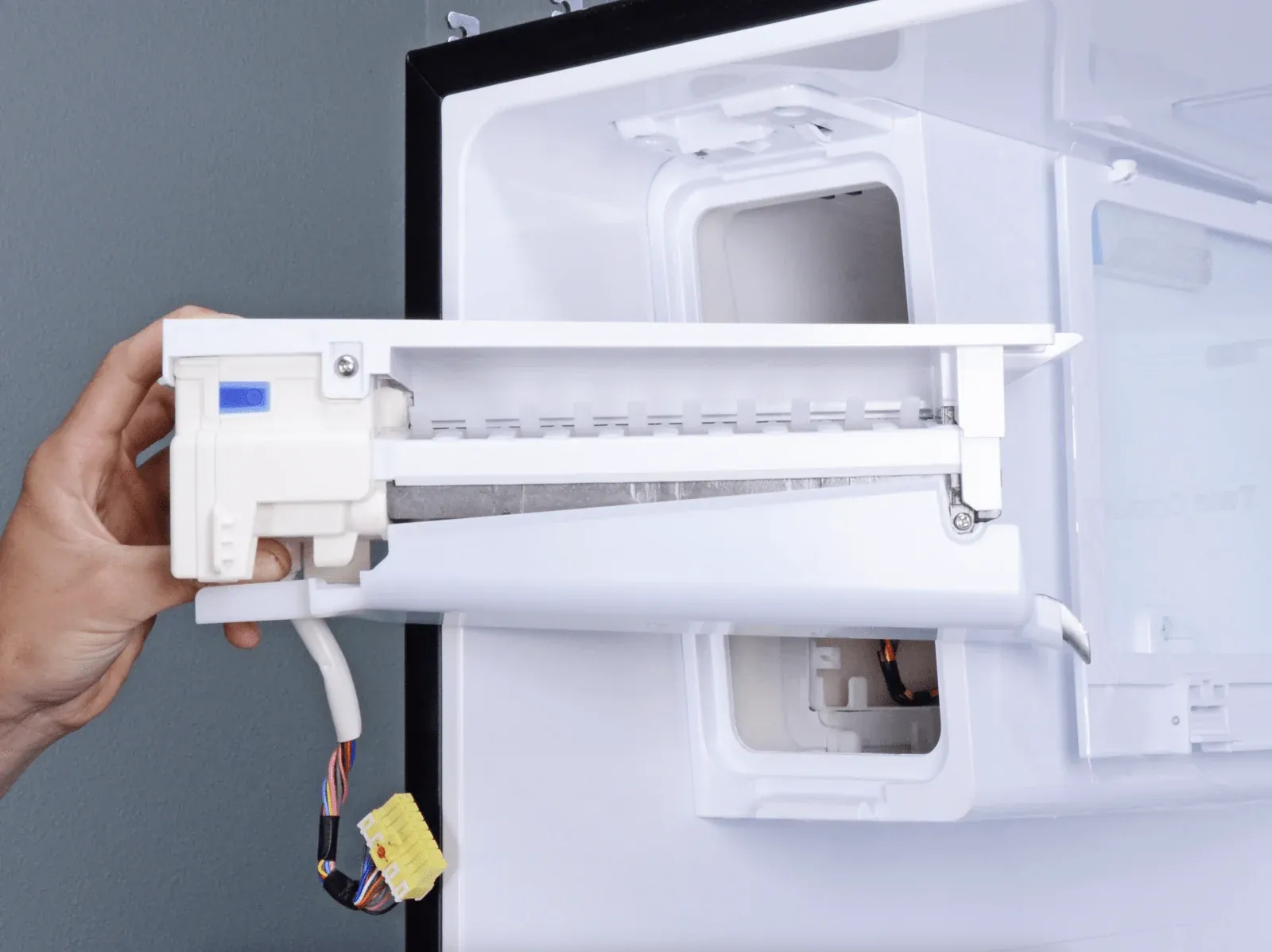
When your unit stops making ice, the issue is usually related to temperature, water flow, or a mechanical jam. Most modern refrigerators require a freezer temperature of 0°F or lower to cycle the icemaker effectively. If your freezer is hovering around 10°F or 15°F, the machine won’t trigger the harvest cycle because it senses that the water isn’t cold enough to freeze solid.
Another frequent cause is a clogged water filter or a kinked supply line. If you haven’t changed your filter in more than six months, sediment buildup can restrict the flow of water to the tray. This prevents the mold from filling completely, leading to small, hollow, or misshapen ice cubes. Additionally, if the water pressure in your home is too low, the valve may struggle to open fully.
Finally, check the physical position of the ice maker arm or the status light on your display. If the unit was accidentally switched to “off” or “ice off” mode, it will remain idle regardless of the temperature. A frozen fill tube is also a common culprit; moisture from the freezer can build up at the end of the tube and create an ice dam, blocking any new water from entering the tray.
Safety: Inside a mains-powered machine, the parts behind the outer cover can hold a dangerous electrical charge even after it has been unplugged — that’s why they sit behind a cover. Opening the housing, or testing or replacing anything behind it, is a job for a qualified technician, never a home repair.
Adjusting Freezer Temperature Settings
If you find that the freezer is running too warm, you must adjust the digital control panel to the recommended range. A freezer set to 0°F provides the ideal environment for consistent ice production. To change this, locate the freezer button on your control panel and press it until it reaches the 0°F setting. After making this change, wait at least 24 hours for the internal air to stabilize.
If the display shows the correct temperature but the unit still feels warm to the touch, ensure the doors are closing completely. A slightly open door lets warm, humid air enter the cabinet, which forces the system to work harder and prevents the ice maker from reaching the required freezing point. You can verify this by checking the door gaskets for any gaps or debris that might prevent a tight seal.
This fix is intended for users who have confirmed their unit is powered and the display is active. If you notice the freezer isn’t cooling at all, or if you hear loud grinding noises coming from the back of the unit, stop your troubleshooting. These symptoms often indicate a failing compressor or a broken motor, which requires a professional service technician to evaluate the internal components.
Clearing Water Supply Obstructions
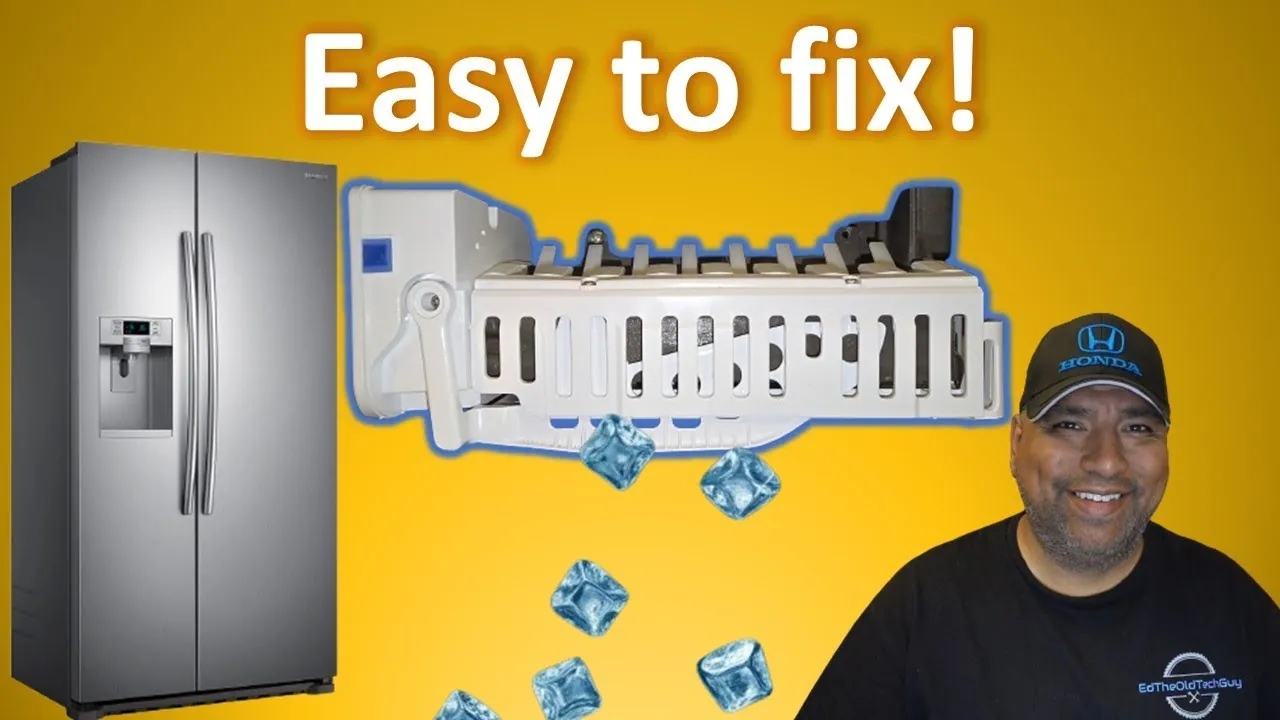
A restricted water supply often prevents the ice maker from filling the tray, even if the rest of the refrigerator is functioning perfectly. Start by checking the water filter housing. You should follow the Samsung official support guidelines for replacing your water filter to ensure it’s seated firmly in the slot. If the filter isn’t locked into place, the water valve won’t engage.
If the filter is new and correctly installed, inspect the water line connected to the back of the refrigerator. Ensure the tubing isn’t bent, kinked, or pinched against the wall. If you recently moved the refrigerator, the line may have been compressed. Gently pull the unit forward to give the hose enough slack to flow freely.
If you suspect the fill tube itself is frozen, you can attempt to thaw it using a warm, damp cloth held against the tube for a few minutes. Never use a hair dryer or a heat gun to melt ice inside the refrigerator, as the high heat can warp the plastic housing or damage internal sensors.
If the tube remains blocked after a gentle warming, it’s likely that the water valve has failed. In that case, you must contact a qualified repair service to replace the internal hardware.
Resetting the Ice Maker Module
Sometimes the control board simply needs a reset to clear a temporary error. Locate the small test button on the side or bottom of the ice maker unit inside the freezer. Press and hold this button for three to five seconds until you hear a chime or see the motor begin to cycle. This forces the unit to perform a test harvest, which will eject any existing ice and attempt to refill the tray.
This method works well if the ice maker is jammed or if the sensors are stuck in an error state. If the unit performs the harvest cycle but doesn’t refill with water, the issue is almost certainly the water inlet valve. If you have to press the reset button multiple times a week, the internal module is likely faulty.
If you have performed the reset and the unit still fails to produce ice after 24 hours, you should stop attempting manual resets. Repeatedly forcing the cycle can damage the gears if they’re already struggling against a mechanical blockage. At this point, the issue is likely a failed control board or a faulty sensor, which aren’t user-serviceable parts.
Common Troubleshooting Mistakes
Forcing the ice bin out creates a hidden danger. If the bin resists, don’t pull with extreme force. You risk snapping the plastic tracks or cracking the ice maker housing, which costs hundreds in replacement parts. Instead, gently wiggle the bin to break the frost seal.
Never use a knife, screwdriver, or ice pick to chip away ice inside the freezer. A single slip punctures the evaporator coils, causing a refrigerant leak that renders the entire unit irreparable. If you find a solid block of ice, allow it to melt naturally by leaving the freezer door open or using a warm, damp cloth.
Check your home’s water pressure before calling a technician. If the pressure is below 20 psi, the intake valve won’t open. No amount of resetting the unit will fix this. If your kitchen faucet has a weak stream, the ice maker will remain dry.
Many people assume the machine is broken when they have simply left the “Ice Off” setting enabled. Always check the display panel for a lit indicator before assuming a mechanical failure.
Preventing Future Ice Maker Failures
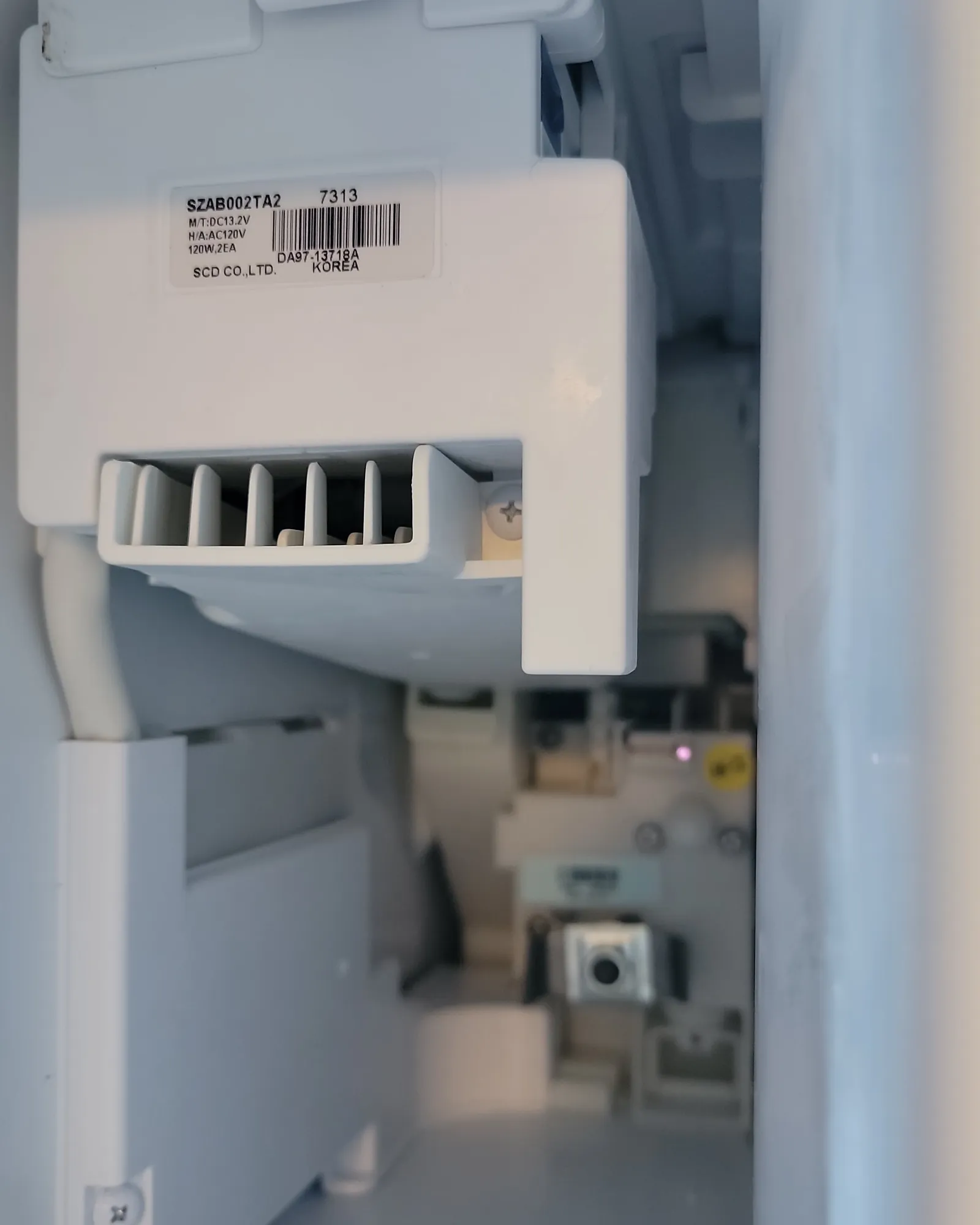
Maintaining the environment around your refrigerator is the best way to ensure long-term performance. Check the freezer temperature and water filter status based on your usage patterns, and always consult your owner’s manual for specific maintenance guidance.
If your freezer temperature rises above 5 degrees Fahrenheit, the internal thermostat may fail to trigger the harvest cycle. Use a simple hanging thermometer to verify the reading, as built-in displays often show the set point rather than the actual air temperature.
Many owners mistakenly wait for a drop in water pressure before swapping the filter. This delay forces the water inlet valve to work against resistance, potentially leading to valve failure. Replace the cartridge based on your usage, as specified in your owner’s manual, to protect the pump.
| If you’re doing this | Do this instead | Why |
|---|---|---|
| Leaving the door open | Keep the door shut | Prevents warm air from melting ice |
| Using old filters | Replace every 6 months | Prevents clogs and bad water taste |
| Overloading the freezer | Leave space for air | Allows cold air to circulate properly |
| Forcing the ice bin | Gently wiggle to loosen | Prevents breaking the plastic housing |
Related guides
- Best Refrigerator Under 1000 in 2026
- How to Smooth Out Bumps in Carpet: Simple DIY Fixes
- How to Clean Toilet Seat Stains: Simple DIY Paste Method in 2026
Frequently asked questions
How long does it take for a samsung refrigerator to start making ice after a reset?
It typically takes 12 to 24 hours for a refrigerator to produce its first batch of ice after a reset or after being connected to a water supply. The system must reach a stable temperature of 0°F before it will trigger the fill cycle. If you don’t see ice after 24 hours, verify that your water line is turned on and that the freezer display is set to the correct temperature.
Is it safe to use a hair dryer to melt a frozen fill tube?
No, it isn’t safe to use a hair dryer inside your refrigerator. The intense heat can warp plastic components and damage sensitive electronic sensors. If a warm, damp cloth fails to clear a blockage, contact a professional technician to inspect the internal valve.
How do I know if my water pressure is too low for the icemaker?
You can test your water pressure by dispensing water into a measuring cup for 10 seconds. If you collect less than 6 ounces, your pressure is likely too low for the ice maker. Check that your water filter is clear and the shut-off valve is fully open.
Why are my ice cubes small or hollow?
Small or hollow cubes indicate that water flow is restricted before reaching the ice tray. This is usually caused by an old water filter or a partial blockage in the supply line. Replace the filter with a genuine part, or have a technician check the inlet valve.
Can I leave the ice maker on if it isn’t making ice?
You should turn off the ice maker if it isn’t working properly. Allowing the system to cycle without water puts unnecessary strain on the motor and internal gears. Use the “Ice Off” setting to stop the cycle until you can identify the cause.
What happens if the freezer temperature is too high?
If the freezer temperature rises above freezing, the sensors will prevent the ice maker from starting a new cycle. The system must be cold enough to freeze water solid. Keep your freezer set to 0°F to ensure the machine cycles as expected.
Conclusion
If these quick fixes don’t get your ice flowing again, it’s best to call a professional technician for help. They’ll be able to inspect the internal components for deeper issues you shouldn’t handle alone. Don’t wait too long, as a lingering problem could lead to more complicated repairs down the road.
