
If you own a hot tub, you know how important it is to keep the water clean and safe. But when it comes to choosing the right sanitizer, you might wonder, can you use liquid chlorine in a hot tub?
Using the wrong product can damage your tub or irritate your skin. You’ll discover the truth about liquid chlorine and whether it’s the best choice for your hot tub. Keep reading to make sure you protect your investment and enjoy a relaxing soak every time.

Credit: www.amazon.com
Benefits Of Liquid Chlorine
Liquid chlorine offers many benefits for hot tub owners. It keeps the water clean and safe for use. The product is simple to find and affordable. Many people prefer it because it works well and is easy to handle.
Effective Sanitization
Liquid chlorine kills bacteria and germs quickly. It keeps the water clear and fresh. It also helps prevent algae growth. This ensures a healthy and enjoyable hot tub experience.
Cost And Availability
Liquid chlorine is usually less expensive than other sanitizers. You can find it at many stores. This makes it a convenient choice for most hot tub owners. It is widely sold in various sizes to fit your needs.
Ease Of Use
Liquid chlorine is easy to measure and add to your hot tub. It dissolves quickly in water. This helps it work faster than some other forms. You don’t need special equipment to use it, making maintenance simple and quick.
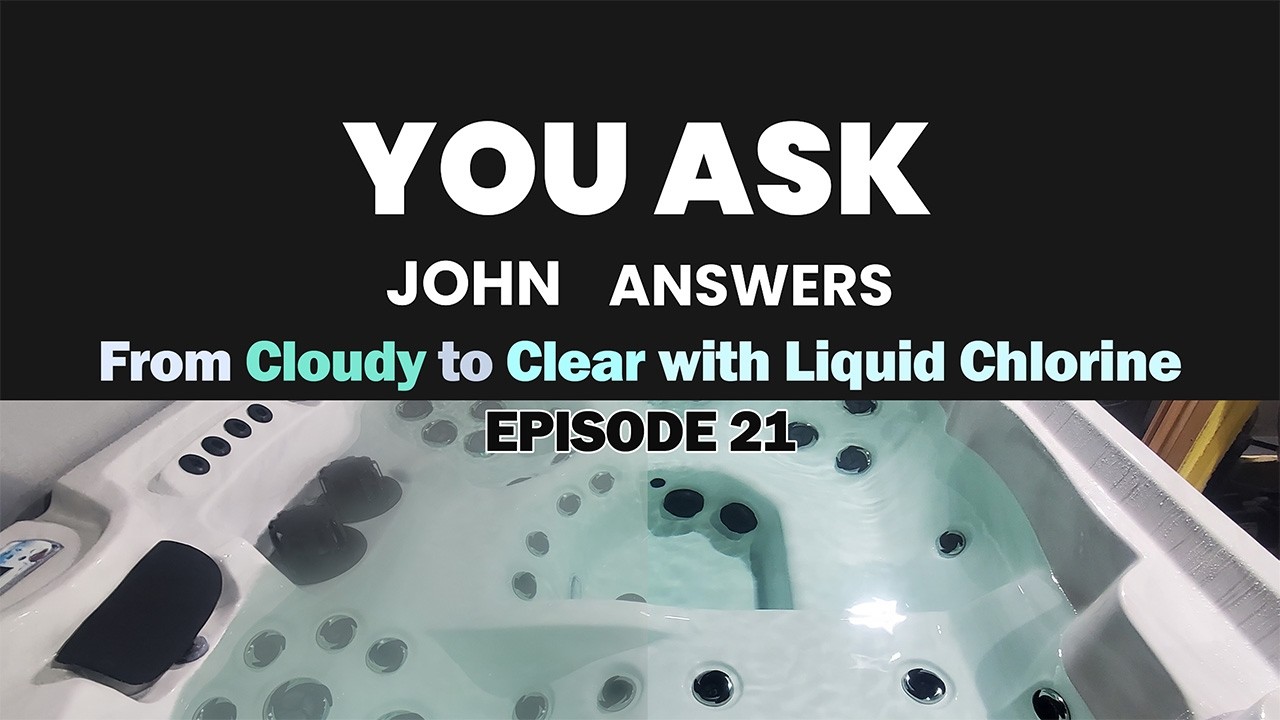
Credit: www.youtube.com
Risks Of Using Liquid Chlorine
Using liquid chlorine in a hot tub can cause several risks. It is important to know these risks before adding liquid chlorine to your water. Liquid chlorine is strong and can affect your hot tub’s balance and parts. It can also harm your health if not used correctly. Understanding these risks helps keep your hot tub safe and enjoyable.
Chemical Imbalance
Liquid chlorine can change the water’s pH level quickly. This causes the water to become too acidic or too alkaline. Chemical imbalance may make the water cloudy and uncomfortable. It can also reduce the chlorine’s ability to kill bacteria. Proper balance is key for clean and clear water.
Potential Damage To Hot Tub Components
Strong liquid chlorine may harm hot tub parts like jets and pumps. It can cause corrosion or wear down surfaces faster. Plastic and metal parts are especially at risk. Damage means expensive repairs or replacements. Using the right chemicals helps protect your hot tub.
Health And Safety Concerns
High levels of liquid chlorine can irritate skin and eyes. Breathing in chlorine fumes can cause coughing or breathing problems. Children and pets are more sensitive to chlorine. Proper handling and dosing are important to avoid health risks. Always use protective gear and follow safety guidelines.
Proper Dosage And Application
Using liquid chlorine in a hot tub requires care. Proper dosage and application keep the water safe and clean. Too much chlorine can irritate skin and eyes. Too little can let bacteria grow. Follow these steps to use liquid chlorine the right way.
Recommended Concentrations
Keep chlorine levels between 1 and 3 parts per million (ppm). This range kills germs without causing discomfort. Test the water often to check chlorine levels. Adjust the amount of liquid chlorine to stay within this safe range.
Dilution Techniques
Never pour liquid chlorine directly into the hot tub. Dilute it first in a bucket of water. Mix one part chlorine with ten parts water. Stir gently to combine. This helps spread the chlorine evenly in the water.
Timing And Frequency
Add liquid chlorine in the evening or night. Sunlight can reduce chlorine effectiveness. Test chlorine levels daily. Add small doses as needed to keep water balanced. Avoid adding too much at one time.
Alternatives To Liquid Chlorine
Liquid chlorine is a common sanitizer for hot tubs. Still, many owners want other options. Alternatives can offer different benefits. They may last longer or be gentler on skin. Here are some popular choices to consider for keeping your hot tub clean and safe.
Chlorine Tablets
Chlorine tablets dissolve slowly in water. They provide steady sanitation over time. Tablets are easy to use and store. They release chlorine at a controlled rate. This helps maintain a consistent level in your hot tub. Tablets often cause less strong odors than liquid chlorine. They can save you time on maintenance.
Bromine
Bromine is another common sanitizer. It works well in hot water. Bromine lasts longer than chlorine at high temperatures. It kills bacteria and algae effectively. Bromine is softer on skin and eyes. It also produces fewer strong smells. Some users prefer bromine for its gentle nature. It may be more expensive than chlorine options.
Saltwater Systems
Saltwater systems use salt to create chlorine naturally. The system converts salt into a mild sanitizer. This process reduces the need to add chemicals often. Saltwater feels softer on the skin. It can lower maintenance time and cost. Salt systems require an upfront investment. They suit people wanting a gentler, steady sanitizer.
Maintenance Tips For Hot Tub Water
Keeping your hot tub water clean and safe requires regular care. Proper maintenance prevents bacteria buildup and keeps the water clear. Follow these simple tips to maintain your hot tub water effectively.
Testing Water Chemistry
Check the water chemistry often. Use a test strip or liquid test kit. Measure chlorine, pH, and alkalinity levels. Testing helps spot problems early. It ensures the water stays balanced and safe.
Balancing Ph And Alkalinity
Keep the pH between 7.2 and 7.8 for comfort and safety. Adjust alkalinity to stay between 80 and 120 ppm. Proper balance protects your hot tub parts. It also helps chlorine work better to kill germs.
Regular Cleaning Routines
Clean your hot tub regularly. Drain and refill the water every 3 to 4 months. Wipe down the tub surfaces and filters. Remove debris and dirt to prevent clogs. Clean water keeps your hot tub inviting and safe.
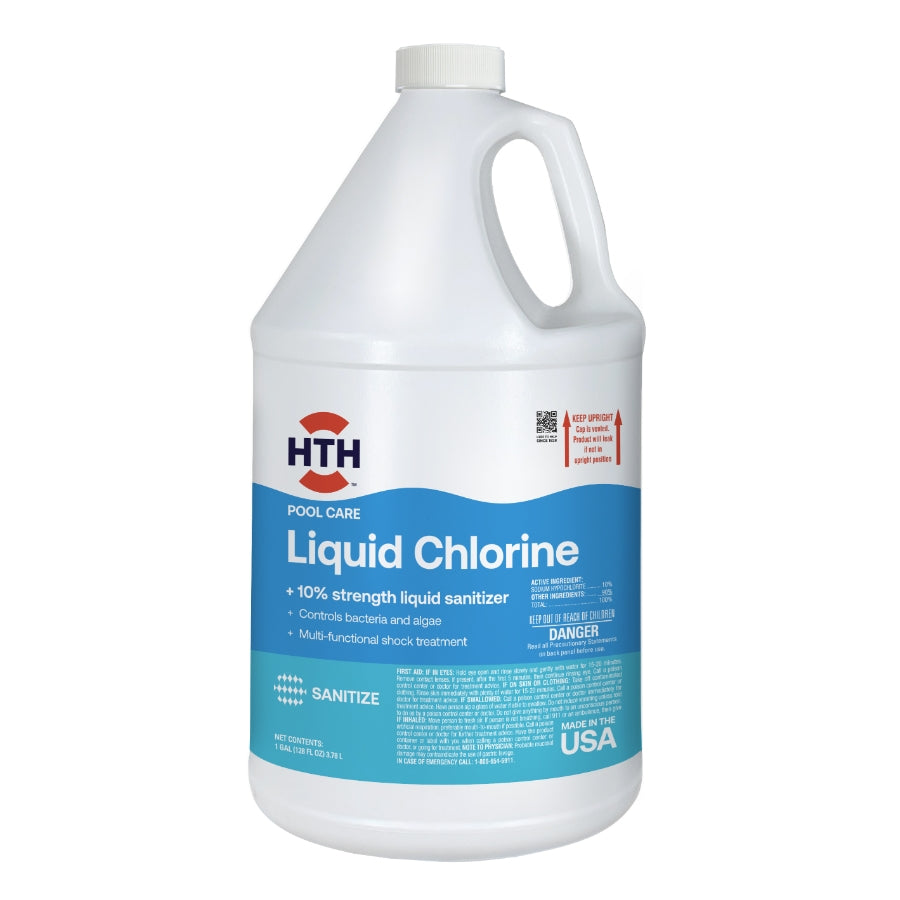
Credit: hthpools.com
Safety Precautions When Handling Chemicals
Handling liquid chlorine in a hot tub requires careful attention. Chemicals like chlorine can be dangerous if not managed properly. Following safety rules helps prevent accidents and keeps everyone safe.
Proper Storage
Store liquid chlorine in a cool, dry place away from sunlight. Keep it out of reach of children and pets. Use containers that are tightly sealed to avoid spills. Never store chlorine near other chemicals or heat sources. Proper storage extends the life of the chemical and reduces risks.
Protective Gear
Wear gloves to protect your skin from burns and irritation. Use safety goggles to shield your eyes from splashes. Long sleeves and pants help prevent skin contact. Avoid breathing in fumes by working in a well-ventilated area. Protective gear is essential for safe chemical handling.
Emergency Measures
Know what to do in case of a spill or splash. Rinse skin or eyes immediately with plenty of water. Call poison control or emergency services if exposure is severe. Keep a first aid kit and emergency phone numbers nearby. Quick action can reduce harm from accidents.
Frequently Asked Questions
Can You Use Liquid Chlorine For Hot Tub Sanitation?
Yes, liquid chlorine can sanitize a hot tub, but it must be carefully measured. Too much can damage the tub or irritate skin. Use the right amount based on your hot tub size.
How Much Liquid Chlorine Is Safe For A Hot Tub?
Use about 2 to 4 ounces of liquid chlorine per 500 gallons of water. Always test the water after adding chlorine to keep levels safe. Avoid adding too much at once.
Can Liquid Chlorine Damage Hot Tub Components?
Strong liquid chlorine can corrode metal parts and degrade plastic in hot tubs. Always dilute it properly and avoid frequent heavy use. Follow manufacturer guidelines to protect your tub.
How Often Should Liquid Chlorine Be Added To A Hot Tub?
Add liquid chlorine 1 to 2 times a week to maintain clean water. Check chlorine levels regularly and adjust the amount as needed. Too little chlorine allows bacteria to grow.
Is Liquid Chlorine Better Than Chlorine Tablets For Hot Tubs?
Liquid chlorine works faster but needs more careful handling than tablets. Tablets dissolve slowly, providing steady chlorine levels over time. Choose based on your maintenance preferences.
Can You Mix Liquid Chlorine With Other Hot Tub Chemicals?
Avoid mixing liquid chlorine directly with other chemicals to prevent dangerous reactions. Always add chemicals separately and wait between additions. Test water levels before adding new products.
How To Safely Store Liquid Chlorine For Hot Tub Use?
Store liquid chlorine in a cool, dark place away from sunlight and heat. Keep it in a tightly sealed container out of reach of children. Proper storage keeps it effective and safe.
Conclusion
Using liquid chlorine in a hot tub is possible but needs care. It can clean water well but may cause damage if used wrong. Always check the right amount and test water often. Keep your hot tub safe and clean for the best experience.
Choose the right sanitizer for your tub’s health and your safety. Simple steps help you enjoy your hot tub longer.