
Tar sands are turned into oil through a process of mining or drilling followed by chemical separation and upgrading to convert thick bitumen into usable crude oil. The raw material is a mixture of sand, clay, water, and a heavy, sticky form of petroleum called bitumen. Because this substance doesn’t flow like liquid oil, it must be extracted and refined using heat and solvents to become a transportable product.
How sands are turned into oil

The extraction of bitumen requires specific equipment to handle the abrasive nature of the sand and the high viscosity of the oil. If your equipment setup is missing one of these parts, the system will clog or fail to separate the bitumen from the mineral solids efficiently.
| Part or input | What it does | What you notice when it goes wrong |
|---|---|---|
| Hot water | Loosens bitumen | Bitumen stays stuck to sand grains |
| Solvent | Thins the bitumen | Pipeline pressure rises due to thickness |
| Large shovel | Moves oil sands | Production slows down or halts completely |
| Froth tank | Separates bitumen bubbles | Impurities remain in the final oil |
| Coker unit | Breaks heavy molecules | Lower yield of lighter, usable fuel |
Maintain water temperatures between 50 and 80 degrees Celsius. If the water drops below 50 degrees, the bitumen viscosity remains too high for effective separation. You’ll see a significant drop in recovery rates as the oil clings to the sand.
Operators often mistake high-pressure flow for high-volume flow. Increasing pressure while the bitumen is cold only accelerates equipment wear on pump impellers. If you detect excessive vibration in the transfer lines, check your solvent-to-bitumen ratio immediately.
Always monitor the froth tank level. If the interface layer between the bitumen and the tailings becomes too thick, you’re losing profit to the waste stream.
How bitumen becomes crude oil
The conversion cycle begins with the physical removal of the earth and ends with a refined product ready for a traditional refinery. This cycle assumes a surface mining operation; for underground in-situ extraction, the mining steps are replaced by steam injection.
Why the process determines oil quality

The chemical structure of bitumen is the primary reason this resource requires such intensive treatment. Unlike light crude oil, which flows easily from a well, bitumen is essentially a semi-solid material trapped within a sandy matrix.
If the separation stage fails to remove enough sand or water, the heavy metals and impurities will damage the downstream refinery equipment. This is why the upgrading step is mandatory: it chemically alters the long, heavy carbon chains of the bitumen into shorter, lighter chains that refineries can actually process into gasoline or diesel.
If the temperature in the separation vessel is too low, the bitumen remains too viscous and won’t separate from the sand grains. If the temperature is too high, it wastes energy and can cause unwanted chemical reactions that degrade the quality of the synthetic crude.
A mistake people often make is trying to speed up the separation by increasing the throughput beyond the design limit of the vessels. This results in “carry-over,” where sand and clay particles end up in the bitumen froth, forcing an expensive secondary cleaning cycle that can double the time needed for that batch.
Control and design limits
What you can control
- The temperature of the water used in the initial separation drum.
- The concentration of solvents added to help the bitumen flow.
- The speed of the mining shovels to match the plant’s capacity.
- The duration of the heating process in the primary separation tanks.
Fixed design limits
- The physical size of the refinery tanks and processing vessels.
- The chemical composition of the raw bitumen found in the deposit.
- The geological location of the oil sands affecting extraction methods.
Operating these systems requires industrial-scale equipment and professional safety training; attempting to handle or process these materials without proper certification is dangerous and illegal. If you notice a leak or a failure in industrial equipment, stop all activity immediately and contact the site safety officer or the relevant environmental authority.
Improving extraction efficiency
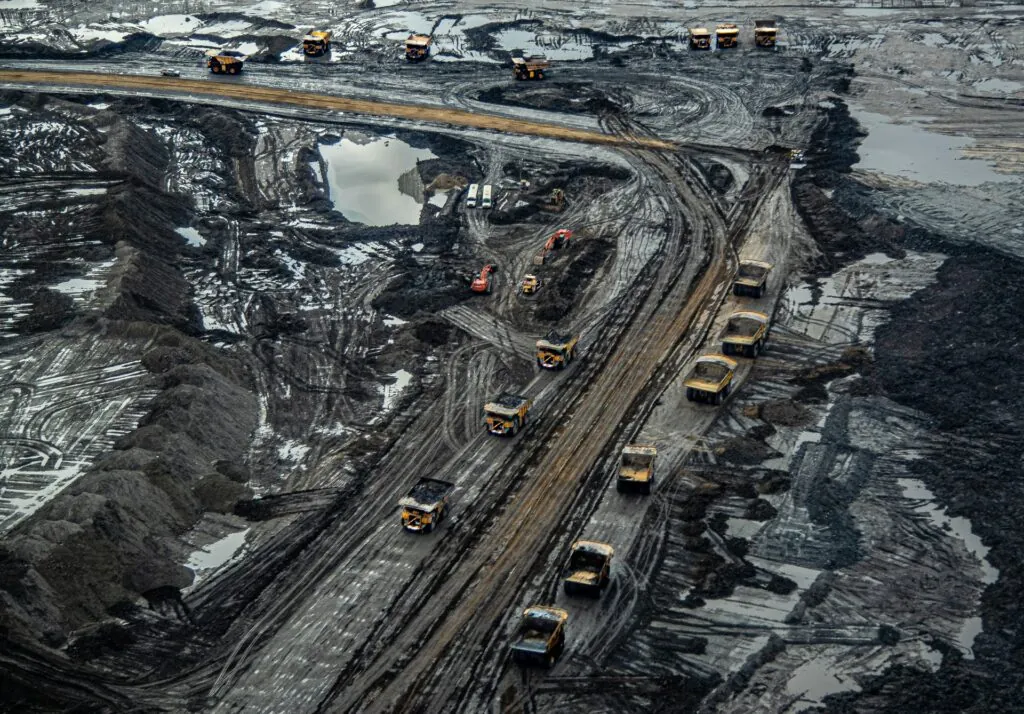
Efficiency in turning sands into oil depends on balancing the heat input against the volume of bitumen processed. Since the heat required to lower the viscosity of bitumen is the highest cost, operators focus on heat recovery systems that capture thermal energy from the cooling oil to pre-heat incoming water. If you’re monitoring a system, focus on the bitumen-to-sand ratio, which indicates how much oil you’re getting for every ton of dirt moved.
A higher ratio means the process is running smoothly, while a drop in this ratio usually points to a change in the geological quality of the sand. Operators typically measure this every 8 hours to ensure the plant settings remain optimal. If the ratio drops below your baseline, check the water temperature first, as even a 5-degree Celsius difference can significantly impact how cleanly the bitumen releases from the sand grains.
Most operators make the mistake of increasing throughput when the ratio dips, but this only wastes fuel by heating excess sand that yields no oil. If your ratio remains low despite stable temperatures, the sand likely contains high levels of fine silt. In this case, you must switch to a lower-velocity separation cycle to prevent the bitumen from emulsifying with the silt.
Related guides
- What Is Quenching the Process and Its Purpose Explained
- Mustard Algae or Sand: How to Know the Difference in 2026
- 3 Best Oil Heaters You Can Leave On All Night for Safe Warmth
Frequently asked questions
Can you refine tar sands at home?
No, it’s impossible to refine tar sands at home because the process requires industrial-scale pressurized vessels and high-temperature cracking units. The separation of bitumen from sand involves hazardous chemicals and intense heat that can’t be safely managed outside of a highly regulated, professional industrial facility.
Why is bitumen so hard to move?
Bitumen is hard to move because its viscosity is extremely high, making it behave like a solid at room temperature. It requires either heating or the addition of lighter liquid solvents to lower its thickness enough to pump it through pipelines over long distances.
How long does the upgrading process take?
The upgrading process takes 12 to 24 hours of continuous heating and chemical treatment to convert bitumen into synthetic crude oil. This duration depends on the specific chemical density of the bitumen, which varies by the location of the oil sands deposit being mined.
Is it safe to handle raw tar sands?
It isn’t safe for an untrained person to handle raw tar sands because they often contain natural bitumen, heavy metals, and residual chemicals from the earth. Professional workers use specialized protective gear to prevent skin contact and inhalation of vapors that may be released from the material.
What happens if the solvent ratio is off?
If the solvent ratio is off, the bitumen will become too thick to flow properly or too thin to separate from the water. This imbalance causes blockages in the piping systems and forces the entire processing plant to shut down until the mixture is corrected to the target density.
Does the sand type change the output?
Yes, the type of sand changes the output because different deposits have varying amounts of clay and water trapped within the bitumen. A higher clay content makes the separation process much harder and often results in a lower yield of usable oil compared to cleaner, sandier deposits.
Conclusion
The process of turning tar sands into oil relies on separating heavy petroleum from mineral solids through precise thermal and chemical steps. By managing the temperature and flow rates in the separation vessels, industrial plants convert thick, unusable bitumen into the synthetic crude oil that fuels modern transportation.
