
You can cook frozen vegetables in a slow cooker, but you should add them during the final 30 to 60 minutes of the cooking cycle to prevent them from becoming mushy. Because frozen vegetables are often blanched during processing, they’re partially cooked already and will lose their texture if exposed to long periods of low, moist heat. The final result depends on the specific vegetable type, the total cooking time of your recipe, and the heat setting you choose.
Identifying the ideal user for slow cooking
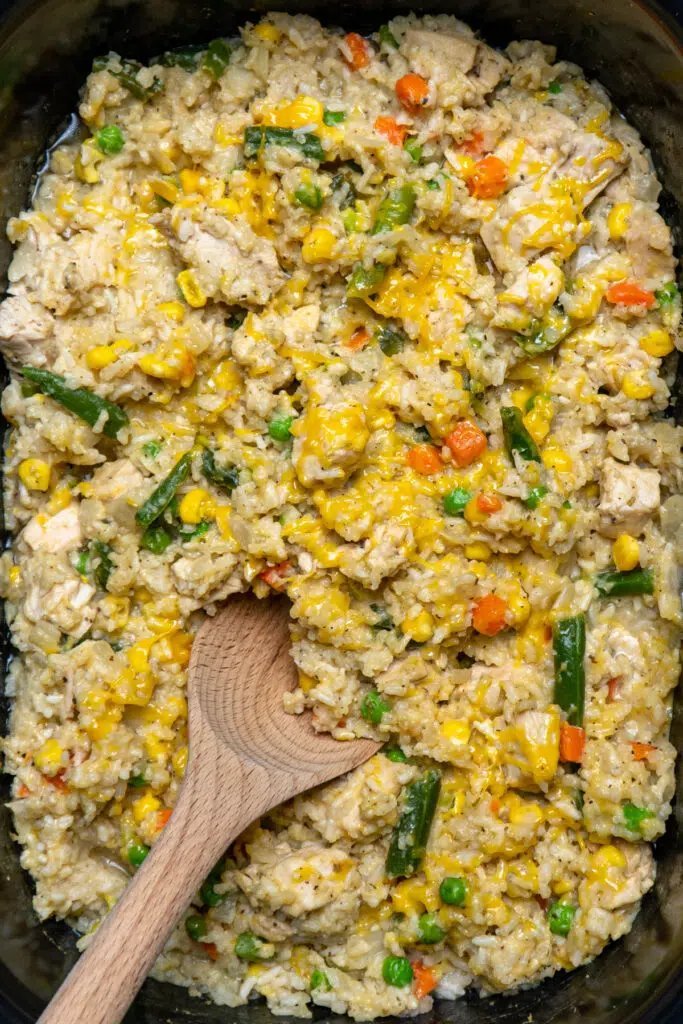
This guide helps home cooks who want to add convenience to their meal prep by incorporating pre-frozen produce into slow-cooked stews, soups, or braises. It assumes the reader has a standard electric slow cooker with at least a “Low” and “High” setting. If you’re looking for a way to cook frozen vegetables as a standalone side dish, this method is likely not for you, as the slow cooker’s heat profile is designed for long-term breakdown of tough proteins rather than the quick steaming of delicate plant tissues.
Readers who need to produce crisp, vibrant vegetables should use a stovetop steamer or a microwave instead. This page serves those who are already preparing a long-simmering meal and wish to add vegetables without needing extra pots or pans. We assume you’re using commercially frozen vegetables that have been stored at or below 0°F to ensure quality. If your vegetables have been sitting in a frost-covered bag for months, their moisture content might be compromised, leading to a watery sauce. Choose this approach if you prioritize ease of cleanup over perfect vegetable texture.
Variables that change your results
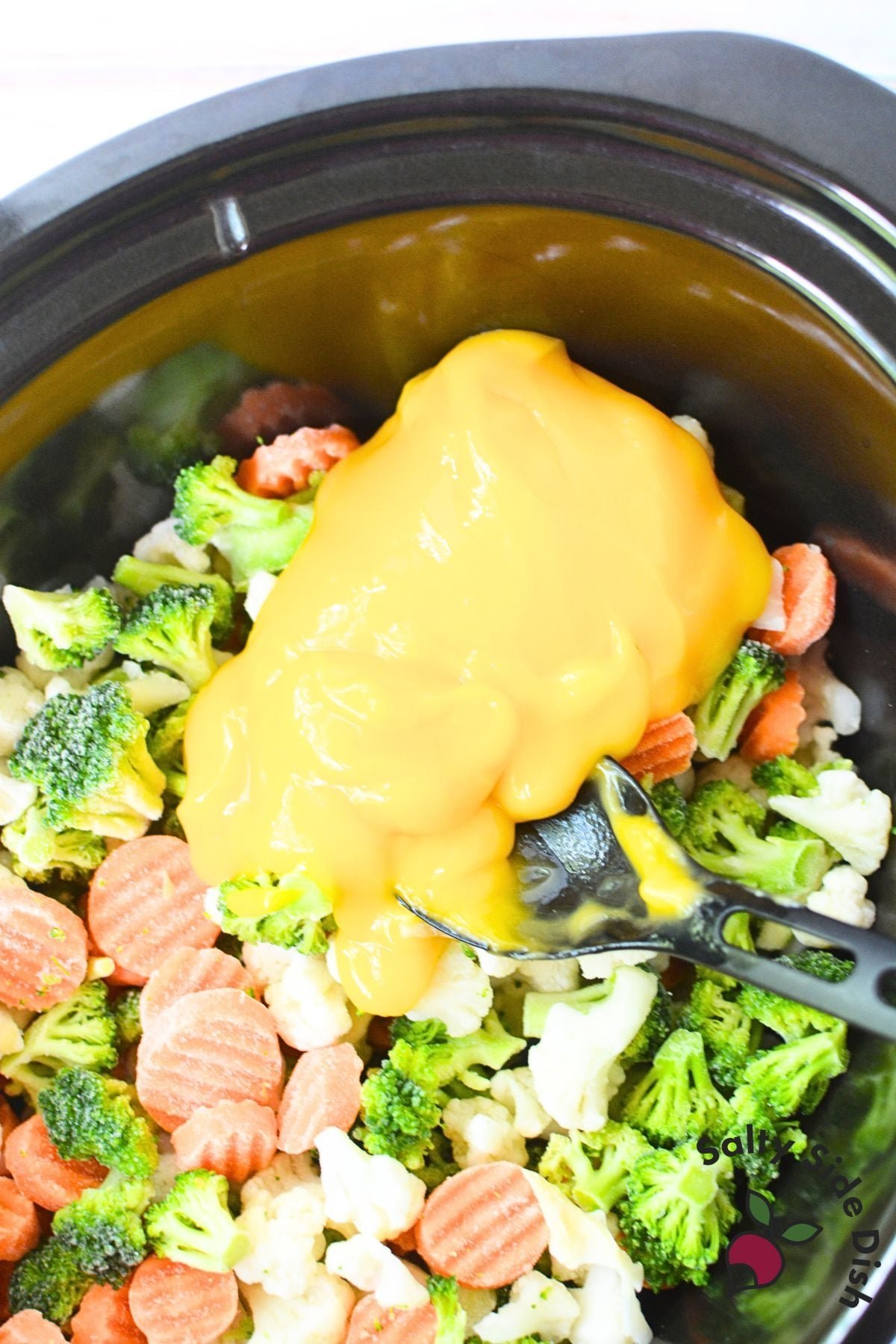
The most important factor is the density of the vegetable you’re using. Sturdy items like carrots, cauliflower, and broccoli hold their shape better than softer vegetables like zucchini or leafy greens. If you mix these types, the softer ones will disintegrate before the sturdier ones reach the desired tenderness.
The total cooking time of your main dish also dictates when you add the vegetables. If your recipe calls for 8 hours on Low, adding frozen vegetables at the start will turn them into a puree. If you’re cooking on High, the shorter window means the vegetables reach the boiling point faster; in this case, add them only in the final 30 minutes.
The amount of liquid in your pot affects how the vegetables thaw. A watery base, such as a thin soup, transfers heat more efficiently than a thick stew. In a soup, frozen vegetables thaw almost instantly, while in a thick stew, they act as a heat sink that can lower the overall temperature of the pot.
People often make the mistake of adding frozen vegetables while they’re still encased in large ice crystals. This adds too much excess water to your dish, which dilutes the flavor of your sauce. Always shake the bag to break apart clumps before measuring your portion.
Finally, the brand and processing method matter. Some frozen vegetable mixes are more finely chopped than others. If you’re using a finely diced “soup mix,” 30 minutes is usually sufficient to heat them through without overcooking.
Preparing vegetables in your slow cooker
- Prepare your main dish—such as a roast or a stew—and allow it to cook until the protein is nearly tender.
- Check the remaining cooking time; if you have less than 60 minutes left, switch the heat to High to ensure the vegetables reach a safe serving temperature quickly.
- Measure the required amount of frozen vegetables, using only the quantity the recipe calls for, as adding too much will significantly drop the temperature of your slow cooker.
- Remove any visible ice chunks or freezer burn from the vegetable pieces before adding them to the pot.
- Stir the vegetables into the liquid to ensure they’re fully submerged, which helps them cook evenly.
- Replace the lid immediately to trap the heat and prevent the internal temperature of the meal from falling below the danger zone.
- Simmer for 30 to 60 minutes, depending on the vegetable’s texture preference.
- Test a piece of the largest vegetable; it should be tender enough to pierce easily with a fork but not falling apart.
- Serve the meal immediately once the vegetables reach the desired texture.
The key judgment call is the visual test. If the vegetables look bright and hold their shape, the dish is ready. If they look dull or grey, they have likely stayed in the heat too long. Keep in mind that frozen food can carry bacteria if not handled correctly, so follow FoodSafety.gov’s cold food storage charts to ensure your ingredients were kept at safe temperatures before they ever reached your kitchen.
Timing and texture for common vegetables
| Vegetable Type | Adding Time (Minutes) | Texture Result | What to Watch For |
|---|---|---|---|
| Mixed soup veg | 30-40 | Soft | Uniform size |
The primary mistake home cooks make is adding all vegetables at the start of the simmer. This leads to the “mush factor,” where delicate peas disintegrate while carrots remain raw. If your soup base is a thin broth, add vegetables toward the lower end of these time ranges. If you’re preparing a heavy, starch-thickened stew, use the higher end to ensure heat penetrates the center of the pieces.
Size dictates your specific timing within these windows. If your pieces are larger, add ten minutes to the total time.
For spinach and other leafy greens, the decision rule is simple: if you want them to act as a thickener, add them early. If you want them to retain their vibrant color and distinct bite, stir them in during the final two minutes of cooking. Always test the largest vegetable piece with a fork before serving. If the fork meets resistance, keep the pot covered for five more minutes.
How to maintain quality
Managing heat levels
Vegetables are highly sensitive to heat. When you add frozen items, the temperature of the entire dish drops. Using the “High” setting for the final hour helps the slow cooker recover its heat faster, which prevents the dish from sitting in the temperature danger zone for too long. If you must use the “Low” setting, extend the time by 30 minutes.
Avoiding over-softening
The biggest failure in slow-cooked vegetables is the “mush” factor. This happens when the cell walls break down completely due to prolonged exposure to heat and moisture. If you’re cooking a recipe that takes 10+ hours, don’t add the vegetables until the final hour. If you accidentally overcook them, there’s no way to restore their texture, so err on the side of checking them early.
Troubleshooting common issues
| What you notice | What it usually means | What to do first | How to stop it happening again |
|---|---|---|---|
| Watery sauce | Too much ice added | Simmer with lid off | Shake ice off before adding |
| Mushy vegetables | Cooked too long | Serve immediately | Add vegetables later in cycle |
| Raw-tasting centers | Not enough heat | Switch to High setting | Use smaller, uniform pieces |
| Dish is cold | Overloaded with frozen | Increase heat setting | Add in smaller batches |
| Discolored veg | Over-exposure to heat | Discard ruined pieces | Remove promptly when tender |
If your sauce remains thin after simmering for ten minutes, the starch ratio is likely compromised. Whisk in a teaspoon of cornstarch slurry to restore the body.
Mushy vegetables often result from carry-over cooking. If your pot retains heat, pull the vegetables when they’re still slightly firm. They will reach perfect tenderness on the plate.
When dealing with raw centers, check your ingredient size. Pieces larger than one inch often fail to heat through before the exterior turns to mush. Consistency is your best defense.
Overloading is the most common mistake. Filling the pot past the two-thirds mark prevents proper circulation. If the liquid doesn’t bubble, your cook time will double, leading to uneven results.
For discoloration, watch for the “soft-spot” threshold. If vegetables turn dull or grey, they have breached the cellular wall. Use a timer set for five minutes less than the recipe suggests to test for doneness early.
Regulatory standards and safety
When cooking with frozen vegetables, you’re essentially reheating food that has been processed and frozen. According to the United States Department of Agriculture (USDA), you should ensure that all leftovers and reheated foods reach an internal temperature of 165°F to ensure they’re safe to eat. While vegetables don’t have a specific “safe” temperature, ensure they’re heated thoroughly until steaming hot throughout.
If you’re adding frozen vegetables to a dish that contains meat, ensure the meat has already reached its own required safe internal temperature before adding the vegetables. Never use the slow cooker to “thaw” frozen vegetables by leaving them in the pot on a “Warm” setting for several hours. This creates an environment where bacteria can grow rapidly. Always start with a hot, active cooking cycle. If you’re uncertain about the safety of your specific appliance or a particular vegetable type, consult the manufacturer’s manual for your slow cooker or the guidance provided by the USDA’s Food Safety and Inspection Service.
The true cost of convenience
The cost of using frozen vegetables is measured in both money and texture. Frozen produce is often cheaper than fresh, especially out of season, and it eliminates the time spent washing, peeling, and chopping. You pay for this convenience with a slight loss in structural integrity; frozen vegetables will never be as firm as fresh ones that have been briefly sautéed.
If you’re on a strict budget, buying large bags of frozen vegetables is the most cost-effective way to add volume to your meals. However, if your recipe depends on the visual presentation of the vegetables, fresh produce is the better investment. The time cost is minimal—about 2 minutes to measure and add—but the risk cost is higher if you fail to reach the necessary heat levels.
The most common mistake is failing to account for the water content in frozen bags. When you add frozen items to a hot pan, the temperature drops instantly. If your burner can’t compensate, the vegetables will steam in their own meltwater rather than sear. If you’re stir-frying, use a high-BTU burner or cook in small batches to maintain a crisp finish.
Always compare the price per ounce of frozen versus fresh at your local grocer. Seasonal sales can sometimes make fresh produce a better value. If the price per ounce is within 10 percent, choose fresh for any dish where texture is the primary focus.
Storing and maintaining results
After cooking, any leftovers containing frozen vegetables should be cooled and stored in the refrigerator within two hours. Use shallow containers to allow the food to cool quickly, which prevents the vegetables from continuing to soften in the residual heat of the pot. When you’re ready to reheat the leftovers, do so on the stovetop or in the microwave rather than putting them back into the slow cooker.
If you find that your vegetables have become too soft after storage, they’re best used as a base for blended soups or purees. Don’t attempt to refreeze a dish that has been cooked in a slow cooker if the vegetables have already been frozen once; this will result in a significant loss of quality and texture. If you have extra frozen vegetables, keep the bag tightly sealed and free of air to prevent freezer burn, which ruins the flavor profile of the entire dish.
When to avoid this method
Using a slow cooker is the wrong approach if you need your vegetables to remain vibrant, bright, or crisp. If you’re preparing a dish where the texture of the vegetable is the highlight, such as a stir-fry or a fresh garden salad, skip the slow cooker entirely. These dishes require high, dry heat or rapid boiling to maintain their cellular integrity.
Additionally, avoid using a slow cooker if you’re working with delicate greens like arugula or baby spinach. They will vanish into the liquid almost instantly, turning into a flavorless mush. If you’re in a rush and need the meal on the table in under 30 minutes, a slow cooker is also inappropriate.
The common mistake here is assuming that all vegetables benefit from the “set it and forget it” mentality. This error costs you the nutritional value and the structural bite of your ingredients. Use this decision rule: if the recipe calls for a crunch or a specific color, use a steamer basket on the stovetop or a microwave-safe dish with a splash of water. These methods provide superior control over the final texture. If you choose the slow cooker for these items, you’re effectively choosing to sacrifice the quality of your produce for the sake of convenience.
Frequently asked questions
Can I add frozen vegetables to a slow cooker at the beginning?
No, adding them at the start will cause them to lose their structure and become mushy. Because they’re already blanched, they only need a short amount of time to heat through. Add them during the last 30 to 60 minutes of cooking to maintain a pleasant texture.
Do I need to thaw frozen vegetables before adding them?
No, you can add them directly from the freezer to the slow cooker. Just be sure to shake the bag to break apart any large clumps of ice so they don’t add excess water to your recipe. This prevents the sauce from becoming thin and flavorless.
What happens if I leave them in too long?
They will likely disintegrate into the sauce, losing their shape and color. While they will still be safe to eat, the texture will be soft and mushy, which can negatively affect the overall presentation of your meal. Set a timer to ensure you don’t forget them.
Is it safe to cook frozen vegetables in a slow cooker?
Yes, it’s safe as long as the entire dish reaches an internal temperature of 165°F. Always ensure your slow cooker is set to a temperature that keeps the food out of the danger zone, and check the meat or protein components with a food thermometer before serving.
How much liquid should I add?
You generally don’t need to add extra liquid when adding frozen vegetables. They will release a small amount of moisture as they heat up, which is usually enough. If your sauce is already very thick, you might add a tablespoon of water, but be careful not to dilute the flavor.
Does the type of vegetable matter?
Yes, sturdier vegetables like carrots and broccoli hold up much better than softer ones like zucchini. Choose vegetables that match your cooking time; if you’re using a mix, add the softer vegetables toward the very end of the cooking window to ensure they don’t overcook.
Check your vegetable packaging for specific cooking instructions if you’re unsure about the variety, as some industrial frozen products are pre-cooked longer than others.
Frozen vegetables, in short
Experimenting with different vegetable combinations will help you find your personal favorite textures. Don’t be afraid to toss a handful into your next batch of soup or stew to see how they turn out. You’ll soon discover that they’re a convenient way to add color and nutrition to any meal.