
A bidet toilet seat troubleshooting not spraying usually happens because the water supply valve is closed, the inlet filter is clogged, or the seat isn’t detecting a user. When the nozzle fails to extend or water doesn’t flow, the most common fix involves checking the physical connections and sensor alignment before considering deeper mechanical failure. These issues vary by model; always consult your owner’s manual for the exact location of the reset button or the filter screen on your specific unit.
Who needs bidet seat troubleshooting

This page serves homeowners who already have an electronic bidet seat installed and are currently facing a loss of water pressure or a complete lack of spray. It assumes the unit is plugged into a grounded outlet and that the home’s main water line is functioning correctly. If you have never installed a bidet seat or if your unit is currently leaking water from the internal housing, this guide isn’t for you. In such cases, you should contact the manufacturer’s support line or a licensed plumber.
The page is best for those who want to perform basic inspections—like checking for kinks in the supply line or verifying that the seat’s “occupancy sensor” is registering their weight. It isn’t for users who intend to open the plastic casing to bypass internal electronics or replace solenoids, as doing so often voids the product warranty and creates a risk of electrical shock. If your unit is under warranty, the most effective step is to contact the manufacturer directly to avoid damaging the internal components during a self-repair attempt.
Factors that influence performance
The primary factor affecting spray performance is the condition of the water inlet filter. Most electronic bidets feature a fine mesh screen that traps sediment from the home’s plumbing. If this screen becomes blocked, water flow to the nozzle drops significantly or stops entirely. You can verify if this is the cause by checking the connection point where the supply hose meets the bidet seat; if the flow is weak, the filter likely needs a gentle rinse.
Another major factor is the occupancy sensor. Modern bidet seats use pressure or skin-contact sensors to prevent accidental spraying when the seat is empty. If the sensor doesn’t detect your weight—perhaps due to a seat cover or because you’re sitting too far forward—the internal water valve won’t open. You can test this by pressing the sensor area with your hand while the seat is powered on to see if the nozzle extends.
Water supply pressure also dictates performance. If you have recently adjusted your home’s water pressure or if the T-valve under the toilet isn’t fully open, the bidet will lack the force needed to operate. Ensure the T-valve is turned fully counter-clockwise.
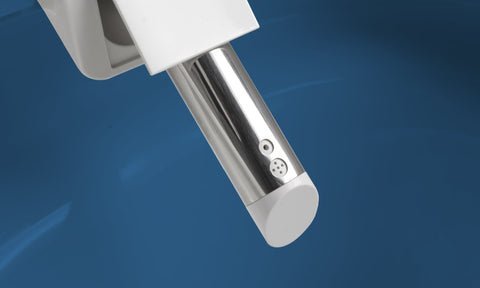
Finally, the nozzle condition matters. Hard water deposits can block the tiny spray holes. If the nozzle extends but the spray is erratic, mineral buildup is the likely culprit. You can often clear this by gently wiping the nozzle tip with a soft cloth soaked in white vinegar. People often mistake this mechanical blockage for an electrical failure, which leads them to unnecessarily reset the entire system.
Step by step
- Confirm the bidet seat is plugged into a GFCI outlet and the power light is illuminated. If the light is off, press the “Reset” button on the GFCI plug.
- Check the water supply T-valve located behind the toilet. Ensure the handle is turned fully to the “open” position to allow maximum water flow to the bidet.
- Inspect the water supply hose for any sharp kinks or bends that restrict flow. Straighten the hose to ensure a smooth path for the water.
- Sit firmly on the center of the seat. Many models require a specific weight threshold to activate the occupancy sensor, which you can verify by checking the product support documentation provided by the Consumer Product Safety Commission for general electrical safety standards.
- Check the nozzle tip for visible mineral deposits or debris. Use a soft toothbrush or cloth to wipe the surface gently while the nozzle is in its extended cleaning mode.
- Turn off the water supply at the T-valve and disconnect the supply hose from the bidet unit to inspect the inlet filter. If you see grit, rinse the mesh screen under running water until it’s clear.
- Reset the unit by unplugging it from the wall, waiting 60 seconds, and plugging it back in. This clears minor software glitches in the control board.
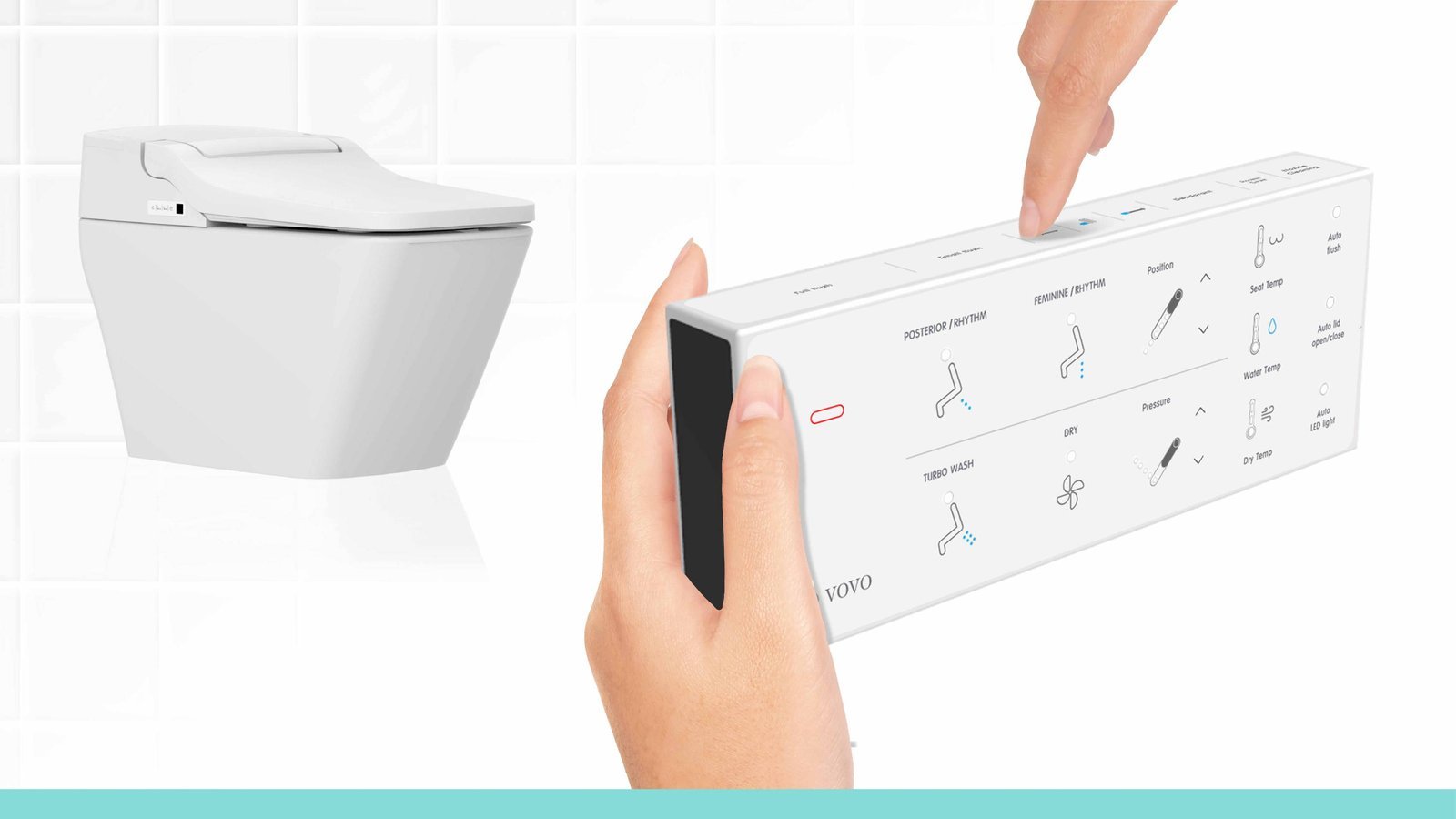
- Test the spray function using the remote or side panel. If the nozzle extends but water doesn’t spray, listen for a quiet clicking sound which indicates the solenoid valve is trying to actuate.
The judgement call here is identifying if the internal pump is audible. If you hear a clear hum or click but no water exits, the issue is likely a blocked internal valve or a frozen solenoid, which requires professional repair.
The variations at a glance
The outcome depends on the specific failure point you identify during your inspection. If you misdiagnose the root cause, you risk damaging internal seals by applying pressure to the wrong components.
| Situation | What to do | What it takes | What to watch for |
|---|---|---|---|
| No power | Check GFCI outlet | 2 minutes | Tripped reset button |
| Weak spray | Clean inlet filter | 10 minutes | Sediment buildup |
| No nozzle movement | Check occupancy sensor | 1 minute | Sitting position |
| Erratic spray | Clean nozzle tip | 5 minutes | Mineral deposits |
| Clicking but no water | Check T-valve | 2 minutes | Closed supply line |
Use this decision rule: if the unit is silent, start with the power supply. If the unit hums but fails to perform, focus on water flow restrictions.
Most users mistake a clogged filter for a pump failure. This error costs you an unnecessary replacement part fee that’s a cheap part. Always clear the inlet screen before assuming the motor has burned out.
What separates a good result from a poor one
Preparation and Observation
Experienced users start by observing the unit’s behavior before touching any parts. They listen for the sound of the internal pump when a wash cycle is initiated. A healthy unit makes a distinct, soft mechanical noise. If the unit is completely silent when you press the button, the problem is likely electrical. Beginners often skip this step and immediately disassemble the water connections, which creates a risk of leaks if the hoses aren’t re-seated perfectly.
Systematic Verification
A successful outcome relies on testing one variable at a time. After checking the power, verify the water pressure at the T-valve. Many people assume the valve is open because the handle looks straight, but a half-closed valve won’t provide enough pressure for the bidet to function properly. By testing the easiest points first—the plug, the seat sensor, and the valve—you avoid the risk of damaging the internal connections. If you reach the point where the unit has power and water but still refuses to spray, stop. Don’t attempt to open the housing to access the internal pump or circuit board, as these components aren’t designed for user-serviceable repairs.
What goes wrong, and what to do
| What you notice | What it usually means | What to do first | How to stop it happening again |
|---|---|---|---|
| Light is off | No power reaching seat | Check GFCI reset | Keep plug area dry |
| Nozzle won’t extend | Sensor not activated | Sit fully back | Remove seat covers |
| Water leaks at hose | Loose connection | Tighten T-valve nut | Use plumbers tape |
| Spray is very weak | Filter is clogged | Clean inlet screen | Install water softener |
| Clicking but no flow | Valve is stuck | Toggle wash mode | Run nozzle clean cycle |
The rules that apply
Safety standards for electrical bathroom appliances are governed by the Underwriters Laboratories (UL) in the United States. These standards dictate that electronic devices used in wet environments must be protected by a Ground Fault Circuit Interrupter (GFCI) to prevent shock. If your bathroom outlet doesn’t have a GFCI, the bidet seat may not function as intended or could pose a significant safety risk. You can check the specific requirements for your device by visiting the UL product certification database.
Furthermore, if you’re attempting to repair a unit, you must follow the manufacturer’s warranty rules. Most companies clearly state that opening the sealed housing of a bidet seat voids the warranty. If the unit is still under its original warranty period, avoid all internal interventions. If the unit requires a repair beyond cleaning the external nozzle or the inlet filter, the only authorized path is to contact the manufacturer’s customer service department. Don’t attempt to bypass or replace internal components like solenoids or heaters if you aren’t a trained technician, as these parts involve high-voltage electricity and pressurized water.
What it costs you
The cost of resolving a spraying issue is usually limited to your time and perhaps the price of a replacement filter. If the filter is beyond cleaning, a replacement typically is a cheap part, depending on the brand. This is a minor expense compared to the cost of a full unit replacement, which is often more than a new unit.
If you decide to call a professional plumber to inspect the water supply, expect to pay a standard service call fee, which varies by region but is often a cheap part. Always compare this fee against the remaining value of your bidet seat. If your unit is several years old and the pump has failed, replacing the entire seat is often more cost-effective than paying for professional repair.
Keeping it right afterwards
Regular maintenance keeps the bidet seat functioning for years. Once a month, perform a “nozzle clean” cycle if your model includes one, or gently wipe the nozzle with a damp cloth to prevent mineral buildup. If you live in an area with hard water, check the inlet filter regularly for sediment. The sign that it needs attention is a noticeable drop in the pressure of the spray compared to when the unit was new.
To keep the system running smoothly, avoid using harsh chemicals or abrasive cleaners on the nozzle or the seat surface, as these can damage the plastic and the sensitive sensor components. If you go on vacation for more than a week, unplug the unit to protect it from power surges. When you return, run the nozzle cleaning cycle once before using the seat. If you find the spray pattern is still uneven after cleaning, soak the nozzle tip in white vinegar for thirty minutes to dissolve any lingering calcium deposits. This simple habit prevents the need for more complex repairs later.
When this is the wrong approach
If your bidet seat is leaking water from the bottom of the plastic casing, stop using it immediately and unplug the power cord. This indicates an internal seal failure that can lead to water entering the electrical components, creating a dangerous situation. You shouldn’t attempt to patch these leaks with silicone or tape. Contact the manufacturer for a warranty claim or consult a professional who specializes in electronic bidet repairs.
Additionally, if your bidet seat shows signs of damaged wiring—such as exposed copper or melted plastic near the plug—don’t attempt to fix it yourself. This is a severe fire and shock risk. Replace the unit entirely or have it inspected by a certified electrician. Finally, if you aren’t comfortable working with plumbing connections, don’t try to disconnect the T-valve. A mistake here can lead to a significant water leak in your bathroom, causing damage to floors and sub-flooring. In these cases, the correct approach is to turn off the main water supply to the toilet and call a licensed plumber to assist you.
Frequently asked questions
Can I use vinegar to clean the nozzle?
Yes, you can use white vinegar to safely dissolve mineral deposits on the nozzle tip. Soak a soft cloth in vinegar and wrap it around the nozzle while it’s in the extended position for about fifteen minutes, then rinse it thoroughly with water before operating the unit.
Why is my bidet not spraying after a power outage?
The bidet seat may have entered a default safety mode or reset its internal settings after the power loss. Unplug the unit for sixty seconds to force a full system reboot, which often clears the control board and restores normal operation to the pump and nozzle.
Is it safe to open the bidet seat housing?
No, you should never open the housing of an electronic bidet seat. The internal components contain high-voltage electronics and pressurized water paths that aren’t designed for user repair, and opening the casing will immediately void your product warranty and create a serious risk of electrical shock.
How long should the inlet filter last?
The lifespan of an inlet filter varies based on the hardness of your home’s water supply and the amount of sediment in your pipes. Inspect the filter as part of your usual clean; if the mesh is clear, it can remain in place, but if it’s discolored or clogged, replace it.
What happens if I sit on the bidet without it spraying?
The seat’s occupancy sensor is likely not detecting your weight, which prevents the unit from activating as a safety feature. Ensure you’re sitting firmly on the center of the seat, as sitting too far forward or using a heavy seat cover can interfere with the sensor’s ability to function.
Does it matter if the water supply is cold?
No, the temperature of the incoming water doesn’t affect the spray mechanism itself. However, if your bidet includes a heating function, ensure the unit is fully powered, as the heater won’t activate if the bidet isn’t receiving the correct electrical current or if the sensor isn’t triggered.
What to do next
Begin by checking that the power cord is secure and the water supply T-valve is fully open. If the unit remains silent or the nozzle refuses to move, verify that the occupancy sensor is triggered by sitting firmly on the seat.
Many users assume the unit is broken when it’s merely in standby mode. If the LED indicator light is blinking red, the unit has likely entered a safety lockout. In this case, unplug the device for exactly sixty seconds to reset the internal processor.
If these basic steps don’t restore the spray, contact the manufacturer’s customer service team for warranty support. Don’t attempt internal repairs, as opening the casing voids your coverage and risks a permanent electrical short. If you hear a grinding noise, stop all use immediately as the unit requires professional repair.
Related guides