
A magnesium air battery generates electricity through a chemical reaction between a magnesium metal anode and atmospheric oxygen, which releases electrons to power external devices. By utilizing ambient oxygen rather than a heavy oxidizer, these batteries offer high energy density, though they face significant technical hurdles due to the rapid corrosion of the metal anode in water-based electrolytes.
How a magnesium battery works
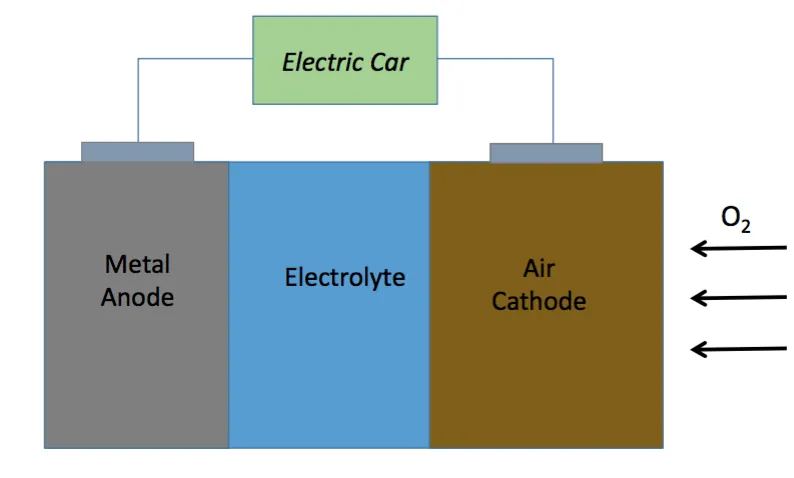
The system relies on specific parts to facilitate the flow of electrons. You can verify the health of these parts by checking the voltage output on a multimeter or by inspecting the physical state of the anode during maintenance.
| Part or input | What it does | What you notice when it goes wrong |
|---|---|---|
| Magnesium anode | Acts as the fuel source | The metal becomes thin or brittle |
| Air cathode | Allows oxygen to enter | Power drops due to blocked pores |
| Electrolyte | Carries ions between poles | Leakage or salt crusting appears |
| Current collector | Transfers electrons to circuit | Corroded terminals or loose connections |
| Outer casing | Protects the internal parts | Cracks or swollen plastic housing |
If you wait until the metal is completely gone, the internal housing will begin to corrode, causing permanent damage to the casing.
Check the air cathode for dust buildup every three months. If you notice a gray film on the surface, wipe it with a dry cloth to restore airflow.
If the system shows an abnormal reading under load, have a technician test the electrolyte levels. If the fluid is clear but the reading remains low, the current collector likely has a loose connection. Tighten the terminals before replacing any internal components.
The operational cycle of the battery
The process begins when the battery is activated by introducing an aqueous electrolyte into the cell chamber, which takes about 30 seconds to initiate full contact.
Once the electrolyte touches the magnesium anode, the metal begins to oxidize, releasing electrons into the external circuit to provide power for the connected device load. Simultaneously, oxygen from the surrounding air enters the cell through the cathode, where it undergoes a reduction reaction to complete the electrical circuit for the system.
As the reaction proceeds, magnesium hydroxide forms as a byproduct. This sludge accumulates inside the cell and eventually clogs the internal flow paths. You can tell the cell is nearing this point when the output current fluctuates despite a steady load.
This chemical cycle continues until the magnesium anode is fully consumed or the byproduct buildup prevents the electrolyte from reaching the remaining active metal surface. Many users mistakenly assume the battery is dead when it’s merely saturated with byproduct.
If the device stops, the accumulated magnesium hydroxide byproduct must be physically removed from the cell. If power returns, the anode is still viable. When the power output falls below the minimum required voltage for your device, the exhausted electrolyte and byproduct must be removed to restore the battery’s function.
Why performance issues happen
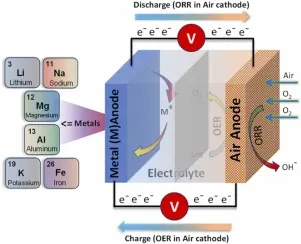
The primary challenge with this technology is the natural tendency of the magnesium anode to corrode even when the battery isn’t in use. This self-corrosion happens because the electrolyte remains in contact with the metal, creating a parasitic reaction that consumes the fuel source without generating useful electricity. If you notice the device failing to reach its expected runtime, it’s often because the anode has degraded faster than the intended load required.
Another technical hurdle involves the buildup of discharge products. As the reaction progresses, magnesium hydroxide accumulates on the anode surface. This layer acts as a barrier, preventing fresh electrolyte from reaching the metal. This is the main reason why many designs require periodic flushing or replacement of the electrolyte to maintain steady power. You can read more about the electrochemical properties of magnesium for further technical details on these material limitations.
The air cathode also faces limitations. If the pores become blocked by dust, moisture, or the buildup of reaction byproducts, the oxygen supply to the cathode is restricted. A lack of oxygen slows down the reduction reaction, causing a sharp drop in voltage. If your battery isn’t performing as expected, ensure the air intake vents are clear and free of debris, as even minor blockages can significantly reduce current flow.
Managing the battery system
What you control
- The timing of electrolyte addition to the cell.
- The cleanliness of the air intake vents.
- The electrical load placed on the battery.
- The storage temperature to limit self-corrosion.
What is fixed by design
- The chemical composition of the anode.
- The surface area of the cathode material.
- The internal structure of the cell housing.
Opening the battery housing or handling the internal electrolyte when it’s contaminated requires professional care, as these substances can be caustic. If you suspect an internal failure or leak, stop use immediately and contact the manufacturer for guidance on safe disposal.
Habits for better performance
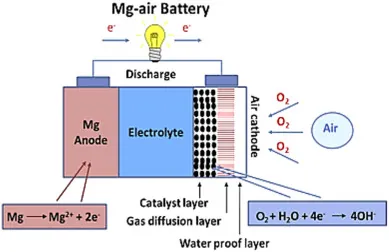
Keep the battery in a cool, dry place when it isn’t in use. High heat speeds up the self-corrosion of the magnesium, which reduces the total energy you’ll get later.
If you’re storing the unit for more than 30 days, ensure the electrolyte is drained completely to prevent the anode from degrading while the system sits idle. Leaving even a small amount of fluid inside causes pitting that permanently lowers peak output.
Monitor the color of the electrolyte if the design allows for it. A clear or slightly cloudy solution is normal, but dark or thick liquid indicates that the byproduct buildup is high.
Don’t extend this interval based on calendar time alone, as degradation depends entirely on cumulative runtime.
Finally, keep the air vents free of dust to maintain a steady flow of oxygen to the cathode. Blocked ventilation starves the cell and mimics end-of-life failure, so inspect intake screens before each deployment rather than waiting for voltage drops to signal the problem.
Related guides
- Best Air Conditioner Under 400 in 2026
- Best Air Mattress Pumps for Camping in 2026
- Best Tents for Queen Size Air Mattresses in 2026
Frequently asked questions
How long does a magnesium air battery last?
The runtime is usually 10 to 50 hours of continuous use, depending on the specific load and the size of the magnesium anode. You can check the capacity rating in your device’s manual to estimate the exact runtime for your model.
Is it safe to store these batteries long term?
It’s safe if you remove the electrolyte and store the magnesium anode in a dry, airtight container. Without the liquid component, the chemical reaction can’t occur, preventing the anode from wasting away during storage.
Why does the power output drop suddenly?
A sudden drop is usually caused by the buildup of magnesium hydroxide blocking the anode surface or a blocked air intake. Check the air vents first, then inspect the electrolyte to see if it needs a full replacement to clear away the waste products.
Can I recharge a magnesium air battery?
You can’t recharge this type of battery because the magnesium metal is physically consumed during the discharge process. You must replace the anode and the electrolyte once the chemical fuel is depleted to restore full power.
What happens if the electrolyte leaks?
A leak can cause corrosion on nearby metal parts and create a slippery or caustic mess on surfaces. If you see liquid outside the casing, wear gloves to clean it up and inspect the housing for cracks that may have caused the failure.
Does the air quality affect the battery?
The battery requires a steady supply of oxygen, so operating it in a sealed or poorly ventilated space will limit its performance. Ensure the device has access to fresh air to keep the chemical reaction moving at the design speed.
Conclusion
Researchers are currently testing new protective coatings to stop the metal from wearing away too quickly. If they can solve this stability issue, these batteries will become a reliable, lightweight power source for our everyday electronics. It’s an exciting field, and we’ll likely see these sustainable options hitting the market soon.
