
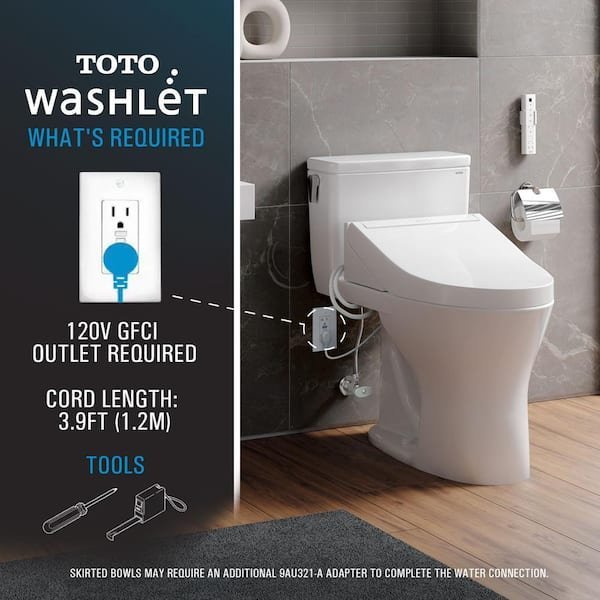
Most models require a dedicated 120-volt GFCI-protected outlet located within three to four feet of the toilet, as these bidet toilet seat electrical requirements ensure the device functions safely in a wet bathroom environment. Installing a proper power source is the most critical step for any electric bidet seat, as these units use internal heaters for both the water and the seat itself. This guide covers the specific installation standards, safety precautions, and electrical load considerations necessary to operate a bidet seat reliably without tripping your home’s breakers or risking water-related hazards.
Powering your bidet toilet seat
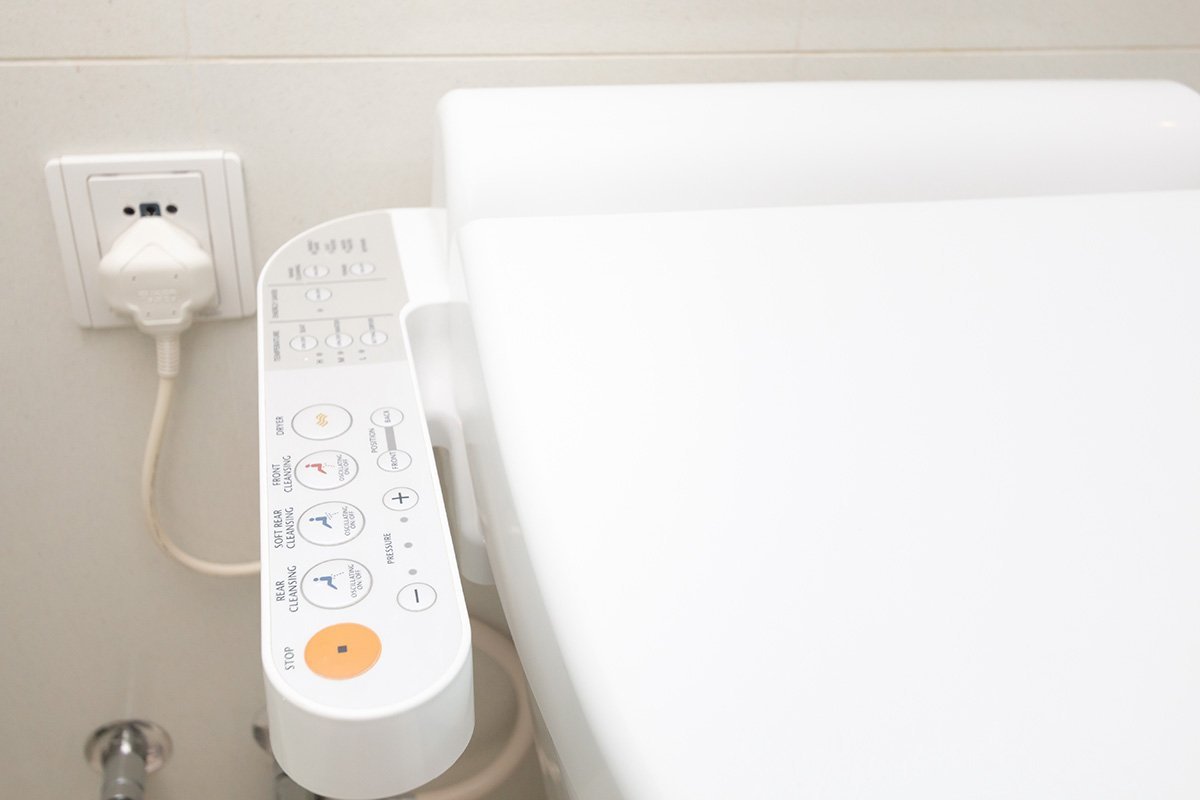
Electric bidet seats are sophisticated appliances that combine water flow with heating elements. Because you’re introducing water and electricity into the same small space, the primary goal is safety. These seats generally require a standard North American household outlet, but it must be a Ground Fault Circuit Interrupter (GFCI) outlet. This type of outlet detects tiny imbalances in current and shuts off power instantly if it senses a ground fault, which is vital when water is nearby.
The main misconception is that any bathroom outlet will do. While many modern bathrooms have GFCI protection, older homes might have standard outlets that don’t provide this protection. If you plug a bidet seat into a non-GFCI outlet, you lose a critical layer of safety. Additionally, these seats draw a specific amount of power to heat the water stream and the seat surface. If your bathroom circuit is already loaded with high-wattage items like hair dryers or space heaters, you might experience frequent breaker trips.
You must also consider the physical placement of the cord. Most manufacturers design the power cords to be between three and four feet long to prevent users from using dangerous extension cords. Extension cords are almost never rated for the moisture levels found in a bathroom and can become a fire hazard. If your current outlet is too far away, you must hire a licensed electrician to install a new, code-compliant receptacle near the toilet. Never attempt to modify the plug or use an indoor-rated extension cord to reach a distant outlet, as this voids your warranty and creates a significant shock risk.
The basic method
- Check your bathroom for an existing 120V GFCI-protected outlet within three feet of the toilet bowl.
- If no outlet is present, hire a licensed electrician to install a dedicated circuit or a GFCI-protected outlet that meets your local building codes.
- Verify that the circuit can handle the wattage of your bidet seat, which is typically between 600 and 1,200 watts depending on the model’s heating capacity.
- Clean the area around the toilet and the electrical outlet to ensure no dust or debris interferes with the plug connection.
- Mount the bidet seat according to the manufacturer’s instructions, ensuring the seat is centered and the mounting plate is secure.
- Plug the bidet seat power cord into the GFCI outlet, ensuring the plug fits snugly without being pulled tight by the cord’s length.
- Press the “Test” button on the GFCI outlet to ensure it cuts power, then press “Reset” to confirm the bidet seat turns on correctly.
The single most important decision is confirming your electrical circuit’s capacity. If you have an older home, the wiring might not support the additional load of a bidet seat alongside other bathroom appliances. If you find your circuit breaker trips every time the bidet seat starts its water-heating cycle, you must stop using the device and consult a professional electrician. They can determine if you need a dedicated 15-amp or 20-amp circuit to prevent overloading your existing bathroom power lines. Never attempt to open the electrical housing or modify internal wiring yourself, as a capacitor can hold a lethal charge even when the unit is unplugged.
Key numbers and settings at a glance
Most electric bidet seats operate on standard residential power, but the specific load varies significantly by model. Always check the label on the back of your seat for the exact wattage and voltage ratings.
| Situation | What to use | How long | What to watch for |
|---|---|---|---|
| Standard operation | 120V GFCI outlet | Continuous | Check for warm plugs |
| Cord reach | Factory power cord | 3–4 feet | Never use extension cords |
| Power load | Dedicated circuit | 15–20 amps | Breaker trips during heating |
| Installation | Licensed electrician | 1–2 hours | Code compliance |
| Safety testing | GFCI test button | Monthly | Ensure immediate shut-off |
If you’re installing a high-end model with a tankless instant heater, the electrical requirements are often higher than those of basic tank-based models. A tankless unit may draw up to 1,200 watts during active use to heat water on demand, while a tank-based unit typically draws less power but keeps a small reservoir of water warm constantly.
If your breaker trips repeatedly, you’re likely overloading a shared circuit. Most bathroom outlets are daisy-chained with lighting or hair dryers. If your bidet shares a circuit with a high-draw appliance, move the bidet to a dedicated 20-amp line to prevent voltage drops. A voltage drop can cause the bidet’s internal computer to reset mid-cycle, leaving the unit unresponsive.
The most common mistake is using a standard indoor extension cord. These cords lack the necessary gauge to handle the high heat cycles of a bidet, creating a significant fire hazard. If your outlet is too far away, hire an electrician to install a new receptacle rather than relying on a cord.
Check the distance between your water supply and the outlet. Local codes often mandate that outlets be at least 36 inches away from the rim of the toilet to prevent accidental splashing. If you have a small bathroom, consult your local building inspector before mounting the unit.
If you notice the GFCI outlet tripping immediately upon activation, don’t reset it repeatedly. This indicates a ground fault in the bidet’s heating element. Unplug the unit and contact the manufacturer. Using a faulty element risks electrical shock in a wet environment.
What separates good results from bad ones
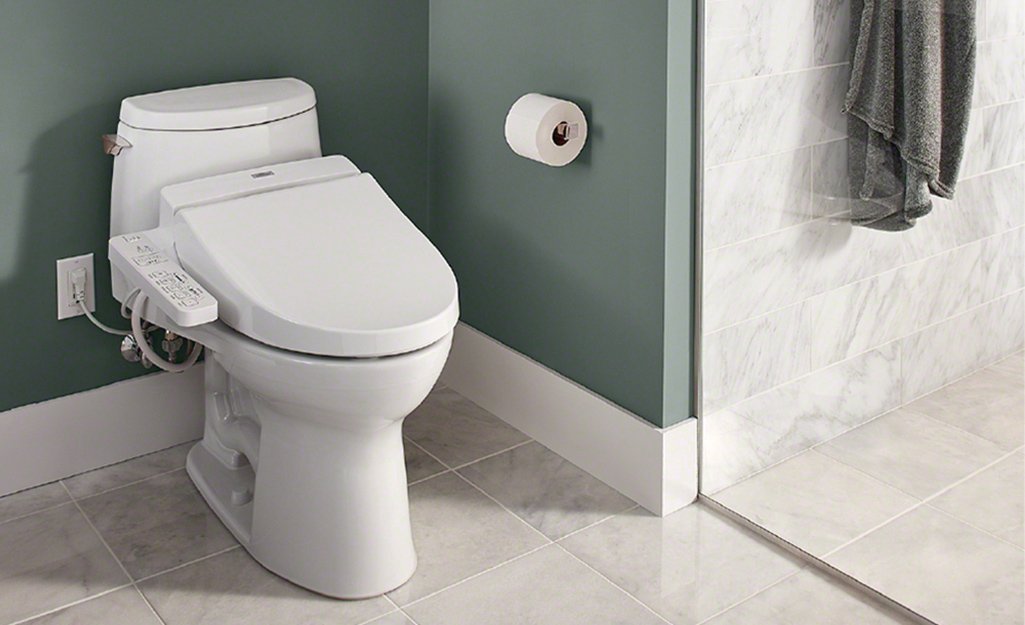
Preparation is everything. The most common mistake is failing to measure the distance between the outlet and the toilet before purchasing the seat. If the cord is even two inches too short, you’ll be tempted to use an extension cord, which is a major safety violation. Experienced installers always map out the path of the cord first to ensure it doesn’t cross over the water supply line. Keeping electrical lines and water supply lines separate prevents potential shorts if a leak occurs at the water connection point.
During the setup, ensure the bidet seat is perfectly level on the toilet rim. If the seat is crooked, the internal electrical components may be subjected to uneven pressure or vibration, which can lead to premature failure of the heating element or the nozzle motor. Once installed, take a moment to look at the plug connection. It should be firm and dry. If the outlet is loose or the plug hangs down, you’re risking a connection that could spark or overheat over time. Always check the outlet for signs of discoloration, which indicates that it’s already running too hot or has experienced an arc.
Partway through the first week of use, check the GFCI outlet again. If the bidet seat has been running, the outlet should be cool to the touch. If you feel heat radiating from the outlet or the plug itself, disconnect the power immediately and check the wiring. This usually means the outlet is old or the circuit is overloaded. Experienced users also ensure that the cord isn’t pinched under the toilet seat or between the bowl and the tank, as constant tension on the cord will eventually fray the internal wires, leading to a short circuit that could permanently damage the bidet’s circuit board.
Common problems and quick fixes
| What you notice | What it usually means | What to do first |
|---|---|---|
| Seat won’t turn on | Breaker tripped | Check the breaker panel |
| GFCI keeps tripping | Ground fault detected | Unplug unit and check for moisture |
| Power cord feels hot | Overloaded circuit | Remove other items from the outlet |
| Flickering status light | Loose connection | Ensure plug is pushed in fully |
| No water heating | Element failure | Check device power settings |
If the seat remains dead after a breaker reset, inspect the GFCI outlet itself. These outlets often have a built-in reset button that pops out during minor surges. If the button refuses to stay depressed, the outlet has likely reached the end of its functional life and requires a professional replacement.
When the power cord feels warm to the touch, you’re likely drawing too much amperage for the circuit. Never use an extension cord or a power strip for these units. These devices can’t handle the sustained load and create a significant fire hazard. If the cord remains hot after clearing the outlet, stop using the unit immediately.
Moisture is the silent killer of these systems. If you notice the GFCI tripping repeatedly, check the area behind the bowl for condensation or leaks. Even a small amount of water tracking into the electrical housing triggers the internal safety mechanism. If the area is bone dry but the unit still trips, the internal heating element has likely developed a short. In this case, discontinue use to avoid electrical shock.
Electrical safety and compliance
Adhering to the National Electrical Code (NEC) is the standard for bathroom safety in the United States. The NEC mandates that all electrical outlets in bathrooms must be GFCI-protected to prevent electrocution in the event of a water spill. If you’re hiring a professional, confirm they’re familiar with these specific requirements for bathroom appliances. Never assume that an existing outlet is wired correctly; use a simple circuit tester to verify that the ground is active and the polarity is correct before plugging in your expensive bidet seat.
If you live in an older home, you might find that your bathroom wiring doesn’t meet modern standards. In these cases, you can’t simply swap a standard outlet for a GFCI one without ensuring the circuit has a proper equipment ground. If your home lacks a ground wire, you must have an electrician evaluate the wiring to see if a GFCI can be safely installed or if a new circuit is required.
A GFCI outlet provides shock protection even if the circuit lacks a grounding conductor, as it detects current imbalances between the hot and neutral wires. If you test your outlet and the indicator light remains dark, you have an open ground. Stop immediately.
This isn’t a task for a DIY enthusiast. A licensed electrician is the only person who should be modifying your home’s permanent electrical infrastructure to ensure it meets local building codes and safety regulations. If you’re uncertain about the age of your wiring, check for the presence of cloth-insulated or aluminum conductors. These materials often degrade and can cause high-resistance faults that GFCI devices aren’t designed to mitigate. Ignoring these rules can lead to insurance claim denials if a fire or shock incident occurs.
Maintaining your power connection
Once your bidet seat is installed and running, maintenance is relatively simple. The most important rule is to keep the area around the plug dry. Even though modern bidet seats are designed to be splash-resistant, they aren’t waterproof. When cleaning the bathroom, never spray water directly at the outlet or the plug connection.
Use a dry cloth to dust the area around the power cord once a month to prevent dust buildup. Accumulated dust can become a fire hazard if it absorbs ambient moisture from the air. If you notice a faint burning smell or discoloration on the plug prongs, disconnect the power immediately. These are early indicators of arcing, which occurs when loose connections generate excessive heat.
Periodically test the GFCI outlet by pressing the “Test” button. If the power to the bidet seat doesn’t cut off immediately, the outlet is faulty and must be replaced. A working GFCI outlet is your primary line of defense against electrical shock. Never bypass this protection by using a standard wall outlet or an ungrounded extension cord.
If the plastic casing begins to yellow or crack near the power entry point, this signals internal heating issues. Stop using the device and contact the manufacturer’s support line. They can tell you if the unit needs servicing or if it’s time for a replacement.
There’s no set lifespan for these units, but they typically last several years before the internal seals or heating components begin to degrade. Ignoring moisture near the electrical housing often leads to short circuits that permanently damage the internal control board, rendering the unit unrepairable.
When to use a different approach
There are situations where an electric bidet seat isn’t the right choice for your bathroom. If you have no room for a GFCI outlet and can’t afford the cost of hiring an electrician to install a new circuit, you should consider a non-electric bidet attachment instead. These units use only the water pressure from your existing supply line and require no electricity at all. They’re much easier to install and carry zero risk of electrical shock.
If your bathroom lacks a dedicated 15-amp or 20-amp circuit, avoid electric models entirely. Attempting to run a bidet seat on a shared bathroom circuit often triggers frequent breaker trips.
Another situation where you should avoid an electric seat is if your bathroom is prone to extreme humidity or flooding. If your bathroom lacks proper ventilation and the walls are constantly covered in condensation, an electric appliance—even one rated for bathrooms—will have a much shorter lifespan. In these cases, the moisture will eventually penetrate the internal circuit boards, leading to short circuits and expensive repairs.
If you can see water beads on your mirror ten minutes after a shower, your humidity levels are too high for sensitive electronics. If you can’t improve the ventilation, stick to a manual, non-electric bidet option.
Finally, if you’re renting your home and the landlord doesn’t allow electrical modifications, don’t attempt to install an electric bidet seat. Stick to a simple, mechanical attachment that you can remove when you move out without leaving any permanent changes to the property. If you can’t easily reach the water shut-off valve behind the toilet, a mechanical attachment is also the safer, more practical choice for a temporary setup.
Related guides