
Brass-bodied, quarter-turn ball valves are the best angle stop valves for residential plumbing, offering long-term reliability and precise flow control. These units resist corrosion and provide a positive shut-off that prevents leaks during repairs. Always check your existing supply line size before purchasing to ensure the connection type matches your home’s specific plumbing.
Comparison of common angle stop valves
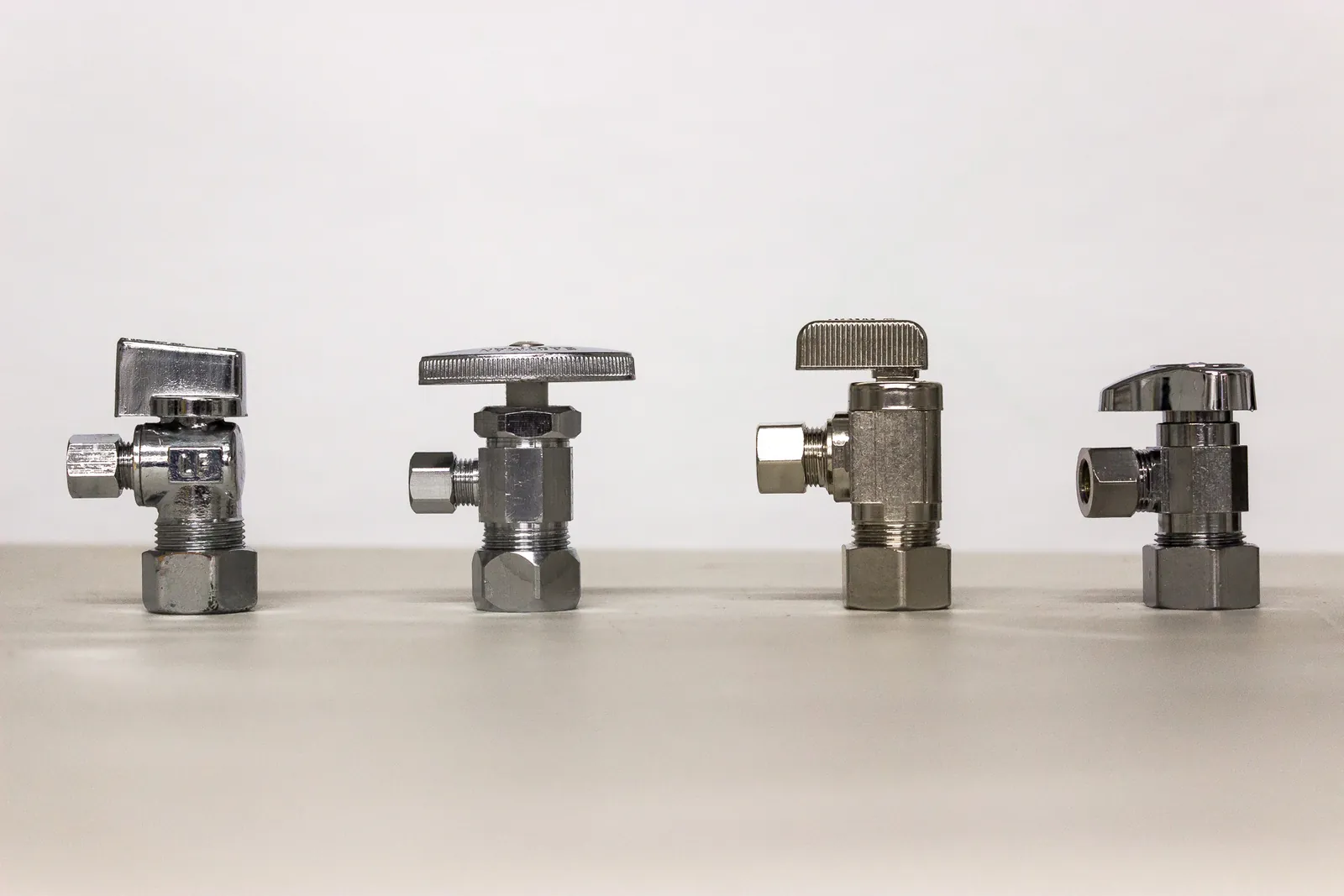
The following table breaks down the main types of valves used for residential water supply lines. These vary by material and internal design, which affects both the cost and the expected lifespan of the unit.
| Valve Type | Best For | Concrete Example |
|---|---|---|
| Brass Ball Valve | Long-term reliability | 1/2-inch compression |
| Plastic Multi-turn | Temporary installations | 3/8-inch barb |
| Chrome-Plated Brass | Visible locations | 5/8-inch O.D. |
| Stainless Steel | High-corrosion areas | 1/2-inch PEX |
Choose a brass ball valve for any connection behind drywall or under a sink you rarely open. These units operate with a simple quarter-turn mechanism that prevents mineral buildup from seizing the internal stem. If you choose a multi-turn valve for these high-traffic areas, you risk a frozen handle that requires a wrench to force, often snapping the stem and causing a flood.
Plastic valves suit temporary setups or irrigation lines where you expect to replace the hardware periodically. Avoid installing plastic in high-heat zones near water heaters, as the material softens and loses its structural seal over time.
For exposed plumbing, chrome-plated brass provides the necessary aesthetic finish without sacrificing durability. However, ensure the internal ball is also brass; some cheaper models use plastic cores that crack under standard residential water pressure.
If your home sits in a region with aggressive, acidic water, stainless steel is the only viable choice. While these cost nearly double the price of standard brass, they resist the pitting corrosion that causes standard valves to weep at the packing nut after only five years. Use this rule: if your local water tests above 8.5 on the pH scale, skip the brass and go straight to stainless.
Brass ball valves
A brass ball valve uses a rotating sphere with a hole in the center to control water flow, making it the most durable choice for home plumbing. It suits homeowners who want a permanent solution that won’t leak after sitting idle for several years. Because the internal ball is usually chrome-plated, it resists mineral buildup better than older washer-based designs.
- Provides a full-port flow when open, which maintains water pressure to your fixture.
- Requires only a 90-degree turn to shut off the water supply completely.
- Features a solid brass body that withstands the high pressure found in municipal systems.
If you’re installing this on a standard 1/2-inch copper pipe, you should use a compression fitting. This allows you to attach the valve without needing a torch or solder. Always ensure the compression nut and sleeve are seated evenly against the pipe before tightening.
If you tighten the nut too far, you risk crushing the copper pipe; if you leave it too loose, it will drip. To find the balance, tighten the nut by hand until it stops, then use a wrench to turn it exactly three-quarters of a rotation. This provides enough force to deform the brass ferrule against the pipe wall, creating a watertight seal.
Check the valve’s rating for dezincification resistance if your local water supply is highly acidic or carries a high chloride content. Standard brass can lose its zinc over time in these conditions, leaving behind a brittle, porous structure that eventually fails. If your area reports “aggressive water,” choose a valve stamped with “DZR” or “CR” for corrosion resistance.
Never use a ball valve to throttle water flow. These valves are designed to be either fully open or fully closed. Leaving the ball partially open creates high-velocity turbulence that erodes the internal seals and pits the chrome finish, leading to premature leaks. If you need to restrict flow, install a globe valve instead.
Multi-turn valves
These valves rely on a rubber washer pressed against a seat to stop water, which makes them a cost-effective option for low-traffic areas. They suit people who don’t mind performing maintenance, as the rubber washer will eventually harden or crack and require replacement. Unlike ball valves, these require several full rotations of the handle to close the water flow fully.
Costs significantly less than ball-style alternatives at the point of purchase.
Allows for fine-tuning the water flow rate if you need to reduce pressure.
Uses a simple, time-tested design that’s easy to understand and troubleshoot.
You’ll typically find these in older homes where the original plumbing hasn’t been updated. When closing these, don’t overtighten the handle, as this can damage the rubber washer against the seat. If the valve drips from the handle stem, you can often stop it by tightening the packing nut just 1/4 of a turn. If it continues to leak after this adjustment, the internal seal has failed and the entire unit needs replacing.
Use these valves only for supply lines you rarely touch, such as a basement shut-off or a secondary garden spigot. If you install a multi-turn valve on a main line that requires frequent operation, the constant friction will shred the washer within months. For high-use areas, always choose a quarter-turn ball valve instead.
A common mistake is assuming that a leak from the handle indicates a failed internal seat. In reality, the packing nut often vibrates loose over time. Before you commit to cutting pipes or replacing the valve, always test the packing nut first. If the leak stops after a slight adjustment, you have saved yourself an hour of plumbing work.
When you replace the washer, bring the old one to the hardware store to ensure a perfect match. These washers come in varying thicknesses and diameters; a mismatch of even 1/16th of an inch will cause the valve to weep water indefinitely. If the seat itself is pitted or corroded, no new washer will provide a seal. In that case, replace the entire valve body.
Chrome-plated brass valves
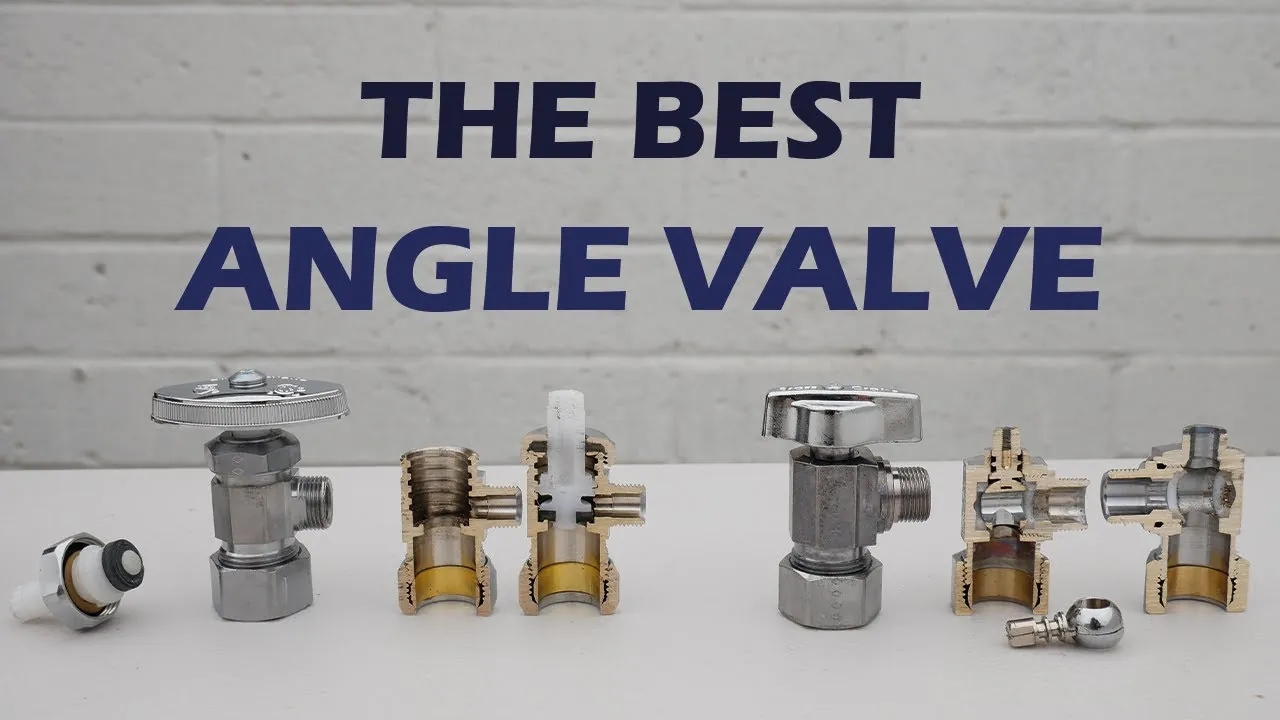
Chrome-plated brass valves provide the same internal durability as standard brass models but include a polished finish for aesthetic appeal. They suit bathrooms or open-shelf kitchens where the plumbing is visible and needs to match other fixtures. The plating helps protect the brass from oxidation in humid environments, keeping the exterior looking clean for years.
Maintains a bright, metallic shine that resists tarnishing from common cleaning products. Includes a metal handle that’s more resistant to accidental breakage than plastic versions. Provides a professional, finished look to exposed pipes under a pedestal sink.
These units are often used when the valve can’t be hidden behind a cabinet. Because the plating can be scratched by metal wrenches, you must wrap your tool jaws in a piece of cloth or rubber before tightening the nut. If you use a bare wrench, you’ll leave ugly marks on the finish. This is a purely cosmetic limit, but it significantly affects the look of a high-end bathroom renovation.
If you’re installing these in a high-moisture zone, such as a steam shower, choose a valve with a thick nickel underlayer. Thin plating will bubble within two years when exposed to constant condensation. You can test the quality by checking the weight; a heavy, solid brass body indicates a thicker casting that holds the finish better than lightweight, porous alloys.
Avoid using abrasive scrubbers or acidic tile cleaners on these valves. Even a mild vinegar solution can strip the chrome finish if left to sit for more than sixty seconds. Stick to a soft microfiber cloth and warm water to maintain the luster. If you see green oxidation spots, the plating has been breached, which may lead to further corrosion of the underlying brass over time.
Stainless steel valves
Stainless steel valves offer the highest level of resistance to harsh water conditions, making them ideal for areas with high mineral content or aggressive water chemistry. They suit homeowners who live in regions where the local water supply causes rapid corrosion of standard brass fittings. These valves are built to withstand extreme temperatures and pressures, meeting the strict requirements set by the National Sanitation Foundation for material safety.
- Resists pitting and dezincification caused by acidic water or high chlorine levels.
- Maintains structural integrity under higher heat conditions than standard plastic valves.
- Provides a long-lasting, heavy-duty solution for commercial or high-end residential builds.
These valves require specific stainless-compatible tools to avoid cross-contamination. If you use a steel wrench, you can transfer iron particles to the stainless surface, which will lead to rust spots. Always use dedicated tools or clean your wrench thoroughly before working with these valves. If the valves are being installed in an area with a high salt content, such as a coastal home, stainless is the only option that won’t degrade prematurely.
Other valve types
PEX crimp valves are designed specifically for PEX tubing systems, using a copper or stainless steel ring to secure the valve to the pipe. They suit modern home builds where PEX plumbing is standard, providing a fast, leak-free connection that doesn’t require specialized soldering skills or expensive copper fittings.
When installing these, ensure your crimp tool is calibrated to the specific diameter of your tubing; a gap as small as 0.005 inches can lead to a slow weep that rots subflooring over time.
Push-to-connect valves feature internal teeth that grip the pipe for a fast installation. They suit emergency repairs where you can’t drain the pipes completely, as they can often be installed on wet lines. However, they’re bulkier than standard valves and may not fit in tight spaces behind old cabinets. If you’re working in a wall cavity with less than four inches of clearance, avoid sweat-on valves due to fire hazards and use a compression or push-to-connect valve instead.
The most common mistake is failing to deburr the pipe end before insertion. A jagged edge will shred the internal O-ring, causing a catastrophic leak once the water pressure hits. Always use a dedicated pipe cutter rather than a hacksaw to ensure a perfectly square, smooth edge.
If the pipe is scratched or pitted, the push-to-connect seal will fail within months. Use these for temporary fixes or accessible locations, but avoid burying them behind drywall where a slow, pinhole leak could go undetected for years.
How to choose the right valve
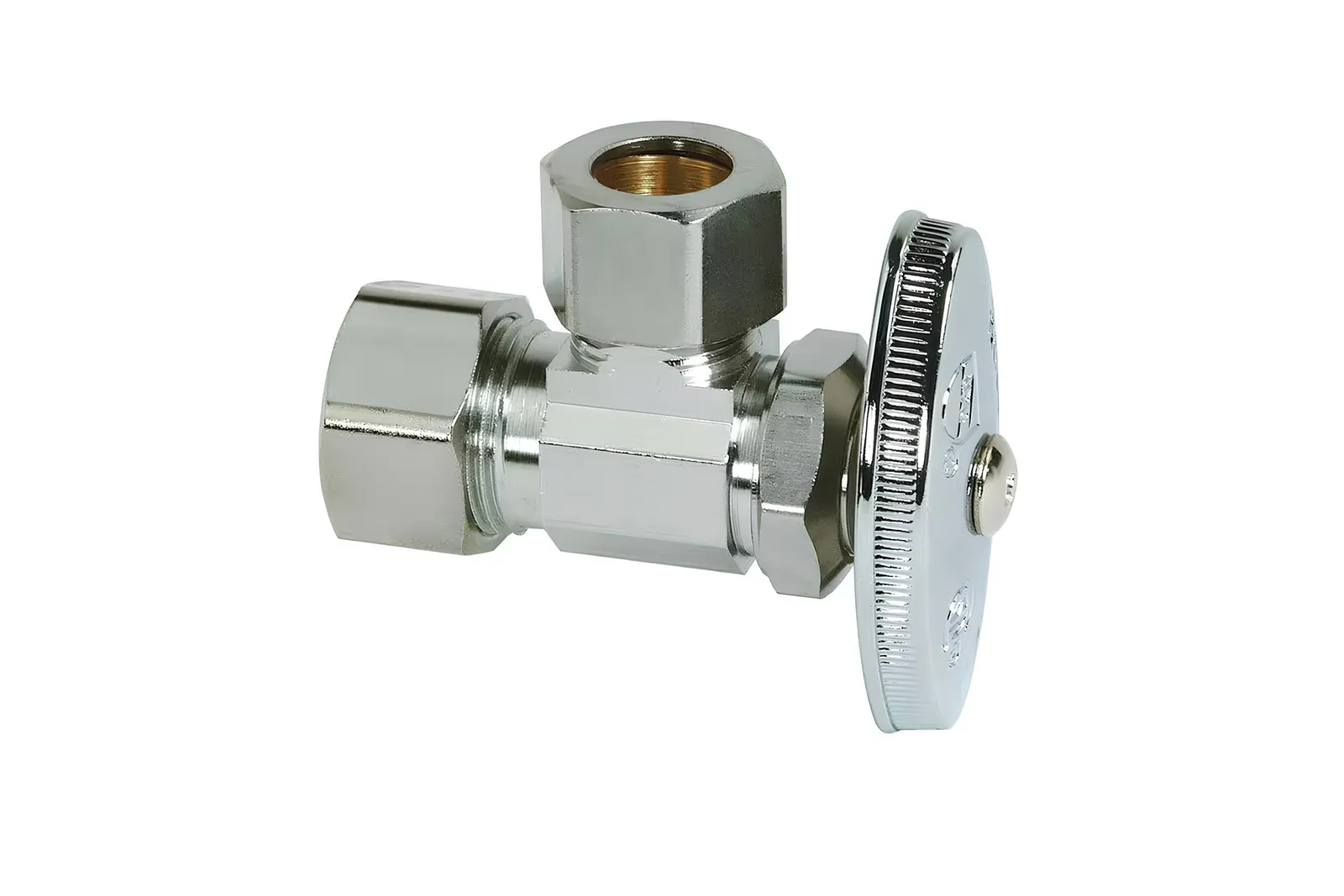
Deciding which valve to pick depends on your pipe material, the visibility of the installation, and your local water quality. If you have copper pipes and the valve is hidden behind a cabinet, a standard brass ball valve with a compression fitting is the best choice. If you have PEX tubing, you must choose a PEX-specific valve to ensure a secure seal. For visible installations, prioritize the finish by selecting a chrome-plated model to match your existing faucets.
Water quality also plays a major role in your decision. If you live in an area with hard water or high chlorine levels, avoid standard multi-turn valves, as the rubber washers will degrade quickly. Instead, spend the extra money for a stainless steel or high-quality brass ball valve. These materials are less likely to seize up over time, meaning you won’t have to struggle with a stuck valve when you finally need to shut off the water for an emergency.
You should never mix incompatible materials, such as connecting a brass fitting directly to a galvanized steel pipe without a dielectric union. This causes galvanic corrosion, which will eat through the connection in a few years.
Most of these valves are designed to be standalone units, but you can combine them with various supply lines like braided steel or flexible plastic. Choosing the right one means leaving the others behind, as you can’t easily swap between compression and PEX styles once the pipe is cut and prepared for a specific fitting type.
Related guides
- 5 Best Foosball Accessories Balls for Your Table in 2026
- 10 Best Farrow and Ball Finishes for Kitchen Cabinets Reviewed in 2026
Frequently asked questions
Can I replace an angle stop valve myself?
You can replace a valve yourself if you have basic tools and shut off the main water supply. First, turn off the main water and drain the lines before using two wrenches to remove the old valve. Stop immediately if you feel resistance to avoid damaging the pipe.
How long do angle stop valves last?
High-quality brass ball valves typically last many years if operated annually to prevent mineral buildup. Multi-turn valves often require washer replacements every five to ten years as rubber components harden. Lifespans may be shorter if your water is highly acidic or contains high levels of sediment.
Why is my angle stop valve leaking from the handle?
A handle leak is usually caused by a loose packing nut or a worn-out stem seal. Try tightening the packing nut behind the handle by a quarter turn with a wrench. If the leak persists, the internal seal is likely damaged and you must replace the entire valve.
Is it safe to use plastic angle stop valves?
Plastic valves are safe for temporary or low-pressure applications, but they’re less durable than brass or stainless steel. They’re prone to cracking from impact or unexpected water pressure spikes. Ensure any plastic valve meets the specific pressure rating required for your home’s plumbing system.
What happens if I don’t turn my valves for a long time?
Valves can become seized due to mineral deposits, making them impossible to turn during an emergency. Apply penetrating oil to the stem and wait 30 minutes before attempting to turn it gently. Never use extreme force, as you might break the pipe inside the wall.
How do I know what size valve to buy?
You must measure the diameter of your existing pipe and the connection size to ensure a proper fit. Most residential supply lines are 3/8-inch, while the inlet pipe is usually 1/2-inch. If you’re unsure, take the old valve to the hardware store for comparison.
Conclusion
Start by turning off your main water supply and opening the faucet to drain any remaining water from the pipes. Once the water stops flowing, use two wrenches to unscrew the old valve and install your new choice, tightening the compression nut until firm.