
Stainless steel, silicone-bladed models are the best shower squeegees, offering the ideal balance of durability and flexibility for removing water from glass. These tools prevent soap scum and mineral buildup by clearing moisture before it evaporates. Choosing the right one depends on your shower panel size, handle weight, and the mounting system, ensuring you can clean your enclosure efficiently without wrist strain.
Quick guide to shower squeegees
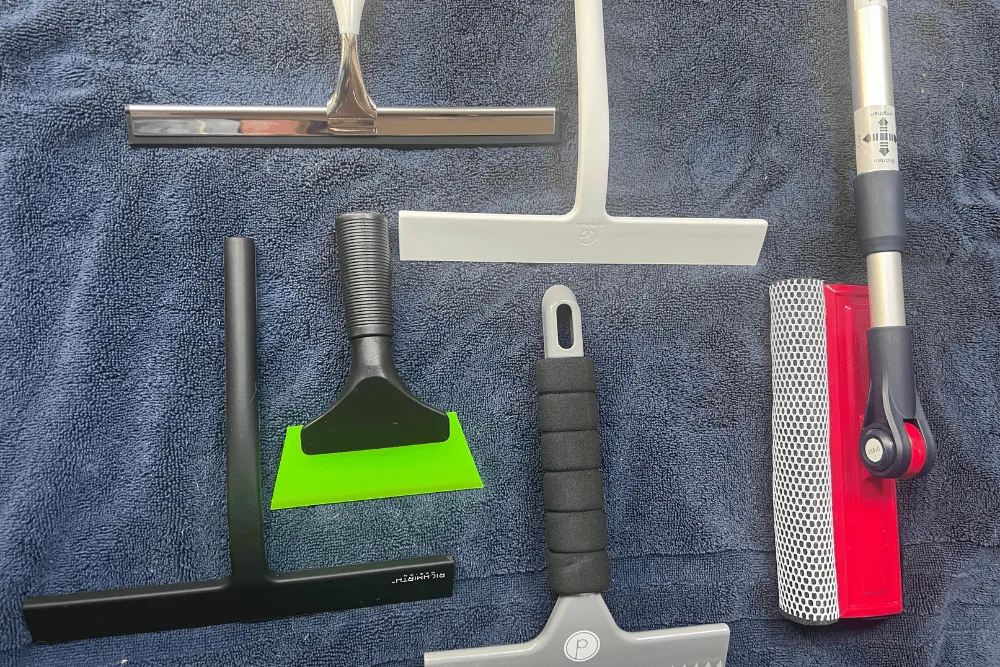
Choosing a squeegee is simple when you look at your shower’s specific layout and your own comfort. The table below compares the most common types available for home maintenance.
| Squeegee Type | Best For | Concrete Example |
|---|---|---|
| Handheld Silicone | Small glass doors | OXO Good Grips |
| Long-handle Steel | Large walk-in showers | Simplehuman Stainless |
| Wall-mounted Hook | Tight bathroom spaces | Umbra Flex Squeegee |
| Weighted Rubber | Heavy-duty glass cleaning | Kohler MasterShower |
| Compact Plastic | Mirrors and vanity | Command Utility Squeegee |
Select a blade width that matches your glass panels. If you have a standard 36-inch door, a 10-inch blade is ideal because it requires only four vertical swipes to clear the surface. Anything wider becomes heavy and difficult to control when wet, leading to streaks.
If your shower features frameless glass, choose a silicone-wrapped blade. Hard plastic edges often scratch the delicate seal at the bottom of the door. If you have framed glass, you can use a firmer rubber blade to better clear the water trapped against the metal tracks.
Most people make the mistake of leaving the squeegee on the floor or a ledge. This allows mold to grow on the blade edge, which then leaves unsightly black streaks on your glass the next time you use it. Always store the tool vertically using a suction hook or a dedicated mount.
If your bathroom stays humid for more than an hour after a shower, avoid wooden handles. The moisture will cause the wood to warp and the finish to peel within months. Stick to stainless steel or powder-coated aluminum for longevity.
Test your grip before you buy. If you have limited wrist mobility, look for a squeegee with a textured, rubberized handle. Smooth plastic handles become incredibly slippery when covered in soap suds, leading to drops that can chip your tile floor. If the tool feels awkward in your hand at the store, it will feel twice as difficult to use while standing in a wet shower.
Handheld silicone squeegees
These compact tools feature a flexible silicone blade molded directly into a comfortable, ergonomic handle. They suit people with small shower stalls or those who prefer a lightweight tool that’s easy to grip with wet hands.
Silicone blades are gentle on glass and don’t scratch the surface or the frame. Unlike metal-backed wipers, they can’t rust or leave streaks if the blade edge sustains a small nick.
The flexible material contours to curved glass doors better than rigid rubber alternatives. Where a stiff rubber blade might skip over a bowed surface, silicone maintains a constant seal, ensuring you don’t leave behind water spots that turn into permanent mineral deposits.
Compact shapes allow you to reach corners and tight spaces near the door hinges. If you struggle with a bulky squeegee, move to a model with a blade width under 8 inches to maneuver around towel bars or tight wall-mounted hardware.
They dry quickly, which helps prevent mildew growth on the handle itself. If you notice a faint sour smell, you’re likely storing the tool in a dark, humid corner of the shower. Move the squeegee to a ventilated area outside the stall to double the lifespan of the silicone edge.
You might use a 10-inch silicone model to clear a standard 30-inch wide glass door in three quick horizontal swipes. If the blade feels too stiff in cold temperatures, run it under warm water for 5 seconds to restore its natural flexibility before you begin.
Check the edge of your blade once a month for jagged tears. If you see a split, stop using it immediately. A damaged silicone edge acts like a serrated knife, trapping grit that will eventually etch fine, cloudy scratches into your glass.
If you have hard water, don’t rely on the squeegee alone. If the glass feels gritty after a wipe, the squeegee is just dragging mineral deposits across the surface. Use a dedicated glass cleaner once a week to remove the buildup that the squeegee misses.
Choose a handle with a loop or a suction-cup mount. If you leave the squeegee sitting on a flat ledge, the blade will eventually warp or flatten on one side. Always hang it vertically to ensure the edge remains perfectly straight for the next use.
Long-handle steel squeegees
Designed for height and leverage, these squeegees feature extended stainless steel handles that help you reach the top of tall glass partitions. They suit anyone with large, floor-to-ceiling walk-in showers who needs to minimize reaching or bending.
Longer handles provide extra reach, which saves you from stepping into the wet shower area. This is essential for preventing slips on soapy tile floors. If your shower enclosure exceeds six feet in height, prioritize a model with a telescoping handle. These allow you to adjust the length to match your specific glass height, preventing the handle from hitting the ceiling during the top stroke.
Stainless steel construction resists rust even in high-humidity environments. Avoid aluminum alternatives if your bathroom lacks a powerful exhaust fan, as aluminum oxidizes and pits in constant steam. Look for 304-grade stainless steel specifically, as it offers the best resistance against the mineral deposits found in hard water.
The balanced weight of the steel handle does most of the work, meaning you apply less pressure. Let the weight of the tool press the blade against the glass. If you find yourself pushing hard, you’re likely using the wrong angle. Hold the handle at a 45-degree angle to the surface to ensure the blade edge maintains consistent contact without skipping.
Replaceable blades allow you to keep the handle for years while only swapping the worn edge. Most manufacturers use a standard channel width, but always verify your model’s blade compatibility before buying bulk replacements. If the blade feels stiff or drags, soak it in warm water with a drop of dish soap to soften the silicone before installation.
If you have a 7-foot tall glass panel, a 12-inch wide model with a 15-inch handle lets you clear the entire surface in four vertical strokes. If you notice streaks, check that the blade is seated firmly in the metal channel; if the blade slides out, tighten the end caps with a small screwdriver.
Streaking often indicates a buildup of soap scum on the blade itself rather than a defect in the tool. Wipe the blade with a microfiber cloth after every third stroke to maintain a clean edge. If streaks persist after cleaning, the blade edge has likely developed a permanent nick or warp. Replace the blade immediately, as a damaged edge will scratch glass if it catches on a hard mineral deposit.
For curved glass, avoid rigid steel handles entirely. These are designed exclusively for flat panels. Using a rigid squeegee on a curved surface forces you to tilt the tool, which lifts one side of the blade and leaves a wide, wet strip behind. If your shower has a rounded enclosure, choose a squeegee with a flexible, articulated head that pivots to maintain flush contact across the entire arc.
Wall-mounted hook squeegees
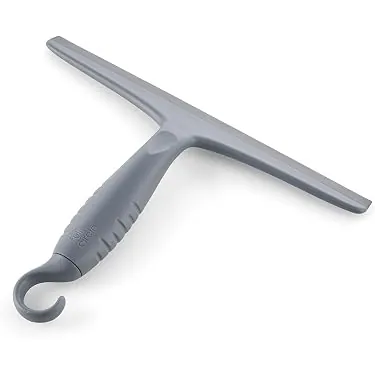
These models include a dedicated suction cup or adhesive hook designed to keep the squeegee off the floor and within reach. They suit people who want to keep their bathroom counters clear and prefer a permanent storage spot.
Wall mounting ensures the squeegee stays dry, which extends the life of the blade. Moisture trapped against a blade edge causes premature warping and mineral buildup. Storing the tool vertically allows gravity to pull water away from the rubber, keeping the edge sharp for longer.
You always know where the tool is, so you’re more likely to use it after every shower. When a squeegee lives in a drawer, the friction of retrieving it often discourages daily use. Placing the hook within arm’s reach of the shower exit turns the task into a reflexive habit rather than a chore.
The suction cups work best on non-porous tiles or directly on the glass surface. If you have textured or matte-finish tiles, suction cups will fail within hours. In those cases, choose an adhesive hook rated for high humidity. Apply the adhesive to a clean, bone-dry surface and wait twenty-four hours before hanging the squeegee to ensure a full chemical bond.
Minimalist designs keep the bathroom looking organized without adding visual clutter. Choose a finish that matches your existing shower hardware, such as brushed nickel or matte black, to make the tool feel like a deliberate fixture rather than an accessory.
For a standard setup, mount the hook at eye level inside the shower near the door handle. This placement allows you to grab the tool before you even step out of the stall. If the suction cup loses its grip, clean the tile with rubbing alcohol to remove soap film and press it firmly back onto the dry surface.
Avoid mounting the hook directly under the showerhead. Constant exposure to the water stream will degrade the adhesive backing or fill the suction cup with moisture. Instead, choose a spot on the side wall that remains dry during the actual shower. If the squeegee keeps sliding, a small dab of clear silicone sealant inside the cup can create an airtight, permanent bond on uneven surfaces.
Weighted rubber squeegees
These tools use a heavy metal core and a stiff rubber blade to provide maximum contact with the glass. They suit people dealing with heavy water spots or those who prefer a tool that feels substantial in the hand.
- The added weight reduces the amount of manual force you need to apply to the glass.
- Stiff rubber is excellent for pushing large volumes of water off non-tempered glass surfaces.
- Durable construction ensures the tool won’t crack if it’s dropped on a tile floor.
- A wider 14-inch blade covers more surface area, which cuts your cleaning time in half.
A 14-inch weighted model is ideal for large enclosures where you want to finish the job in seconds. If you find the blade squeaks, it’s usually a sign that the glass is already too dry; add a light mist of water to the surface to ensure the blade glides smoothly.
Other shower maintenance tools
Microfiber cloths are essential for wiping down the metal frames and hinges that a squeegee can’t reach. They absorb moisture effectively and are machine washable, making them a great secondary tool for detail work. Always use a dry cloth immediately after your shower to prevent water spots from etching into the finish. If you notice a white, chalky film forming on the metal, the water has already begun to mineralize.
Plastic scrub brushes help remove stubborn mineral deposits that accumulate over time. Use these only on the glass if they’re rated as non-scratch, as abrasive materials can permanently damage the finish of tempered glass. If your brush has stiff, dark bristles, test it on a small, hidden corner of the glass first. If the bristles leave a faint white mark, the plastic is too hard for your specific glass coating.
Squeegee replacement blades are necessary to maintain a streak-free finish. Change your blade as soon as you see cracks or uneven edges. A blade that’s older than six months will often develop tiny nicks that trap grit, which acts like sandpaper against your glass. If you drag the squeegee across the surface and hear a chattering sound, the rubber has hardened and needs an immediate swap to prevent permanent deep-surface scratches.
Keep a dedicated spray bottle filled with a mixture of half white vinegar and half distilled water under the sink. If you live in an area with hard water, use this solution to break down calcium buildup before it hardens into a crust. If the vinegar smell is too strong, add five drops of tea tree oil to mask the scent and provide natural antimicrobial properties.
Avoid using steel wool or green scouring pads on any shower surface. These tools remove the protective sealant on glass and metal, which makes the surface porous. Once that layer is gone, soap scum will bond to the glass much faster, forcing you to scrub twice as hard every single week.
Choosing the right model
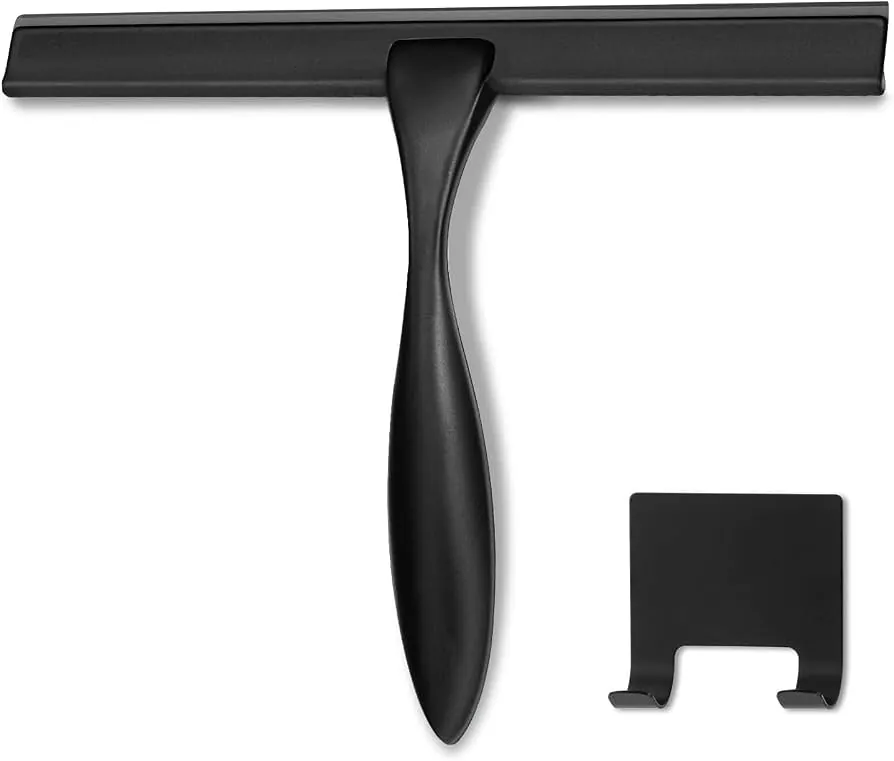
Your choice depends on the height of your shower glass and the amount of storage space you have. If you have a tall glass wall, choose a long-handle steel model to avoid overstretching your arms. For small, cramped shower stalls, a handheld silicone squeegee is superior because it fits easily into corners without hitting the walls. If your primary goal is to prevent water spots, prioritize a model with a wide, high-quality rubber or silicone blade.
Think about how you’ll store the tool before you buy. If your shower has no flat ledges, choose a model that includes a wall-mount hook or suction cup. Picking one tool usually means you’ll use it more consistently, so choose the one that feels most comfortable in your hand during your daily routine. These tools are often sold as standalone units, but you can combine them with a microfiber cloth for a complete cleaning kit.
Frequently asked questions
How often should I use a squeegee?
You should use it after every shower to prevent soap scum and mineral buildup. Clearing the water while the glass is still warm takes less than 30 seconds and prevents the need for heavy cleaning chemicals later.
Is it safe to use a squeegee on all glass?
It’s safe for tempered glass and standard shower enclosures, but avoid using abrasive blades on treated or coated glass. Always check your shower manufacturer’s manual to see if they recommend specific cleaning tools for your model.
How long do the blades last?
Most blades last between 6 and 12 months, depending on how frequently you use them and the hardness of your water. If you see streaks or gaps in the water removal, it’s time to replace the blade.
Can I use a squeegee on tiles?
You can, but it’s less effective on textured tiles than on smooth glass. Use it on the glass panels first, then use a microfiber cloth to wipe down the tiles to prevent moisture buildup in the grout lines.
Why does my squeegee leave streaks?
Streaks usually happen when the blade is dirty or has small nicks in the rubber. Wipe the blade clean with a damp cloth after every use to remove soap residue and prevent it from drying out and cracking.
How do I store a squeegee?
Store it hanging by a hook or suction cup to allow the blade to air dry completely. Never leave it lying on the floor of the shower, as constant contact with water will degrade the handle and the blade.
Conclusion
Start by wiping your shower glass from the top corner down in a single, continuous motion. You should see a clear, dry path left behind by the blade, which indicates that you’re applying the right amount of pressure. If you notice deep scratches on your glass or if the metal frame shows signs of rust that won’t come off with light scrubbing, stop using the squeegee and contact a professional glass cleaner to assess the damage.