
Heavy-duty polyester, PEVA, and antimicrobial vinyl are the best shower curtain liners for keeping water inside your tub while resisting mold growth. These materials serve as a barrier between your decorative curtain and the wet shower environment, ensuring the bathroom floor stays dry. While they all stop water, they differ in how they handle humidity and how often you need to replace them.
Quick guide to shower curtain liners
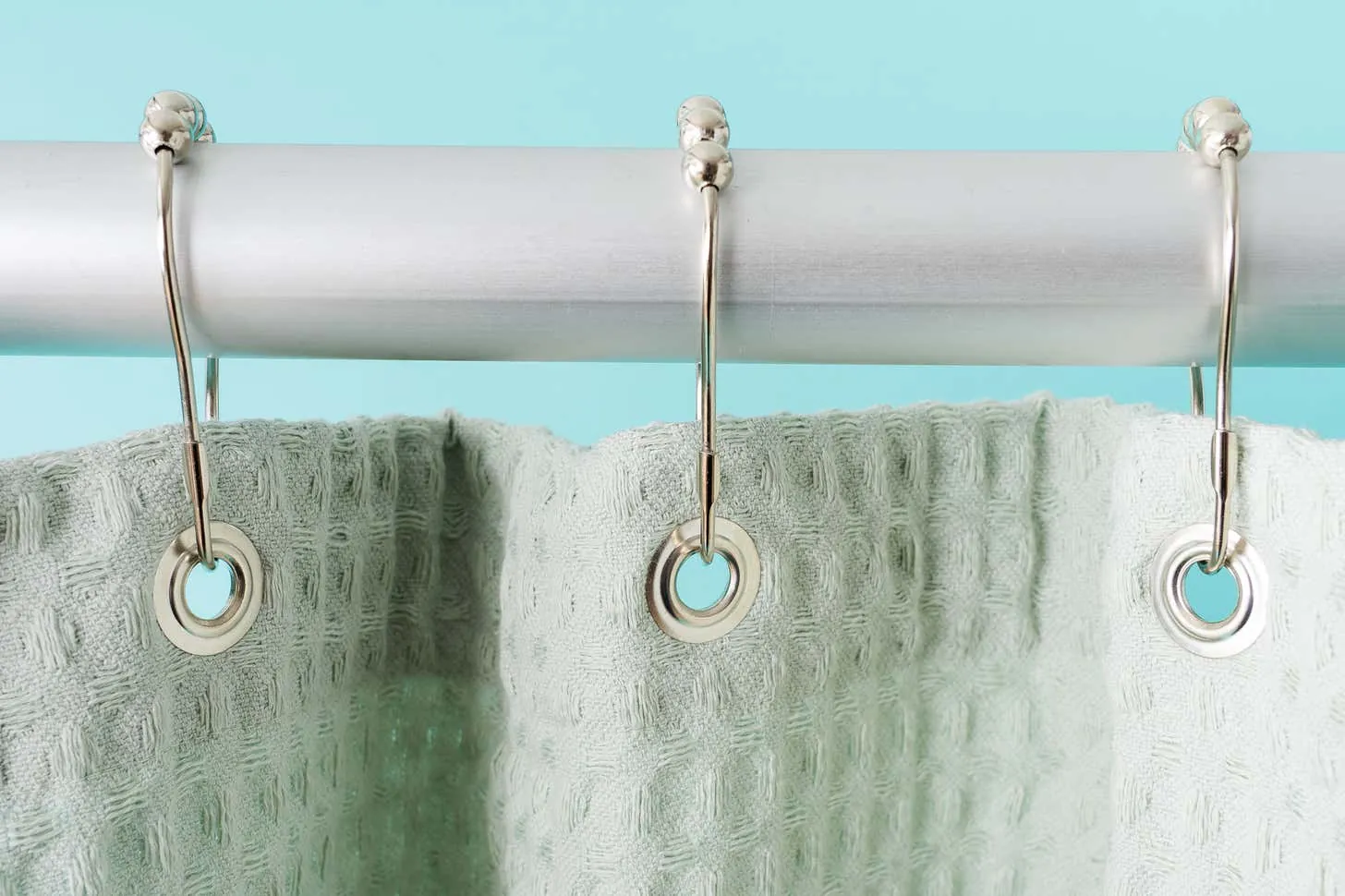
Selecting the right material depends on your preference for weight, durability, and cleaning ease. The following table outlines the main options available for most standard bathroom setups.
| Material | Best for | Common example |
|---|---|---|
| Polyester | Machine washing | Fabric-like weave |
| PEVA | Eco-conscious users | Soft plastic feel |
| Vinyl | Heavy water use | Clear thick sheet |
| Antimicrobial | Mold prevention | Treated plastic surface |
Choose polyester if you prioritize aesthetics and frequent cleaning. These liners withstand dozens of wash cycles without fraying, provided you skip the bleach. If you notice a faint mildew smell after two months, run the liner through a cold cycle with a cup of white vinegar.
Opt for PEVA when you want a non-toxic alternative to traditional plastics. These liners lack the harsh chemical odor of standard vinyl, making them ideal for small, poorly ventilated bathrooms. However, they’re thinner and prone to tearing at the grommets. If your shower curtain rings are sharp metal, replace them with smooth plastic hooks to prevent premature ripping.
Vinyl remains the gold standard for heavy-duty protection. Its weight ensures the curtain stays against the tub wall, preventing water from splashing onto the floor.
Antimicrobial liners are marketed as mold-proof, but they aren’t maintenance-free. They effectively slow down bacterial growth, yet they still require a weekly rinse to remove soap scum.
If you have a high-traffic household, stick to heavy-gauge vinyl to avoid constant replacements. If you prefer a spa-like appearance, polyester is the only choice that avoids looking like a clinical plastic sheet. Match your material to your cleaning habits, not just the initial price tag.
Heavy-duty polyester liners
Polyester liners are the most durable choice for users who want a product that can be cleaned in a machine. This fabric is tightly woven to prevent water from soaking through, yet it remains soft to the touch compared to plastic options. It suits households that prefer a fabric aesthetic and want to avoid the disposable nature of thin plastic sheets.
- Machine washable at low temperatures, which extends the life of the fabric.
- Resists wrinkling and folds smoothly against the bathtub wall.
- Dries faster than cotton or blended fabrics, reducing the time moisture sits on the surface.
- Includes weighted hems to keep the curtain from blowing inward during a shower.
If you have a standard 72-inch wide shower, choose a liner that’s at least 74 inches wide to ensure it overlaps the tub edges. You can verify the specific weight and dimensions on the packaging or the manufacturer’s product page.
PEVA liners
PEVA, or polyethylene vinyl acetate, is a non-chlorinated plastic that serves as a flexible alternative to traditional vinyl. It’s ideal for those who are sensitive to strong chemical odors, as it generally off-gasses less than standard PVC materials. This material is lightweight and transparent, making it a great choice for smaller bathrooms where you want to maintain a sense of open space.
- Free of chlorine, which makes it a preferred choice for better indoor air quality.
- Waterproof surface that beads up moisture instantly, preventing saturation.
- Wipe-clean maintenance requires only a damp cloth and mild soap.
- Highly affordable, allowing for frequent replacement as part of regular hygiene.
When installing a PEVA liner, ensure the grommets are reinforced with metal or heavy-duty plastic. A thin grommet can tear if the curtain is pulled sharply, which is the most common mistake that leads to premature disposal.
If you notice a faint, plastic-like scent upon opening the package, air the liner out in a well-ventilated room for 24 hours before hanging it. This simple step eliminates the initial manufacturing smell entirely. While PEVA is durable, it’s thinner than polyester fabric curtains. If your shower experiences heavy daily use by multiple people, expect a lifespan of roughly six months before the material begins to stiffen or develop mineral deposits.
Distinguish your needs by the bathroom layout. In a guest bath that sees infrequent use, a PEVA liner is the superior, low-maintenance choice. In a high-traffic master suite, you might prefer a heavier-gauge PEVA or a fabric-backed alternative to avoid the “clinging” effect caused by static electricity.
The most frequent error is failing to fully extend the curtain after showering. If you leave the folds bunched together, moisture traps in the creases, leading to unsightly pink or black mildew spots within weeks. Always pull the liner taut across the rod to allow air circulation. If you see soap scum buildup, a quick spray of diluted white vinegar will dissolve the residue without damaging the plastic surface. Avoid abrasive scrubbers, as these create micro-scratches where bacteria thrive.
Antimicrobial vinyl liners

Antimicrobial vinyl liners are coated with agents designed to inhibit the growth of mildew and bacteria on the surface. This is the best option for bathrooms with poor ventilation where humidity remains high for several hours after use. These liners are heavier than PEVA, providing a stable drape that stays in place even when the shower is running at high pressure.
- Stops mildew buildup by creating an inhospitable surface for spores.
- Thick construction prevents the curtain from clinging to your body.
- Easy to rinse with a showerhead after every use to remove soap scum.
- Available in clear or frosted finishes to match existing decor.
While these liners resist mold, they aren’t immune to it forever. If you see black spots appearing, it’s time to replace the liner, as the antimicrobial coating has likely lost its effectiveness.
Clear vinyl liners
Clear vinyl liners are the standard choice for those who want a minimalist look that doesn’t interfere with bathroom lighting. They provide a high level of water protection due to their non-porous surface, which is completely impervious to water spray. This type of liner is best for people who want to see their decorative curtain through the liner or who want to keep the shower area looking bright and clean.
The material serves as a functional shield that allows your primary fabric curtain to remain dry and mold-free. Because the vinyl is transparent, it creates an illusion of depth, making smaller bathrooms feel significantly more spacious.
Most shoppers assume that all clear vinyl is identical, but the gauge rating dictates the actual lifespan of the product. A 3-gauge liner is common in budget hotels but will fail within weeks, often ripping at the grommets under the weight of water. If your shower sees daily use, prioritize a 10-gauge thickness. This heavier material resists the suction effect that pulls lighter liners toward your legs during a shower.
Check the packaging for the specific weight measurement before you head to the register. If the label omits the gauge, lift the package; a quality 10-gauge liner should feel substantial and drape without excessive crinkling.
Avoid clear vinyl if your local water supply has high mineral content. Hard water leaves visible white calcium deposits on transparent surfaces that are nearly impossible to scrub away without scratching the finish. In these cases, a frosted or patterned vinyl liner hides the buildup while maintaining the same light-transmitting benefits.
Proper maintenance requires a simple rule: if you notice soap scum forming, wipe the liner down with a damp cloth immediately. Waiting for the buildup to harden forces you to use harsh chemicals that degrade the vinyl’s flexibility.
When installing, always use rust-proof metal hooks rather than plastic rings. Plastic rings create friction points that snag the vinyl, leading to premature tears at the top seam. A high-quality 10-gauge liner paired with metal hardware can last upwards of a year, provided you keep the shower area ventilated to prevent mildew from colonizing the folds.
Other liner options
Fabric-blend liners combine cotton and synthetic fibers to replicate the drape and aesthetic of high-end window treatments. These liners excel in master bathrooms where visual appeal dictates the design. However, they require an active exhaust fan to prevent mildew growth within the porous fibers. If your bathroom lacks ventilation, these liners will trap moisture and develop dark spots within weeks.
Weighted magnetic liners feature small magnets sewn directly into the bottom hem. These magnets lock the liner against steel bathtubs to create a seal that prevents water from escaping. They’re the standard solution for narrow shower stalls where the curtain tends to blow inward against your legs. If you have a fiberglass or acrylic tub, these magnets won’t engage, rendering the feature useless. In that case, choose a suction-cup liner instead.
PEVA liners offer a non-toxic alternative for households concerned about chemical off-gassing. Unlike traditional PVC, PEVA is chlorine-free and doesn’t emit a harsh plastic odor when unpacked. These are the best choice for small, poorly ventilated bathrooms where a strong chemical smell would become overwhelming. Because PEVA is thinner than fabric, it’s prone to tearing at the grommets. To prevent this, always use heavy-duty metal rings rather than plastic hooks.
If you prioritize longevity over aesthetics, look for heavy-gauge vinyl liners with reinforced mesh headers. These withstand daily tugging and high-pressure water streams without stretching or ripping at the attachment points. A standard 8-gauge vinyl liner will typically last six months before the bottom hem begins to yellow or stiffen.
Choosing your liner
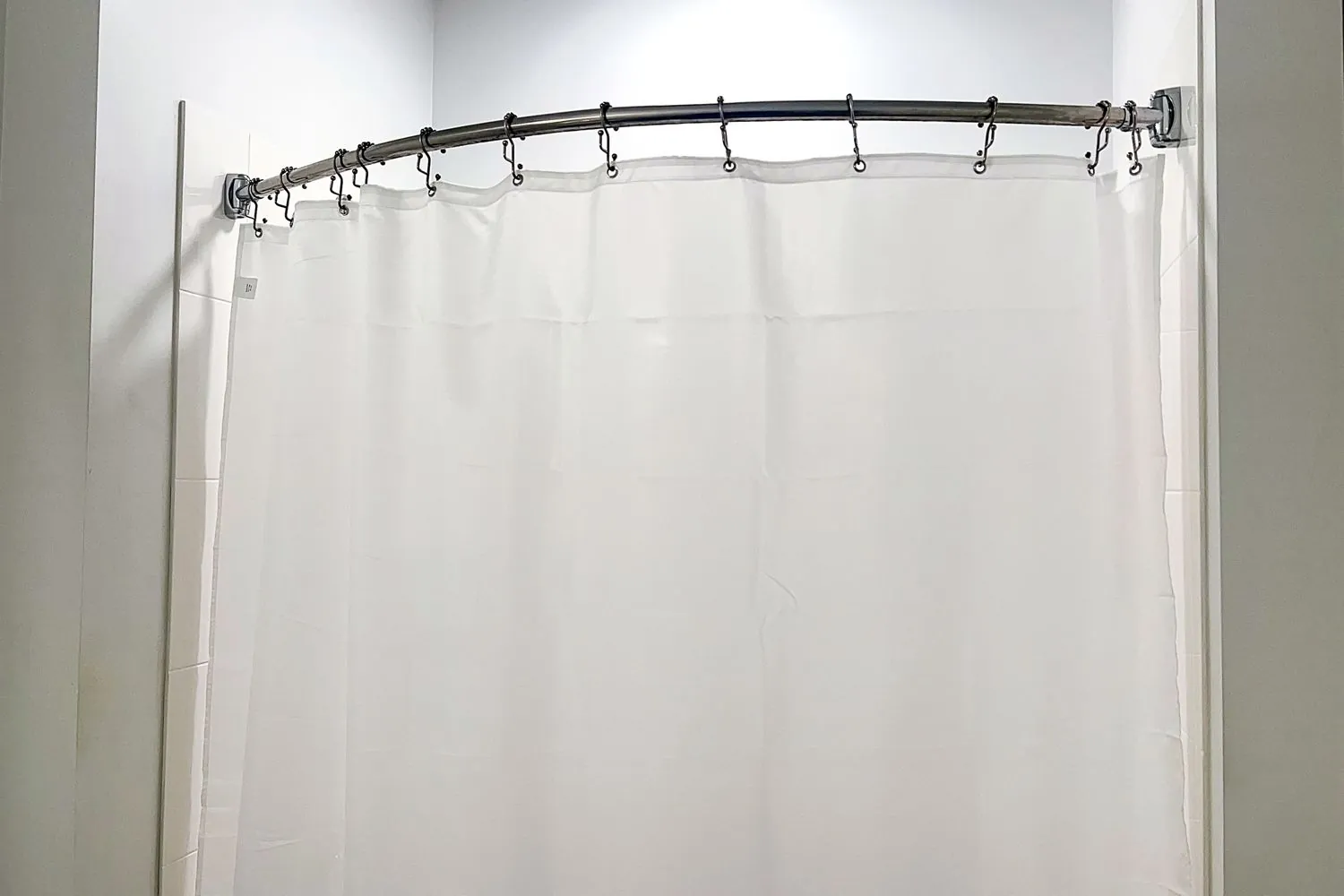
Your choice between these materials depends on your bathroom’s ventilation and your willingness to maintain the product. If your bathroom has a powerful exhaust fan and you enjoy a fabric feel, choose a polyester liner. These withstand machine washing cycles, allowing you to remove soap scum and body oils that eventually cause fabric to lose its drape.
If your bathroom stays damp for hours after a shower, choose an antimicrobial vinyl liner to prevent mildew growth. Vinyl creates a non-porous barrier that prevents moisture from settling into the fabric weave.
If you prefer a budget-friendly option that you can change out every three months, a lightweight PEVA liner is the most practical path. PEVA is chlorine-free and lacks the chemical off-gassing smell associated with traditional PVC. It’s the best choice for households with children or pets where liners are prone to accidental tears or heavy wear.
If you’re trying to decide between fabric and plastic, consider your maintenance routine. Fabric liners need to be washed and dried to prevent mold, while plastic liners simply need a wipe-down. If you lack the time to run a laundry cycle every two weeks, stick to plastic. A fabric liner left damp in a dark, unventilated room will develop a musty odor within ten days.
You can combine a fabric outer curtain with a plastic liner to get the best of both worlds. Use the plastic to stop the water and the fabric to provide the look you want.
When pairing them, ensure the plastic liner hangs inside the tub while the decorative fabric curtain stays outside. This prevents the fabric from wicking water onto the floor. If the fabric curtain touches the wet liner, it will soak up moisture and eventually stain the floor or rot the bottom hem.
Related guides
- 7 Best Diatomaceous Earth Bath Mats for a Dry Bathroom Floor in 2026
- Can I Dry Herbs in the Oven? A Simple Step-by-Step Guide in 2026
- 7 Best Paint for Shower Floor Options for a Durable Finish in 2026
Frequently asked questions
How long do shower curtain liners last?
Most shower curtain liners last between 3 and 6 months depending on usage and bathroom ventilation. If you notice persistent pink or black stains that don’t wash away, the material has likely degraded and needs replacement. Always check the product tag to see if your specific liner is machine washable.
Is it safe to use vinyl shower curtains?
Vinyl shower curtains are safe for typical household use, though some may release a characteristic odor when new. If you’re concerned about chemical sensitivity, look for products labeled as chlorine-free or made from PEVA. Always ensure your bathroom is well-ventilated during and after showering to help any lingering volatile organic compounds dissipate, which is a standard practice for maintaining good indoor air quality.
How do I prevent mold on my liner?
The best way to prevent mold is to rinse the liner with clean water after every shower and leave the curtain pulled closed to dry completely. If your bathroom lacks a window, run the exhaust fan for at least 20 minutes after you finish. If you notice small spots, wiping the surface with a mixture of water and a mild detergent can remove the surface growth.
Can I wash a fabric liner in the machine?
Yes, most polyester shower curtain liners are machine washable on a gentle cycle with cold water. Use a mild detergent and add a clean towel to the load, as this acts as an agitator to scrub away soap scum and mildew. Always hang the liner back on the shower rod to air dry immediately after the cycle finishes to prevent wrinkles and moisture buildup.
Why does my shower curtain blow inward?
A shower curtain blows inward due to the Bernoulli principle, where the fast-moving water and air create a low-pressure zone inside the shower. The higher air pressure outside the curtain then pushes the liner inward toward the center of the stall. You can stop this by choosing a heavier liner with weighted magnets or by using suction cups to secure the edges of the liner to the tub wall.
Does the liner need to be inside the tub?
Yes, the liner must always hang inside the bathtub to ensure water drains directly into the basin rather than onto the floor. Placing the liner outside the tub causes water to run down the side, creating puddles that can damage flooring. Ensure the bottom edge is fully inside before turning on the water.
Conclusion
Start by measuring the width of your shower area to ensure your chosen liner covers the entire span with a few inches of extra fabric. Once you hang the liner, observe the bottom hem while the shower runs; if it sits flat against the tub, you have the right weight.