
As an Amazon Associate, we earn from qualifying purchases. This post contains affiliate links – if you buy through them, we may earn a commission at no extra cost to you.
Managing moisture is the key to finding the best kitchen washcloths that don’t smell. A cloth that stays damp for hours creates the perfect home for bacteria, which causes that sour, musty smell in your kitchen. The secret to a fresh cloth is how fast it dries and what it’s made of. Some materials naturally resist odors, while others rely on open weaves to let air move through. A good choice balances your need to scrub tough messes with the ability to dry out completely between tasks.
1. SUPERSCANDI 10 Pack Swedish Dishcloths

Best for: Daily surface cleaning and replacing paper towel rolls.
These cloths are made from a mix of wood pulp and recycled cotton. They act like a sponge but have the thin profile of a towel, which helps them dry efficiently compared to traditional rags.
They’re designed to be washed in a machine or dishwasher up to 50 times. Because they’re so thin, they don’t hold onto water like a thick towel, which keeps them from smelling. This is a great choice for someone who wants a sustainable alternative to paper towels. However, they aren’t ideal for heavy-duty scrubbing of burnt-on food, as the material is better suited for wiping and mopping spills.
What goes smoothly:
- Absorbs 20 times its weight in liquid.
- Dries quickly to prevent sour odors.
- Biodegradable and plastic-free materials.
- Replaces many rolls of paper towels.
What you have to accept:
- Feels stiff when completely dry.
- Not meant for aggressive scrubbing.
2. IPPINKA Nawrap Binchotan Dishcloth

Best for: People who want natural, chemical-free odor control.
This cloth uses binchotan charcoal infused directly into the fibers to absorb odors. It features a six-ply weave that gives it a bit more bulk than a standard thin cloth. You should note that it arrives stiff and needs a hot water soak to reach its full softness.
This is a traditional Japanese-style cloth that gets better with use as the fibers create micro-pulls. It isn’t for the person who wants a “ready-to-go” cloth out of the box, as the initial texture can be surprising. If you prefer a natural approach to keeping your kitchen smelling fresh, the charcoal infusion is a unique feature that separates it from standard cotton.
Who it fits * Users who prefer natural, charcoal-based odor resistance.
Who should pass * Anyone who needs a cloth that’s soft on day one. * Users who want a product that can be machine washed.
3. Oggi Bambou Odor-Free Kitchen Dish Cloths
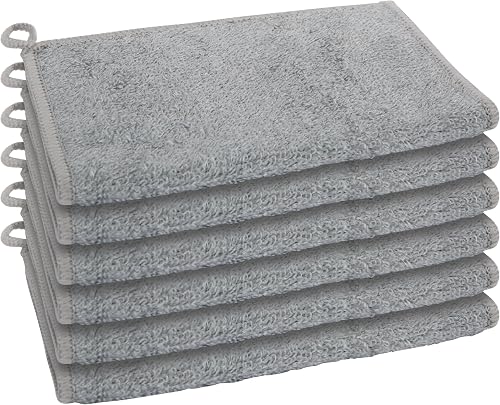
Best for: Sustainable cleaning with a soft, absorbent texture.
These cloths are made from 91% bamboo-derived rayon. The shaggy, looped weave is designed to foam up soap and grab dirt, making them effective for washing dishes. They also include a hanging loop, which is a simple but vital feature for ensuring the cloth dries out fully between uses.
The main trade-off is the material’s specific care; while they’re durable, they’re best suited for those who will actually use the hanging loop to keep them ventilated. If you tend to leave your cloths bunched up on the counter, you’ll lose the benefit of their fast-drying design. They aren’t the best choice if you need a heavy, abrasive scrubber for deep cleaning.
Snapshot:
- Made from 91% bamboo-derived rayon.
- Features a convenient built-in hanging loop.
- Shaggy weave increases soap foaming power.
- Resistant to stains and musty odors.
- Safe for use on delicate glass surfaces.
4. Gray Organic Kitchen Towels

Best for: Heavy-duty drying and long-term durability.
These towels use silver ion technology to fight odor-causing bacteria. Because they are 400 GSM organic cotton, they’re much thicker than the other options here. They feature a dual-sided design, with one side for scrubbing and one for polishing glass, which adds a lot of utility.
The trade-off is the sheer size and thickness. While they’re excellent for drying a full sink of dishes, they take longer to dry than mesh or cellulose cloths. They aren’t for the person who wants a small, light rag for quick counter wipes; these are full-sized kitchen towels meant for serious work.
What goes smoothly:
- Silver ions actively fight sour smells.
- Two distinct sides for different tasks.
- Reinforced stitching prevents fraying.
- Large size handles big drying jobs.
What you have to accept:
- Longer drying time due to thickness.
- Too large for small, quick spot cleaning.
5. Wire Dishcloth

Best for: Safe scrubbing of non-stick pans and delicate surfaces.
This is a mesh-style cloth that uses double-layer construction. The biggest advantage is the speed at which it dries, as the open mesh structure allows air to pass through instantly. It’s non-scratch, meaning you can use it on pots and pans without worry.
The trade-off is the feel; it doesn’t feel like a traditional towel, so it isn’t useful for drying your hands or polishing glassware. It’s strictly a tool for cleaning surfaces and scrubbing dishes. If you need a cloth that can pull double-duty as a hand towel, this isn’t the right choice for you.
Snapshot:
- Double-layer mesh for extra durability.
- Open weave dries very quickly.
- Safe for non-stick surfaces and glass.
- Includes hanging loops for better hygiene.
- Versatile enough for bathroom or kitchen use.
The Decision Filter
Most people miss this: the difference between a “drying” cloth and a “scrubbing” cloth. If your main goal is drying dishes, you need cotton or bamboo. If your main goal is wiping counters and scrubbing, you need mesh or cellulose. Decide if you prefer a product that feels like a traditional towel or one that’s thin and sponge-like. Ignore the colors and focus on the weave. If you have a small kitchen with no space to hang towels, avoid the large cotton options.
The Thirty-Second Checklist
- Do you have a dedicated hook or rack to hang your cloth?
- Will this cloth be used primarily for drying dishes or scrubbing pans?
- Do you need a material that’s soft enough to dry your hands?
- Are you comfortable with a cloth that feels stiff when it’s dry?
- Is machine washing every few days an option for your routine?
- Does your household have delicate surfaces that scratch easily?
Three Regrets Worth Avoiding
Regret #1: Buying thick, heavy cotton towels for quick counter wipes. These stay damp too long and will eventually smell, no matter how clean they are. Stick to thin, high-surface-area materials like cellulose or mesh for quick jobs.
Regret #2: Ignoring the care instructions, specifically regarding dryers. Many high-performance cloths, like the IPPINKA Nawrap, are not meant for high-heat drying and will shrink by about 10 to 15% after the first wash. Always check the tag before the first wash.
Regret #3: Relying on one cloth to do every job in the house. A dishcloth meant for scrubbing a greasy pan shouldn’t be the same one you use to polish your wine glasses. Buy a variety pack and designate specific cloths for specific tasks to keep your kitchen sanitary.
If You Want This, Look for That
| If you want… | Look for | Avoid |
|---|---|---|
| Fast drying | Mesh or cellulose | Thick, dense terry cloth |
| Heavy scrubbing | Wire or shaggy weave | Thin, smooth fabrics |
| Soft hand-feel | Organic cotton | Metallic mesh |
| Natural odor control | Charcoal or silver ions | Synthetic blends |
When two options seem identical, prioritize the one that includes a hanging loop, as airflow is the single biggest factor in preventing odors. Look at your current sink area and decide if you have the space to let a cloth hang freely. If you do not, pick a thinner, fast-drying material.
Related guides
Frequently Asked Questions
How often should I replace these cloths?
Frequency depends on use, but you should replace your cloth as soon as you notice the material starting to fray or if it develops an odor that doesn’t go away after a wash. Keeping surfaces clean and dry is the best way to prevent biological growth, so don’t wait for visible wear to swap them out.
Why does my cloth smell even after washing?
If a cloth smells immediately after coming out of the wash, it likely has a buildup of soap residue or bacteria that the water didn’t fully remove. If the smell returns quickly, the cloth is likely too thick to dry properly between uses.
Why do some cloths feel stiff when dry?
Materials like cellulose and certain natural fibers are designed to be thin and absorbent, which causes them to harden as they lose moisture. This is a normal physical property of the material and doesn’t mean the cloth is low quality. Simply run the cloth under water for a few seconds to restore its softness.
Final Thoughts
Once you’ve picked a high-quality, quick-drying fabric, try keeping a small basket under your sink for used cloths. Don’t let them pile up in a wet heap; tossing them into the laundry daily will keep your kitchen smelling fresh. You’ll be surprised how much cleaner your counters feel with this simple habit.