
Stainless steel wire racks with rubber feet are the best kitchen sink bottom grids, as they prevent scratches while allowing water to flow freely under your dishes. Measure your sink base accurately to ensure the grid fits flat against the bottom without wobbling, as proper sizing is essential for stability.
How kitchen sink bottom grids compare

Selecting the right sink protector depends on your sink material and how often you wash heavy pots. The following table breaks down the most common materials used to protect sink basins from scratches and impact damage.
| Material | Best For | Example |
|---|---|---|
| Stainless Steel | Heavy pots and pans | Professional kitchen grid |
| Silicone | Fragile glass and china | Flexible sink mat |
| Plastic | Budget-friendly protection | Basic mesh protector |
| Rubber | Small sink basins | Classic rubber mat |
Stainless steel grids are the gold standard for cast iron or heavy ceramic sinks. Because these grids elevate your cookware, they prevent the metal from dragging against the basin finish. If you frequently scrub heavy Dutch ovens, choose a grid with rubber feet to ensure the metal frame doesn’t vibrate or scratch the surface during use.
Silicone mats offer the best defense for fragile glassware. Unlike rigid grids, silicone provides a soft, non-slip landing zone that absorbs the shock of an accidental drop. These are dishwasher safe, which is essential because food particles trapped under a mat can lead to bacterial growth or mold. If you see discoloration on the underside of your mat, you have waited too long to sanitize it.
Plastic and rubber options are inexpensive, but they often struggle with longevity. If your sink basin has a sharp radius or deep corners, plastic mesh will eventually crack under the pressure of heavy dishes. Use these only if you have a shallow, flat-bottomed sink.
If your sink is prone to staining, avoid rubber mats entirely. Rubber can react with certain minerals in hard water, leaving dark, permanent rings on light-colored composite or porcelain basins. In these cases, stainless steel is the safer investment. If you’re unsure, test a small, hidden corner of your sink with the material for 48 hours to check for chemical reactions or color transfer.
Stainless steel wire grids
Stainless steel grids are the industry standard for protecting high-end stainless steel or fireclay sinks from heavy cookware. These grids are made of thick steel wires that keep heavy pots elevated, which prevents metal-on-metal scratching and allows food scraps to wash toward the drain. They’re ideal for busy kitchens where you use large cast iron or stainless steel pans that could easily dent a sink basin.
- They provide a stable, flat surface for stacking dishes, which reduces the chance of tipping over fragile glassware.
- The open design allows for constant airflow, which helps the sink base dry faster and prevents standing water.
- Most models feature protective rubber feet that grip the sink surface to prevent sliding and noise during use.
If your sink has a rear-positioned drain, ensure the grid you purchase has a matching cutout to allow for easy access to the drain stopper. You should verify the exact dimensions of your sink’s bottom surface before buying, as a grid that’s even 1/2 inch too wide won’t lay flat. For example, a 28-inch sink often requires a 26-inch grid to account for the corner radius.
Silicone sink mats
Silicone mats provide a soft, cushioned surface that’s perfect for protecting delicate china or crystal from accidental chips. These are best for households that don’t frequently use heavy, sharp-edged cast iron cookware, as the soft material can be cut by sharp blades or heavy pans. They’re highly flexible and can often be trimmed with scissors to fit non-standard or custom sink shapes.
If your kitchen workflow involves frequent use of heavy cast iron or serrated knives, opt for a stainless steel grid instead. Silicone is prone to permanent gouges from sharp edges, which create deep crevices where bacteria thrive regardless of how often you scrub the surface.
They offer a non-slip grip that keeps glassware stable during the rinsing process. The soft material is gentle on hands and doesn’t make a loud clanging noise when you set dishes down. They’re dishwasher-safe, making them very easy to sanitize after handling raw food or greasy items.
If you choose silicone, you must lift it daily to clean food debris from underneath. Without this habit, food particles trap moisture and bacteria against the sink surface, leading to persistent odors or permanent staining. If you notice a slimy film forming on the underside, it’s time to replace the mat entirely, as the porous nature of silicone will eventually harbor mold that soap can’t fully remove.
When cleaning the mat, place it on the top rack of your dishwasher and run a high-heat cycle.
Check the thickness of the mat before you buy. A mat thinner than 3 millimeters will often curl at the edges after a few months of exposure to hot water, creating a tripping hazard or a pocket where water pools. Look for mats with raised feet or a perforated design that allows water to flow freely toward the drain.
If your sink has a rear-positioned drain, ensure the mat you select doesn’t cover the opening. A mat that blocks the drain forces water to pool in the corners of the basin, which increases the likelihood of hard water spots and mineral buildup on your sink’s finish. If the mat covers the drain, use a hole punch to create a custom cutout that matches your sink’s specific hardware.
Plastic mesh protectors

Plastic mesh protectors are inexpensive options that provide basic protection against light surface scratches. These are best for temporary use or for utility sinks where aesthetics are less important than basic surface maintenance. Because they’re lightweight, they often shift around in the sink and may require frequent repositioning during use.
They’re extremely lightweight and easy to remove for quick sink cleaning. The low profile makes them suitable for very shallow sinks where a thick steel grid might take up too much space. They’re inexpensive to replace if they become stained or discolored over time.
A major trade-off with plastic is its tendency to absorb odors and stains from colored foods like tomato sauce or coffee. If you notice the plastic becoming brittle or showing deep cracks, it’s time to replace it, as these small crevices can harbor bacteria. Always check your sink’s manual to see if the manufacturer recommends a specific material to avoid potential chemical reactions with your sink’s finish.
If your sink is made of high-gloss fireclay or delicate natural stone, avoid clear plastic mesh. These materials can trap abrasive grit underneath the mesh, which acts like sandpaper every time you slide a pot across the surface. Use a silicone mat instead for these surfaces, as silicone grips the basin floor and prevents the sliding that causes micro-scratches.
Plastic mesh is strictly for stainless steel or heavy-duty acrylic basins. If you’re washing heavy cast iron, skip the mesh entirely. The weight of the pan will compress the plastic, rendering the protection useless and potentially leaving a permanent ring on the sink floor.
When selecting a mesh, prioritize a grid pattern with at least 1/2-inch spacing. If the holes are too small, food particles become trapped and require a scrub brush to dislodge. If the mesh feels tacky or develops a cloudy film after a month of use, your water chemistry is likely reacting with the plasticizers. Switch to a BPA-free polypropylene version to mitigate this degradation. Replace it immediately, as warped plastic will no longer provide a level surface for your glassware.
Rubber sink mats
Rubber mats are a classic choice for smaller sinks or laundry basins where you need a durable, slip-resistant barrier. They provide excellent cushioning and are generally heavier than plastic mats, which helps them stay in place better. These are best for people who want a low-cost solution that provides a firm, reliable grip for soapy dishes.
They’re very effective at absorbing the impact of heavy ceramic bowls. The material is flexible enough to curve up the sides of round or oval sinks. They provide a solid base that prevents dishes from sliding around while you’re scrubbing.
If you have a white or light-colored sink, avoid dark-colored rubber mats. These often contain carbon black or heavy dyes that can leach into porous porcelain or enamel, leaving permanent gray shadows that no household cleaner can remove. Stick to clear or white silicone-based rubber if your sink finish is light.
Check the mat weekly for mold or mildew buildup on the underside. If the mat feels slimy to the touch even after a rinse, it’s harboring a biofilm that can trap bacteria against your sink surface. Scrub both sides with a mild vinegar solution to break this down.
If you notice a sticky texture or fine cracks, discard the mat immediately. This degradation indicates that the rubber is breaking down and losing its structural integrity. A failing mat will trap food particles in its fissures, turning a protective layer into a breeding ground for pathogens.
Apply this simple rule: if your sink basin is deeper than ten inches, choose a mat with suction cups on the bottom. If your sink is shallow, a flat, heavy-duty rubber mat is superior because it won’t trap debris under the suction cups. Always lift the mat after every use to let the sink surface dry completely. This simple habit adds years to the lifespan of both your sink finish and the mat itself.
Other protection methods
Bamboo sink mats offer a warm, organic aesthetic that softens the industrial look of stainless steel. Use these only if your sink basin is relatively flat; if your sink has a steep slope, the rigid slats will slide toward the drain, creating a cluttered mess. If you choose bamboo, you must treat the wood with food-grade mineral oil once a month. Without this barrier, the wood fibers absorb soapy water, eventually turning black with mold that’s impossible to scrub away.
Custom-fit liners are the only way to protect the corners of a farmhouse or apron-front sink, where universal mats often leave gaps. These liners are engineered to align perfectly with the drain hole, meaning you never have to move the mat to clear debris.
Before purchasing, verify your sink’s model number on the underside of the basin or your original receipt. Buying a liner for a “similar” model is a common mistake that leaves you with a mat that sits unevenly, causing dishes to wobble and increasing the risk of breakage.
If your primary goal is noise reduction rather than scratch prevention, skip both bamboo and custom liners. Instead, look for heavy-duty silicone mats with raised feet. The rubberized material absorbs the impact of heavy pots, while the elevated design allows water to flow freely underneath.
This prevents the “trapped water” effect, where stagnant pools form beneath the mat and encourage bacterial growth. If you notice a faint mildew smell after a week of use, your mat is trapping too much moisture and should be swapped for a thinner, perforated stainless steel grid.
Choosing the right protector for your sink
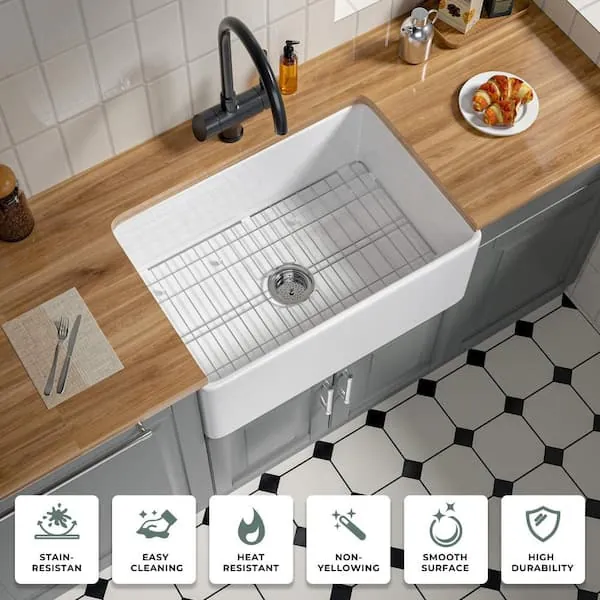
You decide which grid is right for you by looking at the sink material and your primary cooking habits. If you use heavy cast iron or stainless steel pans daily, choose a stainless steel grid; the metal wires will support the weight without bending or tearing. If you mostly wash delicate glassware or fine china, choose a silicone mat to provide the necessary cushion against hard impacts.
If your sink has a unique shape or a drain in an unusual location, you should prioritize a flexible silicone mat that you can trim. If your sink is a standard rectangular model, a rigid stainless steel grid will offer the most longevity and the best drainage. Picking one doesn’t mean you can’t use another; some people keep a metal grid for heavy pots and a silicone mat for washing fragile holiday dishes.
Frequently Asked Questions
How do I measure my sink for a bottom grid?
Measure the length and width of your sink at the bottom, just above the drain, using a metal tape measure. Subtract 1/4 inch from both dimensions to ensure the grid sits flat. Note that rounded corners may require additional adjustments to ensure the grid doesn’t ride up the basin walls.
Is it safe to leave a sink grid in place?
It’s safe to leave a grid in place, but you must remove it to clean the sink basin at least once every two days. Leaving a grid in place for too long allows food particles and soap scum to build up under the feet or the mat. This buildup can trap moisture against the sink finish, which might lead to permanent water spots or bacterial growth over time.
Can I put my sink grid in the dishwasher?
You can safely clean stainless steel and silicone grids in the dishwasher on a high-heat cycle. Ensure the grid fits completely inside the rack and doesn’t block the dishwasher’s spray arms, as this would prevent proper cleaning. Plastic and rubber mats may warp if the heat is too high, so check the manufacturer’s care instructions before putting them through a heavy-duty cycle.
Why does my stainless steel grid have rubber feet?
The rubber feet are designed to prevent the metal grid from sliding around and to stop the metal wires from scratching your sink surface. If these feet fall off, the metal grid may cause damage to the sink’s finish during use. You should check the feet every few months and replace them if they become loose, cracked, or discolored to maintain the protection of your sink.
How do I get rid of stains on my sink mat?
You can remove stains from silicone or rubber mats by soaking them in a solution of warm water and white vinegar for 30 minutes. If the stains persist, use a soft-bristled brush with a paste made of baking soda and water to gently scrub the surface. Avoid using harsh chemical cleaners or abrasive scouring pads, as these can damage the material and make it more likely to collect stains in the future.
Does the grid affect how fast my sink drains?
A well-designed grid shouldn’t slow down drainage, as it lifts dishes to allow water to flow underneath. If your sink drains slowly, ensure the grid isn’t covering the drain or trapping large food scraps. Some grids with small center holes may require lifting to clear debris.
Conclusion
Start by measuring your sink’s base dimensions to find a grid that fits snugly without resting on the sloped edges. Once you place the grid, expect a stable surface that keeps your dishes off the basin floor and allows for better water flow.