
As an Amazon Associate, we earn from qualifying purchases. This post contains affiliate links – if you buy through them, we may earn a commission at no extra cost to you.
Finding the best finish for charcuterie board surfaces is about matching your maintenance habits to the wood’s needs. There’s no single universal “best” product, as the right choice depends on how often you serve food, your preference for natural ingredients, and whether you want a simple oil or a protective wax layer. Boards used daily require different care than those kept for occasional entertaining. If you want a reliable, all-around standard, Howard Butcher Block Conditioner is a common starting point, while those needing a heavy-duty, long-term seal often gravitate toward products like Odie’s Butcher Block Oil.
1. Howard Butcher Block Conditioner

Best for: Someone who wants an easy, all-in-one product for routine board maintenance.
This conditioner helps keep wood hydrated to prevent drying and cracking. It’s designed to be user-friendly for anyone who owns wooden serving pieces.
You simply apply the conditioner to the wood, let it sit, and wipe away the excess. It’s a straightforward solution for those who don’t want to manage multiple steps or complex application processes.
Good if:
- You want a simple, reliable maintenance routine.
- You prefer a product that combines oil and wax.
- You have several wooden boards to care for at once.
Skip it if:
- You’re looking for a specialized, industrial-grade finish.
- You have a specific preference for raw, non-waxed oils.
2. John Boos Board Cream

Best for: Users who want the added protection of beeswax in their finish.
This cream creates a moisture barrier that helps protect the wood surface during regular use. The blend is crafted to be gentle yet effective on various wooden kitchen tools.
The consistency allows for a smooth application that penetrates the wood fibers well.
Good if:
- You like the natural finish that beeswax provides.
- You need a versatile product for boards and utensils.
Skip it if:
- You prefer a very thin, liquid oil.
- You want a finish that dries instantly without any buffing.
3. Walrus Oil Cutting Board

Best for: Someone maintaining a large collection of boards or a large butcher block.
This high-volume option is ideal for those who have a lot of surface area to cover. It provides a food-safe way to keep wood nourished and looking its best for years.
The larger size is practical for frequent users who don’t want to replace their supply often. It offers a consistent, reliable way to keep wood from becoming brittle.
Good if:
- You have a large amount of wood to maintain regularly.
- You prefer buying in larger quantities for convenience.
- You need a straightforward, food-safe oil.
Skip it if:
- You only have one small board to treat.
- You want a product that also includes a heavy wax finish.
4. Hope’s Pure Tung Oil

Best for: Users who want a traditional, 100% natural wood finish.
This oil is derived from natural sources, making it a favorite for those who avoid synthetic additives. It cures into a hard, protective finish that’s safe for food contact.
Because it’s pure, it requires careful application to ensure an even coat across the board. It’s a great choice for someone who enjoys the process of treating wood with traditional, high-quality materials.
Good if:
- You prioritize using natural, non-toxic ingredients.
- You want a finish that cures to a durable, hard surface.
- You enjoy the traditional approach to wood care.
Skip it if:
- You’re looking for an instant, wipe-on-and-go solution.
- You lack the time for the curing process.
5. Mahoney’s Walnut Oil Wax

Best for: Those who want a fast-drying finish that combines oil and wax.
This product is formulated to protect wood quickly while leaving a natural, attractive luster. It’s highly effective for serving boards that see regular use.
It’s a balanced choice for someone who needs efficiency without sacrificing protection.
Good if:
- You like the combination of oil and protective wax.
- You use your boards for both serving and light prep.
Skip it if:
- You have a known nut allergy, as it contains walnut oil.
- You’re looking for a completely clear, non-tinted finish.
6. TotalBoat Wood Honey

Best for: Someone who wants a protective, high-quality finish for serving boards.
This finish is designed to enhance the natural beauty of the wood grain while providing a safe barrier. It’s easy to apply and leaves a smooth, finished feel.
It works well for those who want their charcuterie boards to look professional and well-cared for.
Good if:
- You want a product that’s easy to apply evenly.
- You value a finish that brings out the grain’s color.
- You need something safe for direct food contact.
Skip it if:
- You want an industrial-strength, heavy-duty sealer.
- You prefer a matte, non-glossy finish.
7. Howard Wax-It-All

Best for: Those who want a versatile wax for more than just wood.
This wax is highly adaptable, working on stone, metal, and plastic in addition to wood. It’s an excellent choice for a household that wants one product for many surfaces.
The beeswax formula provides a protective layer that extends the life of your boards. It’s perfect for someone who wants to keep their kitchen items looking polished and clean.
Good if:
- You have multiple types of surfaces to protect.
- You prefer a wax-based polish over a liquid oil.
- You want a product that’s easy to buff into place.
Skip it if:
- You’re looking specifically for a deep-penetrating wood oil.
- You only need to treat a single small wooden board.
8. Odie’s Butcher Block Oil
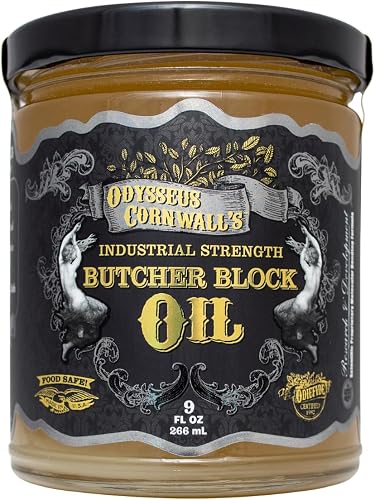
Best for: Someone who wants a professional, industrial-strength result at home.
This oil is designed to cure into a durable, protective finish that stands up to heavy use.
The listing doesn’t mention the specific performance of this finish against water or stains. It’s the right choice for the serious home cook who treats their boards like professional equipment.
Good if:
- You want a long-lasting, industrial-grade finish.
- You need maximum protection against moisture and stains.
- You’re willing to follow specific application steps for the best results.
Skip it if:
- You want an extremely simple, quick-fix product.
- You’re a casual user who rarely uses your boards.
9. RMP Finishes Plant-Based Oil

Best for: Vegan users who want a strictly plant-based wood finish.
This oil provides a reliable way to treat boards without using animal-derived ingredients like beeswax. It’s effective at keeping wood conditioned and safe for food service.
It’s a great alternative for those who want to ensure their entire kitchen routine aligns with their values.
Good if:
- You’re looking for a 100% plant-based formula.
- You want an easy-to-use oil that’s food-grade.
- You appreciate a clean, minimalist ingredient list.
Skip it if:
- You prefer the added durability of a beeswax-based product.
- You’re looking for an industrial-strength finish.
10. Rubio Monocoat Wood Oil
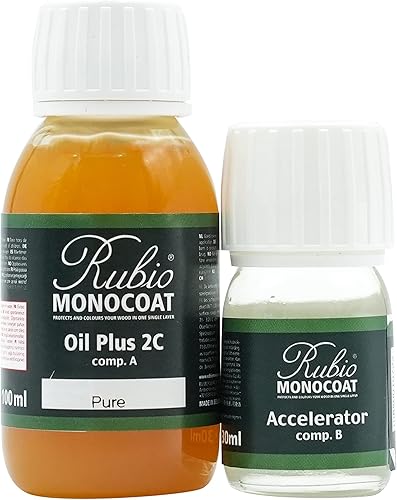
Best for: Eco-conscious users who want a high-performance, single-coat finish.
This oil is known for its ability to bond with wood fibers in just one coat. It’s an efficient, eco-friendly option for those who want professional results with less effort.
The kit includes an accelerator to ensure the finish cures properly. It’s a sophisticated choice for anyone who wants a durable, modern finish for their boards.
Good if:
- You want a single-coat application for convenience.
- You value eco-friendly, low-VOC products.
- You want a professional-grade, long-lasting finish.
Skip it if:
- You aren’t comfortable mixing two-part finishes.
- You want a simple, one-bottle solution.
Where These Overlap
Many of these products offer similar benefits, particularly those based on mineral oil or beeswax blends like Howard Butcher Block Conditioner and John Boos Board Cream. These two are very close in purpose and performance, making the choice mostly about brand preference or availability. Others, like Walrus Oil Cutting Board and RMP Finishes Plant-Based Oil, also focus on simple, food-safe conditioning. The true divide exists between these simple conditioners and the more technical, curing finishes like Rubio Monocoat Wood Oil or Odie’s Butcher Block Oil. If you just want to keep wood hydrated, the simple oils are fine, but if you need a hardened, protective surface, the curing options are superior.
Still Not Sure?
How often do I really need to treat my board?
If you use your board for serving every weekend, a monthly treatment is usually enough to keep it in good shape. If the wood looks pale or feels dry to the touch, it’s time for another coat. For those who want a quick, easy routine, Howard Butcher Block Conditioner is a great choice.
What finish is safest for my family?
Most modern wood finishes designed for kitchen use are food-safe, but if you want to be certain about the safety of your surfaces, look for products that clearly list their ingredients. The U.S. Food and Drug Administration provides guidelines on substances that are safe for food contact. If you prioritize natural ingredients, consider Hope’s Pure Tung Oil or RMP Finishes Plant-Based Oil.
What is the most common mistake when finishing a board?
The most common error is applying too much product at once, which leaves a sticky residue that’s hard to clean. Always apply a thin layer, let it absorb, and buff off any excess. For a simple, beginner-friendly experience that’s hard to mess up, CLARK’S Wood Butter Cutting Board Wax is very forgiving.
Closing
Choosing the right finish depends on whether you want a quick, simple conditioner for occasional use or a hard-curing, protective seal for daily demands. If you prefer ease of use, go with Howard Butcher Block Conditioner. For those wanting a tougher, long-term finish, try Odie’s Butcher Block Oil. Check your board’s needs and pick accordingly.
Frequently Asked Questions
What does it mean for a finish to be “food-safe”?
A food-safe finish is formulated to be non-toxic if small amounts migrate from the wood into your food. Always check the label to ensure the product is specifically intended for food-prep surfaces.
How do I prepare the board before applying a new finish?
Before applying a new finish, ensure the board is completely clean and dry. If there are deep scratches or rough patches, you may need to lightly sand the wood first to create a smooth surface. Once clean, wipe it down to remove all dust, then apply your chosen oil or wax.
Can I mix different brands of board oil?
Generally, you should stick to one type of finish for a single board to avoid compatibility issues. If you switch brands, try to stay within the same category, such as moving between similar mineral oil blends. If you want to switch from oil to a wax finish, clean the board thoroughly first.
Final Thoughts
Whichever finish you choose, remember that your board will stay beautiful if you keep it hydrated. Don’t wait until the wood looks dry or thirsty to reapply your chosen oil. Grab a soft cloth and refresh the surface whenever it feels dull; you’ll be glad you did when your next gathering rolls around.