
Choosing between bamboo and stainless steel bathroom accessories depends on your personal style and local humidity levels, though stainless steel is generally superior because it resists rust and water damage better than wood. Stainless steel is the only practical option for poorly ventilated bathrooms to prevent mold. Bamboo works well in dry spaces if you prefer a natural aesthetic and are willing to perform regular maintenance.
Comparing bathroom accessory materials
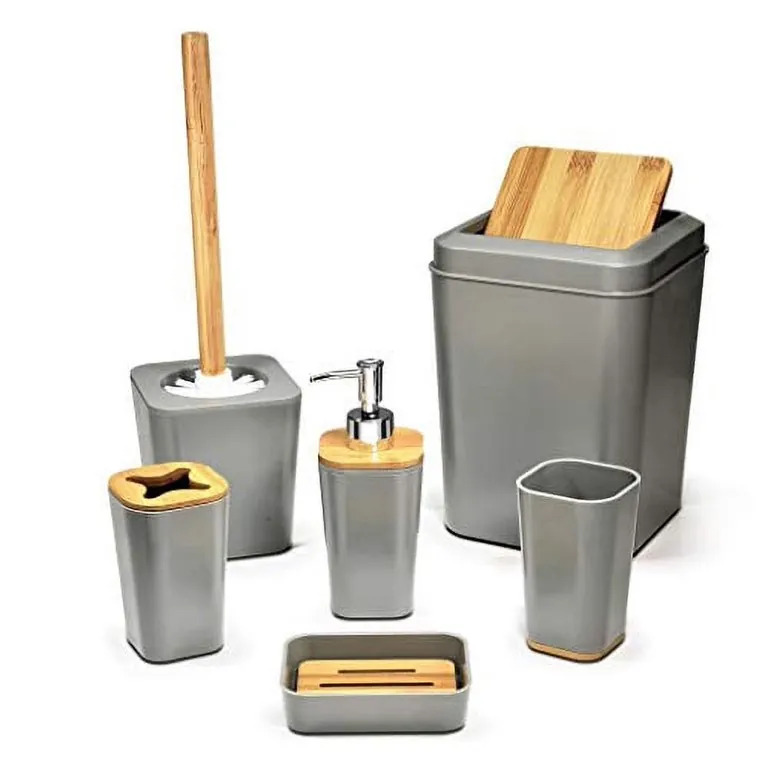
Choosing the right material for your bathroom helps you avoid frequent replacements. While steel is durable, it can show water spots, and bamboo requires care to stay free of mildew.
| Method | How long | Effort | Cost | Best for |
|---|---|---|---|---|
| Stainless Steel | 10+ years | Low | Medium | High-moisture areas |
| Bamboo | 2-5 years | High | Low | Dry, well-lit spaces |
| Plated Metal | 1-3 years | Low | Low | Occasional use |
Stainless steel is generally the most reliable choice for a busy household. It handles constant splashing without warping or rotting. If you live in a humid climate, select 304-grade steel. This specific alloy contains nickel to prevent oxidation and rust. Lower grades, such as 430, lack this protection and will develop orange pitting within months of exposure to steam.
Many buyers mistake chrome-plated plastic for solid metal. You can distinguish them by weight; if the accessory feels hollow or unnaturally light, it’s likely plated plastic. These pieces often chip after two years, exposing the base material to moisture and causing the finish to bubble.
If your bathroom lacks a dedicated exhaust fan, avoid bamboo entirely. Without active ventilation, bamboo will harbor black mold spores within the grain. If you must use wood in a damp space, treat the surface with a marine-grade teak oil every six months. This creates a hydrophobic barrier that prevents the fibers from swelling. If you see dark streaks forming at the base, the wood is already saturated and beyond repair.
Using stainless steel accessories
Stainless steel works best when you prioritize hygiene and longevity over a soft, natural look. It’s non-porous, which makes it resistant to bacteria and mold.
Wipe the surface weekly with a damp microfiber cloth to remove soap scum. Dry the item immediately after cleaning to prevent water spots from forming. Use a dedicated stainless steel cleaner once a month if you notice dulling. Check for small scratches where moisture might collect, as these are weak points.
This material is ideal for families and shared bathrooms where items get wet daily. It isn’t for someone who dislikes the industrial or modern aesthetic, as it can feel cold in a small room.
If you buy lower-quality steel, it may rust in as little as six months in a damp room. Always check the grade label; if it isn’t marked as 304 or 316, treat it as prone to surface rust.
Avoid using steel wool or abrasive scouring pads, as these leave microscopic grooves that trap salt and moisture. If you live within five miles of the ocean, the salt air will accelerate pitting regardless of the grade. In these coastal zones, wipe your accessories with a light coating of mineral oil every two weeks to create a protective barrier.
If you see orange streaks, you’re dealing with surface oxidation rather than deep structural failure. Use a paste of baking soda and water to buff these spots out immediately. If the rust returns within days, the protective chromium layer has been compromised and the item must be replaced.
Maintaining bamboo accessories
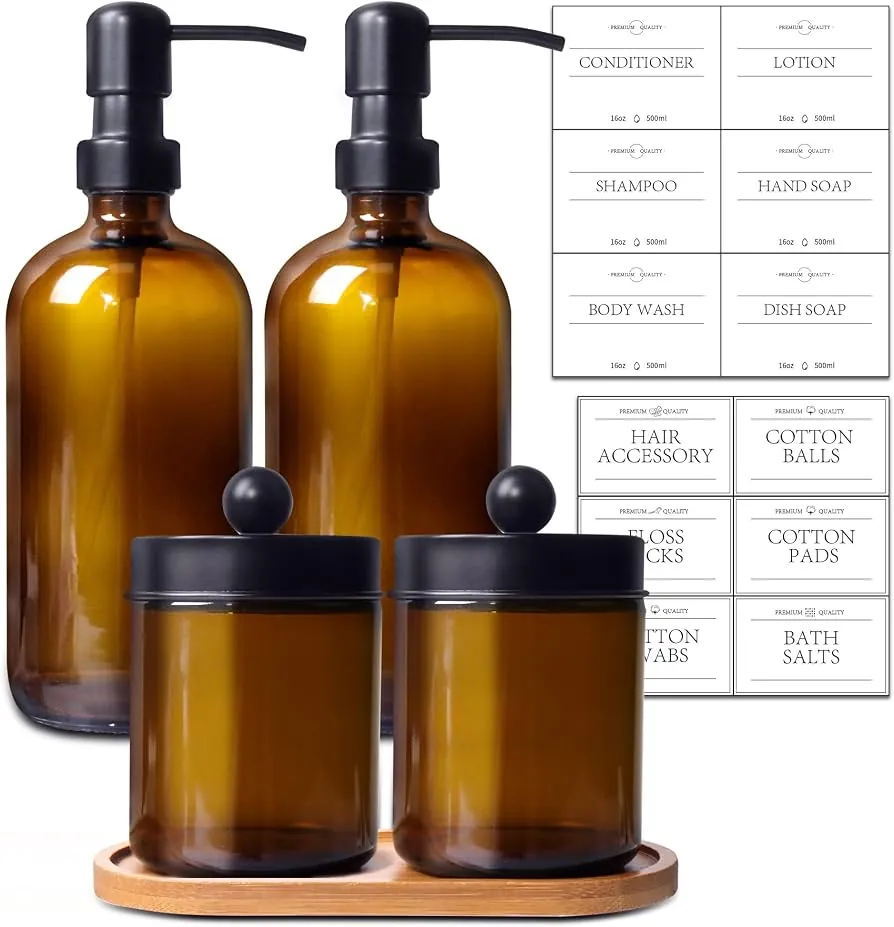
Bamboo is a sustainable choice that brings warmth to a bathroom, but it’s a natural grass that absorbs moisture. It’s best for homeowners who are willing to treat the wood to prevent it from swelling or developing dark spots.
Apply a thin coat of food-grade mineral oil or wood wax monthly to seal the surface. If you notice the bamboo turning a dull, chalky gray, the finish has worn off and requires an immediate reapplication to prevent deep-set stains.
Keep bamboo items at least three feet away from the direct spray of a shower or sink. If your space is too small to maintain this distance, prioritize bamboo for decorative storage rather than functional bath accessories.
Ensure the bathroom is well-ventilated by running an exhaust fan for at least twenty minutes after every bath. If your bathroom lacks a window or a high-powered fan, avoid bamboo entirely. The trapped humidity will cause the fibers to expand, leading to irreversible warping within months.
Sand down any rough spots immediately if the wood begins to splinter. Use 220-grit sandpaper to smooth the area, then re-oil the spot to restore the protective barrier.
The most common mistake is leaving bamboo soap dishes in standing water. This causes the base to rot, which eventually creates black mold spores that can permanently stain your vanity surface. If you see a dark ring forming on your countertop, move the accessory to a dry area immediately. If the wood feels soft or spongy to the touch, it’s time to discard the item before the rot spreads to surrounding surfaces.
Selecting the right bathroom hardware
When deciding which style fits your home, look at your daily habits and your room’s environment. If you’re in a hurry, stainless steel is the clear winner because it requires almost no upkeep.
When you’re in a hurry, choose stainless steel. It stays clean with a quick wipe and doesn’t require sealing or oiling to prevent damage.
When you’re doing this for the first time, start with stainless steel. It’s much more forgiving of mistakes, such as leaving wet towels or soap on the accessory. Beginners often choose brass or copper for the aesthetic, only to find that these metals react poorly to acidic cleaners, leading to permanent spotting.
When you want the best possible result, choose high-grade stainless steel. It offers the longest lifespan and the most consistent appearance, even if it lacks the organic texture of wood.
The trade-off is between the low-maintenance durability of metal and the visual warmth of natural wood. You must decide if you prefer spending time on maintenance for style or spending more upfront for a set-it-and-forget-it solution.
If your bathroom lacks a window or a high-powered exhaust fan, avoid wood entirely. Excess moisture causes wood to swell and warp within two years, regardless of the finish. In spaces with humidity levels consistently above 60 percent, stick to 304-grade stainless steel to prevent oxidation.
If you prefer the look of wood, apply a marine-grade teak oil every six months to create a moisture barrier. If the wood feels rough or dry to the touch, it’s already absorbing water and needs immediate treatment to prevent internal rot.
Guidelines for bathroom hardware
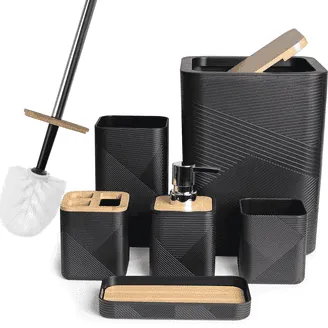
Regardless of your choice, the environment of your bathroom is the biggest factor in how long your accessories will last. High humidity is the primary cause of hardware failure.
- Check the ventilation: If your mirror fogs up and stays that way for more than 15 minutes after a shower, your room is too damp for bamboo.
- Install securely: Always use rust-proof mounting hardware, such as brass or stainless steel screws, to prevent wall stains.
- Monitor for damage: Inspect your accessories every three months for signs of oxidation or rot.
- Clean properly: Use mild soap and water for both materials, as harsh chemicals can strip the protective finish off wood or cause pitting in metal.
If you’re installing heavy hardware, ensure you’re drilling into wall studs or using appropriate anchors. If you’re unsure about drilling into tile or drywall, consult a professional plumber or handyman to prevent costly water leaks or wall damage.
Frequently Asked Questions
How long does bamboo last in a bathroom?
Bamboo typically lasts for a variable duration depending on the humidity and how often it’s oiled.
Is stainless steel actually rust-proof?
Stainless steel is rust-resistant, not rust-proof, and can develop surface spots if left in standing water for long periods. High-quality 304-grade steel is highly resistant to corrosion, but lower grades may show rust in under a year. Always dry your accessories after cleaning to keep them looking new and to prevent the breakdown of the protective layer.
What is the most durable bathroom material?
Stainless steel is the most durable material for bathrooms because it doesn’t warp, crack, or rot when exposed to humidity. While it can be scratched, its structural integrity remains solid for many years. Plastic is also durable but often lacks the aesthetic appeal or weight of metal, and wood requires far more effort to maintain in a wet environment.
Can I mix bamboo and stainless steel?
Yes, you can mix these materials to create a balanced look in your bathroom. Use stainless steel for high-contact items like soap dispensers and towel bars, while using bamboo for decorative trays or storage bins. This allows you to enjoy the natural look of wood in safer, drier areas of the room while keeping the wet areas protected by durable metal.
How do I stop my bathroom accessories from rusting?
The best way to stop rust is to wipe down metal accessories after every use to remove soap residue and water droplets. If you notice small spots, clean them immediately with a soft cloth and a mild cleaner to prevent the oxidation from spreading. Placing accessories in a well-ventilated area ensures they dry out quickly, which is the most effective way to prevent long-term corrosion.
Why does my bamboo accessory have black spots?
Black spots on bamboo are usually signs of mold or mildew caused by trapped moisture in the wood fibers. If you see these spots, the wood has likely been saturated for too long, and you should stop using it to prevent the mold from spreading. You can try to sand the area down and reseal it, but once mold penetrates deep into the grain, it’s often permanent.
Conclusion
Ultimately, your choice comes down to how much time you want to spend on upkeep. If you don’t want to worry about water spots or rot, stick with metal. Take a quick look at your bathroom’s ventilation today, and you’ll easily see which material won’t cause you any headaches later on.