
Built-in ovens are better than freestanding ovens if you want a seamless, custom look in your kitchen, though they’re usually more expensive to install. Freestanding ovens are better if you want a flexible, lower-cost option that you can move when you change homes. The choice depends on your kitchen layout, your budget, and whether you’re renovating or simply replacing an appliance.
Ideal homes for built-in versus freestanding
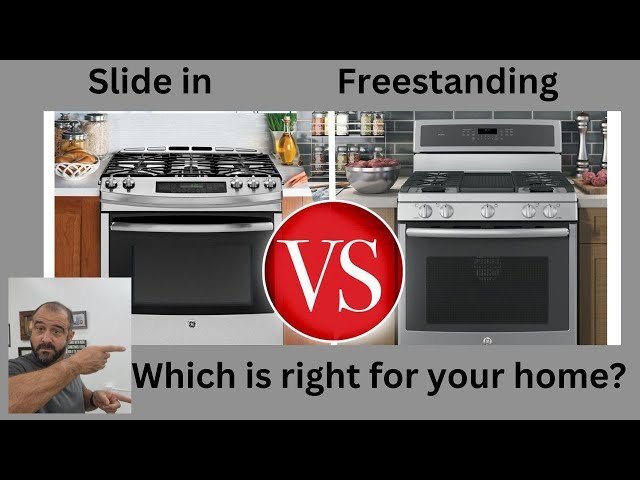
People choosing between these appliances usually fall into two groups. The first group is renovating a kitchen. They have a specific design vision and want the oven to sit flush with the cabinetry. They prioritize aesthetics and are willing to pay for custom carpentry and professional installation. For these users, the built-in model is the only choice that fits their plan.
The second group includes renters or homeowners looking for a quick, functional upgrade. They need an appliance that fits into an existing gap without needing cabinet modifications. They value ease of installation and the ability to take the unit with them if they move. For them, a freestanding oven is the better tool.
This page serves the person who needs to decide which unit fits their current kitchen space. It assumes you have a standard electrical or gas supply already in place. If you’re a professional designer looking for advanced technical specifications or custom industrial integration, you should look for manufacturer-specific installation manuals. This guide focuses on the practical differences for the average homeowner who needs to make a decision today.
Factors that change the outcome
The most important factor is the existing kitchen layout. If your cabinets don’t have a dedicated wall cavity or housing unit, a built-in oven is impractical. You can verify your space by measuring the width, depth, and height of your current opening. A built-in oven requires precise measurements to ensure it fits flush, whereas a freestanding model just needs a clear floor space.
Budget is the second major factor. Freestanding models are almost always cheaper because they don’t require extra cabinetry or specialized installation labor. A built-in unit requires a cabinet maker or a carpenter to build or modify a housing unit, which can double the total cost of the project.
Electrical or gas requirements also move the result. Freestanding models often come with a simple plug-and-play setup, but built-in ovens often require a hardwired connection to the mains. You must check your home’s current capacity to ensure it supports the power draw of the new unit.
The final factor is cleaning and maintenance. Built-in ovens are often mounted at eye level, which makes it easier to check food without bending down. However, they’re harder to remove if a major internal component fails. Freestanding ovens are easier to pull out for repairs or cleaning behind the unit, which makes them a safer bet if you prefer to handle minor maintenance yourself. Most people get this wrong by choosing the look of a built-in oven without considering the long-term cost of professional repairs.
Installing your chosen oven
- Measure your available space twice to ensure the new unit will slide in without force.
- Turn off the power at the main circuit breaker before you touch any electrical connections.
- Check the manufacturer’s manual for the required clearance from nearby walls and flammable materials.
- Position the unit in the cavity or the designated floor space to test the fit.
- Level the oven using the adjustable feet or shims so the door doesn’t swing open on its own.
- Connect the power cable or gas line according to the specific instructions provided by the brand.
- Secure the oven to the cabinet frame or floor using the provided mounting screws.
- Turn the power back on and run the oven at the highest heat setting for thirty minutes to burn off factory oils.
The judgement call that separates a good job from a poor one is the quality of the seal. If the oven isn’t perfectly level, the door seal won’t be tight, which leads to heat loss and uneven cooking. If your installation involves gas, you must hire a licensed professional to perform a leak test. Never attempt to modify a gas line or a high-voltage electrical circuit yourself, as this creates a significant risk of fire or injury.
Comparison of oven types
| The situation | What to do | What it takes | What to watch for |
|---|---|---|---|
| Renting home | Freestanding unit | Low effort | Proper plug type |
| New kitchen | Built-in unit | High cost | Cabinet dimensions |
| Tight budget | Freestanding unit | Low cost | Available floor space |
| Eye-level needs | Wall oven | High effort | Cabinet support |
| Easy repairs | Freestanding unit | Low effort | Unit weight |
When choosing a freestanding unit, verify your outlet voltage first. Most standard American kitchens provide 120V, but many high-performance ranges require a dedicated 240V circuit. Installing this after the fact can cost a significant amount in electrical labor alone.
For built-in units, the most common mistake is ignoring the “cutout” dimensions versus the “overall” dimensions. A unit may fit the hole, but if the door depth prevents it from opening fully against a nearby island, the oven becomes unusable. Always measure the clearance between the oven face and the opposite counter.
If you’re choosing between a wall oven and a range, consider your primary cooking style. Wall ovens are safer for households with small children because they keep hot surfaces at eye level. However, they require a reinforced cabinet frame to hold the weight. If your cabinetry is made of thin particleboard, it will likely sag under the load of a heavy convection oven.
If you prioritize longevity, choose a freestanding unit. Because these units aren’t integrated into custom cabinetry, you can slide them out for repairs or replacement without tearing apart your kitchen backsplash. If the unit is heavier than 200 pounds, ensure your flooring can handle the concentrated pressure on the leveling feet.
Achieving a professional finish
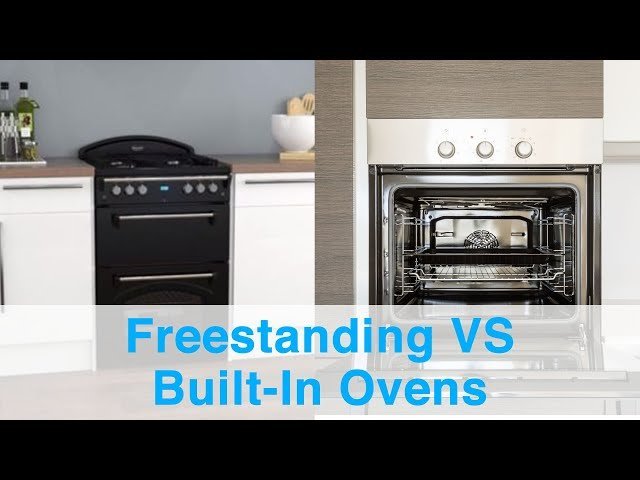
Cabinetry and mounting
A professional result depends on the gap between the oven and your cupboards. Experienced installers use heat-resistant spacers to protect the wood from the high temperatures produced by the oven. If you see a gap larger than five millimeters, the installation looks messy and allows heat to escape into your kitchen. Always check the manufacturer’s manual for the specific heat-shielding requirements for your model.
Utility management
The way you manage your cords and pipes determines the safety of the unit. A good installation hides the cables inside the cabinet or behind the unit so they aren’t pinched or exposed to heat. Beginners often leave cords loose, which can lead to melting or short circuits. If you can’t reach the power outlet easily, you have installed the unit too deeply or without enough slack for future maintenance.
Common problems and solutions
| What you notice | What it usually means | What to do first | How to stop it |
|---|---|---|---|
| Door won’t close | Unit isn’t level | Adjust the feet | Use a spirit level |
| Excessive heat | Poor ventilation | Check air gaps | Follow manual specs |
| Power failure | Overloaded circuit | Check the breaker | Verify power rating |
| Rattling noise | Loose mounting | Tighten all screws | Check wall anchors |
| Uneven baking | Seal is damaged | Inspect the gasket | Replace the seal |
If your door fails to latch, check the floor with a level. A tilt of even three degrees prevents the magnetic seal from engaging. If the unit is level but still gaps, the door gasket is likely damaged or dirty. Don’t force the door; you’ll strip the mounting plate.
Excessive heat often stems from blocked intake vents. If the exterior casing feels hot to the touch, move the unit away from the wall immediately.
For power failures, check if other high-draw appliances share the same circuit. If the breaker trips again after a reset, you have exceeded the circuit’s capacity. Never use an extension cord to reach a further outlet. These cords often lack the gauge thickness required for sustained current, creating a significant fire hazard.
Finally, inspect the door gasket for brittle spots or cracks. If you see light leaking through the seal, heat is escaping. Test this by closing a thin piece of paper in the door. If it slides out with no resistance, replace the gasket before the heating element burns out.
Regulatory requirements for safety
All ovens must meet the safety standards set by the relevant body in your country, such as the Consumer Product Safety Commission in the United States. These standards cover electrical safety, gas leakage, and surface temperature limits. You can find the specific safety certification on the manufacturer’s label or in the technical documentation supplied with the appliance.
If you’re installing a built-in oven, you must ensure the cabinet material is rated for high-heat exposure. Using standard particle board without proper heat shielding can lead to structural failure or fire. Look for a “heat-resistant” rating on your cabinetry specifications.
If you’re unsure about your electrical capacity, you must consult a licensed electrician. Don’t attempt to bypass safety fuses or use extension cords to power an oven, as these are significant fire hazards. A common mistake is assuming a standard kitchen circuit can handle a high-voltage wall oven. If your breaker trips immediately upon activation, don’t reset it repeatedly. This indicates a short circuit or a ground fault that could melt internal wiring. If the breaker trips, call a professional before attempting to use the appliance again.
Financial and labor costs
The cost of an oven is only one part of the total investment. A freestanding oven is a single expense, while a built-in oven involves the cost of the unit plus the cost of cabinet modifications. You should compare the price of the appliance against the labor cost of a professional installer. If the cabinet needs custom doors or matching trim, the price can increase significantly.
Time is the other currency you spend. A freestanding oven can be installed in under an hour by two people. A built-in oven may require a full day of work for a carpenter and an electrician to ensure the unit is secure and properly wired. If you’re on a tight timeline, the freestanding model is the faster choice. Always request a written quote that includes the disposal of your old appliance, as some installers charge extra for removal.
Keeping your oven in shape
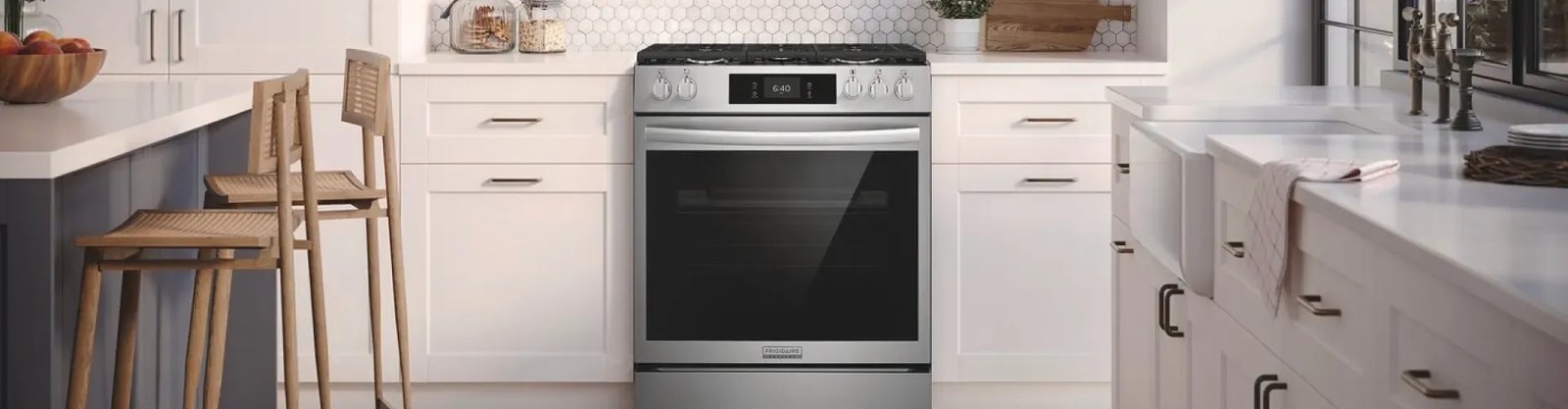
To keep your oven working well, you must clean the interior regularly to prevent grease buildup. Grease acts as an insulator, which makes the oven work harder to reach the set temperature and increases your energy use. If the door gasket looks brittle or cracked, replace it immediately to maintain the seal and prevent heat loss. A simple test is to close the door on a piece of paper; if you can pull it out with no resistance, your seal is compromised.
Check the hinges annually to ensure they hold the door securely. If the door feels heavy or doesn’t stay open at the fully extended position, the springs are likely worn. You can usually buy replacement hinges from the manufacturer’s website by searching for your specific model number. Many owners ignore this, but a sagging door causes uneven baking because heat escapes from the top.
Keeping the exterior vents free of dust and debris is also essential, as blocked vents cause the internal components to overheat and fail prematurely. If your oven has a cooling fan that runs long after the cooking is done, check the intake vent for pet hair or lint. If the fan sounds louder than usual, it’s likely straining against a clog. Clearing this path now can save you a costly control board replacement later.
When to avoid this choice
If you live in a property with strict heritage restrictions or limited electrical capacity, built-in ovens are often the wrong choice. In these cases, the cost of upgrading the electrical service to support a high-power wall oven isn’t worth the investment. You should opt for a freestanding range that uses your existing gas or electrical connections instead.
If you’re a frequent mover, you should also avoid built-in ovens. Removing a built-in unit requires damaging the cabinet trim and often leaves a hole that doesn’t match standard dimensions for a replacement. A freestanding oven is a portable asset that you can take to your next home. If you aren’t prepared to hire a professional to modify your cabinetry, don’t buy a built-in model, as DIY cabinet work rarely results in a safe or finished look.
Can I install a built-in oven myself?
Yes, you can, provided you have experience with electrical wiring and basic carpentry. You must ensure the cabinet is heat-resistant and the oven is secured according to the manual. If you aren’t comfortable working with high-voltage circuits, hire a licensed electrician to avoid the risk of fire.
How often should I clean my oven?
You should clean your oven regularly to prevent grease accumulation. Regular cleaning prevents the heating elements from working too hard and keeps the seals in good condition. If you notice smoke or a burnt smell during use, clean the unit immediately to remove any spilled food or grease.
Is a freestanding oven less efficient?
No, a freestanding oven isn’t inherently less efficient than a built-in model. Efficiency depends on the insulation and the energy rating of the specific model rather than the mounting style. You can check the energy efficiency rating on the label provided by the manufacturer to compare different units accurately.
How long does a typical oven last?
An oven typically lasts for many years with regular maintenance. This lifespan varies based on how often you use the unit and how well you keep the seals and vents clean. You can extend the life of your appliance by following the maintenance schedule found in your user manual.
Why does my oven door not stay open?
Your oven door doesn’t stay open because the hinge springs have lost their tension. This is a common wear-and-tear issue that happens after several years of use. You can order replacement hinges from the manufacturer’s official parts website by using your oven’s model number to find the correct fit.
Does it matter if my oven is gas or electric?
Yes, the fuel type matters because it dictates your installation requirements and energy costs. You must choose a model that matches the gas or electrical supply already installed in your kitchen. If you want to switch from gas to electric, you’ll need a professional to install a new circuit.
Before you buy, confirm the exact dimensions of your space and the power requirements of your kitchen. Check the manufacturer’s website for the installation manual to ensure your cabinets or floor space can support the chosen model. If you’re unsure about the electrical or gas connections, stop and contact a licensed professional to avoid safety risks.
Related guides