
Recovering from knee replacement surgery is a big step towards getting back on your feet. But sometimes, everyday tasks can feel a lot harder than they used to.
One common challenge many people face after surgery is using the toilet. It might seem like a small thing, but bending down can put a lot of strain on your new knee. This brings up an important question: Do you need a raised toilet seat after knee replacement?
If you’re wondering how to make this part of your recovery smoother and safer, you’re in the right place. Keep reading to find out if a raised toilet seat is the right solution for you and how it can help protect your healing knee.

Credit: getnice.com
The Challenge Of Sitting Down
Getting onto a standard toilet can be tricky. It becomes even harder after knee replacement surgery. The simple act of sitting requires careful movement. Your new knee needs protection. This can make everyday tasks feel difficult. You need to adapt your routine. The toilet is a common point of struggle.
Post-surgery Limitations
Your knee is healing. Movement is limited. Bending your knee too much can hurt. It can also jeopardize the surgery. Your surgeon gives strict instructions. Avoid deep knee bends. Keep your leg straight when possible. These limitations affect many actions. Sitting is one of them. You must be gentle with your new joint.
Why Standard Toilets Are Difficult
Standard toilets sit low. You must bend your knees a lot. This deep bend is problematic. It violates post-surgery rules. Lowering yourself is hard. Standing up is also a challenge. You need to push with your arms. This puts strain on your body. The height is the main issue. It demands too much flexibility. It’s not designed for recovery needs.
How A Raised Seat Helps
A raised toilet seat makes a big difference. It helps you after knee surgery. It makes using the toilet much easier. This simple tool offers real benefits.
Reducing Knee Flexion
Knee replacement surgery changes how you move. You need to protect your new knee. Bending your knee too much is bad. A raised seat means less bending. Your knees stay straighter. This protects the surgical site. It prevents putting too much stress on it. Less flexion is key for healing.
Easing The Strain
Getting up from a low seat is hard. It strains your knees and hips. A raised seat makes standing up simpler. You do not need to bend as much. This reduces physical effort. It feels much more comfortable. The strain on your body lessens. You can use the toilet with less worry.
Promoting Independence
Regaining independence is important. You want to do things yourself. A raised toilet seat helps you achieve this. It makes a common task manageable. You feel more in control. This boosts your confidence. You can use the bathroom without help. It supports your recovery journey.
Choosing The Right Seat
Selecting the correct raised toilet seat is crucial. It makes a big difference. A good seat aids recovery. It provides independence. Consider these factors carefully. Your comfort is paramount. Your safety is a priority.
Height Considerations
The height matters most. It should match your needs. Aim for comfort. Your knees should not bend too much. Your physical therapist can advise. Too low is difficult. Too high can feel unstable.
Stability And Safety Features
Look for strong construction. Secure locking mechanisms are vital. Non-slip surfaces prevent accidents. Arms rests offer extra support. They help you sit and stand. Test its sturdiness before buying. A wobbly seat is dangerous.
Ease Of Cleaning
Hygiene is very important. Choose smooth, non-porous materials. Wipe it down easily. Regular cleaning prevents germs. Simple designs are best. This ensures a clean bathroom.
Beyond The Seat
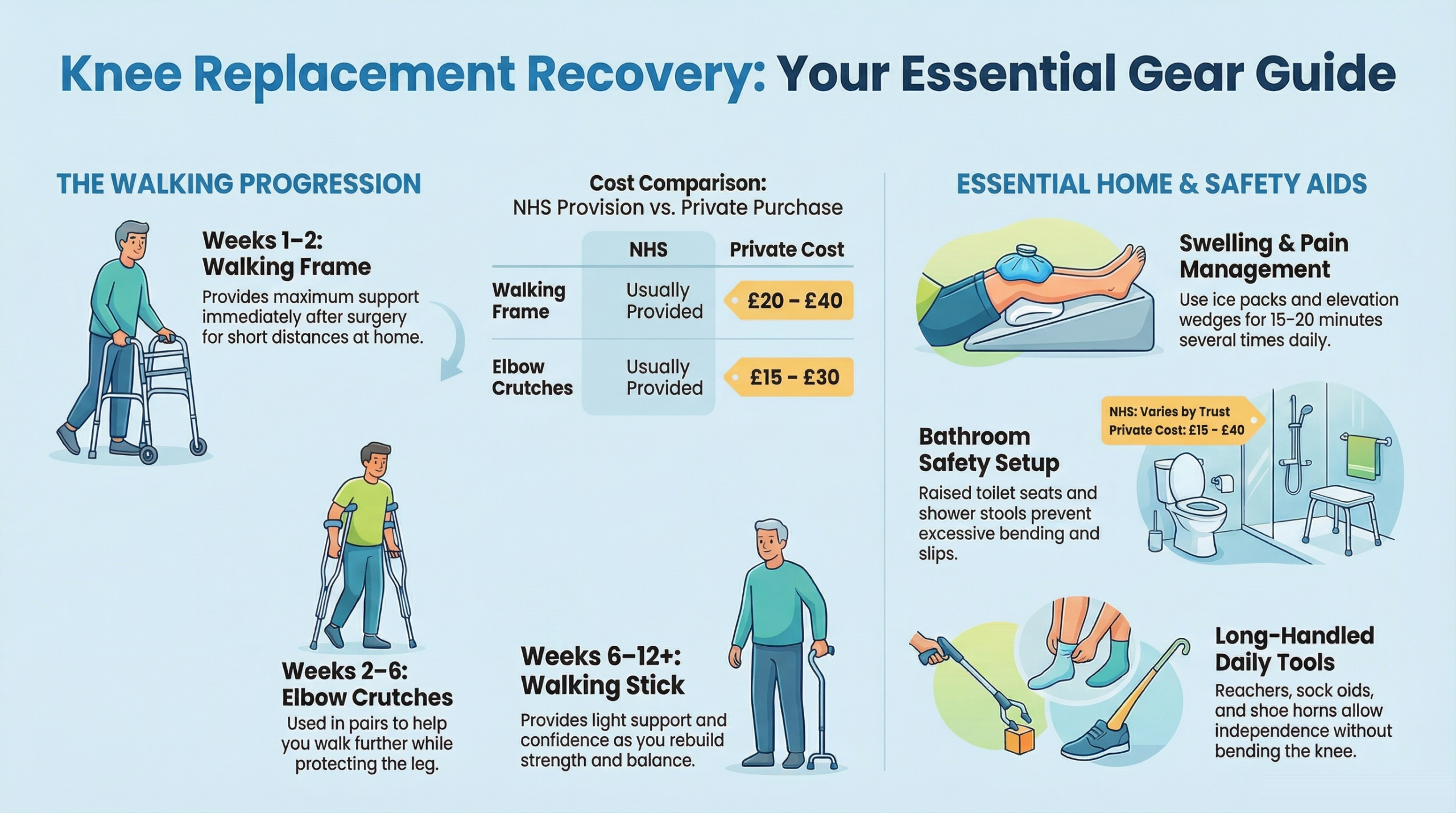
A raised toilet seat is helpful. But it is not the only solution. Your bathroom needs more. Safety is very important. Consider other helpful items. These make your bathroom safer. They help with recovery too.
Grab Bars For Support
Grab bars are essential. Install them near the toilet. They offer extra stability. Use them when sitting down. Use them when standing up. They prevent dangerous slips. They give you confidence. Choose sturdy, well-placed bars. They are a simple fix. They greatly improve safety.
Other Bathroom Modifications
Think about your shower. A shower chair is useful. Handheld showerheads help. Non-slip mats prevent falls. Make sure pathways are clear. Remove clutter from the floor. These small changes matter. They create a safer space. Your bathroom becomes more accessible.
Physical Therapy’s Role
Physical therapy is key. Your therapist guides you. They teach you exercises. These exercises strengthen muscles. They improve your balance. You learn safe movement. Therapy helps you regain independence. Follow your therapist’s advice. It is crucial for recovery. It builds your strength back.
When To Re-evaluate
Your knee replacement recovery is a journey. A raised toilet seat helps early on. But when can you ditch it? Knowing when to re-evaluate is key. It means listening to your body. It means checking your progress. This step ensures comfort. It promotes independence.
Signs You Might Not Need It Anymore
You stand up easily now. Bending your knees feels better. You no longer need hands for support. Getting on and off the toilet is smooth. There is less pain when you move. You can squat a little. Your balance has improved greatly. You feel more confident in movement. These are good signs. They show healing progress.
Consulting Your Doctor
Talk to your doctor. Share your progress honestly. Mention your reduced need. Ask about removing the seat. Your doctor knows your healing. They offer expert advice. Follow their recommendations closely. They guide your recovery path. This ensures safety always.

Credit: mobilityshopdirect.com.au
Credit: www.thebestofhealth.co.uk
Frequently Asked Questions
Do I Need A Raised Toilet Seat After Knee Surgery?
Yes, a raised toilet seat can help. It makes sitting and standing easier. This reduces strain on your new knee.
How High Should A Raised Toilet Seat Be?
Aim for a height that allows your knees to be level. Your feet should be flat on the floor. This makes transfers safer and more comfortable.
When Should I Use A Raised Toilet Seat?
Use it during your initial recovery period. It’s most helpful when bending is difficult. Your doctor or physical therapist will advise.
Can A Raised Toilet Seat Help With Knee Pain?
It can reduce pain by limiting bending. Less deep bending means less stress on your knee. This promotes healing and comfort.
Are Raised Toilet Seats Safe To Use?
Yes, when used correctly, they are safe. Ensure it fits your toilet snugly. Always have a stable surface nearby for support.
Will I Need A Raised Seat Long-term?
Usually, it’s a temporary aid. As your knee strength and flexibility improve, you may not need it. Listen to your body and your doctor.
Where Can I Buy A Raised Toilet Seat?
You can find them at medical supply stores. Many online retailers also sell them. Check with your hospital’s physical therapy department for recommendations.
Conclusion
Your knee replacement recovery is important. A raised toilet seat can help greatly. It makes sitting and standing easier. This reduces strain on your new knee. It promotes safety during recovery. Ask your doctor for advice. They know your specific needs.
Listen to your body’s signals. Prioritize your comfort and healing. A raised seat is a smart choice. It aids your mobility. Enjoy your recovery journey.