
Metallurgical coke is a high-carbon, porous fuel and reducing agent produced by the destructive distillation of specific grades of coal in an oxygen-deprived environment. This industrial process transforms raw bituminous coal into a durable, heat-resistant solid that provides the structural support and chemical energy necessary to smelt iron ore into liquid iron within a blast furnace. Because it’s essentially pure carbon, it serves as the primary engine for modern steelmaking globally.
Key Takeaways
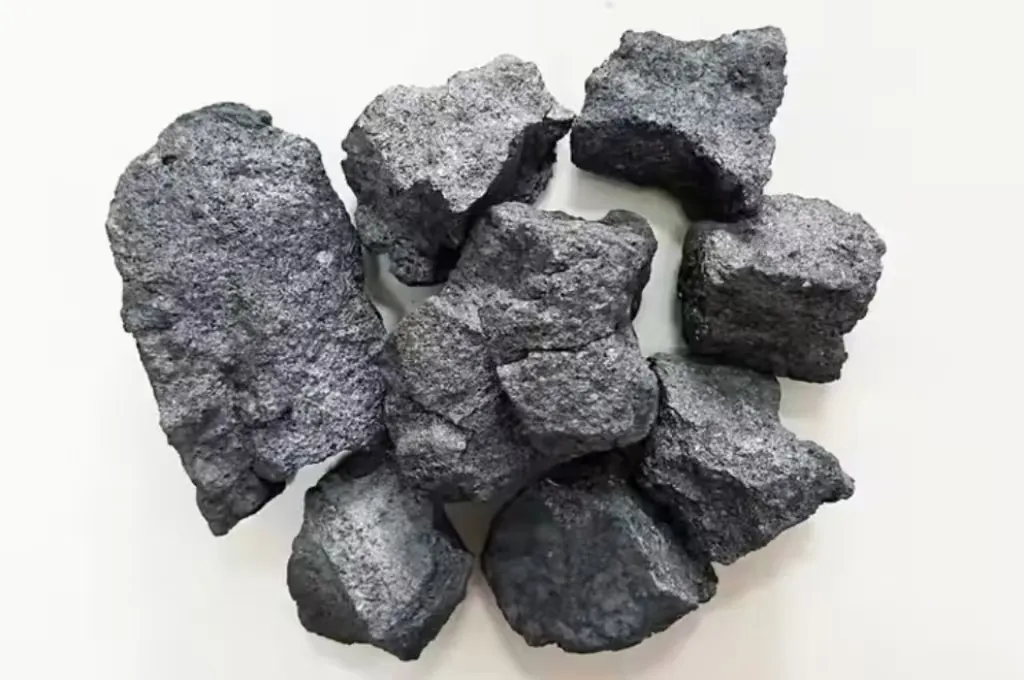
- Metallurgical coke isn’t a fossil fuel in its raw form; it’s a processed material engineered for high-temperature stability.
- The production process, known as carbonization, takes approximately 15 to 20 hours to complete at temperatures reaching 2,000 degrees Fahrenheit.
- Quality is measured by the coke’s ability to withstand physical pressure under extreme heat, known as its cold strength and hot reactivity.
- Blast furnace operations rely on coke to act as both a source of thermal energy and a chemical agent that removes oxygen from iron ore.
- Byproducts such as coal tar and ammonia are captured during the coking process and redirected into chemical manufacturing industries.
What Is Metallurgical Coke?
Metallurgical coke is a specialized form of carbon derived from coal that functions as the lifeblood of the integrated steel industry. Unlike thermal coal used for power generation, metallurgical coal—or “coking coal”—must possess specific caking properties.
When heated, these coals soften and fuse together to form a solid, porous mass. This structure is vital because it must support the immense weight of the iron ore and limestone layers inside a blast furnace without crumbling into dust. If the coke were to collapse, the internal airflow would be blocked, causing the furnace to fail.
The most important physical characteristics for industrial users are its structural integrity and its carbon purity. Steel producers often blend different types of coal to achieve the perfect chemical profile. By carefully managing the ratio of volatile matter to fixed carbon, manufacturers produce a material that burns efficiently while maintaining the necessary strength to survive the high-pressure environment of the furnace.
How Is Metallurgical Coke Made?
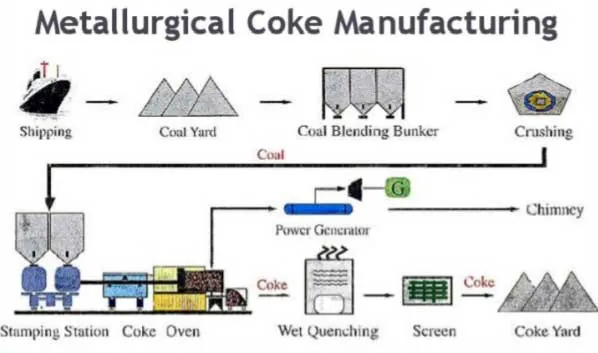
The manufacturing process, often called carbonization or coking, occurs in a series of interconnected brick ovens. The primary goal is to drive off volatile gases and impurities, leaving behind a carbon-dense skeleton. This process is strictly controlled to ensure the coal doesn’t burn away, but rather undergoes thermal decomposition.
| Stage of Production | Temperature Range | Purpose |
|---|---|---|
| Loading | Ambient | Filling ovens with crushed coal |
| Heating | 1,800°F – 2,100°F | Inducing chemical decomposition |
| Soaking | 2,000°F Constant | Achieving uniform carbon structure |
| Quenching | 100°F – 200°F | Rapid cooling to stabilize carbon |
The Carbonization Process Steps
The process begins by crushing and blending selected coals to ensure a consistent chemical composition. Once the mixture is prepared, it’s charged into the top of a coke oven. The oven is then sealed to prevent oxygen from entering, which would cause the coal to ignite and turn to ash.
As the temperature rises, the coal softens into a plastic state, releasing water vapor, methane, and hydrogen. These gases are collected through a gas collection main and processed to recover valuable chemical byproducts.
After the coal has been “coked” for several hours, the resulting mass is pushed out of the oven in the form of glowing, red-hot cakes. These cakes are immediately moved to a quenching tower where they’re doused with water or cooled with inert gases. This rapid cooling prevents the carbon from reacting with the air, which would otherwise degrade the quality of the product.
Why Do Steelmakers Use It?
In a blast furnace, metallurgical coke serves three distinct roles that are essential for the production of pig iron. First, it acts as a thermal fuel, providing the intense heat required to melt the iron ore.
Second, it serves as a reducing agent; as it burns, it releases carbon monoxide, which strips oxygen atoms away from the iron oxide in the ore, leaving behind pure molten iron. Third, it provides the structural permeability needed for hot air to travel upward through the furnace.
The World Coal Association confirms that metallurgical coke remains the standard choice for blast furnace ironmaking because no other material currently offers the same combination of structural strength and chemical reactivity at such high temperatures. Without this porous, high-carbon material, the internal chemical reactions required to produce steel on a massive scale would be impossible to sustain.
Types of Coke Ovens
There are two primary methods used to produce this material on an industrial scale: the byproduct oven and the heat-recovery oven. Each system has unique advantages regarding environmental impact and chemical yield.
- Byproduct Ovens: These are the most common in the industry. They operate under negative pressure and capture gases like coal tar, benzene, and ammonia.
- Heat-Recovery Ovens: These designs burn the gases inside the oven to provide the heat needed for the coking process, turning the facility into a miniature power plant.
Managing Quality Control
Quality control is a continuous process. Engineers monitor the coke reactivity index and the coke strength after reaction to ensure the material performs well under the harsh conditions of the furnace. If the coke is too soft, it will break down into “fines” or dust, which can clog the furnace and decrease production efficiency.
Is It Environmentally Sustainable?
The production of metallurgical coke is energy-intensive and produces significant emissions, though modern facilities are increasingly efficient. By capturing gases in byproduct ovens, manufacturers can turn potential pollutants into feedstocks for other industries. For instance, coal tar is refined into chemicals used in plastics and dyes.
Warning: Always ensure that any facility handling coal carbonization employs advanced filtration systems to manage particulate matter and greenhouse gas emissions, as local air quality standards are strictly enforced by environmental agencies.
Storage and Handling Requirements
Because metallurgical coke is porous, it’s prone to absorbing moisture. If the material becomes too wet, the energy required to evaporate that water inside the furnace increases, which raises fuel costs. Consequently, industrial facilities prioritize dry storage solutions.
- Covered Bunkers: Used to protect the coke from rain and snow.
- Conveyor Systems: Designed to minimize mechanical breakage during transport.
- Inventory Rotation: Ensures that the oldest materials are used first to prevent degradation.
Safety Protocols in Coking Plants
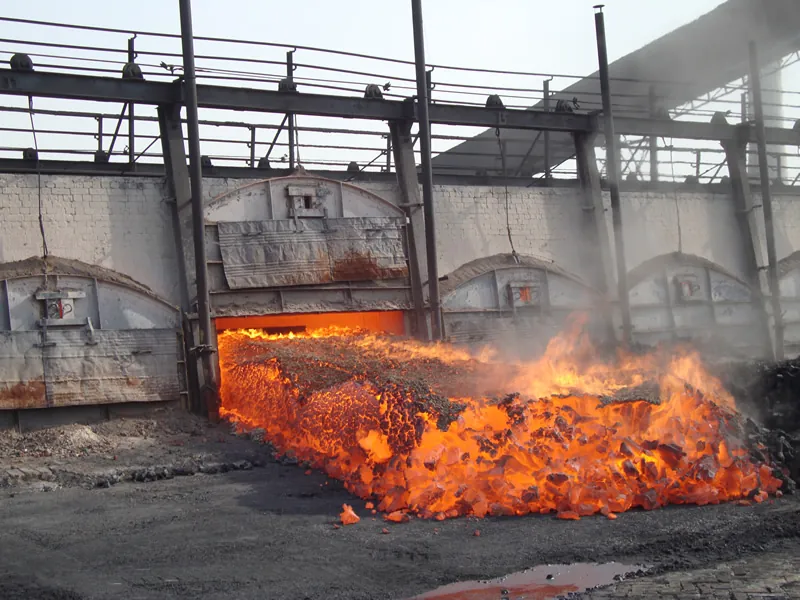
Working near coke ovens involves significant risks, including exposure to extreme heat and hazardous gases. Pro Tip: Always prioritize the use of heat-resistant personal protective equipment and ensure that automated gas monitoring systems are calibrated daily to detect leaks in the collection mains.
Personnel must be trained in the following areas:
- Emergency shutdown procedures for oven batteries.
- Proper handling of high-pressure steam for quenching.
- Recognition of symptoms related to carbon monoxide exposure.
Related guides
Frequently Asked Questions
Can charcoal replace metallurgical coke?
Charcoal isn’t a suitable substitute for large-scale steel production. While it’s a source of carbon, it lacks the structural density and physical strength required to support the weight of the iron ore in a blast furnace. Under the immense pressure of a furnace, charcoal would crush into powder, blocking the airflow and extinguishing the chemical reaction.
What is the difference between coking coal and thermal coal?
Coking coal is a specific grade of bituminous coal with high “caking” properties, meaning it softens and fuses when heated. Thermal coal is used primarily for steam generation in power plants and doesn’t possess the chemical properties required to form a strong, porous coke structure. They’re distinct commodities with different pricing structures and industrial applications.
How do engineers test coke quality?
Engineers primarily use the Coke Reactivity Index (CRI) and Coke Strength after Reaction (CSR) tests. These standardized procedures measure how much the coke degrades when exposed to carbon dioxide at high temperatures. A high CSR value is desired, as it indicates that the coke will remain strong and provide the necessary permeability inside the blast furnace, ensuring consistent iron production.
Are there alternatives to the blast furnace?
Direct Reduced Iron (DRI) processes are becoming more common, as they use natural gas or hydrogen instead of coke to remove oxygen from iron ore. While these methods are more environmentally friendly, the blast furnace remains the dominant technology for global steel production due to the massive throughput and reliability of the coke-based process in established industrial plants.
Does coke production create hazardous waste?
The coking process generates byproducts that must be carefully managed. While items like coal tar and ammonia are marketable chemicals, liquid effluents from the quenching process can contain phenols and cyanide. Modern plants utilize sophisticated water treatment facilities to neutralize these substances before the water is reused or safely discharged, ensuring that environmental compliance standards are maintained throughout the production cycle.
Conclusion
Understanding the transformation of raw coal into metallurgical coke reveals the precision required to sustain modern infrastructure. As the steel industry evolves, the role of this high-carbon fuel remains central to high-volume manufacturing. For your next step, contact a local industrial materials supplier to request a technical data sheet for the specific coke grade used in your region’s iron smelting operations.
