
When you’re choosing a drill, the voltage can make a big difference in how well it performs. But should you go for a 12V or a 20V drill?
If you want a tool that fits your needs perfectly without wasting money or power, understanding the difference is key. This guide will help you figure out which drill matches your projects, your budget, and your lifestyle. Keep reading to find out which voltage is right for you—and why it matters more than you might think.
Power Differences
Power differences between 12V and 20V drills affect how they perform. These differences change the types of tasks each drill can handle. Understanding power helps pick the right drill for your needs.
Voltage And Its Impact
Voltage shows how strong a drill’s motor is. A 20V drill has a higher voltage than a 12V drill. This means the 20V drill can deliver more force and speed. It can handle tougher materials like thick wood or metal.
A 12V drill suits small jobs like drilling into drywall or light wood. It is lighter and easier to use for simple tasks. The 20V drill is heavier but fits better for heavy work.
Battery Capacity And Runtime
Battery capacity affects how long a drill runs before recharging. Higher voltage drills often have larger batteries. A 20V drill usually runs longer and supports more continuous work.
12V drills use smaller batteries. They work well for quick jobs or light use. If you need longer runtime, a 20V drill is better. It reduces downtime and keeps you working.
Performance Factors
Performance factors are key to choosing between a 12V and 20V drill. These factors affect how well the drill works for different tasks. Understanding torque, speed, and drilling efficiency helps pick the right tool.
Torque And Speed
Torque is the force that turns the drill bit. A 20V drill usually offers higher torque than a 12V drill. This means it can handle tougher jobs like drilling into hardwood or metal. Speed is how fast the drill bit spins. Both 12V and 20V drills can have variable speeds. But 20V drills often reach higher maximum speeds. This helps complete tasks faster on harder materials.
Drilling Efficiency
Efficiency means how well the drill uses its power to finish a job. A 20V drill often works longer without slowing down. It also drills through thicker materials more easily. A 12V drill is lighter and easier to control. It works well for light tasks like assembling furniture or drilling into drywall. Choose based on the type of work and the material you will drill into.
Size And Weight
Size and weight play a big role in choosing between a 12V and 20V drill. These factors affect how easy the drill is to carry and use. A lighter, smaller drill feels less tiring and fits better in tight spaces. The 12V drills are often smaller and weigh less. The 20V drills tend to be bigger and heavier because they hold more power. This makes size and weight important to consider for comfort and ease during work.
Portability And Comfort
12V drills are easier to carry around. Their smaller size fits well in tool bags or tight spots. You can use them for longer without feeling tired. 20V drills are heavier and bulkier. This can make carrying them harder over time. For quick jobs or working in small areas, 12V drills offer better comfort. They allow more freedom to move and work smoothly.
Handling And Control
Smaller drills give better control, especially for detailed work. The 12V drill’s light weight helps steady your hand. It feels balanced and easier to manage. The 20V drill, while heavier, provides more power. This weight can make handling tricky for some users. For long use, a lighter drill reduces strain on your wrist. Control and ease depend on drill size and weight as much as power.

Credit: smallboatsmonthly.com
Battery Life And Charging
Battery life and charging are key factors for any cordless drill. They affect how long you can work and how fast you can get back to the task. Both 12V and 20V drills offer different experiences in these areas. Choosing the right one depends on your work needs and how often you use the drill.
Charge Time Comparison
12V drills usually have smaller batteries. These batteries often charge faster than 20V batteries. You might get a full charge in about 30 to 60 minutes. This means less waiting and more doing. On the other hand, 20V drills have bigger batteries. They take longer to charge, often up to an hour or more. But they offer longer use per charge. Fast chargers can reduce this wait time for both types.
Battery Longevity
Battery longevity means how long a battery lasts before it needs replacement. 20V drill batteries tend to last longer in daily use. They handle heavier jobs without draining quickly. 12V batteries wear out faster with constant use. Proper care, like avoiding full discharges, helps both battery types last longer. The type of battery cell also matters. Lithium-ion batteries are common and hold charge better over time.
Applications And Use Cases
Choosing the right drill depends on the tasks at hand. Both 12V and 20V drills serve different purposes and suit different needs. Understanding their applications helps pick the best tool for the job. Each drill offers unique strengths for various projects.
Best Uses For 12v Drills
12V drills are perfect for light jobs around the house. They work well for hanging pictures and assembling furniture. These drills are easy to handle, making them good for small repairs. Their compact size fits tight spaces and awkward angles. 12V drills are ideal for drilling into soft materials like wood and plastic. They last long on a single battery charge due to lower power use. These tools suit beginners and casual DIYers who need simple tasks done fast.
Best Uses For 20v Drills
20V drills suit heavy-duty work and tougher materials. They provide more torque for drilling into metal, hardwood, and masonry. These drills handle larger screws and bolts with ease. They are great for construction projects and professional use. The extra power makes them fit for long jobs without overheating. 20V drills often come with advanced features like variable speed and hammer mode. They are perfect for users needing strength and versatility in one tool.

Credit: www.youtube.com
Cost Considerations
Cost is a key factor when choosing between a 12V and 20V drill. You want a tool that fits your budget but still meets your needs. Understanding both the upfront and long-term costs helps make a smart choice. Let’s explore what to expect from each option.
Initial Investment
12V drills usually cost less upfront. They are often smaller and designed for light work. This makes them affordable for beginners or casual users.
20V drills come with a higher price tag. They have more power and features. This extra cost reflects their capability to handle tougher jobs.
Battery packs and chargers add to the initial cost. Sometimes, a 20V model needs a bigger battery, which costs more.
Long-term Value
12V drills use less power and weigh less. They may save money on batteries over time. But their lower power limits the jobs they can do.
20V drills offer more strength and durability. They often last longer with heavy use. This can save money on repairs or replacements.
Consider how often and what tasks you plan. A 20V drill may pay off if you work on big projects.
Brand And Model Variations
Different brands offer various 12V and 20V drill models. Each brand has unique features and designs. These differences affect performance, battery life, and price. Choosing the right model depends on your needs and budget.
Some brands focus on lightweight drills with good power for small jobs. Others build heavy-duty drills for tough tasks. Knowing popular models helps find a drill that fits your work style.
Popular 12v Models
Many brands make 12V drills that are compact and easy to handle. The DeWalt DCD701 is well-known for its reliability and battery life. The Makita XFD061 also stands out for its lightweight design and smooth operation.
Bosch offers the PS31-2A, a user-friendly drill ideal for home projects. Ryobi’s P208 is budget-friendly and fits well in tight spaces. These models suit light to medium tasks and are great for beginners.
Popular 20v Models
20V drills often provide more power and longer battery life. The DeWalt DCD791 is a favorite among professionals for its durability and speed. Milwaukee’s M18 Fuel drill delivers strong torque and fast charging.
Makita’s XFD10R is praised for its balance of power and weight. Bosch GSR18V-190B offers good control and a compact design. These models work well for heavy-duty tasks and extended use.
Safety And Maintenance
Safety and maintenance are vital for using 12V and 20V drills. Proper care ensures the tool works well and lasts longer. It also helps avoid accidents during use. Both 12V and 20V drills need careful handling and routine upkeep. Understanding the right steps can protect you and your drill.
Handling Precautions
Always wear safety glasses to protect your eyes from debris. Use gloves to improve grip and avoid blisters. Keep your hands dry and clean to prevent slipping. Hold the drill firmly with both hands for better control. Avoid wearing loose clothes or jewelry that can get caught. Never touch the drill bit while it is spinning. Disconnect the battery before changing drill bits or cleaning. Store the drill in a safe place away from children. Follow the manufacturer’s instructions carefully to avoid damage or injury.
Care Tips For Longevity
Clean the drill after every use to remove dust and dirt. Use a soft cloth and avoid harsh chemicals. Check the battery contacts and clean them if needed. Charge the battery only with the recommended charger. Avoid overcharging or letting the battery run completely dead. Store batteries in a cool, dry place to keep them healthy. Lubricate moving parts occasionally to reduce wear and tear. Inspect the drill regularly for any damage or loose parts. Repair or replace worn parts to keep the drill working well.
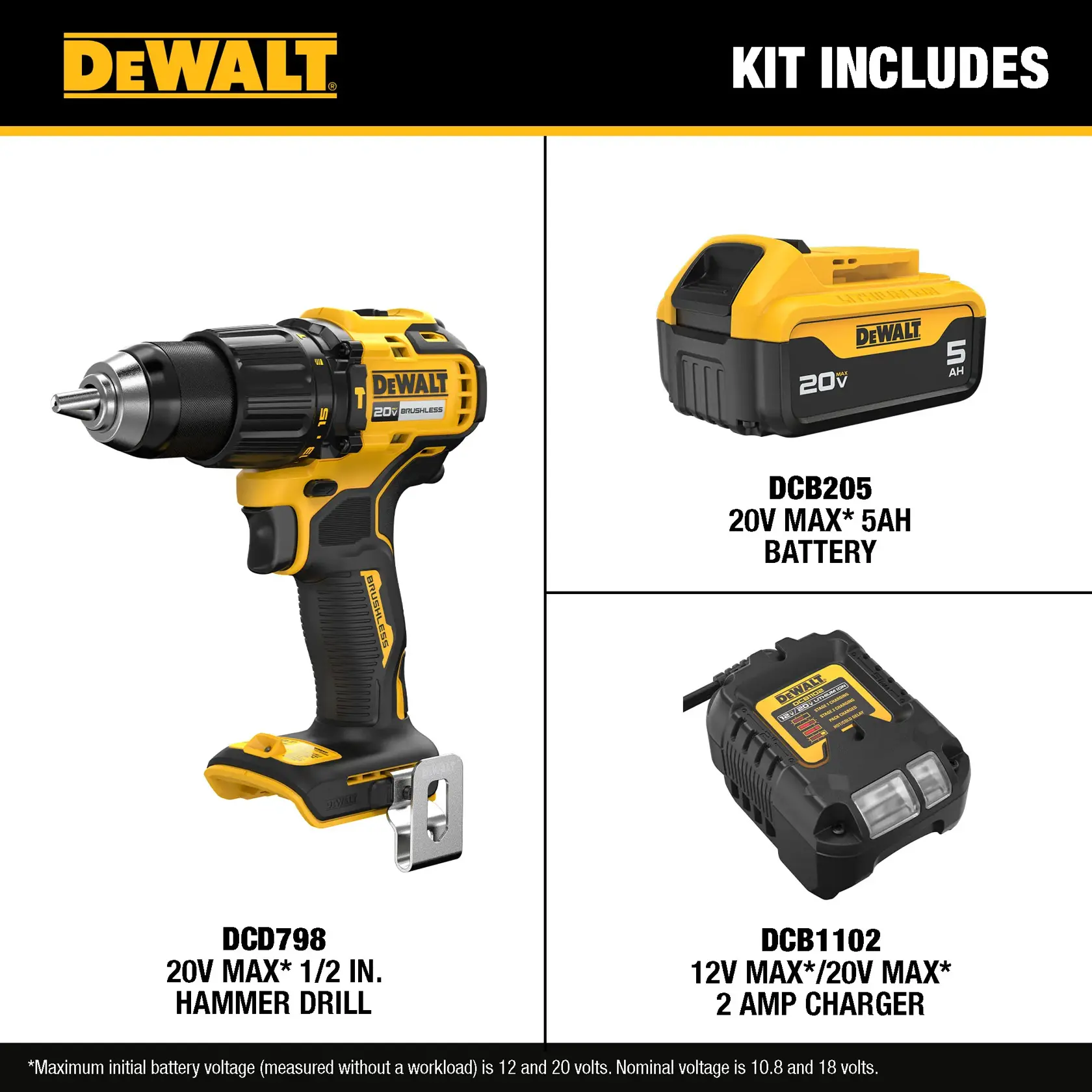
Credit: www.dewalt.com
Frequently Asked Questions
What Are The Main Differences Between 12v And 20v Drills?
12V drills are lighter and best for small jobs. 20V drills offer more power and suit heavy-duty tasks.
Which Drill Voltage Is Better For Home Use?
12V drills are usually enough for most home projects. They are easy to handle and less expensive.
Can A 12v Drill Handle Tough Materials?
12V drills can manage light materials but struggle with thick wood or metal. For tough jobs, 20V is better.
How Does Battery Life Compare Between 12v And 20v Drills?
20V drills generally have longer battery life due to bigger batteries. 12V drills need more frequent charging.
Are 20v Drills Heavier Than 12v Models?
Yes, 20V drills are heavier because of larger batteries and motors. 12V drills are lighter and easier to carry.
Is A 20v Drill Worth The Extra Cost?
20V drills cost more but give better power and battery life. For regular heavy tasks, they are worth it.
Can 12v And 20v Drill Batteries Be Interchanged?
Usually, no. Batteries are designed for specific voltage drills and are not interchangeable between 12V and 20V.
Conclusion
Choosing between a 12V and 20V drill depends on your needs. A 12V drill suits light tasks and easy handling. A 20V drill offers more power for tough jobs. Consider how often and what you will drill. Battery life and weight also matter.
Both have their place in your toolbox. Think about your projects before deciding. Either way, pick a drill that feels right and works well for you. Simple and smart choices save time and effort.