
Choosing the right robot vacuum can be tricky, especially when you come across the term “bag vs bagless.” You want a cleaner home without the hassle, but which option fits your needs better?
Whether you’re tired of emptying dustbins constantly or worried about allergens escaping into the air, understanding the difference can save you time, money, and frustration. Keep reading to discover which type of robot vacuum will make your life easier and your cleaning routine smarter.
Bag Robot Vacuums
Bag robot vacuums use a replaceable bag to collect dust and dirt. These bags act like a container that holds all the debris picked up during cleaning. The vacuum pulls in dirt and traps it inside the bag. This design keeps dust sealed away from the air in your home.
Many people prefer bag models for their simple maintenance and cleaner disposal. Bag robot vacuums often have strong suction power and good filtration. They work well for users who want less contact with dust and allergens.
How They Work
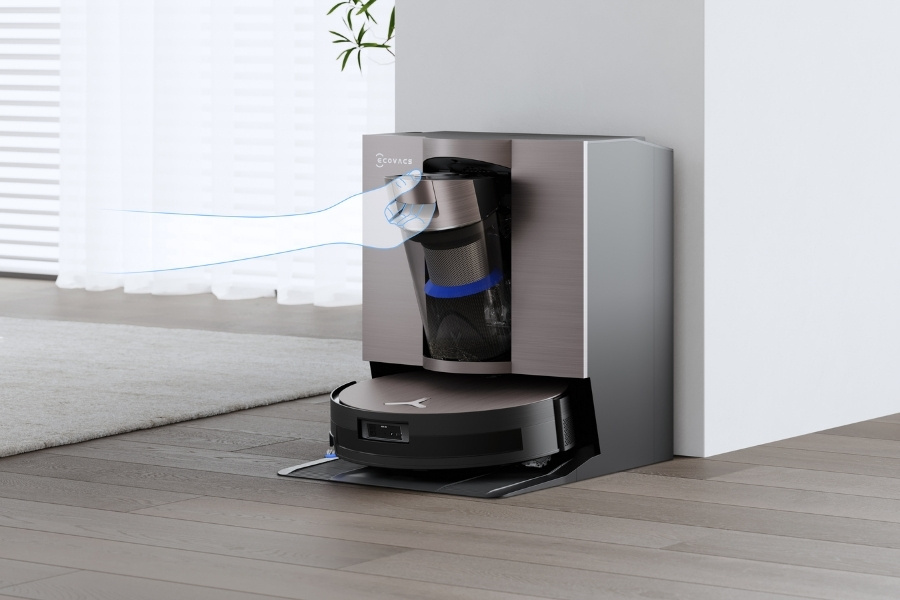
Bag robot vacuums have a dust bag inside the unit. When the vacuum runs, it sucks dirt and debris into this bag. The bag holds the dust tightly, stopping it from escaping back into the air. Once full, the bag is removed and thrown away. A new bag is then installed for the next cleaning.
Pros Of Bag Models
Bag models keep dust and allergens sealed inside the bag. They reduce exposure to dust during disposal. These vacuums often have larger dust capacity. The bags help maintain suction power as they fill up. They are easy to replace and clean up after.
Cons Of Bag Models
Replacement bags add extra cost over time. You must buy the correct bags for your model. The vacuum stops working if the bag is full. Some bags may be hard to find in stores. Bag disposal can be less eco-friendly than bagless options.
Best Use Cases
Bag robot vacuums suit homes with allergy sufferers. They are good for people wanting easy dust disposal. These models work well in homes with pets. They fit well in places where dust control is important. Ideal for users who prefer low-maintenance cleaning tools.
Bagless Robot Vacuums
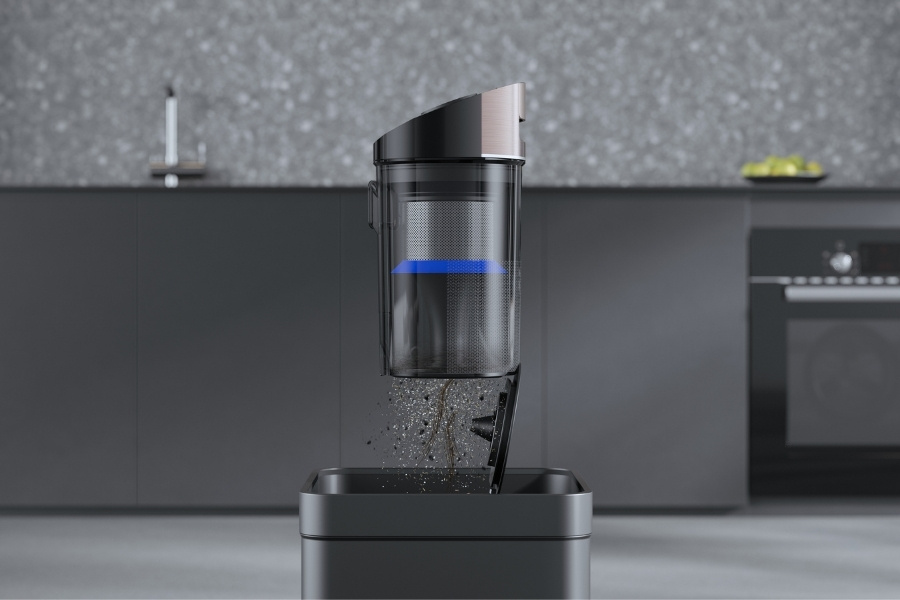
Bagless robot vacuums are popular for their ease of use and maintenance. They collect dust and debris in a built-in container. Users can empty this container without buying replacement bags. This feature appeals to many who want a simple cleaning routine.
These vacuums use filters to trap fine dust particles. The filters need regular cleaning to keep the vacuum efficient. Bagless models often have transparent dustbins. This way, users can see when it’s time to empty them.
How They Operate
Bagless robot vacuums use suction to pick up dirt and dust. The debris moves into a dustbin inside the vacuum. A filter captures small particles to prevent them from escaping. Some models also use brushes to loosen dirt from floors. Sensors help the vacuum navigate around furniture and obstacles.
Advantages Of Bagless Models
Bagless vacuums save money by not needing replacement bags. Emptying the dustbin is quick and simple. Many users appreciate seeing the collected dirt to know it works well. These models often have washable filters for easy cleaning. They are usually lightweight and easy to handle.
Drawbacks Of Bagless Models
Emptying the dustbin can release dust into the air. This might bother people with allergies or asthma. The filters need frequent cleaning or replacement. Dustbins can fill quickly in larger homes. Sometimes, fine dust escapes if the filter is dirty or damaged.
Ideal Environments
Bagless vacuums work well in small to medium homes. They suit homes without allergy sufferers. These vacuums are good for hardwood, tile, and low-pile carpets. Regular cleaning of filters keeps performance strong. They fit homes where users prefer low ongoing costs.
Performance Comparison
Choosing between bag and bagless robot vacuums often depends on how well they perform. This section compares their key features. It helps you see which type fits your cleaning needs best.
Suction Power And Efficiency
Bagged robot vacuums usually keep suction strong for longer. The bag traps dust well, so filters stay cleaner. Bagless models may lose suction faster as dust builds up. Some bagless designs have strong motors but require frequent emptying to maintain power. Efficiency depends on how well the vacuum picks up dirt in one pass. Bagged models often excel in deep cleaning carpets. Bagless vacuums work well on hard floors but may struggle with fine dust.
Dust Containment And Hygiene
Bags hold dust tightly, reducing mess when emptied. This makes them better for allergy sufferers. Bagless vacuums use a dustbin that you must empty by hand. This can release dust back into the air. Some bagless models have special filters to trap dust. Still, bagged vacuums keep dirt sealed away more effectively. Cleanliness matters most for homes with pets or allergies.
Maintenance And Upkeep
Bagged vacuums require regular bag changes. Bags add to ongoing costs but keep the vacuum cleaner inside. Bagless models need frequent emptying and filter cleaning. Filters must be washed or replaced often. Both types need brush and wheel cleaning. Bagless vacuums need more attention to maintain airflow. Bagged vacuums may last longer with less frequent care.
Battery Life And Runtime
Battery life varies by brand and model. Bagless vacuums can be lighter, which may improve runtime. Bagged vacuums sometimes have heavier parts, reducing battery time. Runtime depends on suction settings and floor type. Both types recharge automatically and resume cleaning. Consider your home size when choosing battery life. Longer runtime suits larger areas better.
Credit: www.ecovacs.com
Cost And Value
Cost and value play a big role in choosing between bag and bagless robot vacuums. Understanding the upfront and ongoing expenses helps you pick the right model. Let’s break down the costs step by step.
Initial Purchase Price
Bagless robot vacuums often cost less upfront. They skip the need for bags and complex filters. Bag models may have a higher starting price due to the extra parts. The price difference depends on brand and features. Choose based on your budget and how much cleaning you need.
Replacement Parts And Consumables
Bags need regular replacement. Buying new bags adds to the cost over time. Bagless models use filters that also need changing. Filter prices vary but usually cost less than bags. Check how often you must replace bags or filters. This affects your yearly spending.
Long-term Expenses
Bagless vacuums save money on bags but may need filter and brush changes. Bag vacuums keep dust sealed in bags, which can reduce filter wear. This might lower maintenance costs. Consider electricity use, too. Both types use similar power. Think about repair costs as well. Durable models cost less over time.
User Convenience
User convenience is a key factor when choosing between bag and bagless robot vacuums. It affects how often you need to handle maintenance tasks. It also impacts your daily cleaning experience. This section breaks down the main convenience points to help you decide.
Ease Of Emptying
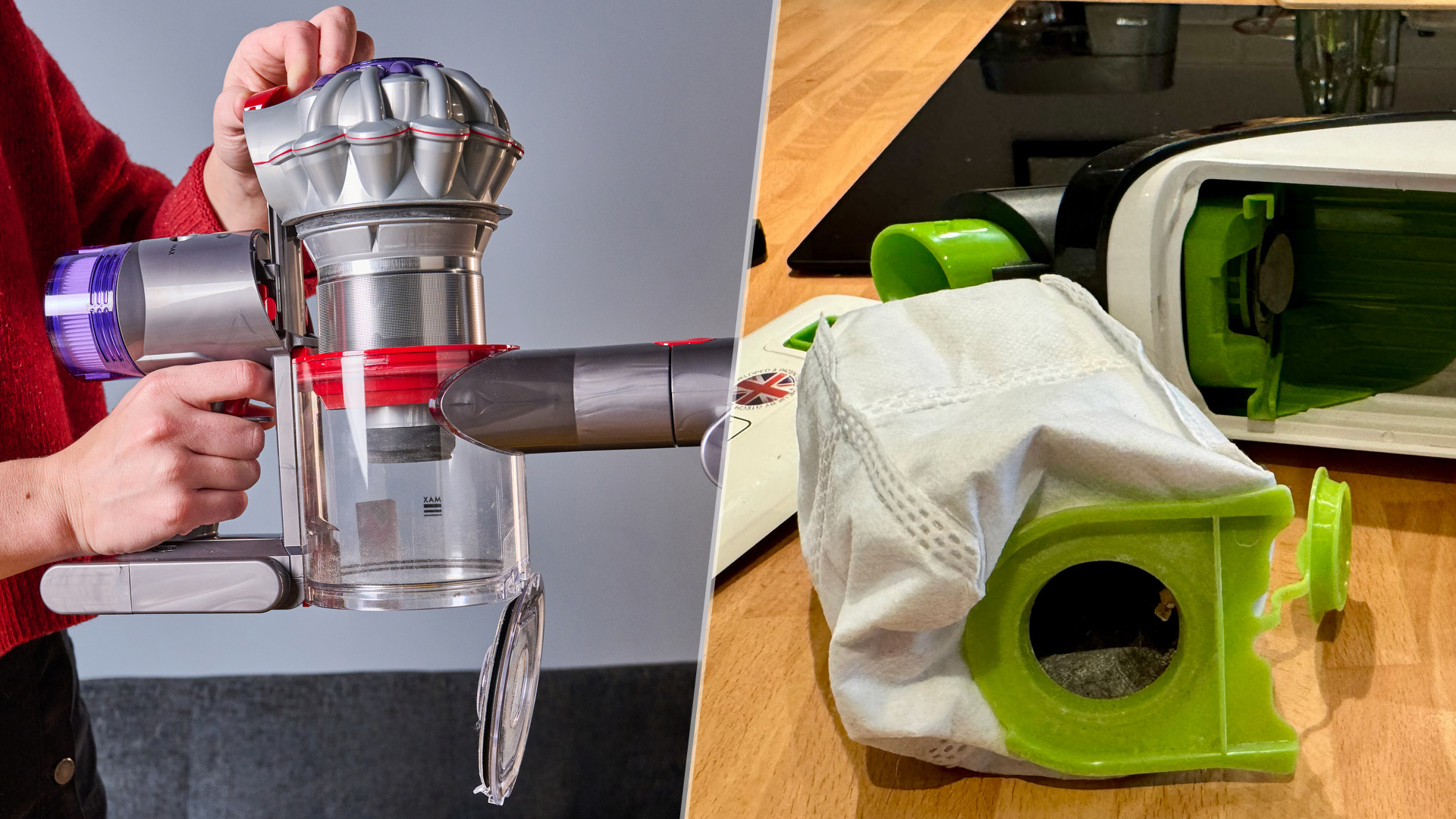
Bagless models usually have a clear dustbin that you can see fill up. You simply remove the bin and empty it into the trash. This process is quick but can release dust into the air. Bag models collect dirt inside a sealed bag. You remove the bag and throw it away. This keeps dust contained but requires buying replacement bags. Bagless vacuums offer faster emptying. Bags give cleaner disposal.
Filter Replacement
Both types use filters to trap dust and allergens. Bagless vacuums often need filter cleaning or changing more often. Dust builds up inside the dustbin and on the filter. Bag vacuums usually have a bag that acts as a filter. They still require filter changes but less frequently. Filter replacement is easier with bags but costs more over time. Bagless filters need regular attention to keep suction strong.
Noise Levels
Robot vacuums produce noise during operation. Bagged models tend to be quieter. The bag muffles some sound from the motor and dust chamber. Bagless models may sound louder because the dustbin is open. Noise levels differ by brand and design too. Consider your home environment when choosing. Quiet operation can improve comfort during cleaning.
Smart Features And Connectivity
Most modern robot vacuums include smart features. Both bag and bagless types offer app control and scheduling. Some models map your home for better cleaning paths. Connectivity allows remote control from your phone. Voice assistant compatibility is common. Smart features do not depend on bag type. Focus on features that suit your lifestyle for convenience.
Environmental Impact
Choosing between bag and bagless robot vacuums can affect the environment. Small choices add up. Understanding the environmental impact helps you pick the right cleaner for your home and planet.
Waste And Disposal
Bag robot vacuums use disposable bags. These bags create more waste. They end up in landfills after use. Bagless vacuums collect dust in a bin. The bin can be emptied and reused. This reduces trash and saves resources. Still, bagless filters need cleaning or replacement. Waste from filters must be managed carefully. Overall, bagless models tend to generate less waste over time.
Energy Efficiency
Energy use varies between bag and bagless models. Bagless vacuums often have better airflow. This can lower energy consumption. Bagged vacuums may need more power to suction through bags. Energy-efficient models reduce electricity bills. They also lessen your home’s carbon footprint. Look for vacuums with high energy ratings. Efficient machines save power and protect the environment.
Choosing The Right Model
Choosing the right robot vacuum depends on many factors. Understanding your needs helps you pick the best model. Each type, bag or bagless, has its own benefits. This guide helps you decide which fits your home and lifestyle.
Assessing Cleaning Needs
Think about how often you clean. Large homes need strong suction and longer battery life. Small spaces might do well with compact models. Consider the types of dirt—dust, pet hair, or crumbs. Bag models often hold more dirt for heavy cleaning. Bagless models are easy to empty quickly.
Home Layout Considerations
Homes with many rooms or obstacles require smart navigation. Bagless models often have sensors to avoid furniture and stairs. Bag models can be heavier and less flexible. Carpeted floors need powerful suction. Hard floors may work well with either type. Choose a model that suits your floor type and layout.
Allergy And Health Factors
Bag models trap dust and allergens inside the bag. This reduces dust exposure when emptying. Bagless models release dust when you empty the bin. For allergy sufferers, bags offer cleaner disposal. Check if the vacuum has HEPA filters. Filters improve air quality and reduce allergens.
Budget And Brand Preferences
Bagless models are usually less expensive upfront. Bag models may cost more but need bags replaced. Brands offer different features and support. Research brand reputation for reliability and service. Balance price with features and long-term costs. Choose a brand you trust for durability.
Credit: www.ecovacs.com
Credit: www.techradar.com
Frequently Asked Questions
What Is The Main Difference Between Bag And Bagless Robot Vacuums?
Bag robot vacuums collect dust in a removable bag. Bagless models store dust in a built-in container.
Which Type Is Easier To Clean, Bag Or Bagless?
Bagless models are easier to empty and rinse. Bags need regular replacing but reduce dust exposure.
Do Bagless Robot Vacuums Lose Suction Over Time?
Bagless vacuums can lose suction if filters get clogged. Regular cleaning helps maintain strong suction power.
Are Bag Robot Vacuums Better For Allergy Sufferers?
Bags trap dust and allergens well, reducing exposure. Bagless models may release dust when emptied.
Which Robot Vacuum Type Costs More To Maintain?
Bag vacuums have ongoing costs for replacement bags. Bagless models mainly need filter changes and occasional parts.
Can Bagless Robot Vacuums Hold As Much Dust As Bag Ones?
Bagless containers usually have smaller capacity than bags. This means more frequent emptying is needed for bagless models.
Is Noise Level Different Between Bag And Bagless Vacuums?
Noise levels vary by brand and model, not bag type. Both can be quiet or loud depending on design.
Conclusion
Choosing between bag and bagless robot vacuums depends on your needs. Bag models keep dust sealed and are easy to empty. Bagless ones save money and show dirt levels clearly. Both types clean well and save time. Think about allergies, budget, and cleaning habits.
Either option makes your home cleaner with less effort. A good robot vacuum fits your lifestyle and keeps floors tidy.