
Are you struggling with slow drains or stubborn blockages in your home? If your pipes are made from Orangeburg, you might be facing a unique challenge.
These old, fiber-based pipes can clog easily and require special care to fix without causing damage. You’ll discover simple, effective steps to unclog your Orangeburg pipes safely. By following these tips, you can save money, avoid costly repairs, and get your water flowing smoothly again.
Keep reading to learn exactly what you need to do to tackle those clogs once and for all.

Credit: inspectapedia.com
What Are Orangeburg Pipes
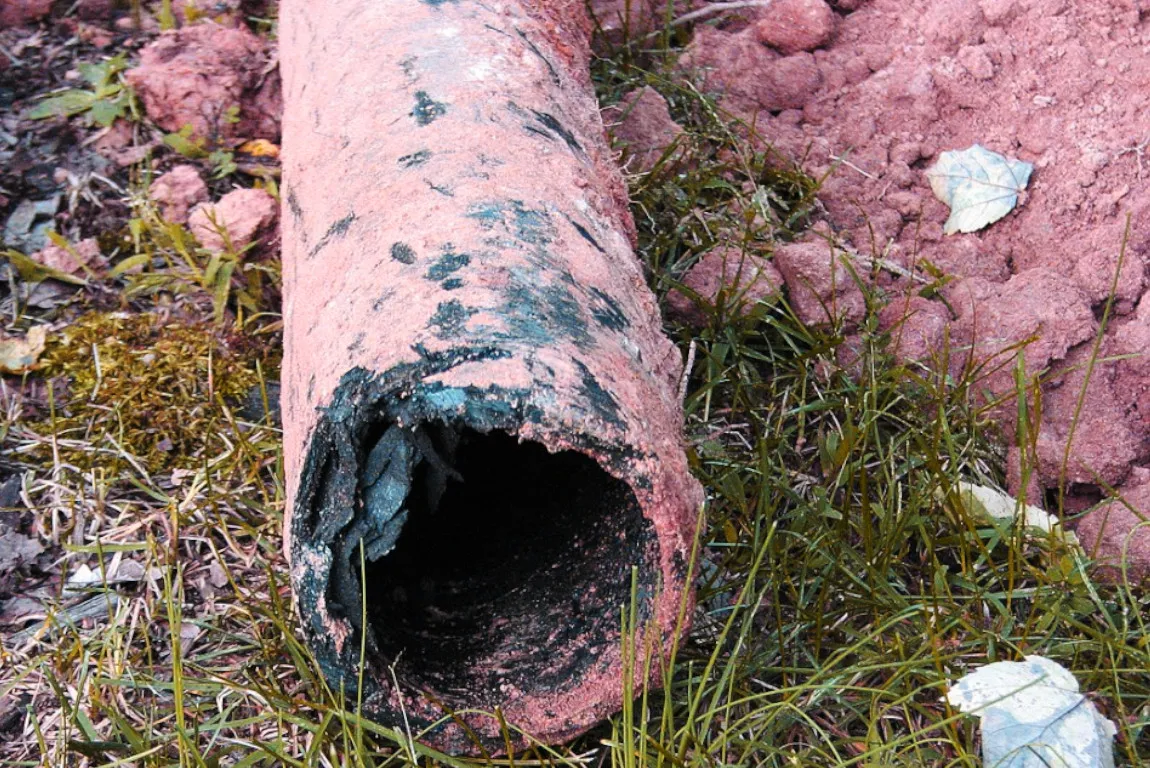
Orangeburg pipes are a type of plumbing pipe used mostly in older homes. They were common from the 1940s to the 1970s. These pipes are known for certain problems today. Knowing what they are helps in fixing clogs and leaks.
Material And Construction
Orangeburg pipes are made from wood pulp and tar. The wood fibers are pressed together tightly. Then, tar covers the outside to keep water out. These pipes are light and easy to install. They are not made of metal or plastic.
Common Uses In Plumbing
These pipes were mainly used for sewer and drainage systems. Builders liked them because they were cheap and easy to handle. You will find them under floors and in yards. Many older homes still have Orangeburg pipes in their plumbing.
Why They Fail
Orangeburg pipes tend to break or collapse over time. The wood pulp inside can soften when wet. Pressure from soil or heavy loads can crush them. They also develop cracks and leaks as they age. These problems cause frequent clogs and backups.
Signs Of Clogged Orangeburg Pipes
Clogged Orangeburg pipes cause many problems at home. These old pipes are made of wood fibers and tar. Over time, they break down and trap debris. Knowing the signs helps you act fast. Catching clogs early prevents bigger damage and costly repairs.
Slow Draining Fixtures
Water drains slowly from sinks, tubs, or showers. This happens because debris builds up inside the pipe. Slow drains mean the pipe is partially blocked. Watch for water pooling or taking longer to disappear.
Unpleasant Odors
Bad smells come from drains or near pipes. The clog traps waste, causing odors to rise. These smells often warn you that pipes need cleaning. Ignoring the odor makes the problem worse.
Frequent Backups
Water or sewage backs up into sinks or toilets. This shows a serious blockage in Orangeburg pipes. Backups happen more often as the pipes collapse or clog fully. Fixing backups quickly protects your home from damage.
Tools Needed To Unclog Pipes
Unclogging Orangeburg pipes requires specific tools and care. These pipes are made from compressed wood fibers and tar. They are fragile and prone to damage. Choosing the right tools helps avoid cracks and leaks. It also makes the process safer and easier. The tools listed here work best for Orangeburg pipes and help clear blockages without harm.
Plungers And Hand Augers
A plunger is the simplest tool to try first. It uses suction to push clogs through the pipe. Use a flange plunger for toilets and a cup plunger for sinks. Avoid hard plunging to prevent pipe damage.
Hand augers are flexible and designed for small pipes. They can reach blockages deeper than plungers. Turn the handle slowly to break up or pull out debris. Do not force the auger, as it may harm the pipe walls.
Chemical Cleaners To Avoid
Chemical drain cleaners are harsh on Orangeburg pipes. They can soften or erode the pipe material. Avoid using any strong acids or bases. These chemicals also cause leaks and pipe collapse over time. Stick to mechanical tools or natural remedies for safety.
When To Call A Professional
Some blockages need expert help. If plungers and augers fail, call a plumber. Professionals have special tools designed for Orangeburg pipes. They can inspect pipes without causing damage. Also, call if you notice leaks, cracks, or bad smells. Early help prevents costly repairs later.
Step-by-step Unclogging Process
Unclogging Orangeburg pipes can seem tough. The material is fragile and old. A careful approach helps avoid damage. Follow these clear steps to fix the clog safely.
Prepare The Work Area
Clear the space around the clogged pipe. Remove any items that block access. Lay down a tarp or old towels. Wear gloves and protective eyewear. Keep a bucket and rags nearby for spills.
Use A Hand Auger Properly
Insert the hand auger slowly into the pipe. Turn the handle clockwise with steady pressure. Push the auger deeper to reach the clog. Avoid forcing it too hard to prevent pipe breaks. Pull the auger out carefully to remove debris.
Flush Pipes With Water
After clearing the clog, pour water into the pipe. Use a garden hose or bucket for steady flow. Flush until water drains smoothly. This clears leftover residue and tests pipe flow. Repeat flushing if water still drains slowly.
Preventing Future Clogs
Preventing future clogs in Orangeburg pipes is key to avoiding costly repairs. These pipes are prone to damage and blockages over time. Taking simple steps can keep your plumbing flowing smoothly.
Regular Maintenance Tips
Check your pipes regularly for signs of slow drainage or leaks. Flush drains with hot water once a week to clear minor buildups. Use a drain snake to remove small clogs before they worsen. Schedule professional inspections every year to catch problems early.
Avoiding Harmful Substances
Do not pour grease, oils, or coffee grounds down the drain. Avoid flushing wipes, feminine products, or thick paper towels. These items can stick inside Orangeburg pipes and cause blockages. Use strainers in sinks to catch food scraps and hair.
Upgrading To Durable Pipes
Consider replacing Orangeburg pipes with modern materials like PVC or copper. New pipes resist corrosion and last much longer. Upgrading reduces the risk of frequent clogs and leaks. Consult a plumber to find the best option for your home.
Credit: www.callmother.com
:max_bytes(150000):strip_icc()/Sewer-pipe-types-1822511-v1-809aea8b85ce4ced87980dad6a012e35.png)
Credit: www.thespruce.com
Frequently Asked Questions
What Are Orangeburg Pipes Made Of?
Orangeburg pipes are made from compressed wood fibers and tar. They were common in homes built between 1865 and 1970. These materials make the pipes prone to damage over time.
Why Do Orangeburg Pipes Clog Easily?
These pipes can collapse or crack due to their soft materials. Dirt, grease, and roots can block the pipes quickly. Their design is less durable than modern pipes.
How Can I Tell If Orangeburg Pipes Are Clogged?
Slow draining sinks or toilets are common signs. You may notice foul odors near drains. Frequent backups or gurgling sounds also indicate clogs.
Can I Unclog Orangeburg Pipes Myself?
Simple clogs might be cleared with a plunger or drain snake. Avoid harsh chemicals, as they can damage the pipes. For severe clogs, professional help is safer.
What Tools Help Unclog Orangeburg Pipes Safely?
A hand auger or drain snake works best for these pipes. Avoid using power tools that can break them. Gentle, manual tools reduce the risk of damage.
When Should I Replace Orangeburg Pipes?
Replace pipes if they frequently clog or leak. Older pipes may collapse inside the ground. Consult a plumber to inspect and recommend replacement.
How To Prevent Orangeburg Pipe Clogs?
Avoid flushing grease, large debris, or non-flushable items. Regularly clean drains with safe, mild cleaners. Schedule periodic inspections to catch problems early.
Conclusion
Clearing Orangeburg pipes takes patience and the right tools. Regular maintenance helps avoid tough clogs. Use gentle methods to protect old pipes from damage. Watch for slow drains or bad smells as warning signs. When problems persist, call a professional plumber quickly.
Keep your plumbing working smoothly and avoid costly repairs. Taking care of Orangeburg pipes is easier than you think. Stay alert and act fast to keep water flowing well. Simple steps now save headaches later.