
Is your well water tasting off or flowing slower than usual? It might be time to clean your water lines.
When your water lines get clogged or dirty, it can affect the quality and safety of your water. But don’t worry—you don’t need to be a plumber to fix this. You’ll discover simple, effective steps to clean your well water lines and keep your water fresh and clear.
By the end, you’ll feel confident handling this important home task yourself. Ready to improve your water’s taste and flow? Let’s get started!
Signs Your Well Water Lines Need Cleaning
Water lines from a well can get dirty over time. Dirt, minerals, and other materials build up inside the pipes. This buildup can cause water problems. Knowing the signs helps you act before the issue gets worse. Clean water lines mean safer and better-tasting water for your home.
Common Water Quality Issues
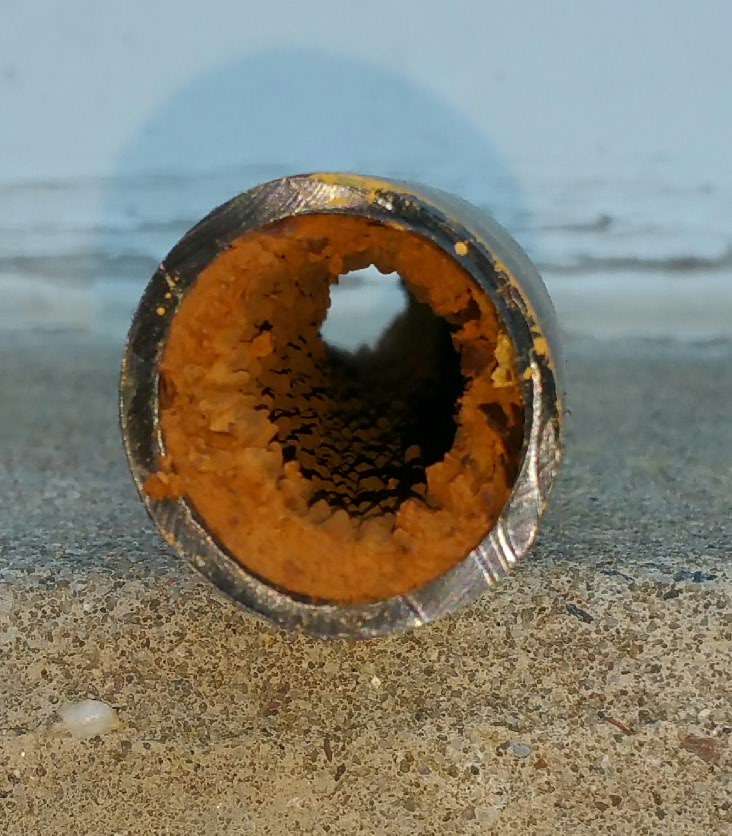
Cloudy water is a common sign of dirty lines. You might see a strange color, like brown or yellow. Bad smells and odd tastes also warn of problems. Water may have a metallic or rotten odor. These signs show minerals or bacteria in the pipes.
Detecting Sediment And Mineral Buildup
Look for small particles in your water. These may settle at the bottom of containers. Sediment makes water gritty or sandy. Mineral buildup can clog faucets and reduce water flow. You might notice a drop in water pressure. These signs show your lines need cleaning soon.
Tools And Materials Required
Cleaning water lines from a well needs the right tools and materials. Using proper supplies makes the job safer and easier. It also helps to clean the lines thoroughly, improving water quality. Prepare all items before starting to avoid interruptions.
Essential Cleaning Supplies
Gather these cleaning supplies for effective water line cleaning:
- Chlorine bleach or well water disinfectant
- Clean water hose with spray nozzle
- Bucket for mixing cleaning solution
- Pipe brush or flexible cleaning brush
- Wrenches or pliers for loosening fittings
- Replacement washers and seals
- Towels or rags for drying and cleanup
- Water testing kit to check water quality after cleaning
These supplies help remove buildup and kill bacteria inside pipes.
Safety Gear To Use
Protect yourself during the cleaning process. Use this safety gear:
- Rubber gloves to protect hands from chemicals
- Safety goggles to shield eyes from splashes
- Face mask to avoid inhaling fumes
- Protective clothing or apron to keep clothes clean
- Non-slip shoes for stable footing
Safety gear reduces risks and keeps you safe from harsh cleaners.
Preparing Your Well System
Preparing your well system is the first step to clean water lines effectively. This process helps avoid damage and ensures safety. Take time to follow each step carefully. Proper preparation saves time and prevents issues later.
Shutting Off Power And Water Supply
Turn off the power to the well pump at the main circuit breaker. This step prevents electrical shocks during cleaning. Next, close the main water supply valve. Stopping water flow protects your home and equipment from leaks or flooding.
Draining The Water Lines
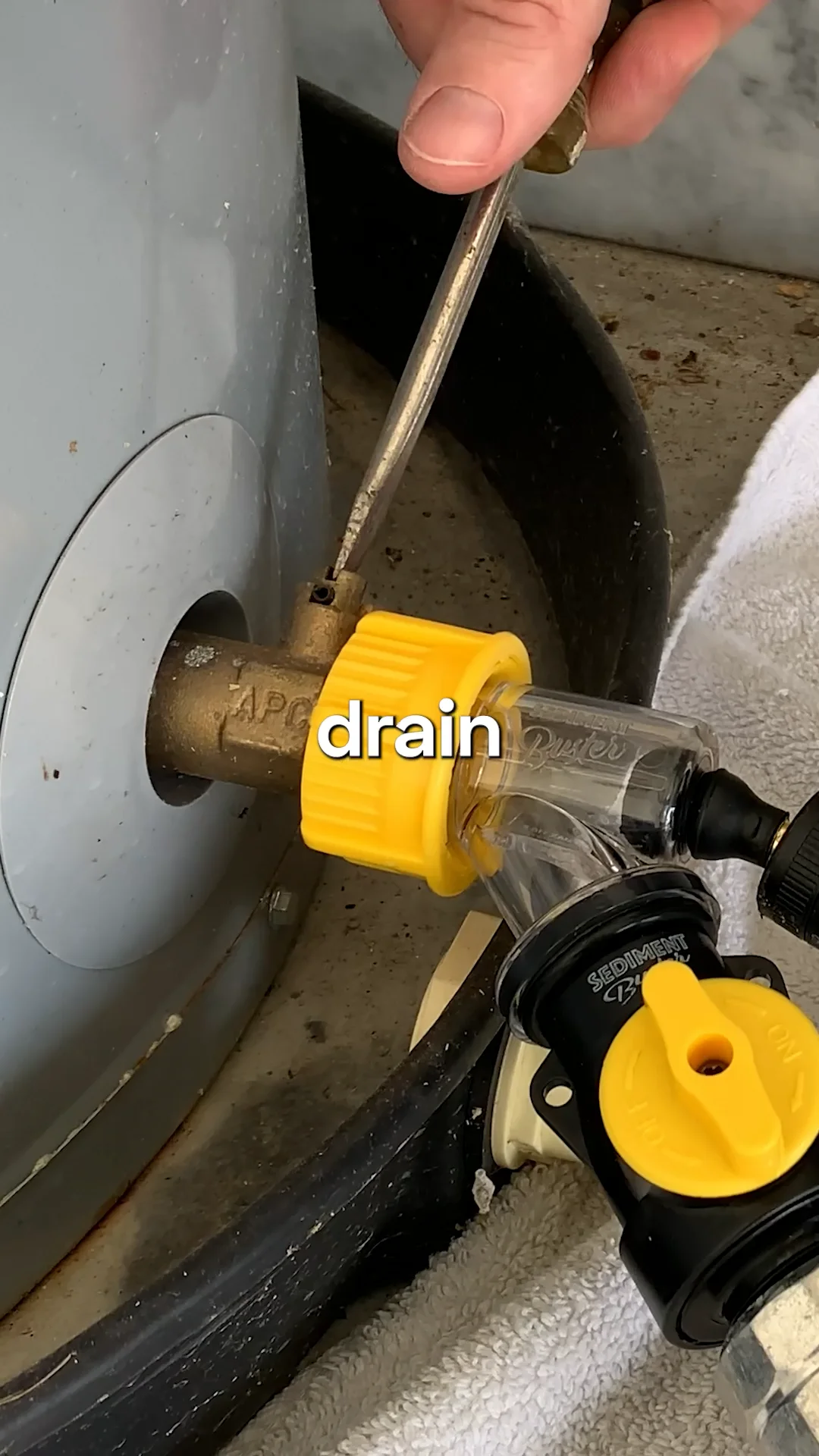
Open all faucets connected to the well system. Let the water run out completely. Draining the lines removes old water and debris. This clears space for fresh cleaning solutions. Make sure water stops flowing before starting the cleaning process.
Credit: terrylove.com
Step-by-step Cleaning Process
Cleaning water lines from a well is important for safe, clean water. This step-by-step process helps remove dirt, rust, and bacteria. Follow each step carefully to keep your water lines in good condition.
Flushing Out Sediment
Start by turning off the pump and opening all taps. Let the water flow until it runs clear. This flushes out sand, dirt, and other sediment. Sediment can clog pipes and reduce water quality. Flushing helps clear the lines before using any cleaning chemicals.
Using Cleaning Solutions Safely
Choose a safe cleaning solution made for well water systems. Follow the instructions on the label exactly. Wear gloves and eye protection for safety. Pour the solution into the well or water lines carefully. Let it sit for the time recommended by the manufacturer. This step kills bacteria and removes buildup inside the pipes.
Rinsing And Refilling The System
After cleaning, open all taps again. Flush the system with fresh water until the cleaning solution is gone. This may take several minutes. Check the water for any smell or taste from the cleaner. Once clear, close the taps and turn the pump back on. Your water lines are now clean and ready for use.
Maintaining Clean Water Lines
Maintaining clean water lines from your well is key for safe, fresh water. Regular care helps avoid blockages and contamination. It also extends the life of your water system. Simple habits keep your water clear and healthy.
Regular Inspection Tips
Check water lines often for leaks or cracks. Look for signs of rust or discoloration in water. Test the water for unusual smells or tastes. Keep an eye on water pressure changes. These signs point to possible problems early.
Inspect the well cap and seal to stop dirt or insects entering. Clean any debris around the well head. Schedule professional inspections yearly to catch hidden issues. Early action saves money and protects health.
Preventing Future Contamination
Keep chemicals and fertilizers away from the well area. Avoid drainage pooling near the water source. Use a well cover that fits tightly and seals well. Replace old pipes that may corrode or crack.
Flush water lines regularly to remove buildup or sediment. Install a water filter for extra protection. Educate family members on proper water use and care. Prevention reduces the need for costly cleaning or repairs.

Credit: www.youtube.com
When To Call A Professional
Cleaning water lines from a well can be a simple task at times. Yet, some problems need a professional’s help. Knowing when to call an expert can save you time, money, and stress. It also helps keep your water safe and clean.
Signs Of Serious Issues
Water that smells or tastes bad signals trouble. Cloudy or discolored water shows buildup in the lines. Low water pressure may mean a blockage or leak. Strange noises from pipes can point to damage. These signs often need more than just a basic clean. A professional can find the root cause and fix it properly.
Choosing The Right Expert
Pick someone with experience in well water systems. Check for proper licenses and insurance. Ask about their cleaning methods and tools. Look for reviews or ask for references. A good expert will explain the process clearly. They will also offer advice to keep your water lines clean longer.
Credit: www.insmonsat.com
Frequently Asked Questions
How Often Should I Clean Water Lines From A Well?
Cleaning water lines is recommended every 1 to 2 years. This keeps water fresh and prevents buildup. Regular cleaning helps avoid blockages and maintains water quality.
What Tools Do I Need To Clean Well Water Lines?
Basic tools include a water line sanitizer, brushes, and clean water. Some people use chlorine bleach for disinfection. Having gloves and safety glasses is also important.
Can I Clean Well Water Lines Myself Safely?
Yes, cleaning can be done safely with proper steps. Always follow instructions on cleaning products carefully. Wear protective gear to avoid contact with chemicals.
How Long Does It Take To Clean Well Water Lines?
Cleaning usually takes 1 to 3 hours depending on system size. Time includes flushing and disinfecting the lines. It may take longer if lines are very dirty.
What Chemicals Are Safe For Cleaning Well Water Lines?
Chlorine bleach is commonly used and safe in small amounts. Use only well water-approved sanitizers. Avoid harsh chemicals that can damage pipes or harm health.
How Do I Know If My Water Lines Need Cleaning?
Signs include bad taste, odor, or cloudy water. Slow water flow or discoloration also indicate buildup. Regular testing helps spot problems early.
Can Cleaning Water Lines Improve Water Quality?
Yes, cleaning removes bacteria, sediment, and buildup. This improves taste, smell, and safety of water. Clean lines help protect your health and plumbing.
Conclusion
Cleaning water lines from a well keeps your water safe and fresh. Regular cleaning stops buildup and prevents clogs. Use safe, simple methods to remove dirt and bacteria. Check your system often to catch problems early. Clean lines mean better water taste and fewer repairs.
Take small steps now for long-lasting water quality. Simple care makes a big difference. Keep your well water clear and healthy for your home.