
If you’re thinking about switching your cat to a covered litter box, you’re probably wondering how to make the change smooth and stress-free. Cats can be picky, and suddenly changing their litter box might lead to accidents or anxiety.
But don’t worry—this guide will show you simple, effective steps to help your cat feel comfortable and safe with their new covered litter box. By the end, you’ll have the tools to make this transition easy for both you and your furry friend.
Keep reading to discover how to avoid common mistakes and ensure your cat happily adapts to their new setup.
Benefits Of A Covered Litter Box
Covered litter boxes help reduce odors and keep litter inside. They also give cats more privacy, making them feel safe and comfortable. Transitioning your cat gently can make the change easier for both of you.
Switching to a covered litter box offers many advantages for both cats and owners. It creates a more private space for your cat, which helps them feel safe and secure. Cats often prefer privacy during their bathroom time.
Covered boxes also keep litter inside, reducing mess around the house. This means less cleaning for you and a tidier home environment. The cover helps control odors by trapping smells inside the box.
This makes the room smell fresher and more pleasant. Covered litter boxes can also reduce litter tracking outside the box. This keeps your floors cleaner and minimizes litter waste.
For multi-cat households, a covered box can provide a sense of personal space. It helps reduce stress and conflicts among cats sharing the same litter area. Overall, covered litter boxes improve hygiene and comfort.
They make managing your cat’s litter easier and more efficient every day.
Choosing The Right Covered Box
Choosing the right covered litter box is key for a smooth transition. A good box makes your cat feel safe and comfortable. It also helps keep your home cleaner and smells better. Picking the right one depends on several important factors.
Size And Accessibility
Choose a box big enough for your cat to turn around easily. Small cats need less space, but they still need room to move. For older or disabled cats, a low entrance helps them get inside. Make sure the lid is easy to lift or remove for cleaning. A box too small or hard to enter will scare your cat away.
Material And Design
Look for a litter box made of durable, non-toxic plastic. Smooth surfaces clean easily and do not trap smells. A simple design without sharp edges is safer for your cat. Some boxes have transparent lids to reduce fear. Choose a color that fits your home and hides litter mess well.
Odor Control Features
Good odor control keeps your home fresh and your cat happy. Some boxes include built-in carbon filters or air vents. A tight-fitting lid also helps trap smells inside. Look for boxes designed to reduce dust and keep litter dry. These features protect your family and encourage your cat to use the box.
Preparing Your Cat
Preparing your cat for a covered litter box is important. Cats can be sensitive to changes in their environment. A smooth change helps avoid stress and accidents. Take time to introduce the new box carefully. This helps your cat feel safe and comfortable.
Familiarizing With The New Box
Place the covered litter box near the old one. Let your cat explore it at their own pace. Do not close the lid at first. Allow your cat to sniff and enter freely. This creates a positive feeling about the new box.
Use treats or toys to encourage interest. Praise your cat when they approach the box. Avoid forcing your cat inside. Keep the old box available until the new one is accepted.
Placing The Box Strategically
Choose a quiet and private spot for the covered box. Avoid noisy or busy areas in your home. Make sure the location is easy for your cat to reach. Keep the box away from food and water bowls.
A consistent spot helps your cat find the box easily. Avoid moving it around during the transition. Proper placement reduces anxiety and encourages use. Watch your cat’s behavior to ensure comfort.

Credit: www.petsmart.com
Step-by-step Transition Process
Changing your cat’s litter box to a covered one needs patience and care. Cats can be picky about their bathroom habits. A smooth transition helps avoid accidents and stress. Follow these steps to make the change easy for your cat.
Introducing The Covered Box Gradually
Place the covered litter box near the old one. Let your cat see and smell it. Do this for a few days. Slowly move the covered box closer to the old box’s spot. This helps your cat get used to the new box’s location and look.
Encouraging Exploration
Open the covered box’s lid during the first days. Let your cat peek inside without pressure. Put some of the old litter inside the new box. This makes the new box smell familiar. Praise your cat when it shows interest. Play near the new box to create a positive feeling.
Maintaining Cleanliness
Keep both boxes clean during the transition. Scoop waste daily to avoid bad smells. Wash the boxes regularly with mild soap. Cleanliness encourages your cat to use the new box. After your cat uses the covered box confidently, remove the old box.
Handling Common Challenges
Transitioning your cat to a covered litter box can bring some challenges. Cats may react differently to the new setup. Understanding common problems helps you handle them calmly and effectively. Patience is key during this change. Below are tips on dealing with typical issues.
Dealing With Avoidance
Some cats may avoid the covered litter box at first. They might feel trapped or unsure about the enclosed space. Place the covered box near the old one to ease the change. Let your cat explore it without pressure. Keep the lid off for a few days if needed. Gradually add the cover once your cat feels safe. Reward your cat with treats for using the new box. This encourages positive feelings.
Managing Accidents
Accidents can happen during the transition. Do not punish your cat for mistakes. Clean up accidents quickly using an enzyme cleaner. This removes odors and prevents repeat marking. Increase the number of litter boxes in the house. Make sure each box is clean and inviting. Watch your cat’s behavior to find signs of discomfort. Adjust the box location or type if needed.
Addressing Anxiety
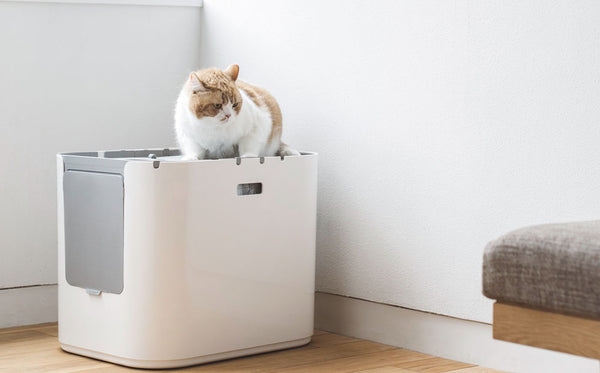
Covered litter boxes can cause anxiety in some cats. They may feel trapped or vulnerable inside. Create a quiet and private spot for the box. Avoid placing it near loud noises or busy areas. Use calming sprays or diffusers designed for cats. Spend time near the box to reassure your cat. Patience and gentle encouragement help reduce stress. Over time, your cat will feel more comfortable.
Credit: modkat.com
Tips For Long-term Success
Transitioning your cat to a covered litter box takes patience and care. Success depends on daily habits and watching your cat’s response. Keep the litter box clean and welcoming. Reward good behavior with praise. Watch for signs of stress or discomfort. These steps help your cat adjust smoothly and happily.
Regular Cleaning Routine
Clean the covered litter box every day. Scoop out waste to prevent smells and bacteria. Wash the box with mild soap once a week. A clean box invites your cat to use it. Avoid strong-smelling cleaners that may scare your cat. Consistency keeps your cat comfortable and healthy.
Positive Reinforcement
Praise your cat when it uses the new litter box. Give treats or gentle petting as rewards. Positive feelings help your cat accept change. Avoid punishment if accidents happen. Instead, encourage your cat calmly to use the box. This builds trust and good habits over time.
Monitoring Behavior Changes
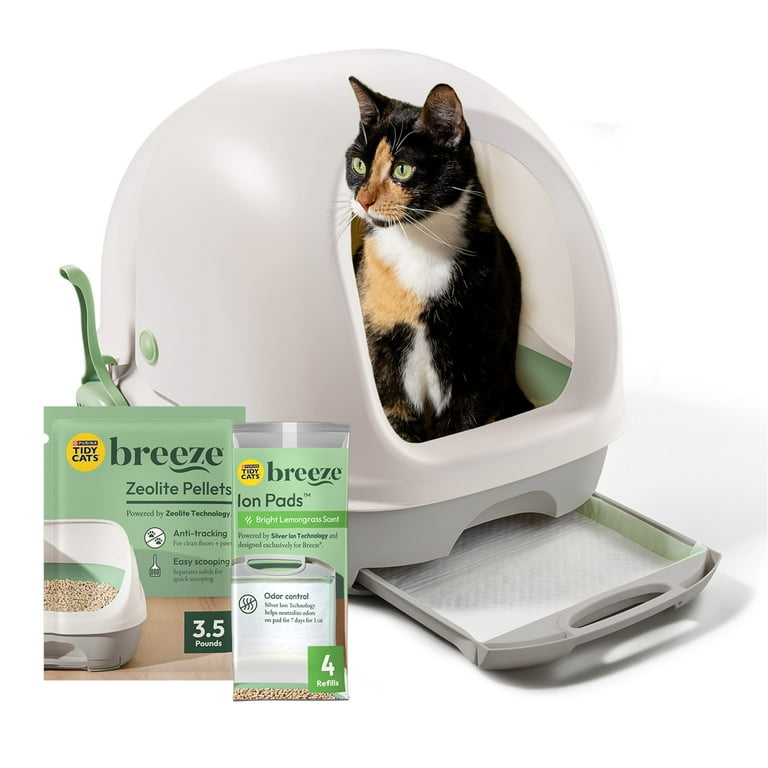
Watch your cat closely after the switch. Look for signs like avoiding the box or scratching outside it. Changes in eating or sleeping may signal stress. Early detection helps fix problems fast. Talk to a vet if you see unusual behavior. Keeping a close eye ensures your cat stays happy.
Credit: www.walmart.com
Frequently Asked Questions
How Do I Introduce My Cat To A Covered Litter Box?
Start by placing the covered box next to the old one. Let your cat explore it without pressure. Gradually move the covered box closer to the old spot.
How Long Does It Take For Cats To Adjust To Covered Boxes?
Most cats adjust within a week or two. Some may take longer if they feel trapped. Patience is key during the transition.
Should I Keep The Old Litter Box During The Switch?
Yes, keep both boxes available at first. This helps your cat feel safe and choose freely. Remove the old box after your cat uses the new one regularly.
What Type Of Litter Works Best In Covered Boxes?
Use the same litter your cat prefers. Avoid strong scents that might scare your cat. Keep the litter fresh and clean for comfort.
How Can I Prevent My Cat From Avoiding The Covered Box?
Keep the box clean by scooping daily. Make sure the covered box is well-ventilated. Place it in a quiet, low-traffic area.
Can Covered Litter Boxes Cause Odor Problems?
Covered boxes can trap odors if not cleaned often. Scoop waste daily and change litter regularly. Use a litter deodorizer if needed.
What If My Cat Refuses To Use The Covered Litter Box?
Try removing the cover for a while. Check for any stress or health issues. Consult a vet if problems persist.
Conclusion
Transitioning your cat to a covered litter box takes patience and care. Start slow and watch your cat’s reaction closely. Keep the box clean and in a quiet spot. Praise your cat for using the new box. Give time for your cat to adjust comfortably.
Small steps help avoid stress or accidents. Soon, your cat will feel safe and happy with the change. Stay calm and consistent throughout the process. This makes the move easier for both of you.