
Closing your pool for the season can feel overwhelming, especially when you think about draining all the water. But what if you didn’t have to drain it at all?
Imagine saving time, effort, and avoiding potential damage to your pool structure. In this guide, you’ll discover simple, effective steps to close your pool without draining the water. Keep reading, and you’ll learn how to protect your pool, save money, and enjoy a hassle-free winter.
Your pool will thank you for it!
Why Close Pool Without Draining
Closing a pool without draining the water saves effort and time. It protects the pool’s structure and makes reopening easier. Keeping water in the pool helps maintain balance and cleanliness. Many pool owners choose this method for these practical reasons.
Draining a pool fully can cause problems. The water supports the pool walls and floor. Without it, the pool can shift or crack. Closing the pool with water inside reduces these risks and keeps the pool safe.
Benefits Of Keeping Water Intact
Water inside the pool keeps pressure even on the walls. This prevents damage during cold months. It also stops dirt and debris from settling on the bottom. The water helps maintain chemical balance, reducing the need for extra treatment later. This method saves time and keeps the pool ready for use.
Risks Of Draining The Pool
Draining removes support for the pool’s structure. This can cause cracks or damage to the surface. Empty pools are vulnerable to shifting ground or heavy rain. Draining also exposes surfaces to stains and algae growth. Repairing these issues can be costly and time-consuming.
Essential Tools And Materials
Closing a pool without draining the water needs careful preparation. The right tools and materials keep your pool safe and clean during winter. Using quality supplies helps avoid damage and costly repairs.
These essential items make the process easier. They protect the water and pool surfaces. Keep your pool ready for use when warm weather returns.
Cleaning Supplies
Start with basic cleaning tools. A pool brush removes dirt and algae from walls. A leaf net or skimmer clears leaves and debris from the surface. Use a vacuum to clean the pool floor and corners. Clean water helps chemicals work better and protects pool parts.
Winterizing Chemicals
Winterizing chemicals keep water clear and safe during cold months. Use algaecide to stop algae growth. Add a winter shock treatment to kill bacteria and organic matter. Use a pool enzyme to break down oils and dirt. These chemicals keep water balanced and reduce maintenance.
Protective Covers
A strong pool cover protects water from dirt and weather damage. Choose a cover that fits your pool size well. Secure it tightly to stop leaves and debris from entering. Covers also prevent water evaporation and keep animals out. A quality cover saves time and keeps water clean.
Cleaning The Pool Thoroughly
Cleaning the pool thoroughly is essential before closing it without draining the water. A clean pool helps prevent algae growth and keeps the water clear. It also protects the pool surfaces and equipment during the off-season. Take time to remove debris, scrub surfaces, and vacuum the floor carefully.
Removing Debris
Start by removing leaves, twigs, and other debris from the water. Use a pool skimmer or net to scoop out floating materials. Clean the skimmer basket to maintain good water flow. This step prevents dirt from sinking and causing stains.
Brushing Pool Surfaces
Brush the walls, steps, and floor of the pool to loosen dirt and algae. Use a soft or medium brush depending on your pool’s surface. Brush all areas evenly to avoid buildup. This helps keep the surfaces smooth and clean.
Vacuuming The Pool Floor
Vacuum the pool floor to remove settled dirt and debris. Use a manual or automatic vacuum for better results. Move the vacuum slowly to pick up all particles. A clean floor prevents water cloudiness and protects pool filters.

Credit: www.youtube.com
Balancing Pool Chemistry
Balancing pool chemistry is a key step in closing your pool without draining the water. Proper balance keeps the water clean and protects your pool surfaces. It helps prevent algae growth and damage during winter months. Maintaining the right chemical levels ensures your pool stays healthy and ready for use next season.
Testing Water Levels
Start by testing your pool water. Use a reliable test kit to check pH, alkalinity, and chlorine levels. Test strips or liquid kits work well. Accurate readings help guide your chemical adjustments. Test water at different spots for best results.
Adjusting Ph And Alkalinity
Keep pH between 7.2 and 7.6 for balance. Low pH can cause corrosion. High pH leads to scaling and cloudiness. Adjust alkalinity to 80-120 ppm to stabilize pH. Use pH increaser or decreaser as needed. Add alkalinity increaser if levels are low.
Adding Winterizing Chemicals
Add winter chemicals to protect water quality. Use a winter algaecide to prevent algae growth. Add a pool shock to kill bacteria and organic matter. Include a stain and scale control product to protect surfaces. Follow product instructions for correct amounts.
Lowering Water Level Safely
Lowering the water level in your pool is important before closing it for the season. Doing this safely prevents damage to the pool structure and equipment. It also helps avoid ice formation that can cause cracks. Controlling the water level without draining the pool saves time and water. Follow simple steps to reduce the water level correctly.
Ideal Water Level For Closing
The best water level is below the pool skimmer and tile line. This prevents water from freezing inside the skimmer and pipes. Usually, lowering the water 4 to 6 inches below the skimmer works well. It protects pool parts from winter damage. Keep the water high enough to cover the pool floor and steps.
Methods To Reduce Water Level
Use a submersible pump to remove water safely and quickly. Place the pump at the pool bottom and direct the hose to a drain. Another way is to use the pool’s filter backwash feature. This method lowers water slowly but saves energy. Avoid draining water by dumping it on grass or soil. Always check local rules about water disposal.

Credit: www.youtube.com
Protecting Pool Equipment
Protecting your pool equipment during the off-season is very important. Proper care helps avoid costly repairs and extends the life of your pool system. Taking the right steps ensures your equipment stays in good condition without draining the pool water.
Draining And Storing Accessories
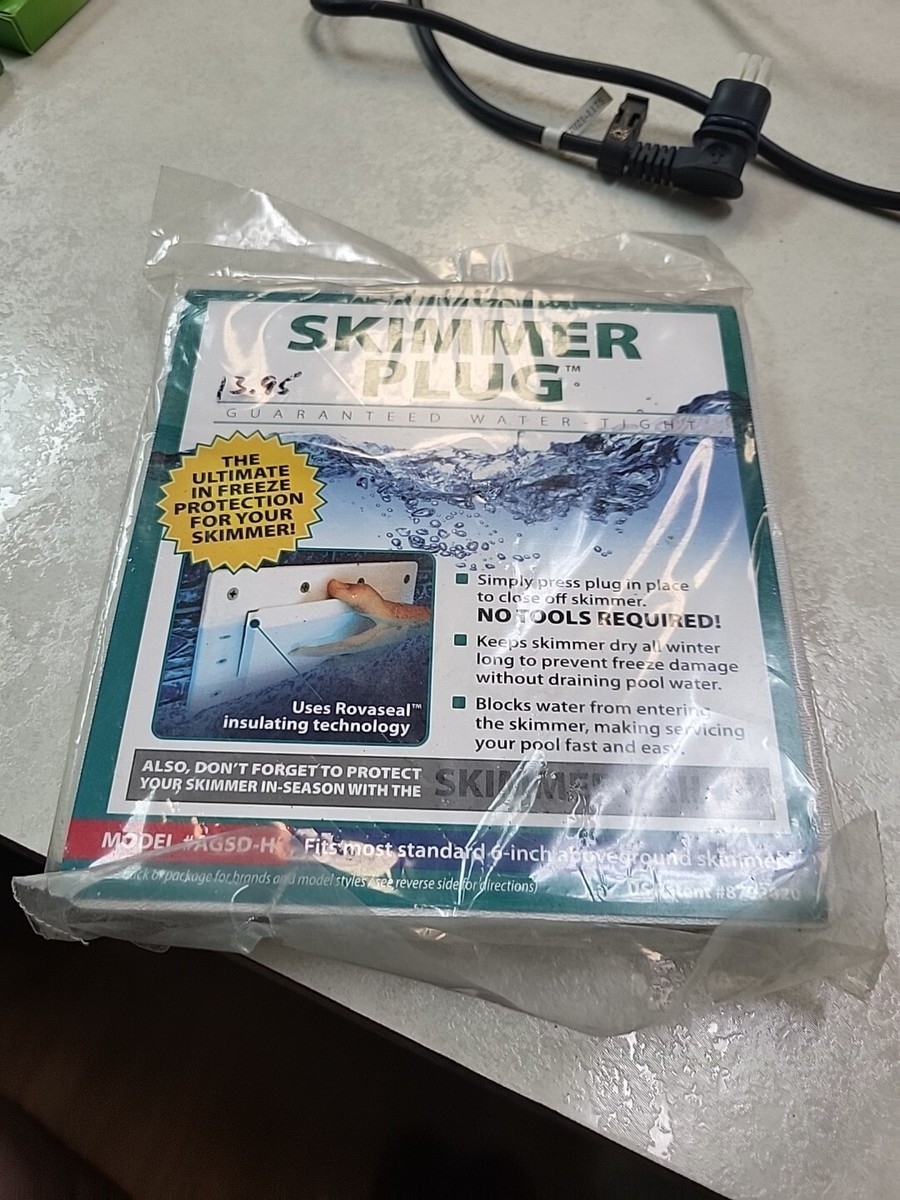
Remove all removable pool accessories like ladders, skimmers, and hoses. Drain any water trapped inside these items to prevent freezing damage. Store them in a dry, sheltered place away from cold winds. This simple step stops cracks and breaks caused by ice.
Winterizing Pumps And Filters
Turn off your pool pump and filter system before cold weather arrives. Drain all water from the pump, filter, and pipes to stop freezing inside. Use a shop vacuum or air blower to clear any remaining water. Cover the equipment with a protective tarp or cover to keep dirt and moisture out.
Installing Pool Cover
Installing a pool cover is an important step in closing your pool without draining the water. It keeps debris out and protects the water from dirt and leaves. A good cover also helps maintain water temperature and reduces evaporation.
Choosing the right pool cover and securing it properly ensures your pool stays clean and safe during the off-season. Let’s explore how to pick and install the best cover for your pool.
Choosing The Right Cover
Choose a cover that fits your pool’s shape and size perfectly. A tight fit prevents debris from entering the water. Look for materials that resist tearing and UV damage. Solid covers block sunlight, stopping algae growth. Mesh covers allow water to drain but keep leaves out.
Consider your budget and climate. Heavy-duty covers work well in areas with strong winds or heavy snow. Lightweight covers suit mild climates. Pick a cover that is easy to handle and store for convenience.
Securing The Cover Properly
Secure the cover tightly to prevent wind from lifting it. Use straps, clips, or anchors designed for your cover type. Check the edges to make sure they are sealed well. Weigh down the cover with water bags or sandbags if needed.
Inspect the cover regularly during winter. Remove any standing water or debris on top. Properly securing the cover protects your pool and extends the cover’s life. This step saves time and effort when reopening your pool.
Credit: www.ebay.com
Maintaining Pool During Winter
Maintaining your pool during winter keeps it safe and ready for use. Proper care prevents damage and saves money on repairs. Even without draining, the pool stays clean and protected. Regular checks and simple actions help keep water quality good.
Checking Water And Cover Periodically
Look at the water level and clarity often. Clear water means fewer problems in spring. Check the pool cover for holes or tears. A tight cover stops dirt and animals from entering. Fix any damage quickly to avoid bigger issues. Keep water balanced to protect pool surfaces and equipment.
Handling Snow And Debris
Remove heavy snow from the cover gently. Too much weight can damage the cover or pool edges. Use a soft broom or brush to clear snow. Avoid sharp tools that might cause tears. Clear leaves and branches regularly to prevent decay. Clean covers keep water clean and pool safe.
Frequently Asked Questions
How Do I Close My Pool Without Draining The Water?
Close the pool by balancing chemicals, cleaning, and using a pool cover to protect water quality.
Why Should I Keep Water In My Pool During Winter?
Keeping water helps protect pool walls and plumbing from damage caused by freezing temperatures.
What Chemicals Are Needed To Close A Pool Without Draining?
Use algaecide, chlorine, and a winterizing chemical kit to maintain water balance and prevent algae.
Can I Use A Pool Cover Without Lowering Water Level?
Yes, a properly fitted cover works well without lowering the water, keeping debris out.
How Long Does It Take To Close A Pool Without Draining?
It usually takes 2 to 4 hours to clean, balance chemicals, and cover the pool.
What Equipment Do I Need To Close A Pool Without Draining?
Gather a pool cover, water testing kit, chemicals, a leaf net, and a pool brush.
Conclusion
Closing your pool without draining water saves time and effort. Keep the water clean and balanced to avoid damage. Use a quality pool cover to protect from dirt and debris. Check the water regularly during winter months. Simple steps help your pool stay safe and ready for next season.
Taking care now means less work later. Enjoy a hassle-free pool opening next year.