
You can stop coughing by using honey, staying hydrated, and keeping the air around you moist to soothe irritated throat tissues. Addressing the underlying irritation is more effective than simply suppressing the reflex.
Your specific situation changes the best approach. Factors like the duration of your symptoms, whether you have a fever, and your age all shift the recommendation from home care to professional medical advice.
Easy ways to stop coughing

If you have a dry cough that keeps you awake, start by taking one teaspoon of honey before bed. Honey acts as a demulcent, coating the throat and reducing the irritation that triggers the cough reflex. If you’re an adult, you can take it straight or mixed into warm herbal tea; if you have an infant, never give them honey due to the risk of botulism.
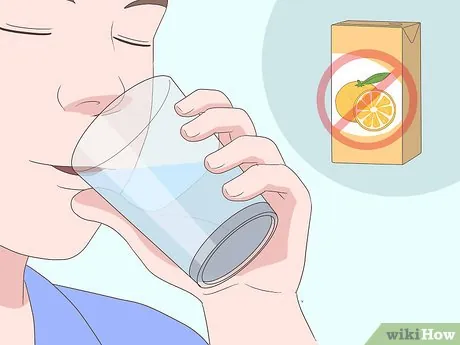
Hydration is your next priority. Drink at least 8 ounces of water every two hours to keep your mucus membranes moist and thin out any secretions. If the air in your room is dry, use a cool-mist humidifier to add moisture. This helps prevent the throat from drying out further, which often makes a cough feel worse. Always keep your humidifier clean to prevent mold growth, as breathing in contaminated mist can lead to respiratory issues.
Factors that change your recovery
The length of your cough is the most important factor in your recovery. If your cough lasts longer than three weeks, you must see a doctor to rule out chronic conditions like asthma or acid reflux. This is a common mistake; many people wait months, which can allow underlying issues to progress.
Your age is another key variable. Infants and the elderly are at higher risk for complications from respiratory infections. If you have a high fever, shortness of breath, or are coughing up blood, seek medical attention immediately. These aren’t signs of a simple cold and require a professional exam.
Your environment also plays a role. If you live in a place with high air pollution or are frequently exposed to cigarette smoke, your cough will persist regardless of your home remedies. Removing yourself from these irritants is often the only way to stop the cycle of inflammation.
Steps for managing your symptoms
- Drink 8 ounces of warm water or herbal tea every two hours to soothe the throat.
- Take one teaspoon of honey as needed, provided the person is past infancy.
- Use a cool-mist humidifier in your bedroom to keep the air humidity between 30% and 50%.
- Prop your head up with an extra pillow while sleeping to reduce mucus pooling.
- Avoid known triggers like cigarette smoke, strong perfumes, or cold, dry air.
- Use saline nasal drops if post-nasal drip is causing your coughing fits.
- Monitor your symptoms for any signs of chest pain or wheezing.
- Consult a healthcare provider if your cough doesn’t improve after 21 days.
The key judgment call is knowing when your cough is a sign of something more serious. If you find that you can’t speak in full sentences without coughing, or if you feel a tightness in your chest, stop home treatment and go to an urgent care clinic. According to the National Health Service cough advice, you should seek help if you have a persistent cough that doesn’t go away or if you have any difficulty breathing.
Cough relief methods at a glance
| Situation | Action to take | Effort required | Watch for |
|---|---|---|---|
| Dry, tickly cough | Use honey | Low | Fever or pain |
| Post-nasal drip | Saline spray | Low | Thick, yellow mucus |
| Dry bedroom air | Use humidifier | Medium | Mold in tank |
| Constant irritation | Avoid smoke | High | Chest tightness |
| Long-term cough | See doctor | High | Weight loss |
Honey coats the throat to create a physical barrier against irritants. This simple layer reduces the urge to clear your throat, which often triggers the cough reflex.
Saline sprays work by thinning out the mucus dripping into your throat. If you notice the discharge changing color, it may indicate that your body is fighting a secondary infection.
Humidifiers add moisture to the air to prevent your airways from drying out while you sleep. Always clean the water tank regularly to prevent bacterial growth.
Avoiding smoke is essential because particulate matter inflames the bronchial tubes. Even second-hand exposure can keep your cough active for days longer than necessary.
A long-term cough that persists for weeks requires professional evaluation. Doctors look for underlying conditions like asthma or acid reflux that standard home remedies can’t resolve. If you experience unexplained weight loss or night sweats, prioritize a medical visit immediately. These signs often point to systemic issues that demand specific clinical intervention beyond basic symptom management.
Differences between mild and severe results

Preparing for recovery
Experienced people focus on environmental control before the cough becomes severe. They check the humidity levels in their home and ensure they’re drinking enough water throughout the day, rather than waiting until their throat is already raw. Beginners often ignore the air quality and only reach for medicine when they’re already exhausted from lack of sleep.
Working through the symptoms
The order of operations matters for comfort. You should always address the hydration and air quality first, as these provide a foundation for healing. Experienced individuals also know to leave their cough alone during the day if it’s productive, as coughing is the body’s way of clearing the lungs. They only use suppressants at night to ensure they get the sleep required for their immune system to function.
Common cough issues and quick fixes
| What you notice | What it usually means | What to do first | How to stop it |
|---|---|---|---|
| Scratchy throat | Dry air | Use humidifier | Hydrate often |
| Phlegm buildup | Lung irritation | Drink water | Avoid smoke |
| Nighttime coughing | Post-nasal drip | Use extra pillow | Treat allergies |
| Wheezing sound | Airway narrowing | See doctor | Follow medical plan |
| Fever with cough | Potential infection | Monitor temp | Get rest |
A scratchy throat often signals that the mucous membranes in your airway are dehydrated. Running a humidifier keeps the ambient air moisture high enough to prevent these tissues from cracking and triggering a reflex.
Phlegm buildup occurs when your lungs produce excess mucus to trap irritants. Drinking water thins this secretion, making it easier to expel without straining your chest muscles.
Nighttime coughing frequently stems from gravity pulling nasal drainage into your throat while you lie flat. Elevating your head allows gravity to work in your favor, keeping the throat clear.
Wheezing indicates that your bronchial tubes have tightened, restricting airflow. This requires a professional medical plan to manage inflammation safely. Never attempt to treat persistent wheezing with over-the-counter suppressants alone, as they may mask underlying obstruction.
Finally, a fever accompanying a cough suggests your immune system is actively fighting a pathogen. Rest is essential here, as physical exertion diverts energy away from the recovery process. If your temperature rises significantly, you must prioritize sleep to allow your body to stabilize its internal response.
Guidelines for safe symptom management
Before starting any treatment, check the labels on over-the-counter cough syrups to ensure they don’t conflict with other medications you take. If you’re taking blood pressure medication or are pregnant, consult your pharmacist before using any active cough suppressants. These products can sometimes interact with your current prescriptions or health status.
If your cough is caused by a known allergy, the most effective rule is to avoid the allergen entirely. You can confirm your triggers by keeping a log of when your cough is worst and where you’re at those times. If you’re ever unsure about a symptom, call your primary care provider’s office for guidance. Never ignore chest pain or difficulty breathing, as these require immediate medical intervention from a licensed professional.
The true cost of cough relief
Money changes hands if you choose to buy over-the-counter suppressants or humidifiers. A basic cool-mist humidifier is generally inexpensive compared to other medical interventions. Cough syrups or lozenges are also relatively low-cost options. These prices change based on the brand and the active ingredients included.
Consider that these expenses are often recurring. If your symptoms persist beyond a few days, a single purchase may not suffice, leading to a cycle of repeated spending at the pharmacy. Tracking these costs helps you decide if a product is actually providing enough relief to justify the ongoing financial drain.
If you’re trying to avoid these costs, focus on time and effort instead. Staying hydrated costs nothing but requires you to carry a water bottle throughout the day. Using honey is an inexpensive, natural alternative that’s effective for many.
The real cost is the time you spend resting. If you try to work through a severe cough, you’ll likely extend the duration of your illness and increase your recovery time. This lost productivity often far exceeds the price of any medicine you might have purchased.
Keeping your respiratory health on track
Once your cough stops, keep your living space clean to prevent it from returning. Dust your bedroom weekly and wash your bedding in hot water to remove allergens that might trigger a new cough. If you used a humidifier during your recovery, scrub the tank with vinegar and water to kill any bacteria.
If you feel a tickle in your throat again, start drinking extra water immediately. This small change often stops a minor irritation from becoming a full-blown cough. Hydration thins the mucus that naturally collects in the throat, preventing the sensation that forces you to clear your airway.
If you notice the cough returning with the same intensity as before, it’s time to check your environment for new triggers, such as seasonal pollen or changes in your workplace air quality. Consider if a specific room or activity consistently precedes the irritation. Identifying these patterns early allows you to adjust your ventilation or schedule before the respiratory system becomes inflamed again.
When home care isn’t enough
If your goal is to cure a chronic underlying condition like asthma or GERD, home remedies won’t work. In these cases, you need a formal diagnosis and a prescription treatment plan from a doctor. Relying on lozenges or steam when the root cause is structural or inflammatory often masks the progression of the disease.
If you’re coughing up large amounts of blood, don’t attempt to manage this at home; go to an emergency department. This symptom can indicate a pulmonary embolism or severe infection that requires immediate imaging.
Finally, if you have a weakened immune system, you should call your doctor at the very first sign of a cough rather than waiting for it to resolve on its own. Your body may lack the necessary resources to fight off secondary infections like pneumonia before they become systemic.
By acting early, you allow your medical team to intervene with targeted antibiotics or antivirals. This proactive approach prevents a simple respiratory irritation from escalating into a life-threatening complication that requires hospital admission.
Related guides
Frequently asked questions
Can I stop coughing immediately?
You can’t stop a cough immediately because it’s a physical reflex meant to clear your airway. You can reduce the frequency by soothing your throat with honey or warm liquids, but the reflex will continue until the underlying irritation is resolved.
How long does a normal cough last?
A typical cough associated with a common cold usually resolves within two to three weeks. If your cough persists beyond this window, it’s considered chronic and requires an evaluation by a medical professional to determine the root cause.
Is it safe to suppress a cough?
It’s generally not safe to suppress a productive cough, as you need to clear mucus from your lungs. Only use cough suppressants at night if the cough is dry and preventing you from sleeping, as sleep is vital for your immune system.
What happens if I ignore a cough?
If you ignore a cough that’s caused by a serious infection or asthma, you risk developing complications like pneumonia or permanent airway inflammation. A persistent cough is a signal from your body that something is wrong and needs attention.
Does drinking water really stop a cough?
Drinking water helps thin the mucus in your throat, which reduces the need to cough to clear it. While it doesn’t stop the reflex directly, it makes the act of coughing less frequent and less painful by keeping tissues hydrated.
How often should I use a humidifier?
You should use a humidifier whenever the indoor humidity drops below 30%, which is common during winter months. Keep the humidity between 30% and 50% to prevent the throat from drying out while also avoiding the growth of household mold.
Conclusion
Start by drinking a glass of warm water or tea to soothe your throat. You should expect the irritation to decrease within 20 minutes if the cause is dry air or mild inflammation. If you experience chest pain, stop immediately and seek professional medical help.
