
A man door is a standard-sized, single-swing entrance typically installed on the side of a garage or shed for pedestrian access. These doors usually measure 32 or 36 inches in width and stand 80 inches tall. They provide a quick way to enter your space without opening the large main garage door. This guide explains how to select, install, and maintain these entryways for long-term reliability.
Understanding the Man Door
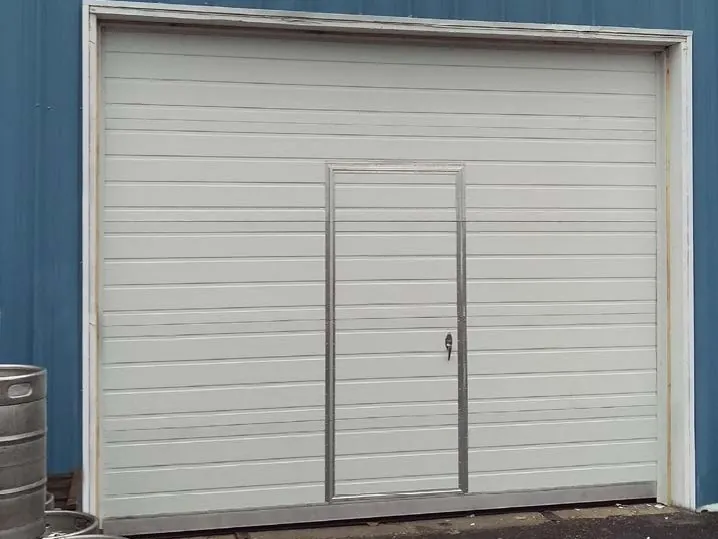
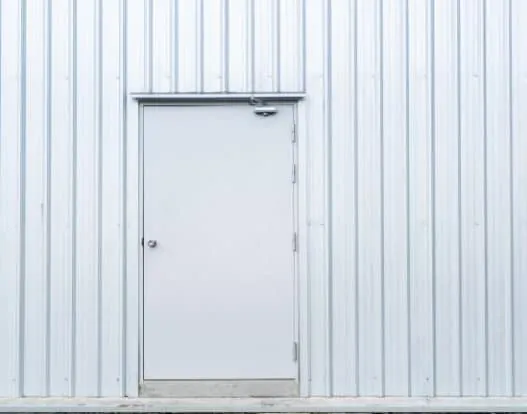
A pedestrian entry door, often called a service door, serves as a dedicated entrance for people. Unlike overhead garage doors, these units function like the front door of your house. They’re designed for high-frequency use, offering better insulation and security than a large, rolling door.
Most people mistakenly believe that any exterior door works for a garage, but you should choose a unit specifically rated for the climate and safety needs of your space. These doors often come pre-hung in a frame, which simplifies the installation process.
The primary mechanism involves a standard lockset and a latching strike plate, which must align perfectly to ensure the door seals properly against the weather. If you live in a region with high winds, verify the door’s wind-load rating to ensure it meets local building codes. You can check these requirements through the International Code Council to see which wind-load standards apply to your specific area.
Installing Your Service Door
- Measure your rough opening. It should be about 1 inch wider and 1 inch taller than the door’s frame size.
- Check that the floor is level. If the floor slants, you must shim the bottom of the frame to keep the door square.
- Apply a bead of silicone caulk along the bottom of the threshold before setting the frame in place.
- Place the door into the opening and use wood shims to hold it in position while you check for plumb and level.
- Screw the frame into the wall studs through the pre-drilled holes, starting at the top hinge side.
- Test the swing. The door should stay open at any angle without swinging shut or open on its own.
- Fill the gap between the frame and the wall with low-expansion spray foam to block drafts.
The most critical decision is how you shim the frame; if the hinge side isn’t perfectly plumb, the door will bind or fail to latch. If you lack experience with structural framing, consult a professional carpenter to avoid compromising the wall’s integrity.
Key Door Specifications
| Situation | Door Width | Frame Material | Best Use |
|---|---|---|---|
| Standard Garage | 32 inches | Steel | Daily entry |
| Wide Access | 36 inches | Steel | Moving equipment |
| Fire-Rated Wall | 32 inches | Steel | Attached garages |
| Garden Shed | 30 inches | Fiberglass | Light duty |
Always check the rough opening size before buying. If your opening is non-standard, you’ll need a custom-sized door, which costs more and takes longer to arrive.
Measure the width at the top, middle, and bottom of the frame. Use the smallest of these three numbers to ensure the door clears the opening without binding. If your measurement falls between standard sizes, always round down to the nearest half-inch to allow for shim adjustment.
Most homeowners make the mistake of measuring the existing door slab rather than the rough opening. This error leads to gaps that compromise insulation or prevent the door from latching securely. If your wall is thicker than 4.5 inches, you’ll need to install jamb extensions to ensure the door casing sits flush against the interior wall.
If you live in a region with high humidity, choose fiberglass over steel to prevent premature rust at the threshold. Steel remains the superior choice for fire-rated walls, provided the door carries a certified fire rating label appropriate for your local building code. Never install a hollow-core door in an exterior wall, as it offers zero thermal resistance or security.
Achieving Professional Results
Preparation is the secret to a smooth operation. Experienced installers always dry-fit the frame before applying any sealant. They check the diagonal measurements of the frame to ensure it’s a perfect rectangle; if the diagonals are off by more than 1/8 of an inch, the door won’t latch smoothly later.
Partway through the install, check the reveal. This is the small, even gap between the door slab and the frame on the top and sides. A consistent reveal means the door is aligned correctly. If the gap is wider at the top than the bottom, your frame is out of plumb.
Most novices make the mistake of tightening all fasteners immediately, which locks in minor errors. Instead, drive your screws only three-quarters of the way in until the door swings freely. If the door drifts open or shut on its own, your hinges aren’t plumb.
Adjust the shims behind the hinge jamb until the door stays exactly where you leave it. Only then should you drive the screws home. Leave the factory-applied protective film on the door until the very end to prevent scratches during the heavy lifting and drilling phases.
Troubleshooting Common Issues
| What you notice | What it usually means | What to do first |
|---|---|---|
| Door binds at the top | Frame is sagging | Tighten hinge screws |
| Drafts at the bottom | Threshold is low | Adjust the threshold screw |
| Door won’t latch | Strike plate is misaligned | Move the strike plate slightly |
| Handle feels loose | Internal springs worn | Tighten the set screw |
If the door binds at the top, check the top hinge first. If the screws pull out without resistance, the wood is stripped. Replace one screw with a three-inch version to bite into the wall stud behind the frame.
Drafts usually occur because the door bottom seal has compressed over time. If adjusting the threshold screw doesn’t close the gap, install a new sweep. A simple rule applies here: if you can see daylight under the door, the threshold needs a riser, not just a screw adjustment.
If the door still sticks after these fixes, check for foundation settling. Use a four-foot level against the hinge side of the frame. If the bubble is off-center, the house has shifted. You must then re-hang the entire frame to square it with the wall. Don’t force the door shut, as this will eventually crack the drywall near the corners.
Regulatory Requirements and Safety
Local building codes often mandate that doors leading from a garage into a living space must be fire-rated. According to the National Fire Protection Association, these doors must be self-closing and self-latching to prevent fire and smoke from spreading into your home. If your garage is attached, check your local building department for the specific fire-resistance rating required for your area.
Look for a permanent metal tag fixed to the door frame or the door edge itself. This tag confirms the assembly meets the fire rating required by your local building code. If you can’t find this certification, your local inspector will likely require a full replacement to grant an occupancy permit.
Never install a hollow-core interior door on an exterior wall. These lack the weather-stripping and structural strength to withstand outdoor elements and potential intruders.
If the door fails to latch completely, ensure the strike plate is properly aligned and the door isn’t binding in the frame. A door that stays slightly ajar during a garage fire loses its protective rating entirely. This simple mechanical failure turns a safety barrier into a chimney for smoke.
Long-Term Maintenance Tips
To keep your door working smoothly, inspect the weather-stripping based on your usage and consult the owner’s manual for guidance. If the rubber seal shows cracks, replace it immediately to prevent water from rotting your door frame. Lubricate the hinges as needed according to the manufacturer’s recommendations to prevent squeaking and metal fatigue. Avoid using heavy grease or WD-40, as these attract grit that grinds down the hinge pins over time.
If you notice the door is getting harder to open in the winter, the wood framing might be absorbing moisture and swelling. Check the paint or finish on the door edges. If the seal is broken, sand the area and apply a fresh coat of exterior-grade paint or sealant.
When the door sticks only at the top, tighten the hinge screws first. If the door drags along the bottom, the frame has likely shifted. A well-maintained door should provide a long service life, provided the threshold remains protected from standing water. If the threshold stays damp for more than an hour after rain, install a drip cap to divert water away.
Choosing Alternative Entrances
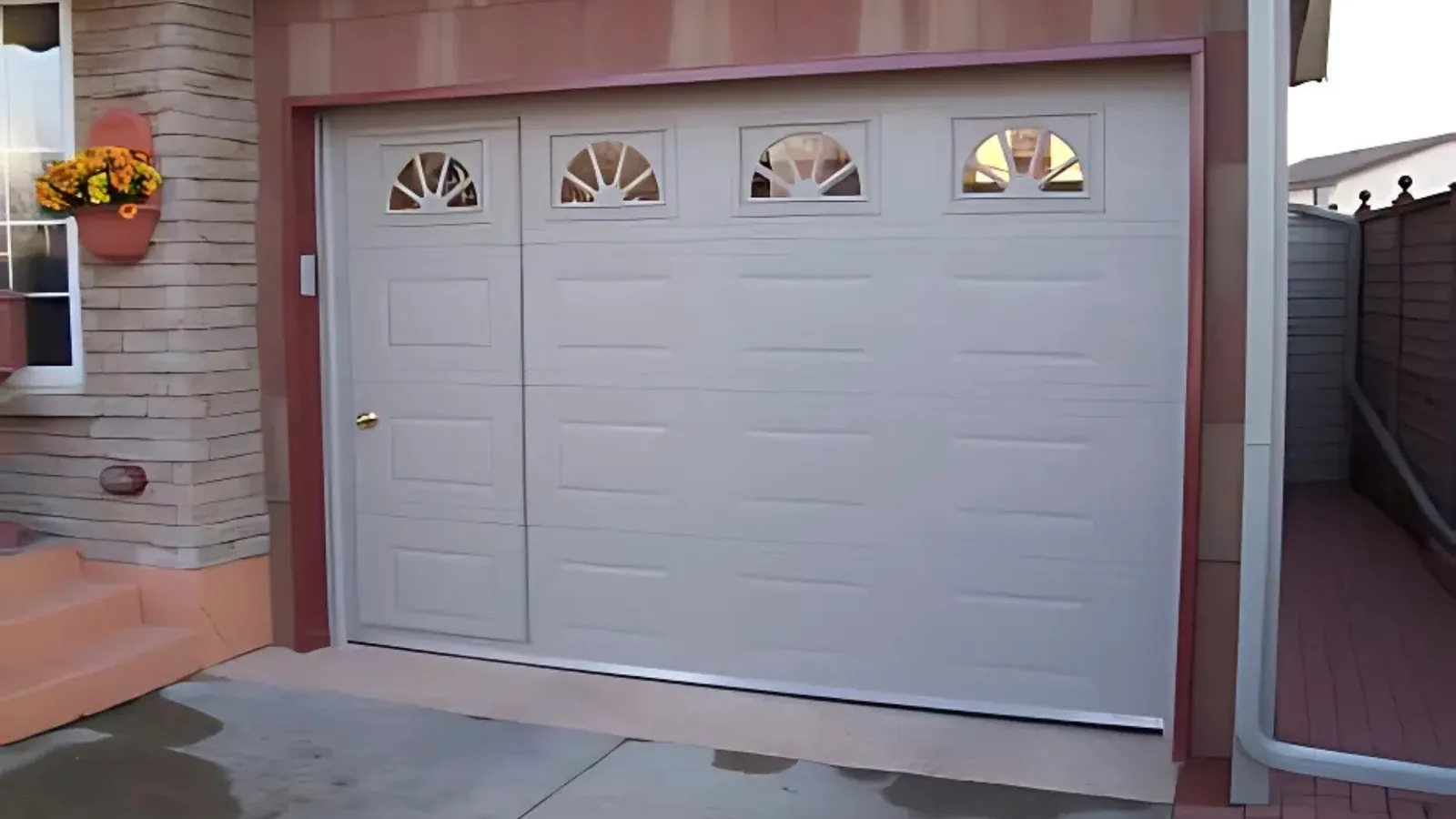
Sometimes a standard man door isn’t the right choice for your building. If you need to move large lawn mowers or ATVs into your garage, a double-door configuration or a wider 42-inch door is more practical.
If your wall space is limited, consider a sliding door, though these provide less security and are harder to seal against wind and pests. For buildings that require maximum security, such as detached workshops, opt for a solid-core steel door with a deadbolt rather than a standard entry unit.
Related guides
- Garage Door Cable Came Off Drum: How to Fix It Safely
- Hyundai Tucson Door Lock Button Not Working: Easy Fixes
- Chamberlain Garage Door Opener Troubleshooting: Easy Fixes
Frequently Asked Questions
Can I install this door by myself?
Yes, you can install the door if you’re comfortable using a level, a drill, and basic hand tools. You’ll need a helper to hold the door steady while you shim and screw the frame into the studs. If the wall isn’t square, the job becomes much more difficult.
How do I stop the door from rusting?
You can stop rust by keeping the door clean and ensuring the factory finish remains intact. If you see a scratch, touch it up with exterior-grade paint immediately to prevent moisture from reaching the steel. Avoid using harsh chemical cleaners that can strip the protective finish.
Why is my door hard to close?
Your door is likely hard to close because the frame has shifted or the hinges are loose. Check the screws on the hinges first, as they often loosen over time. If they’re tight, check if the frame has moved by using a level against the hinge side of the door.
How long does a steel door last?
A steel door can last for a significant period if it’s kept painted and the weather-stripping is replaced when worn. The main factor is exposure to direct sunlight and moisture, which can break down the finish. Check the paint periodically to ensure it still protects the metal.
Is it safe to use a wood door?
No, it’s generally not recommended to use a wood door on a garage because wood warps easily when exposed to changing temperatures. Steel or fiberglass doors are much more stable and provide better security for your garage. Use these materials to ensure the door stays sealed and safe.
Conclusion
Choosing the right entry point makes your daily routine much smoother. Once you’ve picked a sturdy model that matches your home’s style, you’ll appreciate the added convenience every time you head outside. Don’t wait until winter to get started; grab your tape measure today and see which size fits your space best.
