
It’s generally not safe to store gas can in garage unless you follow strict fire safety rules to prevent dangerous vapor buildup. Gasoline releases flammable fumes that can easily ignite if they reach a spark or heat source like a water heater or power tool. If you keep fuel in a confined space without enough airflow, you risk a fire or an explosion that can damage your home.
Where to store cans in your garage
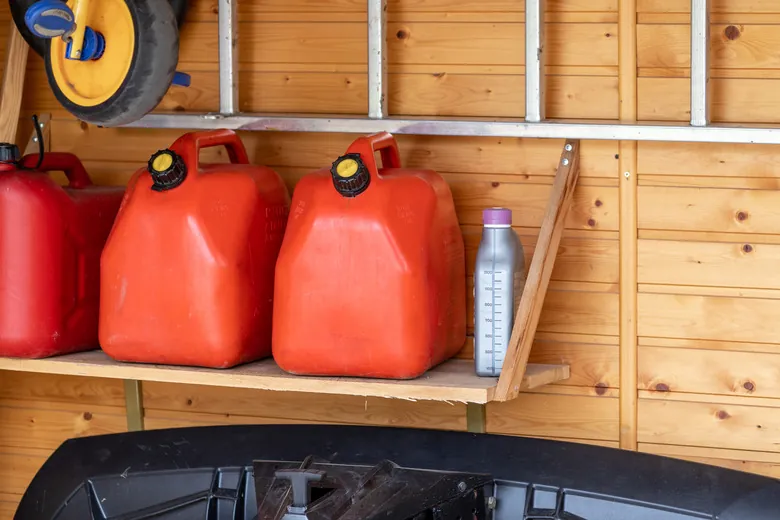
You must decide where to keep your fuel based on the ventilation and the presence of ignition sources. Always check your local fire codes, as some areas have stricter laws regarding the amount of fuel allowed in residential buildings.
| Situation | Safe? | Why |
|---|---|---|
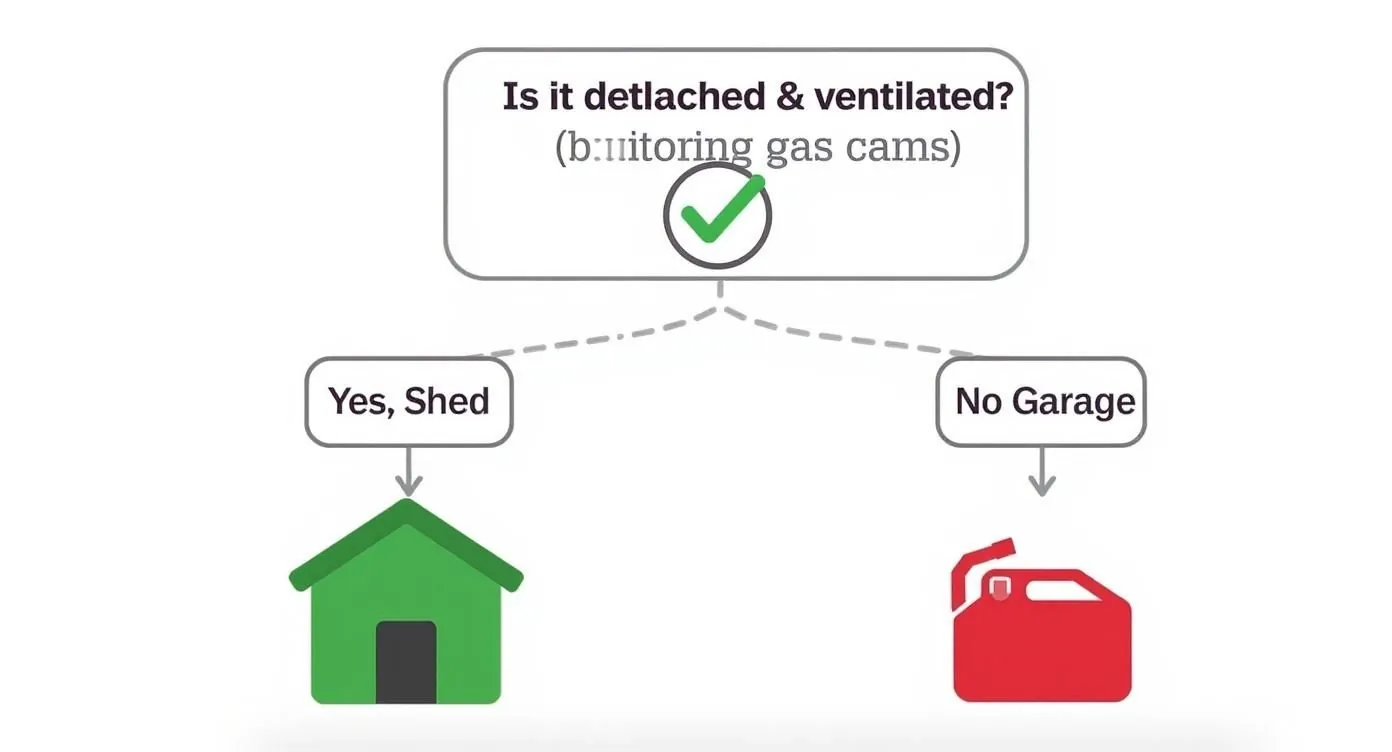
| Detached garage with vents | Yes | Airflow moves vapors away |
| Attached garage with heater | No | Ignition sources trigger fumes |
| Inside the main house | No | Fumes are toxic and flammable |
| Shed away from home | Yes | Distance limits fire damage |
| Near a clothes dryer | No | Pilot lights ignite vapors |
| Garage with concrete floor | With care | Spills stay contained on concrete |
Store containers at least 20 feet away from any pilot light, furnace, or electrical motor. Many homeowners mistakenly keep gas cans near water heaters, assuming the tank protects the fuel. In reality, the heavy vapors settle near the floor and travel toward the burner, creating a direct path for a flash fire.
If your garage floor is sloped, place fuel containers at the highest point. This prevents a slow leak from migrating toward the door or a drainage point where it might pool. Use a secondary containment tray made of metal or high-density polyethylene to catch drips.
Never store more than five gallons in a residential garage unless you have an approved, fire-rated storage cabinet. If you smell gasoline, don’t turn on any light switches or operate power tools. The tiny spark from a switch can ignite accumulated vapors instantly. Move the container outdoors immediately and leave the garage door open until the scent dissipates entirely.
The actual risk of gasoline storage
The primary danger of keeping gasoline in a garage is the accumulation of flammable vapors. Gasoline is a volatile liquid that evaporates at room temperature, and these vapors are heavier than air. They tend to sink and collect near the floor, where they can travel across a room to reach a pilot light or an electrical spark. Once the vapor cloud reaches an ignition source, it can flash back to the container and cause a fire.
Fuel containers must be stored in well-ventilated areas away from any ignition sources. This includes common garage items like water heaters, furnaces, and even light switches that might spark when flipped. If your garage is attached to your living space, the risk increases because vapors can seep through gaps in walls or under doors into your home.
A common mistake is assuming that a closed garage door provides safety. In reality, a sealed garage traps these heavy vapors, allowing them to reach a dangerous concentration in as little as four hours. If you smell a faint, sweet chemical odor when you enter the space, the concentration is already high enough to ignite.
The likelihood of an accident depends heavily on how well your garage is ventilated and how much fuel you keep on hand. If you have a leaky container or a cap that doesn’t seal properly, the risk of a dangerous concentration of fumes becomes high within a matter of hours.
You should never store more than the amount needed for your immediate equipment needs, such as a lawnmower or snowblower. If you must store fuel, limit your supply to five gallons or less. If your storage area lacks a dedicated floor-level vent, you’re essentially creating a fuel-air bomb. In such cases, move your containers to a detached shed or a secure, ventilated outdoor locker immediately. Never keep large quantities of backup fuel in a standard residential garage.
When to stop using a container
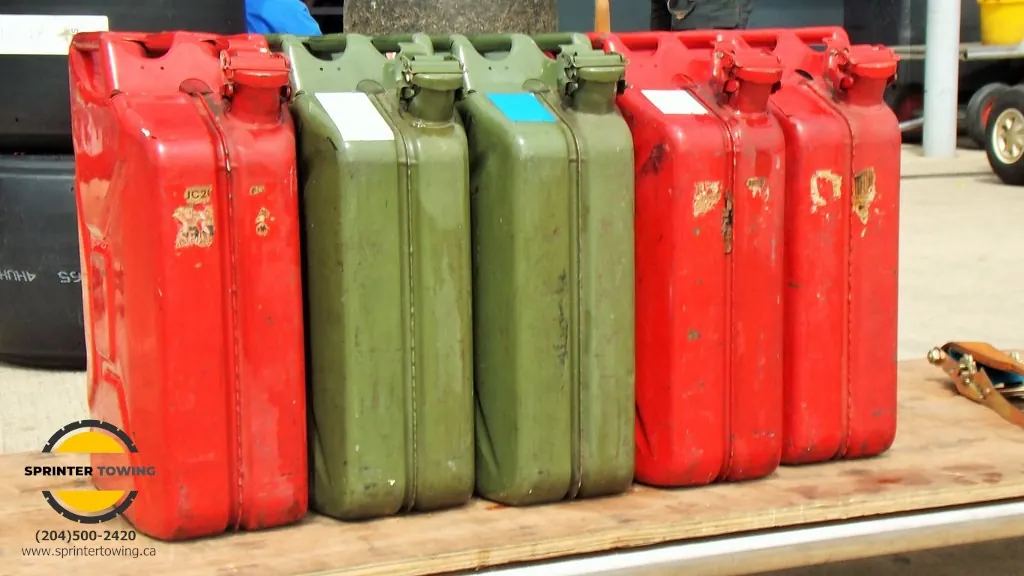
You must take immediate action if you notice any of these signs of failure or misuse. If you see these, move the container to a safe, outdoor location and contact your local waste disposal service for help.
Cracks or splits in the plastic body mean the container has lost its structural integrity and will leak. If you can catch a fingernail in a hairline fracture, the plastic is already brittle enough to fail under the weight of a full load.
A cap that doesn’t thread or seal allows vapors to escape, filling the room with flammable gas. If the gasket inside the cap feels hard or cracked rather than pliable, it can no longer maintain an airtight seal.
A strong gasoline smell in the garage indicates a leak or significant evaporation that creates an immediate fire hazard.
Bulging or deformed sides show the container has been exposed to too much heat, which permanently weakens the material. If the bottom of the can no longer sits flat on the floor, the structural base is compromised.
Rust or corrosion on metal cans creates microscopic weak spots that will eventually lead to a spill. If you see orange flakes inside the nozzle, the interior lining is failing.
Never try to repair a damaged fuel container with tape or sealant. These materials dissolve when exposed to gasoline, creating a false sense of security while the leak continues. Once a fuel container is compromised, it’s no longer safe for use and must be replaced.
The safe way to keep fuel
Use only approved, airtight containers that feature a flame arrestor and a self-closing nozzle to keep vapors inside. These safety features prevent flashback fires if a spark occurs near the opening.
Fill the container to only 95 percent of its capacity. Gasoline expands significantly as temperatures rise, and a full tank can rupture or leak under pressure.
Keep the container in a cool, dry area at least 20 feet away from any potential spark or flame source. This includes water heaters, pilot lights, and electric motors. If your garage is small, prioritize placing fuel near the exterior wall rather than near the interior door leading to your home.
Place the container on a flat, concrete surface to prevent it from tipping over. Avoid carpeted or wooden surfaces, which can soak up invisible leaks and create a lingering fire hazard.
Label the container clearly with the date of purchase. Gasoline begins to degrade after six months, leading to gum deposits that can destroy small engines. If the fuel is older than nine months, don’t put it in your lawnmower; dispose of it at a local hazardous waste facility instead.
Ensure the garage door or wall vents remain unobstructed to allow for constant, natural airflow. If you smell gasoline, the concentration of vapors has already reached a dangerous level. In this case, evacuate the area immediately and wait for the air to clear before re-entering.
If a spill or leak happens
If you discover a spill, act quickly to contain the spread before the vapors reach an ignition source. First, open all garage doors and windows immediately to provide as much ventilation as possible. Don’t turn on any lights, use power tools, or create any sparks, as the air may already contain flammable vapors. If the spill is small, you can use an absorbent material like cat litter or sand to soak up the liquid.
Once the liquid is absorbed, sweep it into a sealed, metal container and treat it as hazardous waste. Never pour gasoline down a drain, into the soil, or into the trash, as this is illegal and creates a severe environmental hazard.
If the spill is large or if you feel overwhelmed, leave the garage, close the door, and call your local fire department for professional assistance. They have the equipment to neutralize the fuel and clear the area safely, which is a necessary step when the volume of fuel exceeds a few liters.
If the spill reaches a floor drain, stop everything and call the fire department immediately. These drains often lead to municipal sewers or local waterways, and even a small amount of fuel can trigger a massive explosion or cause significant ecological damage. Don’t attempt to flush the drain with water, as this only spreads the fuel further into the piping system.
Frequently Asked Questions
Can I keep a gas can in an attached garage?
Storing fuel in an attached garage isn’t recommended because vapors can easily enter your living space. If you must store it there, keep the container as far from the house door as possible to minimize risk.
How much gasoline is safe to keep?
You should store no more than the amount needed for your seasonal equipment, typically one small container of 5 gallons or less. Large quantities of fuel increase the risk of a major fire, so keep your supply to the absolute minimum required.
Is it safe to leave gas in a lawnmower?
It’s best to drain fuel or use a stabilizer if you plan to store equipment for more than 30 days. Old gas can gum up internal engine parts and make it difficult to start when the next season begins.
How do I know if my gas can is approved?
Look for a label from a testing organization like UL on the side of your container. These labels confirm the can meets current safety standards for construction, pressure resistance, and vapor containment.
What should I do with old gasoline?
You should take old gasoline to a local household hazardous waste collection site for proper disposal. Check your city or county website to find the nearest facility that accepts fuel for safe recycling.
Why does my gas can smell even when closed?
A gas can that smells is likely leaking vapors through a loose seal or a faulty nozzle mechanism. If you detect a strong smell, replace the cap or the entire container immediately to prevent the buildup of flammable fumes.
Conclusion
To test your seal, wipe the rim of the can clean and ensure the gasket is seated flat. If the smell persists after tightening the cap, the plastic itself may be degraded.
