
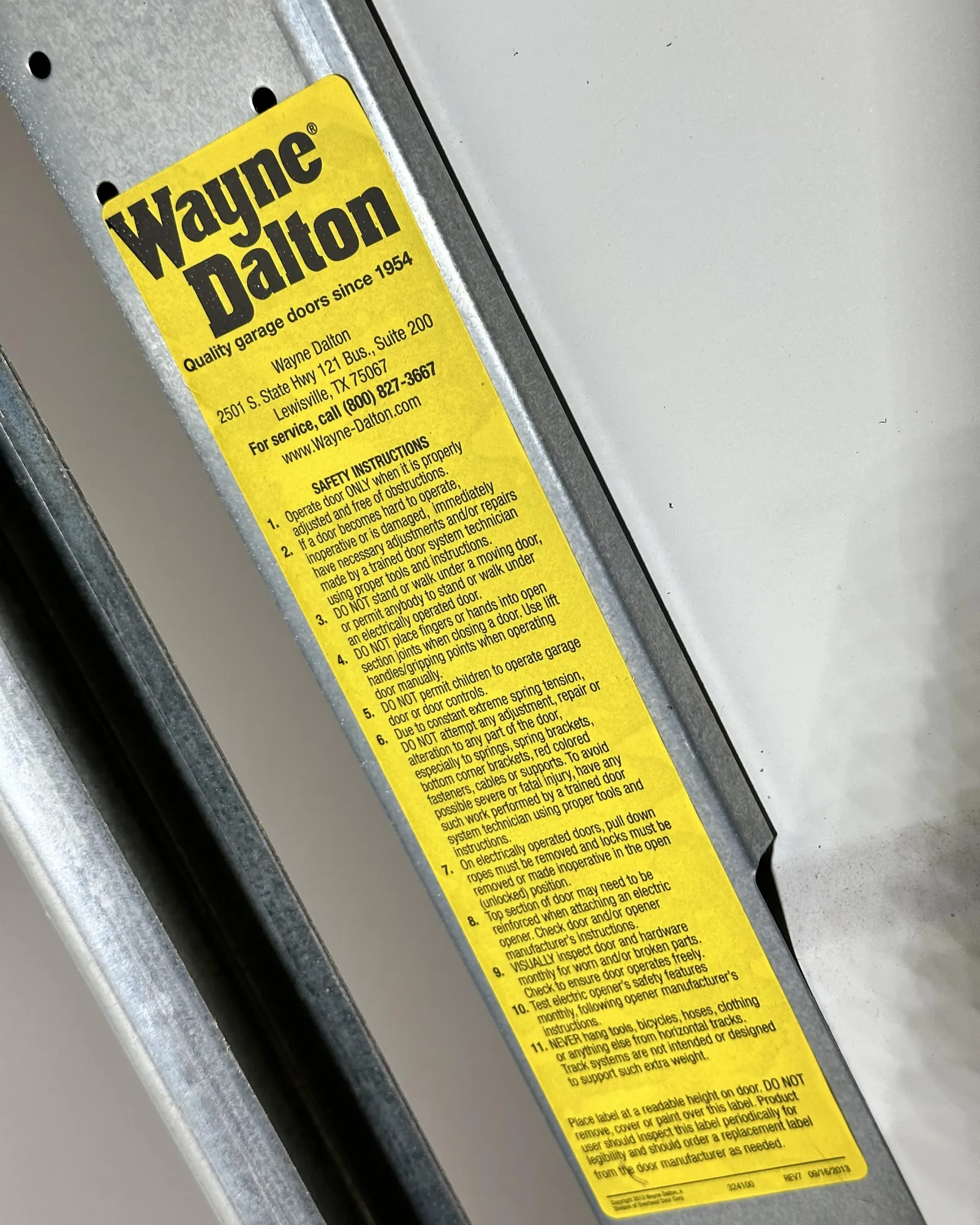
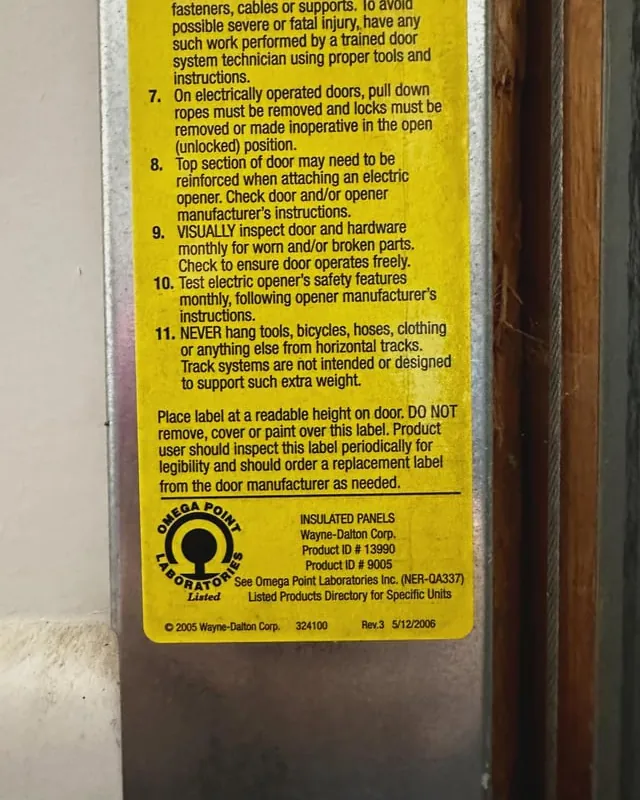
A wayne dalton 324100 is a specific torsion spring winding bar used for the manual adjustment and installation of residential garage door systems. These tools are made from hardened steel to provide the necessary leverage for tightening or loosening torsion springs safely. They’re designed to fit perfectly into the winding cones found on standard Wayne Dalton door hardware, allowing you to control the tension that lifts the weight of the door.
Garage door torsion spring tools at a glance
The following table provides an overview of the common tools used for adjusting residential garage door springs. Always ensure your tools are rated for the specific wire size and torque requirements of your door system before you begin any adjustments.
| Tool Name | Best For | Concrete Example |
|---|---|---|
| Winding Bar | Adjusting spring tension | Wayne Dalton 324100 |
| Socket Wrench | Securing mounting brackets | 1/2-inch drive set |
| Locking Pliers | Holding the shaft steady | Vise-Grip 10R |
| Level | Checking door alignment | 24-inch spirit level |
| Safety Glasses | Eye protection | ANSI Z87.1 rated |
Never use a screwdriver as a makeshift winding bar. These tools lack the necessary diameter to seat firmly in the winding cone, and they will snap under the immense torque of a loaded spring.
If your winding bar doesn’t slide fully into the cone hole, stop immediately. A bar that only enters halfway will round out the hole or slip, causing a violent release of stored energy.
Use 18-inch hardened steel bars for standard residential springs. If you encounter a dual-spring system, mark the shaft with a paint pen before loosening any set screws. This simple step prevents the shaft from shifting unexpectedly while you adjust the tension.
If you find the spring is rusted or the coils are touching, don’t attempt an adjustment. These are signs of metal fatigue that require a full replacement rather than a simple turn.
Wayne Dalton 324100
The wayne dalton 324100 is a specialized 1/2-inch diameter steel rod designed specifically for the winding cones on Wayne Dalton torsion systems. It suits homeowners and technicians who need to perform routine spring tension adjustments on doors that use this proprietary hardware.
- Provides a precise fit for the holes in the winding cone, preventing the bar from slipping under heavy load.
- Allows for incremental tension adjustments, which helps in balancing the door so it stays open at any height.
- Constructed from heat-treated steel to prevent bending when applying the force needed to move the spring.
- Features a knurled or smooth finish that ensures a firm grip for the user during the winding process.
If you’re adjusting a door that weighs 150 pounds, you’ll typically need to turn the winding cone 1/4 turn at a time to reach the proper balance point. Always use two bars simultaneously during the adjustment process to ensure that one bar is always seated in the cone while you move the other.
Socket Wrench
A socket wrench is the primary tool used for tightening the bolts on the stationary center bracket and the cable drums. It suits anyone performing general maintenance, such as tightening loose hardware that causes the door to rattle or operate unevenly.
Use a 1/2-inch drive wrench for the 1/2-inch or 9/16-inch bolts commonly found on garage door tracks. This tool provides the leverage needed for high-torque applications while protecting the bolt heads from stripping. Its extended reach is essential for accessing mounting hardware located directly behind the torsion shaft.
If you’re tightening the center bracket bolts, ensure the fasteners are flush against the header board. If the bolts are rusted, apply a penetrating oil and wait 10 minutes before attempting to turn them. This delay prevents the bolt head from snapping off under pressure.
If you feel sudden, significant resistance while turning, stop immediately. Back the bolt out one quarter-turn, reapply oil, and work it back and forth to clear the threads. Forcing a seized bolt will shear the shank, turning a simple maintenance task into a complex repair requiring a drill and extractor.
Locking Pliers
Locking pliers are essential for securing the torsion shaft to the header bracket during repairs to prevent the door from falling. They suit anyone who needs to perform work on the cables or drums where the spring tension must be held in a fixed position.
- Maintains a constant grip on the shaft, preventing it from rotating while you replace a damaged cable.
- Acts as a safety stop to keep the torsion system from unwinding unexpectedly.
- Fits securely onto shafts with a diameter of 1 inch, which is the standard size for most residential doors.
When locking the shaft, ensure the pliers are clamped tightly against the header bracket. If the pliers slip, the shaft can spin rapidly, which carries a high risk of injury; according to the Consumer Product Safety Commission, you should never attempt to adjust or repair torsion springs yourself if you lack the proper training and tools.
Level
A level is used to verify that the garage door tracks are perfectly vertical and that the door is level when closed. It suits anyone troubleshooting a door that closes with a gap on one side or binds during operation.
- Confirms the tracks are plumb, which prevents the rollers from binding inside the track.
- Ensures the header is level, allowing the door to seal properly against the floor.
- Helps identify if one cable has stretched more than the other, which causes the door to sit unevenly.
If the door isn’t level, adjust the cable length at the bottom bracket until the door sits flush on the floor. If the door still binds after leveling, check the track alignment for any signs of physical damage or loose wall mounts.
Other essential maintenance tools
Lubricant Spray: Use a silicone-based spray on the rollers and hinges to reduce noise and wear. Apply a thin coat every 6 months, or more often if the door operates in dusty or coastal environments. Avoid lithium grease, which attracts grit and eventually turns into a grinding paste that destroys your bearings.
Work Gloves: Wear heavy-duty leather gloves to protect your hands from sharp metal edges on the tracks and springs. These are necessary whenever you’re handling the door panels or moving track sections. If you feel a snag or catch on the metal, stop immediately; a small cut here often leads to a deep infection due to the rust and grime buildup on the hardware.
Step Ladder: A 6-foot ladder provides the height needed to safely reach the torsion assembly above the door. Ensure the ladder is placed on a flat, dry surface before you climb. Never stand on the top rung, as the overhead clearance is often too tight for stable balance.
Choosing the right tool for your door
Deciding which tool you need depends entirely on the specific task you’re performing on your door system. If your goal is to change the lifting tension of the door, you must use the winding bar. If your goal is to fix a mechanical issue like a loose track or an uneven door, you should reach for the socket wrench or the level.
Use a 7/16-inch or 9/16-inch socket to tighten loose bolts on the track brackets. If the door hangs unevenly, use a four-foot level to verify the tracks are plumb before adjusting the hardware. Never use a power drill to tighten these bolts, as you risk stripping the wood or metal frame.
If you’re dealing with a broken spring or a cable that has come off the drum, you must stop immediately. These tasks require specialized equipment and significant training; attempting them without professional help can lead to serious injury. Most adjustments to the torsion system are independent of track maintenance, but you should always inspect the entire door system if you find one component has failed.
Related guides
- How Do Wind Turbines Work: The Mechanics Explained Simply
- Bar Soap vs Liquid Soap Dispensers: Which Is Better for You in 2026
Frequently asked questions
Can I use a screwdriver instead of a winding bar?
No, you should never use a screwdriver as a substitute for a proper winding bar. Screwdrivers aren’t designed to handle the high torque of a torsion spring and will likely snap or slip, which creates a significant safety risk during the adjustment. Use only steel bars that fit the winding cone holes precisely and are rated for the weight of your specific garage door.
How do I know if my spring tension is correct?
The spring tension is correct when the door stays stationary when you lift it halfway and release it. If the door falls, the springs are too loose; if it rises on its own, the springs are too tight. Adjust the tension in small increments, testing the balance after every quarter-turn to ensure you don’t over-tighten the system.
Is it safe to adjust the springs while the door is closed?
Yes, it’s generally safer to adjust torsion springs while the door is in the fully closed position. Ensure the door is locked in place with a clamp or pliers before you apply the winding bar to the cone.
What happens if I lose my grip on the winding bar?
If you lose your grip, the torsion spring will release its stored energy instantly, causing the shaft to rotate with great force. This can cause the bar to strike you or damage the surrounding wall and ceiling. Always maintain a firm grip and ensure your body is positioned to the side of the bar, never directly in its path of travel.
How often should I lubricate the door parts?
You should lubricate your garage door parts based on usage and the manufacturer’s recommendations to ensure smooth operation and prevent premature wear. Use a silicone-based spray on all moving parts, including hinges, rollers, and the bearing plates on the torsion shaft. Avoid using grease, as it attracts dirt and debris which can eventually cause the rollers to stick or the track to clog.
Does the age of the door matter for adjustments?
Yes, the age of the door affects how the hardware responds to adjustments. Older doors may have rusted fasteners or worn-out rollers that make leveling difficult, regardless of the spring tension. If your door is aged, inspect the condition of the cables and brackets for corrosion before attempting any manual tension changes, as rusted parts are prone to breaking under stress.
Conclusion
Start by inspecting your door for any visible signs of damage, such as frayed cables or loose brackets. If the door operates smoothly and stays in place when opened halfway, you have achieved the correct balance for your system. If you hear loud grinding noises or notice the door is uneven when it closes, contact a professional garage door technician to inspect the springs and cables before you attempt any further repairs.
