
You can fix most performance issues with your chamberlain garage door opener by checking for obstructions and power supply problems. The most frequent cause for a door failing to close or reversing is a misalignment of the safety sensors or debris blocking their path. Ensure these sensors are clean and properly aligned.
Why your garage door opener stops working
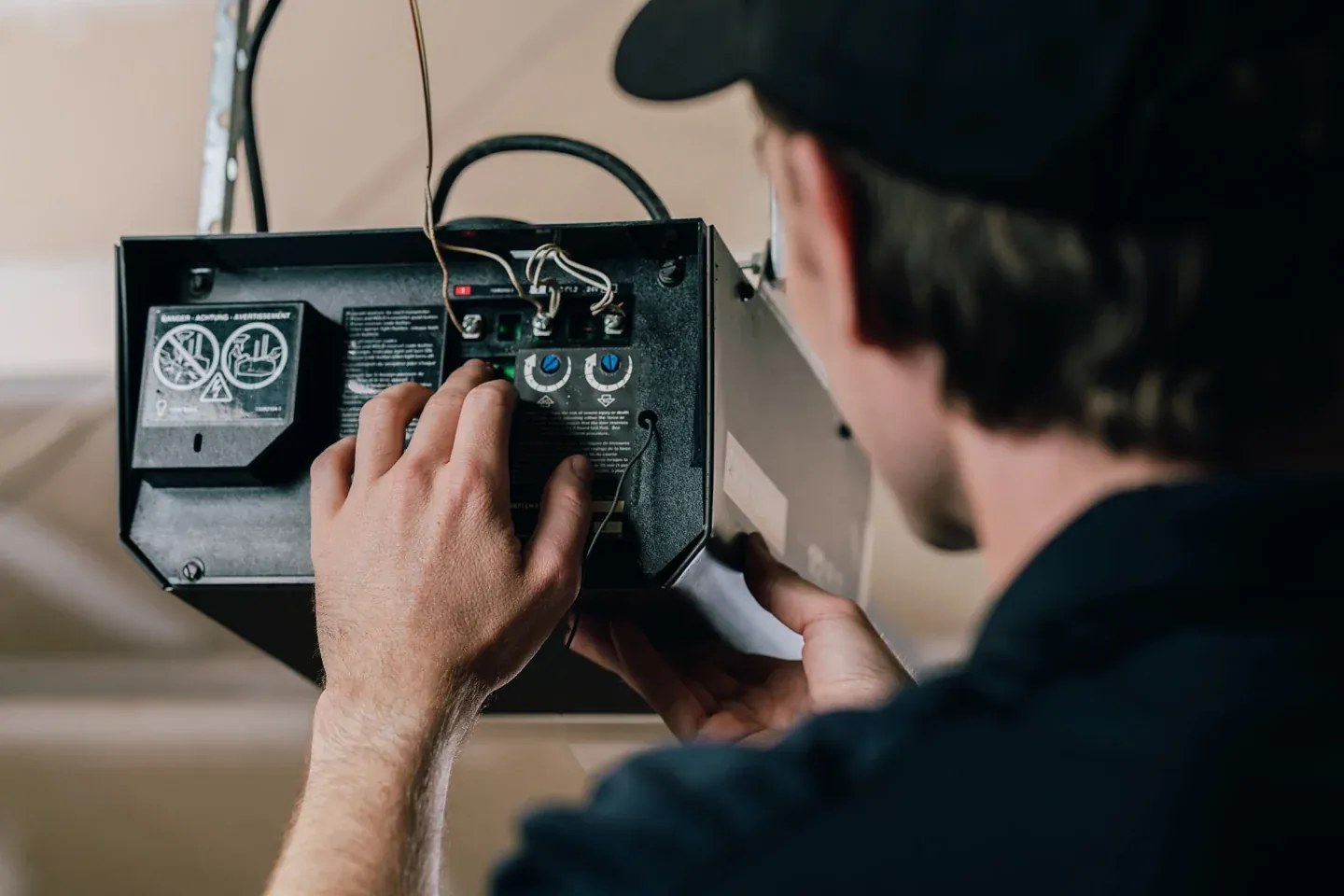
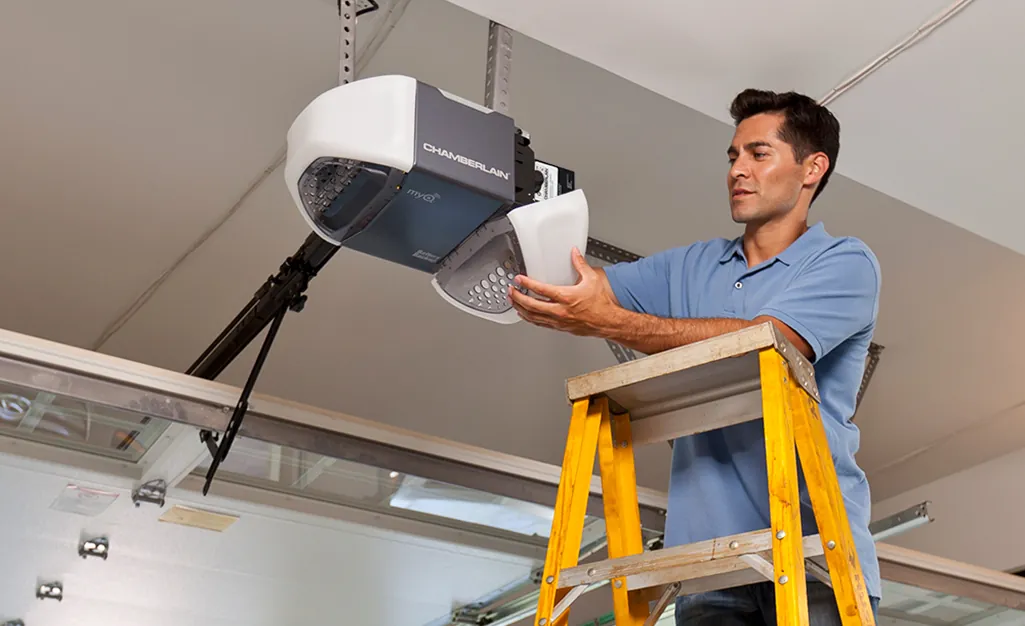
The main reasons for a malfunctioning garage door opener are sensor issues, track obstructions, or remote battery failure. When the sensors lose their line of sight, the system assumes an object is in the way and forces the door to reverse for safety. This is a standard feature designed to prevent injury or property damage.
Another common cause is a physical blockage in the door tracks. Dirt, hardened grease, or small items like rocks can stop the door’s movement. If the door meets resistance, the internal force settings will trigger a stop to prevent motor damage. You should inspect the tracks for any uneven spots or debris that might be slowing down the rollers.
Power issues also occur frequently. If the motor doesn’t hum or show any lights, check the wall outlet. If you have a wall-mounted control panel, check if the “Lock” feature is active, as this disables all remote signals.
You can find detailed troubleshooting steps in the Chamberlain official support guide for your specific model. Keep in mind that if your motor makes a grinding noise but the door doesn’t move, the issue might be internal gears, which usually requires professional service to avoid injury from high-tension springs.
Clean and align the safety sensors
This fix is for users whose door reverses immediately or won’t close at all. First, take a soft, dry cloth and wipe the lenses of both safety sensors. They’re located near the floor on either side of the door frame. Once clean, look for a small LED light on each sensor. If the lights aren’t solid, the sensors are likely misaligned.
Gently nudge the sensor bracket until the light turns steady. You might need to adjust the angle slightly to ensure the invisible beam is perfectly horizontal. Once the lights are solid, try operating the door again. If the door closes successfully, the alignment was the problem.
This process is straightforward, but it requires patience to get the beam perfectly centered. If you have pets or children, ensure they’re kept away from the door area during testing. If you can’t get the lights to turn solid even after manual adjustment, the internal wiring might be damaged. In that case, don’t attempt to splice wires yourself if you lack electrical experience; contact a professional technician to handle the repair.
Check the tracks and roller path
This fix is for doors that stop halfway or move slowly. Inspect the metal tracks on both sides of the door for any bends, dents, or buildup of old grease. Even a small dent can cause the door to bind, triggering the safety reverse. Use a level to ensure the tracks are vertical and parallel to one another.
If you see dirt or hardened grease, wipe the inside of the track clean with a cloth. Keep the tracks clean and dry; don’t apply lubricant to the tracks. Never use heavy grease, as it attracts dust and debris, which will eventually make the problem return. Ensure the rollers themselves aren’t cracked or seized; if a roller is stuck, it will create enough friction to stop the door.
If you find a major bend in the metal track, don’t try to hammer it back into place unless you’re comfortable working with heavy metal components. A bent track often needs to be replaced to ensure the door remains balanced. If the door feels heavy or looks crooked when it moves, there’s a risk of the door falling, so call a professional to inspect the spring tension.
Reset the travel and force limits
This fix is for doors that don’t open or close completely. The travel limit tells the motor where to stop, while the force limit tells it how much pressure to apply. Over time, these settings can drift. Locate the adjustment screws or buttons on the side or back of your motor unit.
Follow the manufacturer’s manual to set the “Down” limit so the door touches the floor gently without pushing hard. If the door hits the floor and reverses, the force limit is likely set too low. Increase the force setting in small increments—about one-quarter turn at a time—until the door closes without reversing.
If the door closes but then immediately pops back up, the safety sensors are likely misaligned or blocked. Check that the infrared eyes are clean and facing each other perfectly. If the lights on the sensors are flickering rather than glowing solid, you must clear the path before adjusting the motor settings further.
If you see loose cables or hear loud snapping noises, stop immediately. These parts are under extreme tension and can cause severe injury. If your opener is aging and the motor is failing, it’s often more cost-effective to replace the unit rather than attempting complex internal repairs.
Common mistakes that cause more damage
Forcing the door manually while the motor is engaged strips the internal carriage gears. If you need to operate the door by hand during a power outage, always pull the red emergency release cord first to disengage the trolley.
Setting force sensitivity to the maximum level is a common error that bypasses essential safety sensors. If the door doesn’t reverse instantly when it meets an inch of resistance, your safety system is compromised. Test this by placing a two-by-four board on the floor; the door must retract upon contact.
Applying oil or grease to tracks creates a abrasive paste that ruins rollers. Tracks should remain dry and clean. If the door sticks, wipe the tracks with a damp cloth instead of adding lubricant.
Ignoring a grinding motor causes catastrophic failure. If you hear metallic scraping, stop immediately. Replacing a stripped plastic gear costs far less than buying a new opener.
How to stop it happening again
To keep your system running, perform a simple check twice a year. If you’re currently ignoring the maintenance, start a schedule today.
| If you’re doing this | Do this instead | Why |
|---|---|---|
| Ignoring the door speed | Keep tracks clean yearly | Prevents motor strain |
| Letting sensors get dusty | Wipe lenses each month | Keeps the safety beam clear |
| Using thick grease | Keep tracks dry | Keeps tracks moving freely |
| Forcing the door shut | Check for track debris | Prevents gear damage |
Most homeowners wait for a screeching noise before acting, but by then, the drive gear has already suffered irreversible wear. If the door pauses or reverses mid-travel, check the sensors first. If they’re aligned but the door still stops, the issue is likely a mechanical obstruction in the track. Clear any hardened grease or grit immediately. If you notice the door sagging, tighten the mounting bolts. Neglecting these bolts costs you the price of a full motor replacement.
Related guides
- Maytag Refrigerator Troubleshooting: Fix Cooling and Noise Issues
- Dishwasher Hums But No Water: How to Fix the Inlet Valve
- Minka Aire Wall Control Not Working: How to Reset and Fix It
Frequently asked questions
Can I fix a broken garage door spring myself?
No, you should never attempt to fix garage door springs yourself. These springs are under extreme tension and can cause serious injury or death if handled improperly. Only trained professionals with the correct tools should perform these repairs.
How long does a garage door opener last?
Most garage door openers last for over a decade, depending on usage and maintenance. Frequent use as a primary entrance will shorten the motor’s life. Regular maintenance, such as lubricating hardware, can help extend the unit’s operational lifespan.
Why does my garage door open by itself?
A garage door opening on its own is usually caused by a short in the wall button or signal interference. Check the wiring behind your wall control panel for loose connections. If the issue persists, clear and reprogram your remotes to rule out stray signals.
Is it safe to operate the door if the sensors are blocked?
No, it isn’t safe to operate a garage door if the safety sensors are malfunctioning. These sensors are critical for preventing the door from closing on people or objects. Always ensure the path is clear and sensors are aligned before operating the door.
What happens if I ignore a grinding noise in the motor?
Ignoring grinding noises will likely cause the internal gears to strip, resulting in total motor failure. This sound indicates the motor shaft is spinning while the drive gear can’t move the door. Addressing friction early can prevent the need for a full replacement.
How do I know if my garage door is balanced?
You can test the balance by disconnecting the door from the opener and lifting it halfway manually. If the door stays in place, it’s balanced; if it moves, the spring tension is incorrect. Contact a professional to adjust the tension if the door doesn’t stay put.
Conclusion
Keeping your opener in good shape requires regular inspection of the tracks, sensors, and moving parts. The frequency of maintenance depends on your specific usage, so consult your owner’s manual for the manufacturer’s recommended service intervals. If the motor makes unusual noises or the door fails to move, seek professional help.
