
Installing a man door in garage door systems is possible, but it requires a custom-built frame and specialized reinforcement to keep the structure stable. Most residential panels can’t support this modification without compromising their balance and safety features. If you decide to move forward, you must consult a structural engineer to ensure the door remains operational, as the added weight of a frame will change the spring tension requirements.
Understanding the Man Door in Garage Door Concept
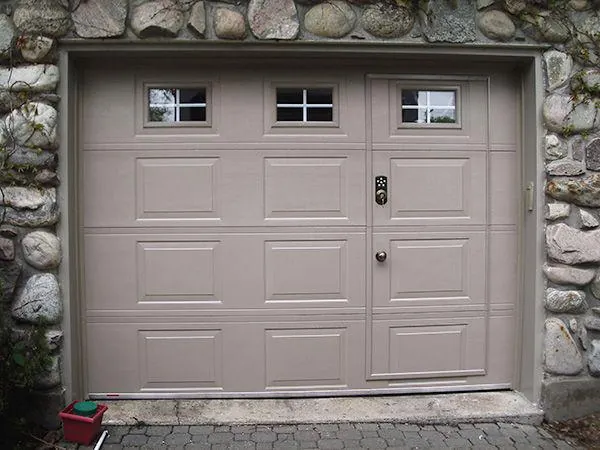
A man door, or pedestrian door, built directly into a garage panel provides a quick entry point without opening the entire bay. These units are typically seen in commercial buildings but are occasionally requested for residential workshops. The core concept involves cutting a rectangular section out of the existing door panels and installing a smaller, hinged door within that space.
People often assume this is a simple “cut and drop” project, but it’s actually a complex structural modification. A garage door is designed to move as a single, flexible unit on a track system. By cutting a hole in the center, you remove the bracing that keeps the door rigid.
If you don’t add a heavy-duty steel frame around the new opening, the entire door will likely buckle or twist when it travels along the tracks. This setup isn’t for the average homeowner; it’s meant for those who need frequent access to a workspace without running the full motor cycle.
Steps for Custom Door Integration
- Measure the height and width of the middle panels to ensure the man door frame fits with at least 12 inches of clearance from the edges.
- Reinforce the surrounding panels with vertical steel struts to compensate for the lost strength after cutting the opening.
- Use a reciprocating saw to carefully cut the panel material, following the chalk lines marked during your measurements.
- Install a custom-fabricated steel or heavy-duty aluminum frame into the opening to create a solid boundary for the new hinges.
- Mount the pedestrian door to the frame using heavy-duty, low-profile hinges that don’t protrude when the garage door moves.
- Adjust the torsion springs to account for the additional weight of the new frame and door hardware, which usually adds 40 to 60 pounds of dead weight.
This process requires precision tools and welding skills to ensure the frame stays square under pressure. If you lack experience with heavy-duty steel fabrication, contact a professional garage door manufacturer to discuss custom engineering options. Attempting this without proper reinforcement will lead to immediate track misalignment and potential failure of the door’s lift mechanism.
Critical Specifications and Hardware
The success of this modification depends on the weight balance of the entire unit. When you add a door, you must recalculate the total lifting force required by the springs.
| Component | Specification | Adjustment Needed |
|---|---|---|
| Frame Material | 14-gauge steel | Add weight to spring calculation |
| Hinge Type | Low-profile flush mount | Must clear track rollers |
| Panel Reinforcement | Vertical steel struts | Required on all cut edges |
| Spring Tension | Increased by 15-20% | Requires certified technician |
| Weather Seal | EPDM rubber gasket | Replace if gap exceeds 0.25 inches |
Weight distribution matters more than total mass. If the door swings outward, you must shift the center of gravity toward the hinge side to prevent the frame from bowing under load.
Most installers fail by ignoring the torque limit of the existing opener. If your door weighs more than 150 pounds after reinforcement, you must upgrade the motor’s drive gear to prevent premature stripping.
Always ensure the new door includes a safety interlock sensor. If this sensor isn’t active, the garage door motor could start while the man door is open, causing catastrophic damage to the tracks and the door frame. If the sensor fails to trigger a hard stop, verify the wiring continuity at the control board before attempting another cycle.
Achieving a Professional Result
Experienced installers focus on the structural integrity of the panels rather than just the appearance of the door. They start by adding reinforcement struts across the entire width of the garage door before making any cuts. This ensures the door remains rigid during the transition from vertical to horizontal movement. If you skip this preparation, the door will flex at the cut line, which causes the panels to bind in the tracks.
Partway through the process, installers check the “swing clearance” of the man door. Because garage doors move along a radius, the man door must sit perfectly flush. Even a half-inch of protrusion can catch on the track or the header, leading to a jammed door.
They also ensure the weight is distributed evenly across the center hinges. If the door leans to one side, it will put uneven pressure on the cable drums, which can cause the garage door to fall unexpectedly.
Troubleshooting Common Installation Issues
| What you notice | What it usually means | What to do first |
|---|---|---|
| Door binds in track | Frame isn’t square | Check frame alignment with level |
| Motor labors or stops | Spring tension is too low | Call a professional spring technician |
| Door sags when opening | Structural struts are loose | Tighten all frame mounting bolts |
| Large gap at the bottom | Weight is pulling panels down | Adjust the bottom seal or track height |
If the door binds, place a four-foot level against the vertical tracks. If you see a gap larger than an eighth of an inch between the level and the track, the frame is out of plumb. Don’t force the motor to compensate for this friction, as it will strip the drive gear within weeks.
When the motor stops mid-cycle, check the safety sensors before calling for service. If the LED lights on the sensors are flickering rather than solid, the issue is likely a loose wire connection rather than a spring failure.
If you notice a gap at the bottom, measure the distance from the floor to the panel on both sides. A difference of more than half an inch indicates the cable tension is uneven. Adjust the cable winding nut at the drum only after the door is in the fully closed position and the torsion springs have been safely unwound and secured.
Regulatory Standards and Safety
Safety standards for garage doors are governed by the Door & Access Systems Manufacturers Association (DASMA). Any modification that alters the weight or balance of a door must be documented and tested for compliance with local building codes. You can’t simply install a door and assume it’s safe; the door must pass a manual lift test to ensure it doesn’t exceed the force limits set for residential operation.
A door is properly balanced if it stays in place when raised halfway. If it drifts up or down, the spring tension is incorrect and requires immediate adjustment by a professional. Never attempt to adjust these springs yourself; they hold enough stored energy to cause severe injury or death if released improperly.
Modifying a door often voids the original warranty provided by the manufacturer. If you aren’t a licensed contractor, you also risk liability issues if the door fails and causes property damage or injury. Always have a qualified technician certify the final balance and the operation of the safety sensors before using the door in a residential setting.
Long-term Maintenance and Care
Once the installation is complete, you must monitor the door for signs of metal fatigue. Check the hinges periodically to ensure the bolts haven’t loosened from the vibration of the garage door motor, following the specific guidance in your owner’s manual. If the man door begins to stick, check the frame for signs of warping or bending. You can lubricate the hinges with a silicone-based spray to keep them moving smoothly, but avoid heavy greases that attract dust and grit.
If the door becomes difficult to open, don’t force it, as this can bend the garage door panels. Instead, inspect the threshold for debris that might be catching the bottom of the door. If the door continues to drag, you’ll need to re-align the hinges or adjust the frame tension. Always keep the area around the hinges clear of paint or sealant, as these can build up and prevent the door from closing flush.
When to Consider Alternatives
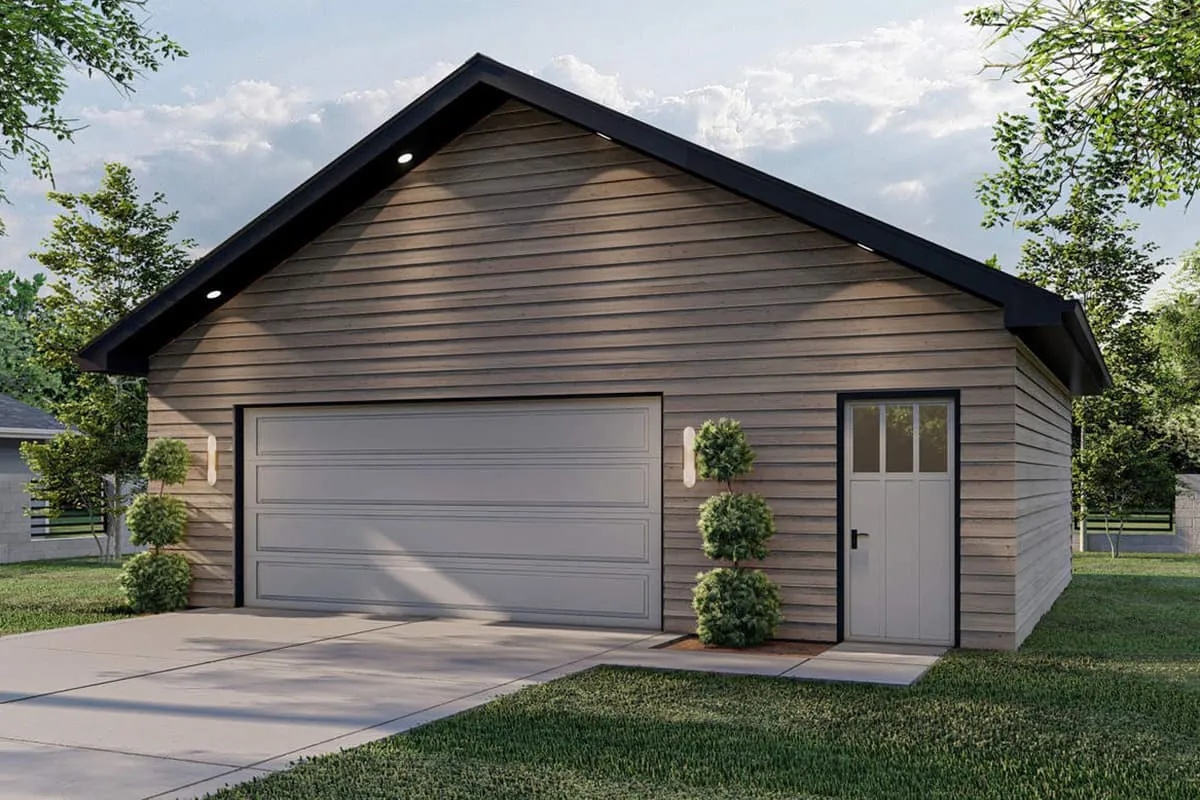
This modification isn’t the right choice if you have a lightweight, non-insulated garage door. These panels are often too thin to hold a steel frame, and the added weight will cause the panels to crack over time. If your current door is aged, it’s usually more cost-effective to install a side-entry door in the wall adjacent to the garage rather than cutting into the existing overhead system.
If you need a man door for security reasons, consider a pedestrian door with a multipoint locking system installed in the wall. This avoids the structural risks of modifying a moving overhead system entirely. For those who want the convenience of a small entry point, talk to a local builder about framing a traditional door into the structure of your garage wall instead.
Related guides
Frequently Asked Questions
Can I install a man door in an existing garage door?
Yes, you can install one, but it requires significant structural reinforcement of the garage panels and a recalculation of the torsion spring tension. This is a complex task that typically requires a professional fabricator.
Is it safe to add a door to my garage door?
It’s only safe if you install a safety interlock sensor to prevent the garage motor from running while the man door is open. Without this sensor, you risk severe damage to your garage system and potential injury.
How much weight does a man door add to the system?
A standard steel man door frame and hardware usually add between 40 and 60 pounds to the total weight of the garage door. You must account for this by upgrading your torsion springs to match the new total weight.
Will this modification void my garage door warranty?
Yes, almost all manufacturers will void the warranty the moment you cut into the panels of the door. Check your specific warranty document before making any permanent structural changes to your equipment.
How often do I need to check the hinges?
Because garage doors experience constant vibration, the hardware is more likely to loosen than a standard house door.
What happens if I don’t reinforce the panels?
The garage door will likely buckle, twist, or sag at the cut line, causing the panels to jam in the tracks. This can lead to a complete failure of the door’s lifting mechanism or a dangerous collapse.
Conclusion
The success of a man door installation depends entirely on the rigidity of your frame and the precision of your spring balancing. If you aren’t experienced with steel fabrication, it’s much safer to add a door to the side wall of your garage.
