
A transformer changes voltage with no moving parts, and that simple fact drives the advantages and disadvantages of using transformers in any power setup. It’s reliable, quiet, and lasts decades because nothing spins or rubs together. If you need to change direct current instead, a solid-state converter wins every time.
Transformer types compared for power needs
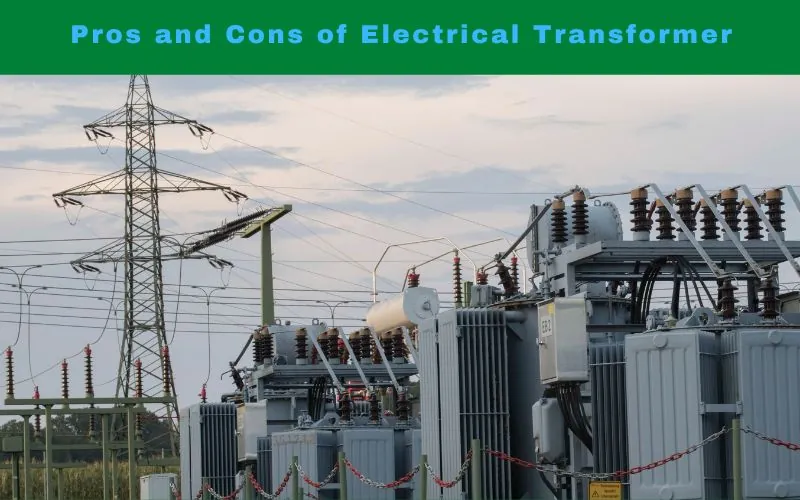
Four main designs handle different jobs, and picking the wrong one wastes money or space. Here’s how they line up when you need to move power from one circuit to another.
| Method | How long to install | Effort | Cost | Best for |
|---|---|---|---|---|
| Power transformer | 2–4 hours | High | High | Grid stations and factories |
| Distribution transformer | 1–3 hours | Medium | Medium | Neighborhood power lines |
| Isolation transformer | 30–60 minutes | Low | Medium | Sensitive medical gear |
| Autotransformer | 20–40 minutes | Low | Low | Small voltage shifts |
If your load is heavy and fixed, go with a power or distribution unit; if it’s light and portable, an autotransformer saves weight and cash.
Power transformers for large loads
A power transformer handles massive voltage shifts at generating stations or big industrial sites. It steps electricity up for travel or down for heavy machines.
- Mount the unit on a level concrete pad rated for its full weight.
- Connect the primary high-voltage cables to the input bushings using the torque values specified in the manufacturer’s installation manual.
- Wire the secondary low-voltage cables to your facility’s main switchgear.
- Fill the tank with mineral oil until the gauge hits the marked line for your ambient temperature.
- Run a turns-ratio test before applying full power.
This design carries huge loads without breaking a sweat. The magnetic core runs quietly, and the oil keeps everything cool under constant stress.
The trade-off is size. These units weigh tons and take up serious floor space. You’ll also wait weeks for delivery if one fails. Working on them requires licensed electricians trained in high-voltage safety, so don’t attempt the wiring yourself.
Distribution transformers for local grids
A distribution transformer takes medium voltage from street poles and drops it to the standard residential voltage your house uses. It’s the metal box on the pole or the green tank in your yard.
- Secure the tank to the pole bracket or ground pad.
- Attach the primary fuse cutout to the incoming overhead line.
- Connect the secondary leads to the local service drop wires.
- Ground the neutral terminal to a driven copper rod.
- Energize the primary side and measure the secondary output with a multimeter.
It works passively, day and night, with almost zero attention. Efficiency stays above 95% under typical loaded conditions, though it drops at very light loads due to constant core losses.
Its weakness shows up during extreme heat waves. If too many air conditioners run at once, the oil gets hot and the unit’s lifespan shrinks. You can read the thermal limits for your specific model on the manufacturer’s nameplate or in the IEEE transformer standards documents.
Isolation transformers and autotransformers
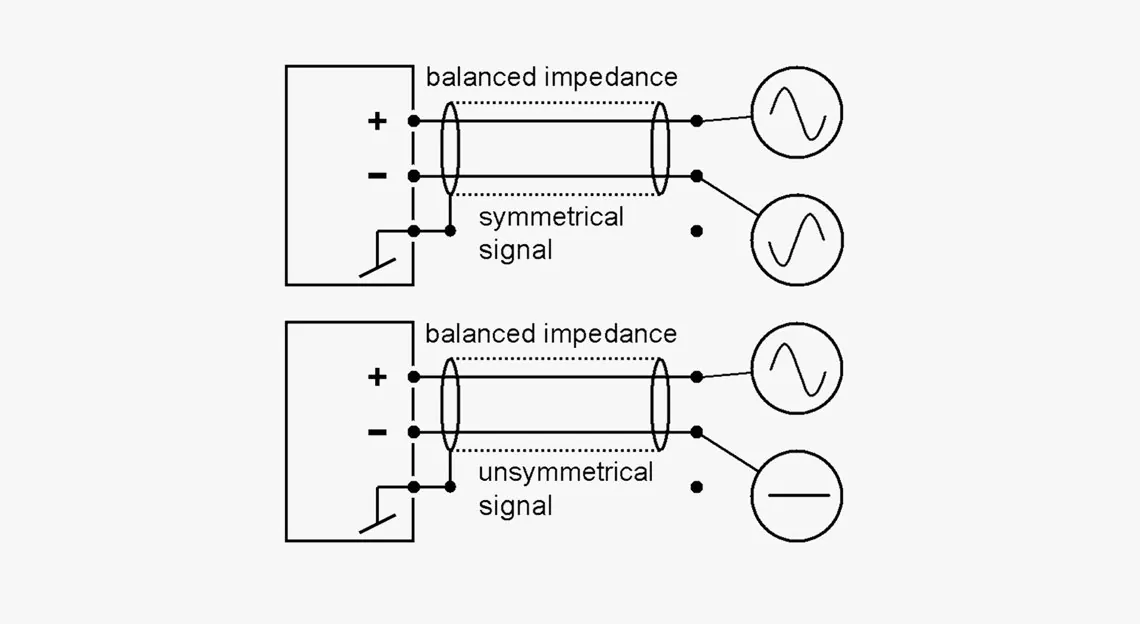
An isolation transformer separates two circuits completely. There’s no direct electrical path between the plug and the device, which stops shocks and blocks electrical noise.
- Plug the unit into your wall outlet.
- Connect your sensitive equipment to the isolated outlets on the front panel.
- Turn the power switch on and verify the indicator light glows.
Hospitals use these to protect patients hooked to monitors. They’re great for keeping audio gear free from buzzing ground loops.
The downside is bulk. A true isolation unit needs two separate wire coils, making it heavier than other options for the same wattage.
An autotransformer uses just one shared coil to shift voltage slightly, like dropping 240V to 208V. It’s lighter and cheaper. However, it offers no shock protection because the input and output share the same wire. Don’t use it where safety separation matters. Solid-state DC converters exist too, but they introduce switching noise that ruins clean power.
Which transformer fits your situation
When you’re in a hurry and only need a small voltage tweak, grab an autotransformer. It’s light, plugs right in, and skips the heavy mounting work.
If you’re setting this up for the first time in a workshop, pick an isolation transformer. It forgives wiring mistakes better than others because it physically breaks the path between the wall and your tools. That gap keeps you safer while you learn.
When you want the best possible result whatever it takes, install a properly sized distribution or power transformer matched exactly to your peak load. Running a smaller unit near its limit cooks the insulation faster. Buying a bigger one than you need means paying for copper and oil you’ll never use.
That’s the real trade-off across all four types. Safety and efficiency always fight against weight and price. You can’t have a feather-light unit that isolates perfectly and costs nothing. Pick the two things that matter most for your building, and accept the compromise on the third.
Installation rules for every transformer
Every method follows the same basic physics and safety codes. The National Electrical Code, published by the NFPA, sets the clearance distances and grounding rules you must obey regardless of size.
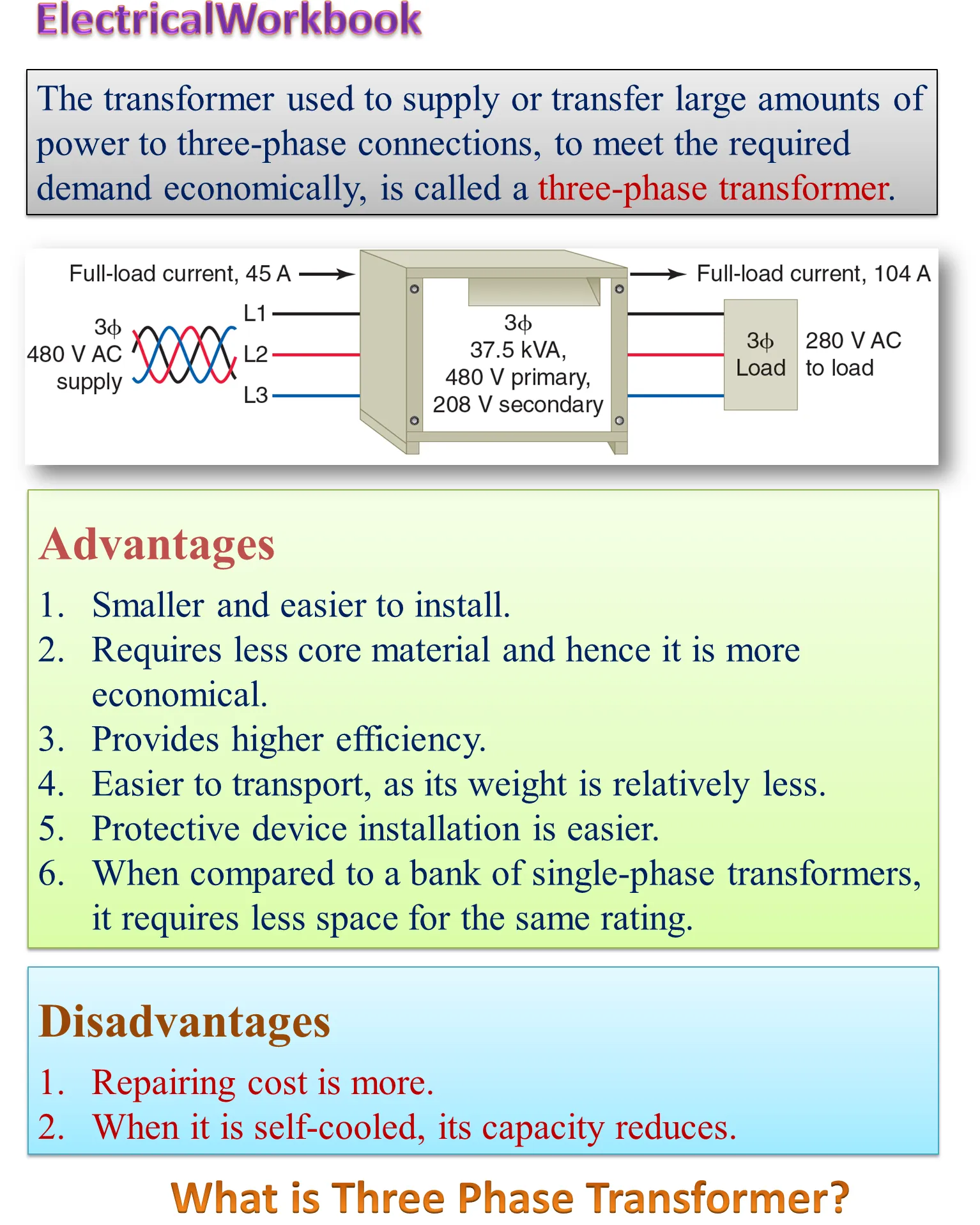
Before you start, calculate your total expected load in amps. Calculate your total expected load in kVA and buy a unit rated at least 20% higher than that number so it doesn’t run hot all day.
Halfway through wiring, stop and double-check your connections. Loose terminals create resistance, and resistance creates dangerous heat that melts insulation. Use a torque wrench to meet the manufacturer’s specific inch-pound requirements; guessing the tightness is the most common cause of premature terminal failure.
After it’s running, listen for loud humming. A soft buzz is normal, but rattling means something inside is loose. Check the oil level annually if your unit has a fill plug. If you see dark, thick sludge during this check, the unit is overheating and requires an immediate load audit.
Working on high-voltage equipment carries a real risk of fatal shock. If your project involves connecting primary lines to a building’s main panel, hire a licensed electrician who carries the right insurance.
Frequently asked questions
How long does a power transformer last?
30 to 40 years is the typical service life for a well-maintained oil-filled unit, assuming it runs below its maximum temperature rating. Dry-type models often reach 25 years. Heat degrades the internal paper insulation over time, so hotter environments shorten that span.
Why do transformers hum?
60 hertz is the vibration rate you hear in North America, caused by the alternating magnetic field expanding and shrinking the iron core. This effect is called magnetostriction. Tighter core laminations reduce the noise, but you can’t eliminate it entirely on AC power.
Can a transformer convert DC voltage?
No, a standard transformer only works with alternating current. Direct current creates a steady magnetic field that doesn’t induce voltage in the second coil. You need an electronic DC-to-DC converter to step direct current up or down.
Is it safe to overload a transformer?
No, pushing more current than the nameplate rating overheats the windings and breaks down the insulating oil or varnish. This leads to short circuits or fires. Always match the kVA rating to your calculated load plus a safety margin.
What happens if a transformer gets wet?
Water mixes with the insulating oil and destroys its ability to block electrical arcs. Internal flashovers happen quickly after moisture enters the tank. Outdoor units are sealed tightly, but damaged gaskets let rain in during storms.
How much does a distribution transformer cost?
Prices range widely based on kVA rating, phase count, and cooling type. You’ll find exact figures by requesting quotes from manufacturers like Eaton or ABB, since material costs for copper and steel shift constantly. Never guess a budget figure without a current spec sheet.
Conclusion
Choosing the right unit comes down to matching your load, your space, and your safety needs. The math doesn’t lie, and the physical limits of copper and iron don’t bend for anyone’s schedule. Take the time to read the nameplate, calculate your actual draw, and respect the clearances your local code demands. Electricity rewards patience and punishes shortcuts every single time.
