
Electric current is the flow of charged particles, usually electrons, moving through a conductor like a metal wire. When you measure this movement in amperes, you’re determining the amount of current in a circuit. This flow happens because of a difference in electrical potential, often created by a battery or a power plant, which pushes the electrons from one point to another.
The main factor that dictates how well this flow happens is the resistance of the material. If you have high resistance, the flow slows down; if you have low resistance, the flow increases. A common mistake is thinking that voltage is the same as current. Voltage is the force or pressure pushing the electrons, while the current is the actual volume of electrons moving past a specific point.
What is current and how to measure it

To measure the amount of charge moving through a circuit, you use a tool called an ammeter. This device must be placed in series with the load so that all the electrons flow through it. If you try to measure it by touching the leads across the two sides of a power source, you’ll likely cause a short circuit.
- Turn off the power source to ensure safety while you connect your testing equipment.
- Set your multimeter to the “Amps” or “A” setting, choosing the DC or AC mode to match your power source.
- Break the circuit at the point you want to measure and connect the red lead to the side heading toward the power.
- Connect the black lead to the remaining side of the circuit to complete the path.
- Turn the power back on and read the value on the screen, ensuring it stays within the meter’s rated capacity.
Tip: Always start with the highest amp setting on your meter if you’re unsure of the load. This prevents a high flow from blowing the internal fuse of your testing device.
- Turn off the power again before you remove the meter and reconnect your circuit wires.
Tip: If you’re working with high-voltage lines, you must hire a licensed electrician. According to the Occupational Safety and Health Administration, contact with energized parts can cause severe injury or death.
Time Needed for Measurement
The time it takes to measure the flow depends on your setup and your experience with electronics. While the actual reading happens instantly once the circuit is live, the preparation time varies.
| Situation | How long | What changes it | What to watch for |
|---|---|---|---|
| Simple battery circuit | 2 minutes | Number of connections | Loose wire ends |
| Household appliance | 10 minutes | Access to the wire | Exposed live copper |
| Complex circuit board | 20 minutes | Soldering requirements | Heat damage to parts |
This allows the internal voltage to stabilize, preventing a false high-current spike from skewing your data.
If the reading fluctuates wildly, your connection is likely loose or the device has an inconsistent power draw. Tighten your terminal connections and ensure the test leads maintain firm contact with the metal surfaces.
If the display shows zero despite a closed circuit, check your fuse first. A common mistake is leaving the meter set to measure current while testing a voltage source, which blows the internal fuse instantly. If you see a “1” or “OL” on the screen, your range is set too low for the current present. Increase the range setting until the meter displays a stable, non-overflow value.
Signs of Active Flow
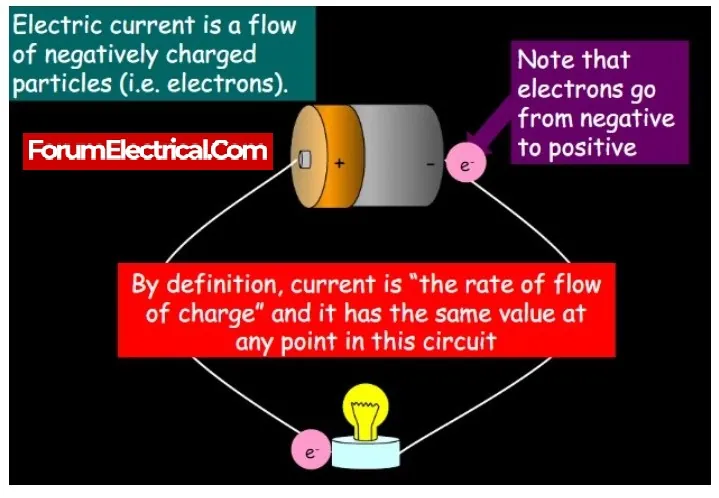
You can tell if a circuit is live by observing the behavior of the connected load. A light bulb will glow, a motor will spin, or a heating element will begin to warm up. These are physical indicators that energy is moving through the path. If you’re using a digital multimeter, the screen will show a stable numeric value in amperes.
If the numbers jump around, the circuit might be unstable or the load might be cycling on and off. When the display reads zero despite the device being plugged in, the path is broken. You must then inspect the fuse or the wiring for a physical gap. The most reliable way to confirm flow is to see a consistent reading that matches the expected power draw of the device you’re testing.
People often mistake a tiny leakage current for an active circuit. A reading under five milliamps usually means stray voltage rather than useful work. Always compare your measurement against the nameplate rating printed on the device housing.
For loads with electronic controllers, measure after the unit finishes its startup sequence. Motors pull three to six times their running current during the first second. Reading too early makes a healthy circuit look overloaded.
Errors That Disrupt Readings

Measuring in parallel creates a low-resistance shunt that forces excessive current through your meter, often blowing the internal fuse instantly. Always break the circuit path to insert the meter in series, ensuring the current flows through the device rather than across the power source.
Most multimeters separate high-amp and low-amp ports to protect delicate internal shunts. If you’re measuring a motor or heating element, use the dedicated high-amp port immediately. Plugging into the low-amp port for a high-draw device will vaporize the internal traces before the fuse can even trip.
Loose probe contact introduces parasitic resistance that artificially inflates your voltage drop readings. If the display flickers or jumps while you hold the probes, you’re measuring the connection quality rather than the circuit. Use needle-point tips to pierce through surface oxidation on terminals. If the metal is corroded, scrub it with a wire brush before attempting the measurement to ensure a reliable path.
Related guides
- 10 Best Electric Underfloor Heating Mats to Buy Online
- Electric Oven Heating Element Exploded: Causes and Fixes
- 10 Best Electric Shop Heaters for Your Workspace in 2026
Frequently asked questions
Can I measure current with a standard voltage tester?
No, a standard voltage tester isn’t designed to measure the flow of electrons. These tools only detect the presence of an electrical field or voltage potential. To get a measurement of the actual flow in amperes, you must use a multimeter that has a dedicated current-measuring function or a clamp-on ammeter.
How much current is dangerous to a human?
A current of 100 to 200 milliamperes passing through the heart is often fatal. Even smaller amounts, such as 10 to 20 milliamperes, can cause muscles to contract, which prevents you from letting go of a live wire. Always treat all electrical circuits as dangerous and never touch exposed wires while the power is connected.
Is it safe to measure current in a wall outlet?
No, it’s never safe to measure the current of a wall outlet directly with a multimeter. A wall outlet provides a very low-resistance path, which will cause an immediate short circuit, resulting in an arc flash, melted leads, and potential injury. You should only measure the current of a specific device by connecting the meter in series with that device’s power cord.
Why does my meter read zero?
A zero reading typically means the circuit is open, meaning there’s a break in the path that prevents electrons from flowing. Check for a blown fuse, a tripped circuit breaker, or a disconnected wire in your setup. If the circuit is definitely closed and the device is working, your meter leads might not be making good contact with the conductive material.
How long can I leave the meter connected?
You should only leave the meter connected for as long as it takes to get a stable reading. Leaving a meter in a circuit for an extended period increases the risk of accidental shorting or damaging the meter if the load experiences a power spike. Once you have recorded your measurement, turn off the power and remove the meter immediately.
What happens if I exceed the meter’s limit?
If you exceed the rated limit of your meter, you’ll likely blow the internal fuse or damage the internal shunt resistor. Most modern digital multimeters have a fuse that acts as a safety barrier to protect the electronics. If the fuse blows, the meter will show no reading even if the circuit is active, and you’ll need to replace the fuse.
