
The strength, weight, and environmental impact are what define the key properties of a biocomposite, as these materials combine natural fibers with a polymer matrix to create sustainable alternatives to synthetic plastics. Each material provides unique structural performance based on the type of natural reinforcement used. Designers choose these composites because they offer a lower carbon footprint while maintaining the stiffness required for specific industrial tasks.
Key properties of biocomposites
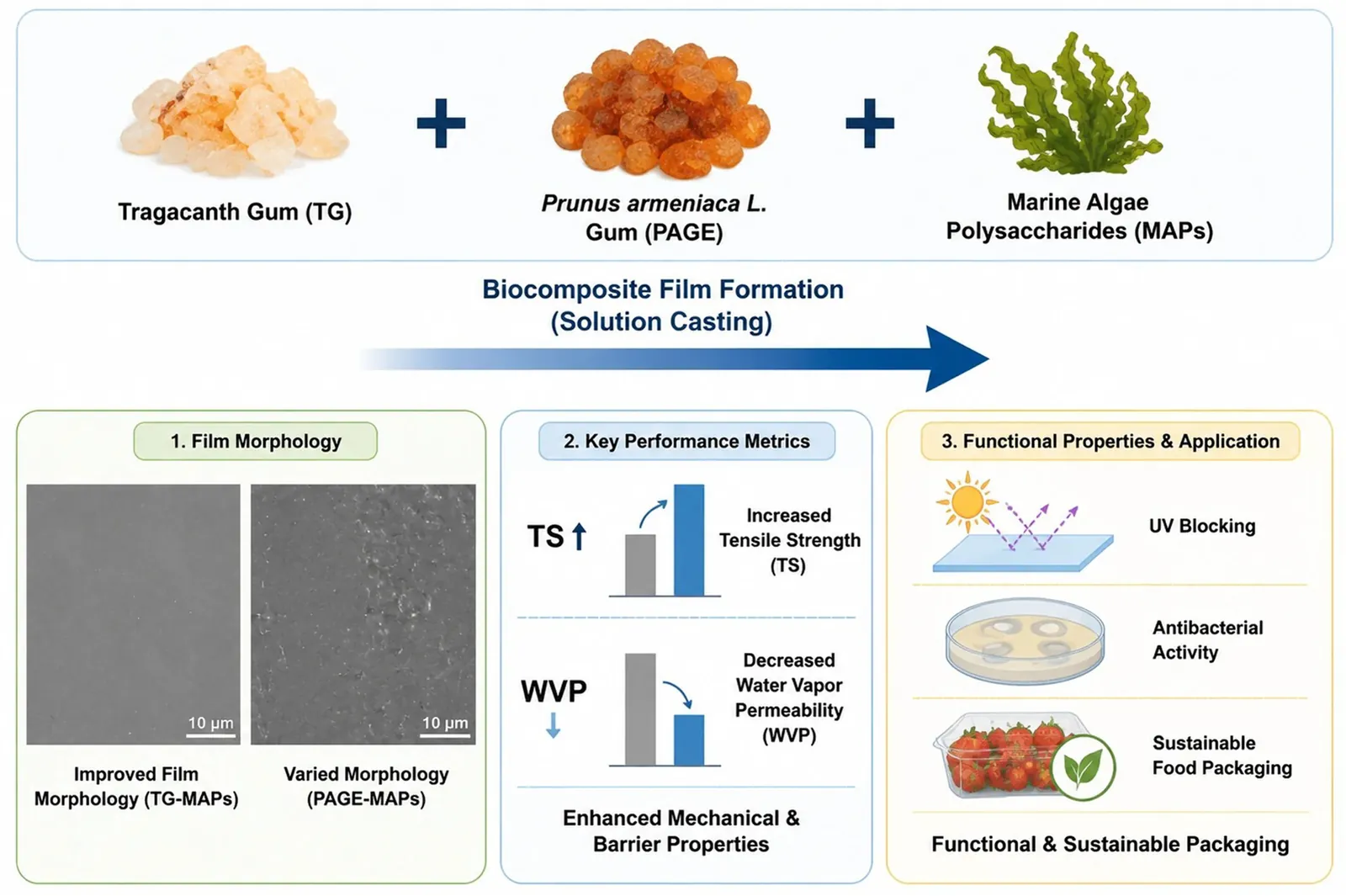
These materials vary by their fiber origin and the resin used to hold them together.
| Material type | Best for | Example |
|---|---|---|
| Wood-plastic | Decking and furniture | Pine flour composite |
| Flax-fiber | Car interior panels | Flax-reinforced epoxy |
| Hemp-polymer | Construction insulation | Hemp shiv board |
| Cellulose-based | Packaging solutions | Nanocellulose film |
| Jute-polyester | Structural supports | Jute mat composite |
Wood-plastic composites
Wood-plastic composites consist of wood flour or fibers mixed with thermoplastic resins like polyethylene or polypropylene. They’re ideal for outdoor building projects where moisture resistance is required without the maintenance of natural timber. The material resists rot and insects, which makes it a popular choice for deck boards and exterior siding.
- High dimensional stability prevents warping in changing weather.
- Resistance to fungal decay reduces the need for chemical treatments.
- Lower maintenance costs compared to solid wood over time.
If your project is for heavy structural load-bearing, don’t use standard wood-plastic composites because their flexural strength is lower than steel or concrete. For a standard deck board, you might find that it supports a load of 100 pounds per square foot, but you should check the manufacturer’s technical data sheet for the specific weight capacity of your chosen brand.
Flax-fiber composites
Flax-fiber composites use the bast fibers of the flax plant to provide high tensile strength and stiffness within a bio-based or synthetic matrix. These are suited for industries that need lightweight parts, such as automotive manufacturing or aerospace, where reducing the total weight of a vehicle improves fuel efficiency. They offer a high strength-to-weight ratio that rivals traditional glass fiber materials.
- Excellent vibration damping helps reduce noise in car cabins.
- Natural fiber alignment provides superior impact resistance.
- Lower density than glass fiber lowers the final product weight.
These composites perform best when the fiber content is between 30% and 50% by weight, as higher amounts can make the material brittle. If you’re designing for high-impact environments, ensure the fiber orientation matches the direction of the expected force. A mistake many people make is ignoring the moisture absorption of the fibers, which causes the composite to swell if the resin coating isn’t perfectly sealed.
Hemp-polymer composites
Hemp-polymer composites use stalks from the industrial hemp plant to create lightweight, insulating panels for the building industry. These materials excel in thermal and acoustic insulation because the porous nature of the hemp core traps air effectively. They’re perfect for walls where energy efficiency is a priority, as they provide a natural barrier against heat transfer.
- High thermal mass helps regulate indoor building temperatures.
- Carbon sequestration occurs during the growth of the hemp plant.
- Breathability prevents trapped moisture inside wall cavities.
This material isn’t for high-load structural columns, as it lacks the compressive strength of solid masonry or steel. If you’re building with these, you must use a frame to hold the weight of the roof. Note that the fire resistance of hemp composites varies by the type of additive used in the resin; always verify the fire rating on the product label before installation.
Cellulose-based composites
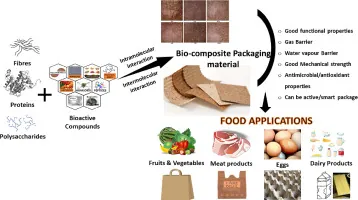
Cellulose-based composites utilize nanocellulose or refined plant fibers to create thin, strong films for packaging or electronics. They’re best for applications where biodegradability is a requirement, such as food containers or temporary product wraps. These materials provide a high barrier against oxygen and grease, keeping contents protected without relying on petroleum-based plastics.
- High transparency allows for clear product visibility.
- Excellent barrier properties protect food from spoilage.
- Complete compostability reduces long-term landfill waste.
These films are sensitive to high humidity, which can lead to a loss of mechanical strength. If you’re packaging dry goods, they will work perfectly; for liquid products, you must add a secondary coating. A common error is assuming these films are waterproof, which often leads to package failure if the product contains water or high-moisture ingredients.
Other biocomposite options
Jute-polyester composites serve as the standard for low-cost, semi-structural parts like storage containers. They balance durability and material cost, but only in indoor, dry environments. If you expose them to consistent humidity, the fibers will swell and cause the resin matrix to crack within two seasons.
Kenaf-reinforced polymers offer exceptional acoustic absorption for soundproofing panels. These are ideal for office spaces or recording studios where high-frequency noise control is necessary. Avoid using these in load-bearing applications, as their porous structure lacks the shear strength required for structural integrity.
Bamboo-fiber composites provide high tensile strength for outdoor fencing and garden structures. They perform best when treated with a UV-resistant coating to prevent rapid color fading. If you live in a climate with extreme temperature swings, apply a flexible sealant to accommodate the material’s natural expansion cycles.
Choosing the right biocomposite
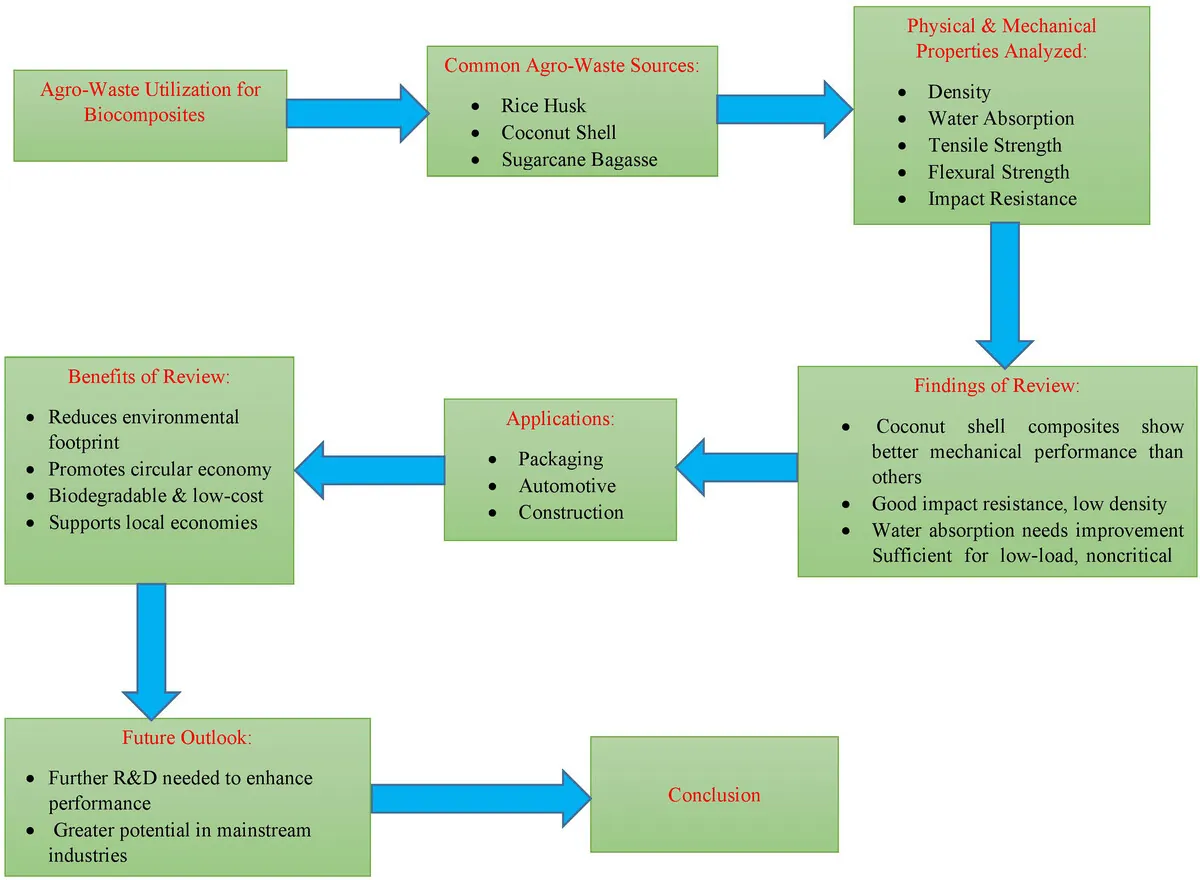
Deciding between these materials depends on your specific performance needs and the environment where the part will exist. If you need structural strength, prioritize flax-fiber composites. If you’re focusing on insulation or building interior panels, hemp-polymer is the correct choice. For simple, lightweight packaging, cellulose-based materials are the most efficient option.
Consider the moisture levels of your environment: if the area is consistently damp, choose wood-plastic composites for their superior water resistance. If you’re working in a dry, interior space, you can safely use hemp or jute-based options. These materials generally can’t be swapped without changing your manufacturing process, as each requires different curing temperatures and pressures to reach its full strength.
Related guides
- Foosball Glossary: Key Terms and Definitions Explained in 2026
- 10 Best Epoxy Wood Filler Picks for Strength and Finish in 2026
- Taylor K-2006 vs K-2006C: Key Differences and Best Pick in 2026
Frequently asked questions
Can biocomposites be recycled?
Most biocomposites are difficult to recycle because they combine natural fibers with synthetic resins, meaning the fibers and plastic can’t be easily separated. You should check the recycling guidelines in your local area, as they often require specialized industrial composting facilities rather than standard plastic collection bins.
How long do biocomposites last outdoors?
The lifespan of a biocomposite outdoors varies based on the protective coating and the specific resin used.
Is it safe to use biocomposites for food?
You must ensure the biocomposite is certified as food-grade, as standard resins may contain chemicals that aren’t safe for direct food contact. Always look for the relevant safety certification on the packaging or the manufacturer’s product page before using it for food storage or serving.
What happens if a biocomposite gets wet?
If a biocomposite isn’t properly sealed, the natural fibers will absorb water, leading to swelling, loss of structural strength, and potential mold growth. You can prevent this by ensuring the resin matrix fully encapsulates all fibers during the manufacturing process, which stops water from reaching the core.
Does it matter which resin is used?
The resin choice is the most important factor for the final strength and environmental impact of the composite. A bio-based resin will lower the total carbon footprint, while a synthetic resin might offer better moisture resistance for demanding, high-humidity applications.
How much weight can a biocomposite hold?
The weight capacity depends entirely on the fiber volume fraction and the geometry of the part, with some industrial panels supporting over 500 pounds per square meter. You should read the specific load-bearing specifications for your chosen product to ensure it meets the safety requirements for your intended application.
Conclusion
Start by identifying the primary stress the part will face in its daily use. Once you know the load requirements, select the fiber type that offers the best stiffness-to-weight ratio for your design. If you notice cracking or unexpected bending during testing, stop immediately and consult a materials engineer to adjust the fiber orientation or the resin ratio for your specific application.
