
Dealing with a stubborn clog is a frustrating experience that often leads homeowners to search for a toilet auger vs drain snake to determine which tool will resolve the blockage without causing further damage to their plumbing. A toilet auger typically costs between $25 and $85, while a standard manual drain snake for general plumbing can range from $15 to $70 depending on length and quality. Knowing the structural differences between these two tools is the first step toward restoring your home’s drainage efficiency safely and effectively.
Key Takeaways
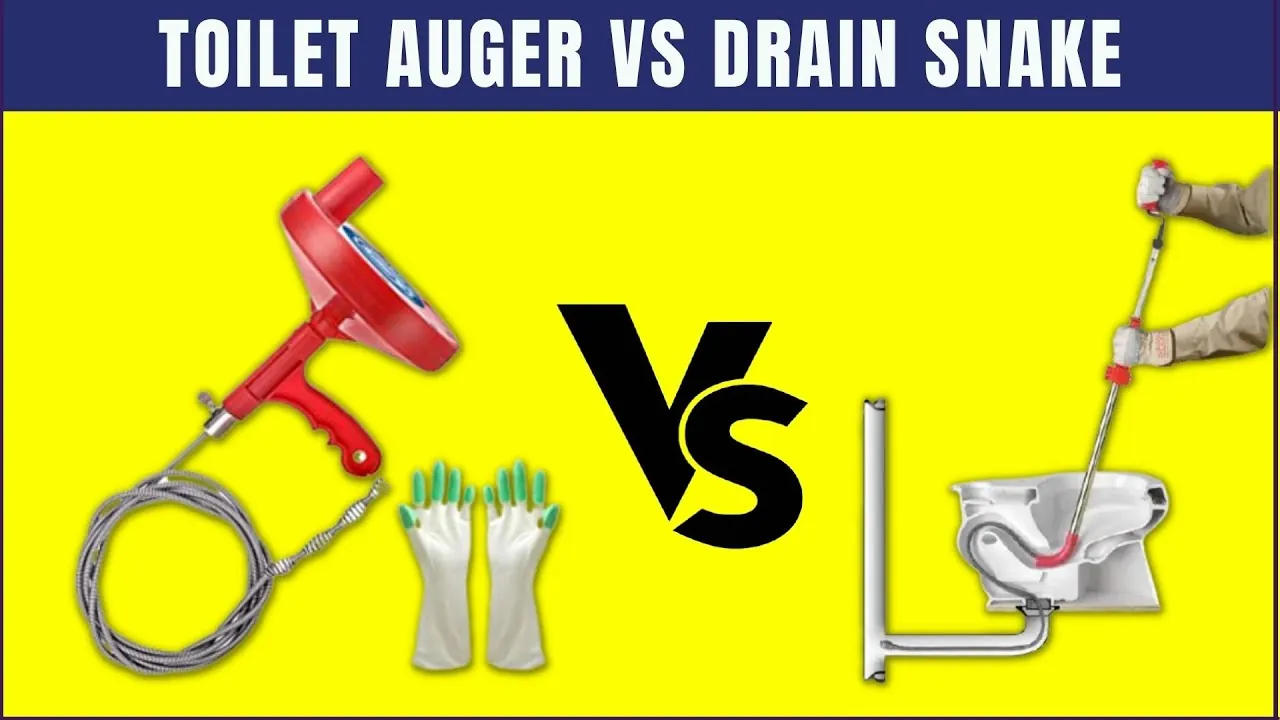
- Use a toilet auger exclusively for porcelain bowls to avoid scratching the finish.
- Standard drain snakes are designed for sink, tub, and shower pipes, not toilet traps.
- Always wear protective gloves and eye gear when working with plumbing equipment.
- If you can’t clear the blockage after two attempts, contact a professional plumber.
- Prevent future clogs by avoiding the disposal of non-flushable wipes or heavy paper.
What Is a Toilet Auger?
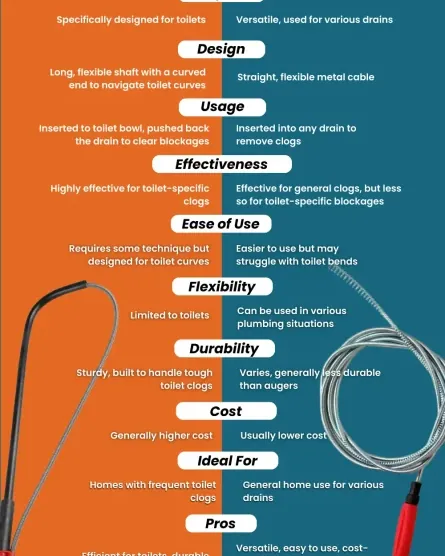
A toilet auger, often called a closet auger, is a specialized plumbing tool engineered specifically for the unique geometry of a toilet trap. It features a long, rigid steel rod encased in a protective plastic or vinyl sleeve. At the end of the rod is a small, corkscrew-like metal head designed to snag or break apart obstructions.
The primary advantage of the closet auger is its protective coating. Because the sleeve covers the rod as it moves through the bowl, the metal doesn’t come into direct contact with the delicate porcelain surface.
This prevents the unsightly scratches that can occur if you attempt to use a standard snake or a metal coat hanger to clear a blockage. The built-in crank at the top allows you to rotate the head, which is essential for working through the sharp, S-shaped curve of the toilet drain.
Understanding the Drain Snake
A drain snake, or plumbing snake, is a more versatile tool consisting of a long, flexible metal cable that can be fed into various types of pipes. Unlike the rigid auger, a drain snake is designed to navigate the bends of standard household plumbing found in bathroom sinks, kitchen drains, and shower pipes.
While a drain snake is highly effective for clearing hair, soap buildup, and food waste from narrow pipes, it’s generally ill-suited for a toilet. The cable is typically thinner and lacks the protective sleeve found on an auger.
If used in a toilet bowl, the cable can easily scratch the porcelain finish or become tangled in the trap way. Furthermore, the lack of a specialized head means it may simply push the clog deeper into the main drain line rather than retrieving it.
Comparing Toilet Augers and Drain Snakes
| Feature | Toilet Auger | Standard Drain Snake |
|---|---|---|
| Primary Use | Toilet bowl traps | Sinks, tubs, showers |
| Protection | Vinyl/Plastic sleeve | Bare metal cable |
| Flexibility | Rigid and guided | Highly flexible |
| Tip Design | Bulb or corkscrew | Wire coil or hook |
| Risk to Porcelain | Low | High |
When to Use Which Tool
Selecting the right tool for the job is essential to protecting your plumbing system and ensuring the clog is cleared efficiently. If the water is backing up in the toilet, you should always reach for a tool designed for that specific fixture.
Why the Toilet Auger Wins
The toilet auger is the only correct choice for a blocked toilet. Its design accounts for the “trapway,” which is the internal passage that holds a small amount of water to prevent sewer gases from entering the home. Because the trapway is narrow and curved, you need the rigid, guided support of an auger to push through the obstruction.
When the Drain Snake Excels
A drain snake is your go-to tool for clogs located in the pipes behind your fixtures. If you notice slow drainage in a bathroom sink or a bathtub, the Environmental Protection Agency guidelines on household water efficiency suggest that maintaining clear pipes is crucial for system health. The flexible nature of the snake allows it to navigate the P-traps under sinks, which are standard components in residential plumbing systems.
How to Operate a Toilet Auger
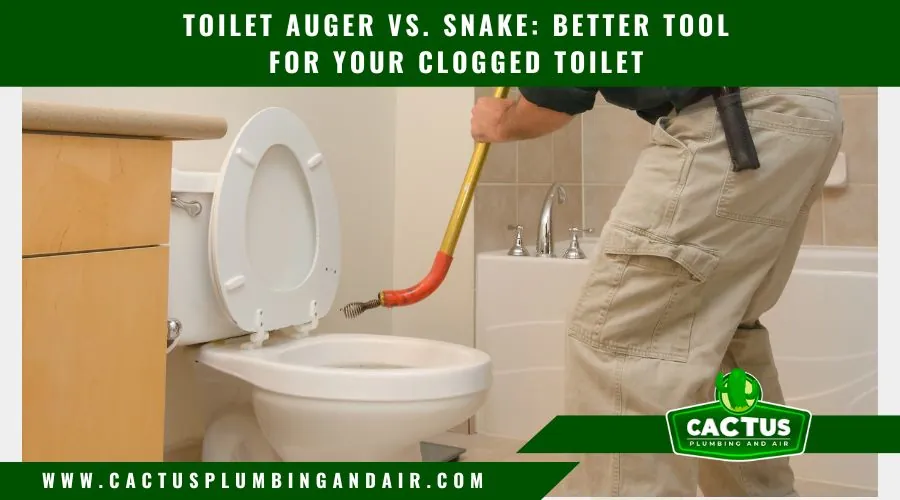
Successfully using a toilet auger requires a systematic approach to ensure you don’t push the debris further into the line. Follow these steps to clear the obstruction safely.
- Position the Auger: Retract the cable into the sleeve and place the head of the auger into the bottom of the toilet bowl.
- Extend the Cable: Slowly crank the handle to push the cable forward into the drain trap.
- Rotate the Head: When you feel resistance, rotate the handle clockwise to snag the obstruction.
- Retrieve or Break: Once you feel the clog, pull the cable back to retrieve the debris or break it into smaller pieces that can pass through.
- Test the Flow: Flush the toilet to ensure water flows freely. If it still drains slowly, repeat the process.
Risks of Using Incorrect Tools
Using the wrong tool can lead to expensive repairs. A metal drain snake in a toilet bowl is the most common cause of “porcelain scarring,” which creates permanent dark marks that are impossible to remove. Moreover, if a thin drain snake cable gets knotted inside the tight bends of a toilet trap, you may need to remove the entire toilet from the floor to retrieve the tool.
Warning: Never use chemicals in conjunction with a physical auger or snake. The chemical residue can splash back onto your skin during the mechanical process, causing severe burns. Always clear the blockage mechanically first, and only use chemical drain cleaners as a last resort, if at all, as they can damage older pipe materials.
Maintaining Your Plumbing Tools
Proper maintenance of your tools ensures they’re ready for the next emergency. After using an auger or snake, thoroughly rinse the cable with water and a mild disinfectant to remove any sewage or debris. Allow the cable to air dry completely before retracting it into the housing or coiling it for storage. This prevents rust from forming on the steel core, which could lead to cable breakage during future use.
Pro Tip: If you have an auger with a removable head, inspect the tip for wear or metal fatigue after every use. A compromised tip is more likely to break off inside your pipes, creating a much larger and more costly problem than the original clog.
Troubleshooting Common Clog Issues
If you have used the correct tool and the water still doesn’t drain, you may be dealing with a deeper issue. Start by identifying the type of clog you’re facing.
- Foreign Objects: If a child dropped a toy or a large amount of excess paper was flushed, the auger is your best chance at retrieval.
- Tree Roots: If multiple fixtures in your home are backing up, the problem is likely in the main sewer line, not the toilet trap. In this case, neither a small auger nor a snake will suffice.
- Hard Deposits: Over time, minerals can build up in the trap. If you suspect this, you may need a heavy-duty sewer machine or professional intervention.
Evaluating Clog Severity
If your toilet bubbles when you run the sink, you likely have a blockage in the main stack or the vent system. In such scenarios, trying to use a toilet auger will provide no relief. You should check the exterior vent on your roof for blockages, such as bird nests or leaves, which often prevent proper airflow and drainage.
Selecting the Right Equipment
When purchasing tools, look for quality over price. A cheap plastic auger may snap under pressure, leaving you with a broken tool stuck in your drain.
- Professional Models: Brands like Ridgid or General Wire Spring offer durable equipment that can last for decades.
- DIY Models: Hardware stores like Home Depot or Lowe’s carry entry-level augers that are suitable for occasional home use.
- Cable Thickness: For toilet augers, look for a cable thickness of at least 1/2 inch to provide enough stiffness to break through dense clogs.
Comparing Costs and Value
Investing in a quality tool is cheaper than a single visit from a professional plumber. Most plumbers charge a call-out fee ranging from $100 to $300, plus hourly labor rates. By maintaining a basic set of plumbing tools, you can resolve minor issues yourself and save significant money over the lifespan of your home.
| Tool Type | Expected Lifespan | Typical Cost Range |
|---|---|---|
| Basic Toilet Auger | 3–5 years | $25–$45 |
| Heavy-Duty Auger | 10+ years | $50–$85 |
| Standard Drain Snake | 5–7 years | $15–$70 |
Related guides
- 10 Best Drain Cleaner for Gnats Picks to Clear Infestations in 2026
- 7 Best Drain Cleaner for Dishwasher Picks to Clear Clogs in 2026
Frequently Asked Questions
Can I use a drain snake in a toilet?
While you technically can, it’s highly discouraged. A standard drain snake is designed for narrow, straight, or slightly curved pipes like those found in sinks. Using it in a toilet trap will likely scratch the porcelain bowl and may not be rigid enough to clear a stubborn clog, potentially leading to the cable getting stuck inside the trapway.
How often should I snake my drains?
You should only snake your drains when you notice a significant decrease in drainage speed. There’s no need for preventative snaking, as the process can cause wear and tear on your pipes over time. If you find yourself snaking drains more than once or twice a year, you likely have a deeper issue with your plumbing system that requires professional inspection.
What if the auger gets stuck?
If your auger becomes stuck in the trap, don’t pull with excessive force. Gently rotate the handle in the opposite direction while pulling back slowly. If it remains stuck, stop immediately to prevent damaging the toilet or snapping the cable. At this point, it’s safest to call a professional plumber to avoid cracking the porcelain or causing a major leak.
Does a toilet auger remove roots?
No, a standard toilet auger isn’t designed to remove tree roots. Roots typically enter the main sewer line outside of your home, requiring a professional-grade motorized drain cleaner or a hydro-jetting service. If you suspect roots are the cause of your blockage, a manual toilet auger will be completely ineffective and you should contact a licensed plumber to assess the main line.
Can I use a pressure washer on a clog?
You should never use a pressure washer inside your home to clear a drain. The high pressure can easily burst your pipes or force water and sewage back into your walls and under your flooring, causing catastrophic water damage. Pressure washers are intended for exterior cleaning only and aren’t appropriate tools for internal residential plumbing maintenance or clog removal.
Conclusion
Maintaining your home’s plumbing is an essential skill that saves money and prevents damage. Now that you understand the distinct roles of the toilet auger and the drain snake, inspect your current tools to ensure they’re in good working order. If you have an active clog, select the appropriate tool based on this guide and proceed carefully with the steps provided to restore flow.