
Universal, adjustable, and chain-less systems are the best toilet flappers to ensure a tight seal and prevent constant running. These parts come in 2-inch or 3-inch diameters, which must match your flush valve. If your current flapper is made of stiff, aged rubber, replace it to stop the tank from constantly refilling.
Toilet flapper types and uses

The variety of components available can be confusing, but most toilets use one of these standard designs. You must measure your current flush valve opening before buying a replacement to ensure a correct fit.
| Item Name | Best For | Example |
|---|---|---|
| Universal 2-inch | Standard older toilets | Korky 2-inch flapper |
| 3-inch large flush | High-efficiency toilets | Fluidmaster 3-inch model |
| Adjustable dial | Fine-tuning water volume | Korky adjustable flapper |
| Chlorine-resistant | Hard water or tablets | Silicone-based flapper |
| Chain-less arm | Preventing chain tangles | Rigid arm flapper |
Measure the outer diameter of the flush valve opening. If your tape measure reads two inches, you have a standard toilet. If it reads three inches, you’re dealing with a high-efficiency model. Buying the wrong size is the most common mistake, and it will cost you a constant, audible leak that wastes hundreds of gallons of water each month.
Check your tank for chemical tablets. If you drop chlorine pucks into the tank, standard rubber flappers will disintegrate within months. Use a silicone-based flapper instead to withstand the harsh environment.
If your toilet runs intermittently, check the chain slack. A chain that’s too tight prevents the seal from closing, while one that’s too loose gets caught under the flapper. If you see the chain tangling frequently, switch to a rigid arm model. This replaces the chain entirely with a solid plastic lever, ensuring the flapper drops perfectly into the center of the valve every time.
When in doubt, pull the old flapper out and take it to the store. Comparing the hinge style—whether it mounts to the side of the overflow tube or clips onto the valve ears—is the only way to guarantee compatibility if the markings on the old part have faded.
Universal 2-inch rubber flappers
A universal 2-inch rubber flapper is the standard choice for most gravity-fed toilets manufactured before the mid-2000s. These are simple, flexible components that rely on the weight of the water and the rubber’s suction to maintain a seal. They’re ideal for homeowners who need a quick, inexpensive fix for a leaking tank.
If your toilet runs intermittently or you hear a phantom flush every twenty minutes, the flapper is likely the culprit. A quick test involves putting six drops of food coloring into the tank and waiting fifteen minutes without flushing. If color appears in the bowl, the seal is compromised.
Most people make the mistake of buying a “universal” model without measuring the flush valve. If your valve measures 3 inches across, a 2-inch flapper will simply fall through or fail to seat, costing you a wasted trip to the hardware store and continued water loss. Always check the diameter of the flush valve opening before purchasing.
Provides a simple, reliable seal for standard 2-inch flush valves.
Includes a universal chain that works with most handle levers.
Uses flexible rubber to conform to uneven surfaces on the flush seat.
Installs in under 5 minutes without requiring any special plumbing tools.
To install this, turn off the water supply to the toilet and flush it to drain the tank. Remove the old flapper from the two pegs on the overflow pipe, then attach the new one. Ensure the chain has about 1/2 inch of slack when the handle is at rest.
If the chain is too tight, the flapper won’t seat fully, causing a slow leak. If the chain is too loose, it may get caught under the flapper during a flush, preventing the tank from refilling. Test the tension by pushing the handle down; if the flapper lifts easily and falls back into place with a solid thud, your installation is successful.
3-inch large flush flappers
A 3-inch large flush flapper is designed for modern, high-efficiency toilets that require a larger volume of water to clear the bowl in one go. These flappers are wider than the traditional models and often feature a rigid frame to ensure they stay centered over the larger opening. They suit people who have newer toilets with higher performance ratings.
Covers the wide 3-inch opening required for high-flow flush systems.
Maintains a consistent seal under higher water pressure levels.
Features a rigid hinge that prevents the flapper from shifting sideways.
Reduces the frequency of phantom flushes caused by weak seals.
These parts are specific to the valve size, so you can’t use a 2-inch flapper on a 3-inch valve. If you’re unsure of your size, measure the inner diameter of the flush valve opening; if it measures approximately 3 inches across, this is the correct category for your needs.
Most homeowners mistake the outer diameter of the flapper for the valve size. Always measure the drain opening itself. If the opening is 3 inches, a 2-inch flapper will fall through or fail to seat entirely. This leads to constant water running, which can add up to 200 gallons of waste per day.
You can verify your specific model by looking for the tank stamp. Enter this code into a search engine to confirm the exact valve diameter before purchasing.
If your toilet flushes with a loud, hollow sound but fails to clear waste, the flapper may be closing too quickly. Check the chain length. If the chain has more than half an inch of slack, the flapper can’t lift high enough to stay open for the full cycle. Shorten the chain by one link at a time until the flush duration matches the bowl’s requirements.
If your water has a high mineral content, the rubber seal will harden within two years. Use a damp cloth to wipe the valve seat clean during every flapper replacement. A smooth, grit-free surface is the only way to guarantee a watertight seal.
Adjustable dial flappers
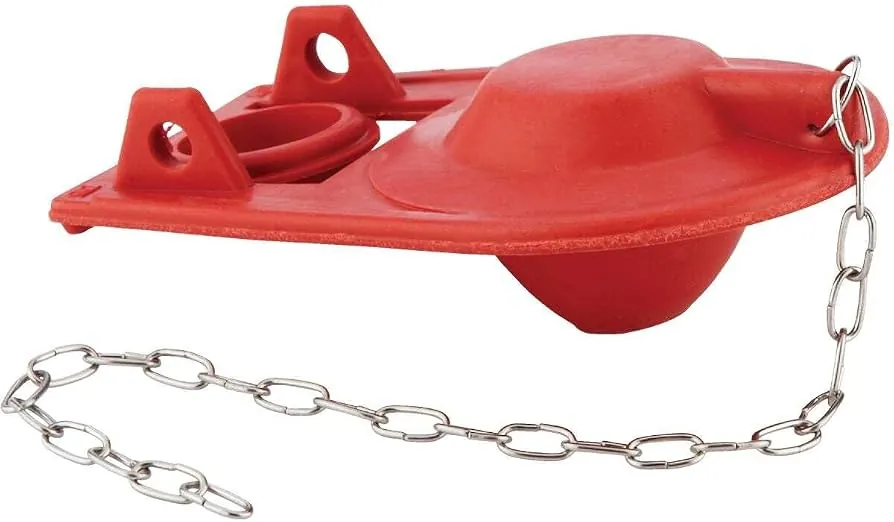
An adjustable dial flapper allows you to control how much water leaves the tank, which helps in managing water usage per flush. These are excellent for homeowners looking to save on utility bills by reducing the total volume used during each cycle. They feature a small dial or slider on the body that changes the buoyancy of the unit.
- Allows for precise adjustment of the flush volume to save water.
- Fits both 2-inch and 3-inch valves depending on the specific model.
- Reduces the noise of a long, drawn-out flush cycle.
- Prevents “double flushing” by closing the valve at the optimal time.
This item requires more setup than a standard rubber flapper because you must test the dial setting to find the right balance for your tank size. If you set the dial for too little water, the bowl may not clear completely; if you set it for too much, you lose the benefit of the adjustment.
Chlorine-resistant silicone flappers
A chlorine-resistant silicone flapper is the best choice for people who use in-tank chlorine tablets to clean their toilet. Standard rubber parts often degrade quickly when exposed to heavy chemicals, causing them to warp or turn into a sticky mess. If you notice your flapper is swelling or losing its shape, you should switch to a silicone-based product.
- Resists chemical breakdown from chlorine tablets or hard water minerals.
- Maintains a flexible shape for several years longer than standard rubber.
- Prevents the “leaking” sound that happens when rubber starts to warp.
The Environmental Protection Agency notes that checking for leaks is a vital way to save water, and using the correct material for your environment is the first step in that process. Unlike rubber, silicone doesn’t easily absorb the chemicals found in cleaning tablets, which keeps the hinge moving freely and the seal tight against the valve seat.
Other flapper designs
Chain-less flappers replace the traditional flexible chain with a rigid plastic arm. This design eliminates the most common cause of a phantom flush: the chain becoming trapped under the rubber seal. If your toilet runs intermittently for no apparent reason, check if your chain is catching on the overflow pipe. A rigid arm ensures the flapper drops perfectly into the center of the flush valve every time.
Tank-specific flappers are engineered for the unique geometry of specific toilet brands. If your toilet features a non-standard flush valve opening or a low-profile tank, a universal flapper will likely fail to create a watertight seal.
You can identify these systems by looking for a manufacturer’s stamp inside the tank or on the underside of the lid. If you see a proprietary logo, don’t gamble on a universal replacement. Buying the wrong part usually results in a slow, persistent leak that wastes hundreds of gallons of water per month.
When choosing between these designs, look at the connection point on your flush valve. If the valve has a standard side-mounted ear, a chain-less arm will snap on easily. However, if your flush valve is molded into the tank base or features an unusual shape, you must stick to the manufacturer’s specific part.
Using a generic flapper on a specialized valve often creates a gap that you can’t see but can hear. If you hear a hissing sound after the tank refills, the seal isn’t airtight, and you should switch to the manufacturer’s recommended component immediately.
How to choose the right flapper
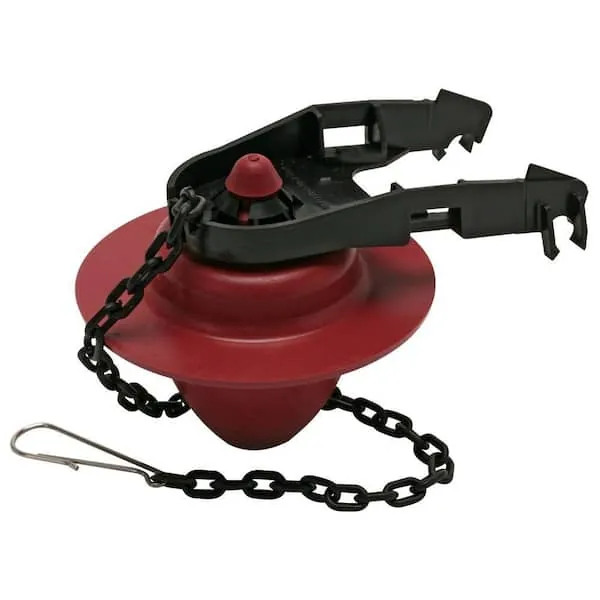
Choosing the right flapper depends on the size of your flush valve and the chemicals you use in your tank. Measure the diameter of the opening at the bottom of the tank; if it is 2 inches, you need a standard flapper, and if it is 3 inches, you need a large-flush model.
Most homeowners make the mistake of buying a universal flapper without checking the flush valve diameter first. A 2-inch flapper won’t seat on a 3-inch valve, leading to a constant, silent leak that can waste thousands of gallons of water per year. If your toilet runs intermittently throughout the day, the valve size is the first place to look.
Look at the material of your current flapper. If the rubber is disintegrating or you use chemical cleaning tablets in your tank, choose a silicone flapper to prevent premature failure. Chlorine tablets break down standard rubber within months, causing the material to swell or warp. If your water is treated with high levels of chlorine, the extra cost of silicone pays for itself by preventing the need for annual replacements.
Check the connection point on your overflow tube. If the pegs are broken or missing, you’ll need a universal flapper that comes with a new mounting ring. This ring snaps around the base of the overflow tube, providing a fresh anchor point for the flapper hinges.
These choices are independent. You can combine a 3-inch size with a silicone material if your specific toilet requires both. If you’re unsure which path to take, pull the old flapper and bring it to the hardware store. Matching the exact shape and hinge style of your original part is the only way to guarantee a perfect seal on older, non-standard toilets.
Related guides
- How to Measure Toilet Seat Size: A Simple 3-Step Guide in 2026
- Best Toilet Seat With Price in 2026
- Best Self Cleaning Bidet Toilet Seats in 2026
Frequently asked questions
How do I know if my toilet flapper is leaking?
You can identify a leaking flapper by adding food coloring to the tank and checking the bowl after 30 minutes. If the water in the bowl changes color, the flapper isn’t holding a tight seal. This test works for any gravity-fed toilet regardless of age.
How often should I replace a toilet flapper?
Most flappers should be replaced every 3 to 5 years, depending on water quality and chemical tablet use. Hard water or chlorine can cause the rubber to harden or warp faster. If the toilet runs intermittently or the handle feels loose, check the flapper for swelling or cracking.
Can I use a 3-inch flapper on a 2-inch valve?
No, you can’t use a 3-inch flapper on a 2-inch valve because it won’t seat correctly. The flapper must match the diameter of the flush valve opening exactly to create a waterproof barrier. Always measure the valve opening before buying a replacement to ensure the size is compatible.
Why does my toilet run for a few seconds after flushing?
The toilet runs after a flush because the flapper isn’t closing properly or the chain is too long. If the chain catches under the flapper, it prevents a full seal. If the chain isn’t the problem, the flapper might be worn out and losing its shape.
Is it safe to replace a toilet flapper myself?
Yes, it’s safe to replace a flapper yourself without professional plumbing experience. Simply turn off the water supply valve behind the toilet and flush the tank to drain it. Once empty, you can unhook the old flapper and attach the new one, provided the valve itself isn’t damaged.
Does it matter which brand of flapper I buy?
It doesn’t matter which brand you buy as long as the size and connection type match your existing flush valve. Universal flappers fit most standard toilets, while tank-specific models are necessary for proprietary systems. Always check the packaging for the 2-inch or 3-inch size to ensure compatibility.
Conclusion
Start the process by turning off the water supply valve located behind the toilet and flushing the tank to drain it. Once the tank is clear, observe the old flapper to see how it attaches to the overflow pipe and the chain. Expect the new flapper to seat firmly against the valve opening.