
Stainless steel, PVC, and braided metal are the materials that make up the best shower hoses for most home bathrooms. These items are common plumbing accessories that connect a shower head to the water supply, providing the flexibility needed for comfortable bathing. While they all serve the same primary function of delivering water, they differ significantly in their durability, ease of cleaning, and resistance to kinking during daily use. Selecting the right one depends on your specific shower setup and how often you need to adjust the height or angle of your sprayer.
Comparison of common shower hoses
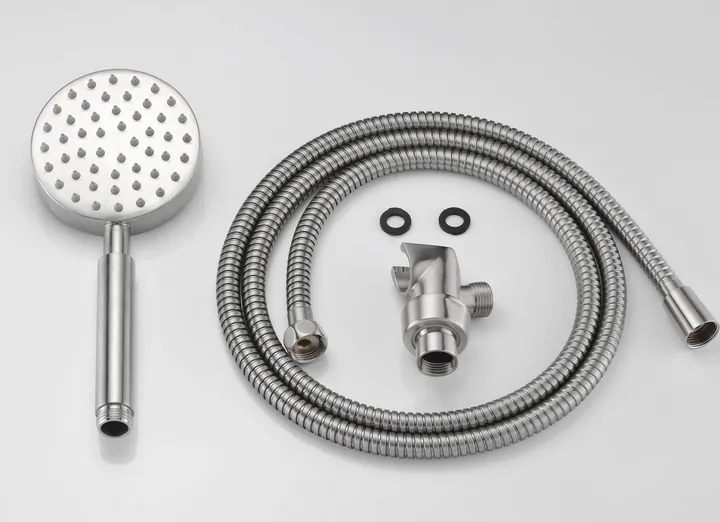
The right choice depends on your budget and how much you value a clean, tangle-free appearance in your shower. This table breaks down the main types based on their construction and typical performance in a home environment.
| Type | Best for | Typical Example |
|---|---|---|
| Stainless Steel | High durability | Interlocking metal coil |
| PVC Plastic | Easy cleaning | Smooth white tubing |
| Braided Metal | Preventing kinks | Reinforced rubber core |
| Silicone Coated | Modern aesthetics | Soft-touch outer layer |
Stainless steel hoses are the industry standard for longevity, but they fail if the inner rubber core dries out.
PVC plastic is the most affordable option, yet it suffers from “memory” issues. If the hose stays looped in one position for weeks, it will permanently kink. Avoid this by choosing a length that allows the hose to hang straight when not in use. If your shower head sits low, buy a 60-inch hose instead of the standard 72-inch model to prevent excess slack.
Braided metal offers the best balance of flexibility and strength. These are ideal for heavy handheld shower heads that pull on the connection. If you have low water pressure, avoid braided models with narrow internal diameters, as they restrict flow more than smooth-bore PVC.
Silicone-coated hoses are the easiest to maintain because they lack the crevices found in interlocking metal coils. Use these if you have hard water, as mineral deposits wipe away instantly. If you see white crust forming on your current hose, a silicone sleeve will prevent that buildup from returning.
Stainless steel coiled hoses
Stainless steel coiled hoses are the industry standard for durability because they feature an interlocking metal design that resists stretching. They suit households that need a long-lasting replacement for a basic plastic hose that has cracked or become brittle over time. If you have a high-pressure shower system, these are a reliable choice as they handle water force without expanding or bursting.
They maintain their shape even when pulled at sharp angles during use. The metal construction is highly resistant to heat damage from hot water. They provide a classic, industrial look that matches most chrome fixtures. The surface finish resists rust, provided it’s wiped down after use.
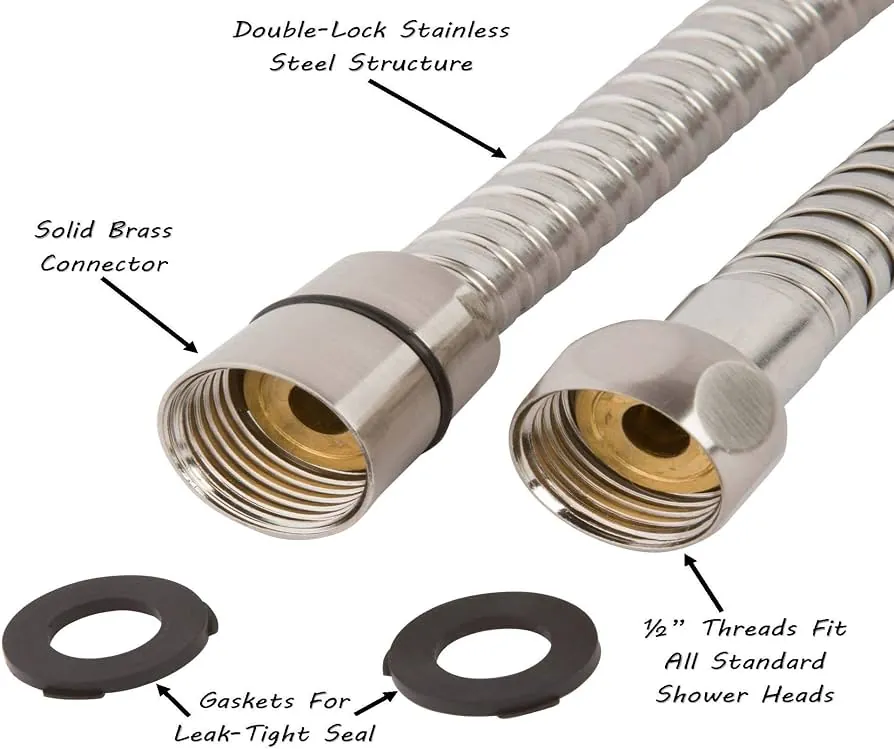
Check the internal core material before you buy. If the inner tubing is made of EPDM rubber, it will withstand temperatures up to 190 degrees Fahrenheit without degrading. If the core is cheap PVC, it will likely develop pinhole leaks within eighteen months of daily use. Always prioritize models that specify a double-interlock construction, which allows the hose to flex without kinking or restricting water flow.
A common mistake is tightening the connectors with a wrench until they’re immovable. This often crushes the rubber gasket inside, causing a leak at the connection point. Instead, hand-tighten the nut until it feels snug, then give it a final quarter-turn with a cloth-covered tool to protect the finish.
For instance, a standard 60-inch stainless steel hose can be used to replace a shorter, worn-out plastic version to allow for easier cleaning of the shower enclosure. If the hose feels stiff, run hot water through it for two minutes to soften the internal rubber liner before attaching it to your shower head.
If the hose remains rigid after this process, verify that the internal liner isn’t twisted; a kinked inner tube will restrict pressure regardless of the outer metal casing’s flexibility. Always ensure the washers are seated flat against the shower arm to prevent drips.
Smooth PVC shower hoses
Smooth PVC plastic hoses are the easiest to keep clean because they lack the crevices where soap scum and mildew typically gather. They suit people who prioritize hygiene and want a low-maintenance solution that wipes down in seconds with a damp cloth. These are also a great choice for families with small children, as the smooth surface is less likely to scratch delicate skin if it brushes against them.
The non-porous surface prevents the buildup of bacteria and mold. They’re lightweight and move freely without making noise against tile walls. Installation is simple, as they usually require only a hand-tightened connection. The flexible material is less likely to crack than rigid or older plastic.
A 72-inch smooth PVC hose is often used in walk-in showers where extra reach is required to rinse down walls or floors. Because these hoses can sometimes be prone to kinking if bent sharply, you should ensure your shower bracket holds the head in a way that allows the hose to hang naturally straight.
If you notice the hose stiffening or losing its flexibility, it’s likely reacting to high water temperatures. Most standard PVC hoses are rated for a maximum temperature of 140 degrees Fahrenheit. In that case, switch to a reinforced silicone hose instead.
Watch for the weight of your shower head before you commit to a smooth PVC model. If you have a heavy, multi-function spray head, stick to a metal-coil hose to protect the internal connection points.
When installing, always use the rubber washers provided in the package. People often skip these to avoid a thicker connection, but doing so forces you to overtighten the nut. Overtightening causes the plastic threads to strip, leading to slow, hidden leaks behind your wall.
If the hose feels loose, stop turning immediately and check that the washer is seated flat. A perfectly installed hose should remain drip-free with only a quarter-turn past hand-tight. This simple step prevents the most common cause of premature hose failure.
Braided metal shower hoses

Braided metal shower hoses consist of an inner rubber or plastic tube protected by a woven metal jacket. They suit users who struggle with hoses that constantly kink or twist, as the braided layer adds structural integrity that prevents the inner tube from collapsing. While these are often more expensive than basic models, they offer a significant upgrade in longevity and resistance to internal pressure spikes.
- The woven exterior prevents the inner tubing from twisting into tight knots.
- They provide a higher weight-to-flexibility ratio, keeping the hose steady during use.
- The reinforced core is less likely to leak at the connection points over time.
- They’re compatible with most standard shower heads found in modern homes.
A 59-inch braided hose is a common choice for high-end shower systems where consistent water flow is essential for a comfortable experience. Note that these hoses are often heavier than plastic models, so they may require a sturdy shower wall mount to support the added weight. If your shower is located in a rented apartment, check that your landlord allows for the replacement of fixtures before installing a heavy-duty model.
Silicone coated shower hoses
Silicone coated hoses offer a soft-touch, premium feel that combines the flexibility of plastic with a more durable outer finish. They suit homeowners who want a minimalist look that’s both easy to grip and resistant to water spotting. These are a modern alternative to traditional metal coils, providing a sleek aesthetic that stays cleaner for longer without the risk of metal corrosion.
The outer coating is waterproof and resists common household cleaning chemicals. They’re quiet to operate, as they don’t clatter against glass or tile. The material is highly flexible and won’t kink during normal use.
If your shower setup involves a heavy, high-pressure rainfall head, check the hose’s internal core rating. Many silicone models use a reinforced EPDM rubber inner tube capable of handling up to 80 PSI. If your home’s water pressure exceeds this, the hose may balloon or burst at the crimped connection points.
A common mistake is assuming all silicone hoses are identical in heat resistance. While most handle standard hot water, prolonged exposure to temperatures above 150 degrees Fahrenheit can cause the outer jacket to lose its structural integrity. If you have a high-output tankless water heater, ensure the hose is specifically rated for high-temperature commercial use.
An example of this is a 60-inch silicone hose used in a modern bathroom design to complement matte black or brushed nickel shower fixtures. Because the silicone material can be sensitive to sharp objects, avoid using abrasive scrubbers when cleaning the hose to prevent nicks or tears in the outer surface.
Use a soft microfiber cloth and a mild soap solution to maintain the matte finish. If you notice a small puncture, don’t attempt to patch it with silicone sealant; the internal pressure will inevitably force a leak. Replace the unit immediately to prevent water damage behind your shower wall.
Other shower hose options
Double-lock metal hoses are built with two layers of interlocking steel for maximum pull-strength. These are ideal for heavy-duty use or commercial settings where the hose is pulled and stretched multiple times a day by different users. If you have children who tug on the showerhead or a high-traffic bathroom, choose this design to prevent the internal rubber tubing from snapping under tension.
Extra-long hoses reach 80 inches or more and are designed for accessibility needs. Reach for these if you need to sit on a shower bench while washing, as they provide enough length to move comfortably without pulling on the wall connection. If you find yourself straining to reach your feet or the far corners of the tub, the extra two feet of slack eliminates the risk of jerking the mounting bracket loose from the wall.
Anti-microbial treated hoses contain additives in the plastic to discourage mold growth. These are the best choice for bathrooms with poor ventilation or high humidity levels where traditional materials might develop dark spots quickly. If your bathroom lacks a window or a powerful exhaust fan, look for the specific “anti-microbial” label on the packaging to avoid the common mistake of buying standard PVC, which often requires harsh scrubbing within months.
If you prioritize aesthetics, consider silicone-wrapped hoses. These offer the flexibility of plastic with a smooth, matte finish that wipes clean in seconds. Unlike metal coils, which can trap soap scum and mineral deposits in their deep grooves, silicone surfaces remain pristine with a simple rinse. Use this option if you live in an area with hard water, as it prevents the unsightly white scale buildup that ruins the look of chrome-plated metal hoses.
Deciding which hose is right for you
Choosing the right hose starts with identifying your primary goal: longevity, cleanliness, or tangle resistance. If you have a small shower stall where the hose is constantly bent at tight angles, a braided metal hose is your best option because it resists kinking better than the others.
If your bathroom is prone to moisture and you want to avoid scrubbing away mold, a smooth PVC or silicone hose will save you the most time. For those who prioritize durability above all else, a stainless steel model will withstand the most wear and tear over several years.
You must also consider the length you need to reach all corners of your shower space. If you’re tall or have a large enclosure, a 72-inch hose is usually necessary to ensure you aren’t straining the connection at the wall.
Conversely, if you have a compact shower, a 59-inch hose prevents excess length from tangling around your feet. You can’t typically combine two short hoses to make a long one, as the added weight and extra connection point increase the risk of leaks and pressure drops.
Frequently asked questions
How long should a shower hose be for a standard shower?
A 60-inch hose is the standard length for most residential showers. You should choose a 72-inch or 80-inch hose if you use a shower chair or have a large enclosure. Always measure your wall outlet distance to ensure the length allows for comfortable movement.
How do I stop my shower hose from kinking?
You can prevent kinking by choosing a model with a reinforced core and ensuring it isn’t twisted during installation. If your current hose kinks, it may be too long for your space. Hold the new hose vertically to let the material relax before tightening the connections.
Is it safe to replace a shower hose myself?
Yes, replacing a shower hose is a safe, simple task that requires no specialized tools. You simply unscrew the old hose and hand-tighten the new one onto the wall pipe and shower head. Always use a rubber washer at each connection point to prevent leaks.
How often should I replace my shower hose?
The lifespan depends on your home’s water quality and usage frequency. Visible mineral deposits or mold indicate the internal material is degrading and needs replacement.
Can I use a metal hose with a plastic shower head?
Yes, you can use a metal hose with a plastic shower head if the threads are the standard half-inch size. The weight of a metal hose may put extra stress on a plastic mount. If the head droops, you may need a sturdier wall bracket to support it.
What happens if my shower hose leaks at the connection?
A leak at the connection usually happens because the rubber washer is missing, worn out, or incorrectly seated. You should unscrew the hose, check that the flat rubber washer is inside the nut, and ensure it isn’t twisted or damaged. If the washer looks flattened or cracked, replace it with a new one from a hardware store; this simple change stops most drips without needing a new hose.
Conclusion
Measure your shower space carefully to select the ideal hose length for your needs. Once you have chosen the right product, follow the manufacturer’s installation guide to ensure a secure, leak-free fit. Check the manufacturer’s website for additional maintenance tips to extend the life of your new hardware.