
Stainless steel, brass, and plastic are the most common materials for the best handheld bidet sprayers, which provide a targeted stream of water for personal hygiene. These devices all share the same goal of improving cleanliness, but they differ primarily in their internal valve construction and mounting style. While some models feature simple trigger mechanisms, others include pressure-control valves that allow you to adjust the intensity of the water flow. Choosing the right one depends on your existing plumbing setup and how much control you want over the spray pressure during daily use.
Quick guide to handheld bidet sprayer types
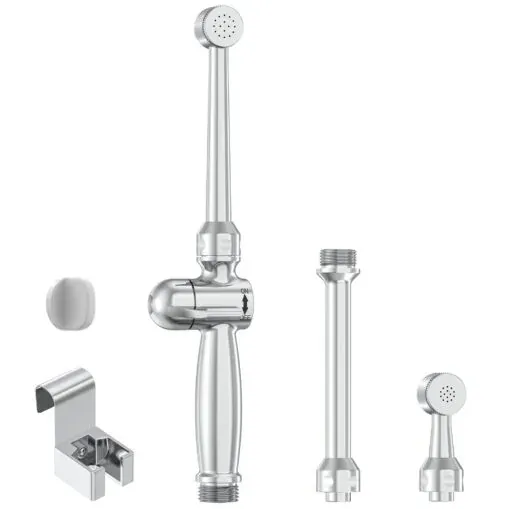
The following table highlights the key differences between common sprayer models to help you identify which one fits your needs.
| Sprayer Type | Best For | Concrete Example |
|---|---|---|
| Stainless Steel | Durability and longevity | Brushed steel trigger nozzle |
| Brass Core | High-pressure systems | Heavy-duty brass body sprayer |
| Plastic ABS | Budget-friendly installation | White chrome-plated plastic unit |
| Dual-Valve | Safety and leak prevention | T-valve with shut-off switch |
| Adjustable Flow | Sensitive skin comfort | Variable trigger pressure model |
Stainless steel units resist corrosion and mineral buildup, making them the safest bet for homes with hard water. If your local water supply leaves white crust on your faucets, skip the plastic models. They often crack under the constant pressure required to clear those deposits.
Brass core sprayers are the only choice for households using a high-pressure pump. If your home sits at the end of a municipal line or uses a well system, plastic internal components will likely fail within six months. You’ll know you need this upgrade if your current hose connections weep water after only a few weeks of use.
Budget-friendly ABS plastic units work perfectly for guest bathrooms with low usage. However, never leave the T-valve open on these models when you’re away for more than a day. A failure here can lead to a flooded floor, costing thousands in water damage.
If you have sensitive skin, choose a model with an adjustable flow trigger. Most standard sprayers operate at a single, forceful setting that can feel abrasive. Look for a dial on the nozzle that limits the spray pattern. If the water pressure feels painful, you’re likely using a fixed-flow model that lacks the necessary mechanical resistance to dampen the stream.
Stainless steel sprayers
Stainless steel units are built for users who prioritize long-term durability and resistance to rust in humid bathroom environments. These models typically feature a brushed or polished finish that hides water spots and maintains a clean aesthetic over time.
Because steel is inherently stronger than plastic, it’s less likely to crack if the sprayer is accidentally dropped on a tiled floor. If you live in a home with hard water, steel is often easier to clean and less prone to mineral buildup.
High resistance to corrosion and physical impact damage.
Smooth trigger action that reduces hand fatigue during operation.
Compatible with most standard US bathroom plumbing fittings.
Easy to wipe down with a damp cloth to maintain a sanitary surface.
For example, a standard stainless steel sprayer often connects to a 1/2-inch threaded hose. You should check your current water supply line thread size before you buy, as some older homes use different plumbing standards.
If your existing hose uses a 3/8-inch compression fitting, you’ll need a brass adapter to bridge the gap. Attempting to force a 1/2-inch connection onto a smaller pipe will strip the threads and cause a permanent leak.
Many buyers mistake chrome-plated plastic for stainless steel. To tell the difference, hold a magnet to the nozzle. If it doesn’t stick, you’re looking at high-grade 304 stainless steel, which offers the best rust protection.
Avoid using harsh abrasive sponges or bleach-based cleaners on these units. Stick to mild dish soap and a microfiber cloth to preserve the finish. When the spray pattern begins to narrow or sputter, soak the head in a 50/50 mix of white vinegar and water for two hours to dissolve internal lime deposits.
Brass core sprayers
Brass core sprayers are designed for households that experience high water pressure or for users who want a heavy, premium feel. The internal brass construction prevents the valve from warping or leaking under constant pressure, which is a common failure point in cheaper alternatives.
These units are significantly heavier than plastic or thin steel models, providing a sense of stability when you hold them. They’re generally the most reliable choice if you intend to use the sprayer multiple times throughout the day.
- Internal valve parts are less prone to cracking under high pressure.
- Heavyweight design ensures the sprayer stays securely in its wall mount.
- Longer lifespan due to the wear-resistant nature of the brass alloy.
- Consistent flow rate that doesn’t fluctuate as much as plastic models.
If your home has a high-pressure water system, you must use a T-valve with a built-in shut-off feature. If you don’t install a shut-off valve, you run the risk of a constant leak that can lead to significant water damage in your bathroom cabinet or behind the toilet.
Plastic ABS sprayers
Plastic ABS (Acrylonitrile Butadiene Styrene) sprayers are the most affordable option for those looking to test the functionality of a bidet without a large investment. These units are lightweight and often come in white or chrome finishes that match standard toilet fixtures. While they lack the structural integrity of metal, modern ABS plastics are surprisingly resilient against common cleaning chemicals. They’re ideal for guest bathrooms or low-traffic areas where the sprayer is used only occasionally.
If you’re installing this in a primary bathroom with high daily traffic, choose a model with a reinforced internal brass valve. Plastic valves in ABS units often fail under constant high-pressure water flow, leading to leaks behind the wall or under the rim.
Most users make the mistake of over-tightening the plastic hose connections during installation. Because ABS threads are softer than metal, using a wrench often strips the plastic, creating a permanent leak. Tighten these connections by hand until snug, then add only a quarter-turn with a tool if a drip persists.
An example of this is a standard ABS thumb-trigger sprayer. If you notice a slow drip from the nozzle, it’s usually a sign that the internal plastic seal has worn out or is misaligned, which happens after about 12 to 18 months of daily use.
If the drip occurs immediately after installation, the cause is almost always a missing or pinched rubber washer inside the connection nut. Replace the washer before applying thread seal tape. If the drip happens after a year of service, the internal spring has likely lost its tension. At this stage, the unit is usually cheaper to replace entirely than to repair, as internal plastic components are rarely sold as individual spare parts.
Adjustable flow sprayers
Adjustable flow sprayers are built for individuals who require a gentler touch, such as those with sensitive skin or medical conditions. These models feature a dial or a pressure-sensitive trigger that allows you to control the exact force of the water stream.
Unlike standard “on/off” sprayers, these give you the ability to start with a soft mist and increase the power only as needed. They’re best for households where multiple people share the same bathroom and have different preferences for water pressure.
- Precise pressure control via a thumb-wheel or secondary lever.
- Gentle spray patterns that prevent irritation during sensitive tasks.
- Prevents accidental splashing by keeping the water flow contained.
- Often includes a lock feature to keep the spray at a set level.
For instance, a variable-trigger sprayer allows you to set the flow to 25% for a light wash or 100% for deeper cleaning. If you have very high water pressure, you should always start at the lowest setting to avoid discomfort.
Additional sprayer options
Retractable hose sprayers feature a coiled or extendable hose that stays out of the way when not in use. They’re ideal for small bathrooms where space near the toilet is limited and you need to keep the floor clear. If your bathroom measures less than five feet across, choose a retractable model to avoid tripping hazards in tight quarters.
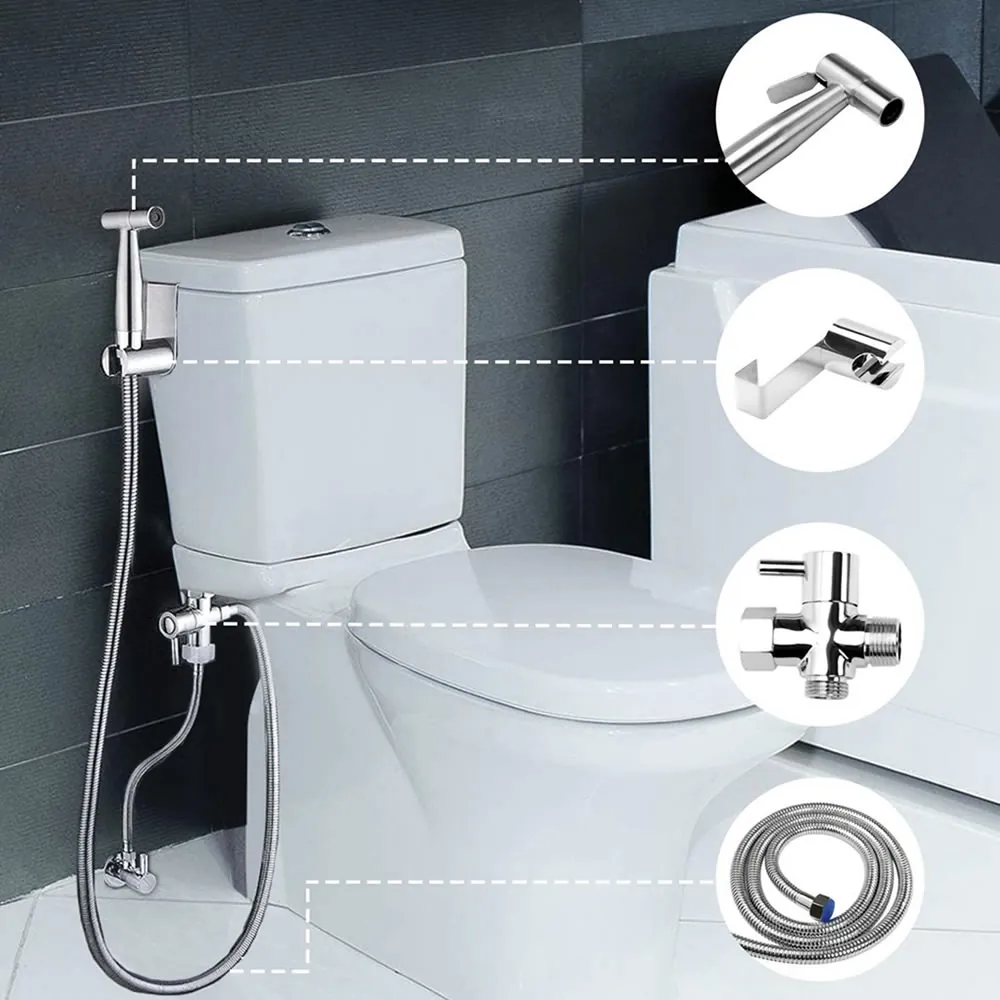
Wall-mounted sprayers include a dedicated holster that keeps the nozzle elevated above the toilet bowl. This is the safest mounting method because it prevents the nozzle from accidentally touching the floor or the rim of the bowl. Mount the holster at hip height to ensure the sprayer remains within reach without requiring you to bend awkwardly. If you have young children, verify the holster includes a locking mechanism to prevent accidental activation.
Integrated T-valve sprayers simplify installation by combining the water source and the control switch into a single, compact unit behind the tank. This design eliminates the need for extra hoses snaking along the wall. If your toilet fill valve is located in a cramped corner, confirm your supply line has at least three inches of clearance before purchasing an integrated kit.
Many homeowners mistakenly attempt to use standard plumbing tape on these connections. This often leads to micro-leaks that go unnoticed until water damage appears on the subfloor. Always use the rubber gaskets provided in the kit instead. If you notice a persistent drip after tightening, stop immediately and check for a cross-threaded connection. Forcing the valve further will strip the plastic threads, requiring a full replacement of the fill valve assembly.
How to choose between them
The choice between these sprayers depends on your water pressure, your budget, and your physical strength. If your home water pressure exceeds 60 PSI, choose a brass core unit to ensure the internal seals don’t burst under strain. Plastic components often develop hairline fractures under this level of constant force, leading to slow, hidden leaks behind your wall.
If you’re on a strict budget or setting up a rarely used guest bath, a plastic ABS unit provides the necessary functionality for a much lower cost. These units handle low-frequency use perfectly well. However, if the sprayer will be used daily, the plastic threads will likely strip within two years. For those who need a balance of durability and aesthetics, stainless steel is the best middle ground.
If you have arthritis or limited grip strength, look for a model with a long lever trigger rather than a small thumb button. A lever allows you to use the strength of your entire hand rather than isolating pressure on a single joint.
Avoid the common mistake of mixing components from different brands to save money or customize your look. Thread pitches vary by manufacturer; forcing a mismatched hose onto a sprayer head will compromise the O-ring seal immediately. You’ll end up with a spray that drips from the connection point rather than the nozzle.
Always check the internal valve mechanism before purchase. If the unit uses a ceramic disc, it will last longer and require less force to engage than a rubber-gasket style. If you live in an area with hard water, prioritize the ceramic disc to prevent mineral buildup from seizing the trigger mechanism over time. Choose one model that fits your primary need rather than trying to mix parts, which almost always leads to leaks.
Related guides
- Best Self Cleaning Bidet Toilet Seats in 2026
- 10 Best Bidet Toilet Seats for Comfort and Hygiene in 2026
- Alpha Bidet UX Pearl Review: 10 Best Bidet Seat Picks in 2026
Frequently asked questions
Can I install a bidet sprayer myself?
You can install most bidet sprayers in 20 to 30 minutes using an adjustable wrench. The process involves attaching the provided T-valve to your toilet’s fill valve and mounting the holster. If your plumbing pipes are old or corroded, consult a professional plumber to avoid causing a major leak.
Is it safe to leave the water valve open?
You should turn the T-valve to the “off” position after every use to prevent the sprayer hose from bursting under constant pressure. Leaving the valve open is the most common cause of bathroom flooding. If you struggle to remember, consider purchasing a model with an automatic shut-off feature.
Why is my sprayer leaking from the trigger?
A leak at the trigger typically indicates that the internal O-ring or rubber seal has failed. Because these internal components are difficult to repair, the most effective solution is to replace the sprayer head. Check your manufacturer’s warranty first, as they may provide a free replacement for newer units.
How do I clean a bidet sprayer?
You can clean a bidet sprayer by soaking the nozzle in equal parts white vinegar and water for 30 minutes to dissolve mineral deposits. Use a soft-bristled toothbrush to gently scrub the spray holes. Avoid using harsh chemical cleaners or abrasive pads, as these can damage the finish and internal components.
Does the hose length matter?
A 4-foot or 5-foot hose is sufficient for most toilet configurations, ensuring the sprayer reaches comfortably without creating a tripping hazard. Measure the distance from your water supply valve to the holster mount before purchasing. If you need extra length, ensure the replacement hose matches your existing T-valve thread size.
What happens if the sprayer hits the floor?
If the sprayer head touches the floor, sanitize it immediately with a bathroom-safe disinfectant to eliminate bacteria. Inspect the casing for any hairline cracks that might have occurred during the fall. If you find any damage to the unit, you must replace it to ensure hygiene and safety.
Conclusion
Upgrading your bathroom routine doesn’t have to be complicated or expensive. Once you’ve picked a model that fits your space, you’ll find it’s a simple change that makes a big difference. Don’t hesitate to check your local hardware store’s selection today; you’ll likely be surprised by how easy they’re to install.