
Studor and Oatey produce the most reliable air admittance valves for homeowners needing to prevent sewer gas leaks without installing traditional roof vents. These devices allow air to enter the pipe during drainage, keeping the trap seal intact and preventing siphoning. While their function is identical, connection methods and flow capacities vary by pipe diameter and local code requirements.
Common air admittance valves
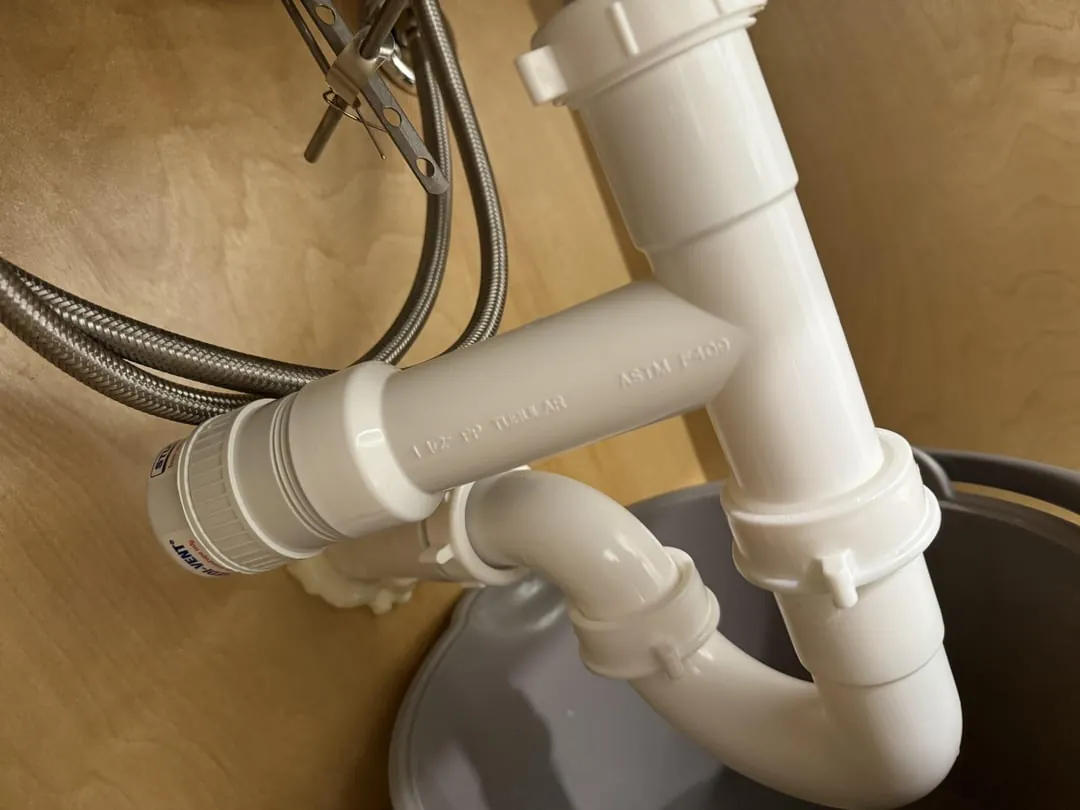
| Valve Name | Best Use Case | Common Example |
|---|---|---|
| Studor Mini-Vent | Standard sink drains | 1.5-inch to 2-inch pipe |
| Oatey Sure-Vent | Multi-fixture venting | 2-inch to 3-inch pipe |
| Studor Redi-Vent | Tight, small spaces | 1.5-inch pipe |
| Oatey 39016 | Basic residential repair | 1.5-inch pipe |
| Studor Maxi-Vent | Main stack venting | 3-inch to 4-inch pipe |
Choose your valve based on the total drainage fixture units (DFU) load rather than just the pipe diameter. A Mini-Vent handles up to 20 DFUs, while a Maxi-Vent supports up to 500. If you install a valve with too low a capacity, your system will suffer from slow drainage and gurgling sounds as the trap seal is siphoned away.
Always verify your local plumbing code before installation. Many jurisdictions prohibit air admittance valves on main building drains or in island sinks without specific venting configurations. If you see water backing up into a secondary fixture when a toilet flushes, your valve has likely failed or reached its end of life.
Replace any valve that emits a sewer smell or shows signs of moisture around the housing. These devices contain a silicone membrane that dries out or sticks over time. A common mistake is burying the valve behind a wall without an access panel. You must provide a clear path for air intake and future maintenance, or you’ll be forced to cut into your drywall for a simple five-minute swap.
If you’re venting a single bathroom group, use the Sure-Vent to ensure enough airflow for simultaneous usage. If you’re retrofitting a basement bar sink, the Redi-Vent’s compact profile prevents interference with cabinetry. Always mount the valve at least four inches above the horizontal branch drain or the flood level of the fixture to prevent backflow contamination.
Studor Mini-Vent
The Studor Mini-Vent is a compact, mechanical device designed to replace traditional atmospheric vents in residential plumbing systems. It suits homeowners who need to vent a single sink, basin, or small fixture where running a vent pipe through the roof is physically impossible or too expensive.
- Prevents the loss of water seals in P-traps by allowing air into the line during drainage.
- Uses a high-quality silicone membrane that opens and closes automatically to block sewer gases.
- Fits onto existing 1.5-inch or 2-inch pipe connections using a standard adapter.
- Reduces the need for complex piping layouts inside wall cavities or attic spaces.
You’ll typically install this valve by screwing it onto a threaded adapter at the end of a vertical vent pipe at least 4 inches above the horizontal branch drain. If you notice a gurgling sound in your pipes, it’s often a sign that the valve is stuck closed and needs to be replaced with a new unit.
Oatey Sure-Vent
The Oatey Sure-Vent is a heavy-duty air admittance valve engineered to handle larger volumes of air compared to standard mini-valves. It suits larger plumbing installations, such as island sinks or multi-fixture bathrooms, where a higher drainage volume requires more consistent air intake to maintain trap integrity.
- Features a larger internal diameter that allows for faster air intake during heavy water flow.
- Complies with ANSI/ASSE 1051 performance requirements for individual and branch-type systems.
- Includes a protective cover that keeps the valve clean and free of debris in crawlspaces.
- Maintains a tight seal against back-pressure, ensuring no sewer odors enter the living space.
This valve is ideal if you have a kitchen island sink where the drainage pipe is long and prone to vacuum buildup. If you’re replacing an older unit, ensure the new valve is rated for the same pipe diameter, as using a 1.5-inch valve on a 3-inch pipe won’t provide enough air for the system to drain properly.
Studor Redi-Vent
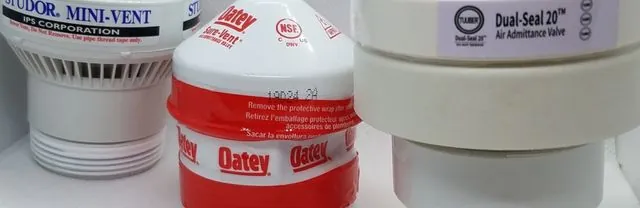
The Studor Redi-Vent is designed specifically for tight, cramped locations where standard-sized valves won’t fit. It suits situations like vanity cabinets or shallow wall cavities where space is limited and a low-profile solution is required to satisfy local building codes.
The valve measures just 2.5 inches in height, allowing it to tuck neatly under bathroom sinks where a standard air admittance valve would interfere with drawer slides or plumbing access panels. Because the unit is rated for 20 DFU (Drainage Fixture Units), it handles the discharge of a single sink or a small wet bar with ease.
Installers often make the mistake of burying these valves behind closed drywall panels to achieve a clean aesthetic. This is a code violation in most jurisdictions, as every valve must remain accessible for future inspection or replacement. If the valve fails, you’ll notice a distinct sewer gas odor under the cabinet or hear a gurgling sound as the trap loses its water seal.
Always check your local plumbing code before installation, as some regions strictly prohibit the use of mechanical vents in specific residential areas. If you’re venting a fixture that sits more than 15 feet away from the main stack, the Redi-Vent is likely insufficient. In these cases, the pressure drop is too significant for the valve to react quickly enough to prevent siphoning.
Offers a much smaller footprint than standard vent valves, allowing for installation in tight corners.
Provides the same level of protection against trap siphonage as larger, bulkier units.
Features an integrated adapter that simplifies the connection to 1.5-inch pipe systems.
Works effectively in areas where there’s very little vertical clearance above the drain line.
This unit isn’t designed for main stack venting or high-capacity fixtures like large bathtubs. If you attempt to use this on a main drain line, the valve will struggle to provide enough air, which may cause the sink to drain slowly or create noise.
For high-volume usage, always stick to the manufacturer’s specified diameter for your pipe size. If you see water backing up in the basin during a flush, the valve is likely undersized for the volume of water moving through the pipe. Replace it with a higher-capacity model immediately to prevent long-term damage to your drainage system.
Oatey 39016
The Oatey 39016 is a basic, reliable air admittance valve meant for simple, single-fixture residential applications. It suits DIY enthusiasts who need a quick and inexpensive fix for a sink that’s draining slowly or making gurgling noises due to a lack of proper venting.
Simple screw-on installation requires no special tools or advanced plumbing skills. You only need to thread it onto a standard 1.5-inch male pipe adapter. If you find yourself struggling to get a seal, don’t force the threads. Instead, apply a small amount of plumber’s tape to the male adapter to prevent leaks without risking a cracked valve housing.
This valve provides an immediate solution for venting issues in standard 1.5-inch bathroom or kitchen sinks. It’s constructed from durable plastic that resists common household chemicals and temperature changes. However, it’s strictly for individual fixtures. If your entire bathroom is experiencing drainage issues, this valve won’t fix the problem. The issue likely lies deeper in the main stack or the sewer line.
Before buying, check your local building codes. Some jurisdictions require specific certifications for valves installed behind walls or in concealed spaces. If you’re installing this under a sink where it remains accessible, the 39016 is sufficient. If you plan to hide it behind a wall panel, you must verify that your local inspector allows non-accessible venting.
Distinguish your needs by testing the drain. If the sink drains quickly when you remove the P-trap but slows down when reconnected, the valve will solve your pressure imbalance. If the water remains slow even with the trap removed, you have a physical blockage in the line.
Installing an air admittance valve in a blocked line creates a false sense of security while the underlying clog continues to worsen. Always clear the pipe manually before relying on the valve to restore flow.
Other venting options
Studor Maxi-Vent handles high-capacity air intake for main plumbing stacks measuring 3 to 4 inches. Use this valve to serve multiple fixtures simultaneously, such as a full bathroom group or a kitchen island sink. It eliminates the need for complex roof penetrations, which is inexpensive relative to the cost of traditional venting methods. However, verify your local plumbing code first.
The traditional roof vent remains the gold standard because it relies on atmospheric pressure and isn’t subject to mechanical seal failure. It’s immune to the mechanical failure that can plague valves after a decade of use. If your home experiences frequent sewer gas odors despite a functional valve, the mechanical seal has likely degraded. In this case, switching to a physical roof vent is the only permanent solution.
Choose a roof vent if you live in a region with extreme temperature swings, as sub-zero conditions can cause condensation to freeze inside mechanical valves, blocking airflow. If your sink gurgles or drains slowly during the winter, your valve is likely icing over. A roof vent avoids this issue entirely by utilizing a wider pipe diameter that resists frost buildup.
Prioritize the roof vent for any new construction where access to the attic is easy. If you’re retrofitting an existing space, use the Maxi-Vent to save time. Never install a mechanical valve in an inaccessible wall cavity. If the valve fails, you’ll be forced to cut into your drywall to replace it, turning a simple maintenance task into a costly renovation.
Choosing the right valve
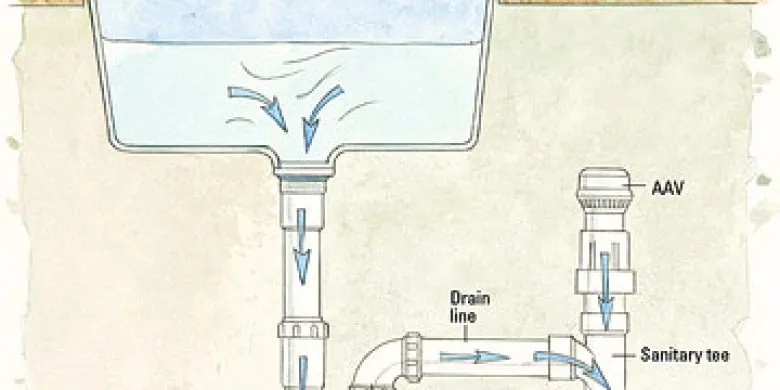
You decide which valve to use based on the pipe diameter and the number of fixtures the vent must serve. If you’re venting a single bathroom sink on a 1.5-inch pipe, a standard Mini-Vent or a basic Oatey 39016 is sufficient.
For kitchen island sinks or larger pipes up to 2 inches, choose the Oatey Sure-Vent to ensure enough air flow. If you’re dealing with a tight space inside a cabinet, the Studor Redi-Vent is your best choice, provided your pipe is 1.5 inches.
These valves are generally not interchangeable when the pipe size changes. If you have a 3-inch pipe, you must use a Maxi-Vent, as a smaller valve won’t allow enough air into the system to prevent a vacuum. Picking one valve typically means you’re solving a specific venting issue for a single line; these can’t be combined to vent an entire house’s plumbing system unless specifically designed for that capacity.
Check the manufacturer’s rated DFU (Drainage Fixture Unit) capacity before making your purchase. A standard Mini-Vent is typically rated for 20 DFUs, while a larger Sure-Vent can handle up to 160 DFUs. If your fixture count exceeds the valve’s rating, the trap seal will be pulled dry during high-volume drainage, leading to sewer gas entering your home.
Many DIYers make the mistake of mounting them too low, which risks water backup entering the valve during a clog. If you see water leaking from the valve, it’s already submerged, and you must replace the unit immediately to prevent permanent mechanical failure.
If you live in a region with extreme winter temperatures, verify that the valve is rated for attic or unconditioned space installation. Standard valves often freeze shut in sub-zero conditions, causing the plumbing system to gurgle or drain slowly. In these climates, you must use an insulated model or build a protective enclosure to maintain consistent airflow.
Related guides
Frequently asked questions
Can I install an air admittance valve inside a wall?
Yes, you can install these valves inside a wall if you use an access panel for future maintenance. Building codes mandate that mechanical parts remain reachable for inspection or replacement. Always verify with your local building department to ensure in-wall installation is permitted in your city.
How long do air admittance valves last?
Most valves last 10 to 20 years, depending on air quality and usage frequency. Over time, the internal silicone membrane may harden or collect dust, preventing a proper seal and causing sewer odors. If you notice persistent sewer gas smells, the valve is likely at the end of its life.
What happens if the valve fails?
If a valve fails, the plumbing system won’t receive enough air, causing the P-trap to siphon and allowing sewer gas to enter your home. The only fix is to replace the unit, as these devices aren’t designed to be repaired or cleaned.
Is it safe to use these on a kitchen sink?
Yes, these valves are safe for kitchen sinks, particularly on islands where roof vents are unreachable. Ensure the valve is installed at least 4 inches above the horizontal drain pipe to prevent water backup. If the sink drains slowly after installation, check the P-trap for physical clogs.
How do I know if my valve is working?
You can test the valve by observing if the sink drains faster when the unit is removed. A properly functioning valve should operate silently; a clicking or rattling sound may indicate a failing membrane. If the sink gurgles constantly, the valve is failing to provide necessary airflow.
Does it matter which brand I choose?
Both Studor and Oatey produce valves that meet the same performance standards, so brand choice is less important than selecting the correct size. Focus on matching the valve to your specific pipe diameter and available cabinet space. The wrong size is the primary cause of poor performance.
Conclusion
Start by checking your current pipe diameter and the available vertical space under your sink. Once you have the correct size, screw the new valve onto the threaded adapter until it’s hand-tight, ensuring it sits in an upright, vertical position.